Dearest fellow rulers,
How are you doing? Today’s piece is a bit different, and yes, it will expose some of my private hobbies. I enjoy Art and all of its forms—including movies—but what drew me to K-drama was just three things:
Their culture: their respect and how they expressed it, the way they are intentionally being present in the present, being able to understand that emotional maturity is the ability to embrace emotions and channel them, not compartmentalising them or ignoring their existence to maintain masculinity or a strong façade. And of course, their food.
The Art: the interwoven style of their wisdom, the flow of their stories, the poetic nature of their storytelling, the way they intentionally emphasise actions to show the intention behind each story they tell, their designs, and complex music pieces that move in sync with the scenes.
Lastly, their Architecture:
From their product or spatial design, it is beautiful. It intentionally shows the ups and downs that Koreans have faced in their architectural development, maintaining cultural resilience amidst heavy Western and foreign influences. Scenes can feature traditional architecture contrasting with foreign modern architecture infused with Korean aesthetics. Furthermore, this reminds me of our similar struggles here in Africa. It also shows the successes of some of these spaces that feature a blend between the old and new, till that design can be fully termed Korean. After all, Korean design or architecture is whatever South Koreans say it is (Kim et al., 2018)
My observation of the architecture shown in K-drama inspired me to research Asian architecture and speak with outstanding architects like Shohei Hoshida, Saul Kim, and Daeho Lee. I had to draw from their journey in my undergraduate dissertation on Africanfuturism and even now (Chukwubuihem et al., 2024).
So, if you are of the party that thinks they are cringeworthy or…, I sincerely apologise as you have missed out on a subtle treasure. I am sorry for spending this long on the intro. I needed to bring you to a point of open-mindedness in order to listen and learn. Let us begin.
The Series: Love Next Door
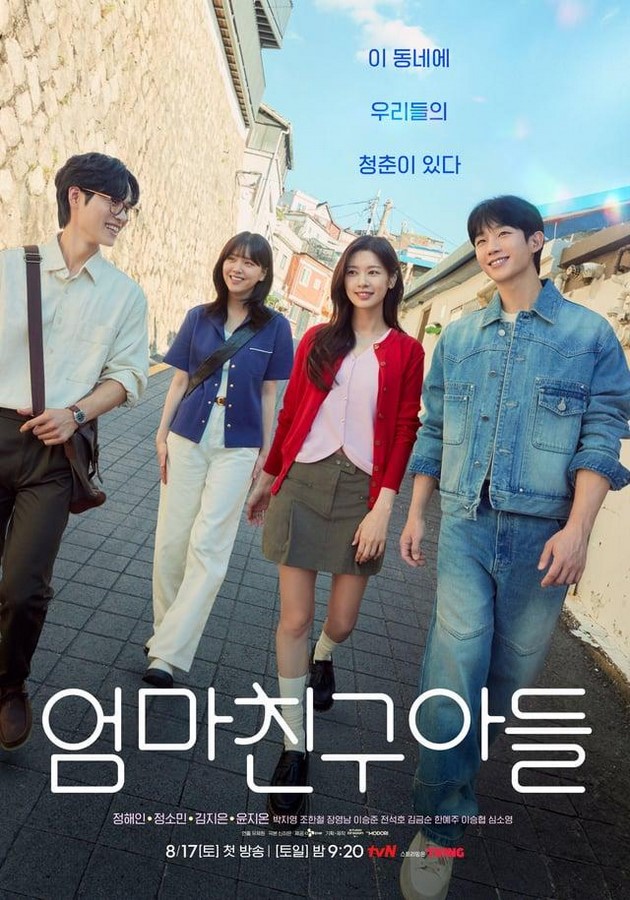
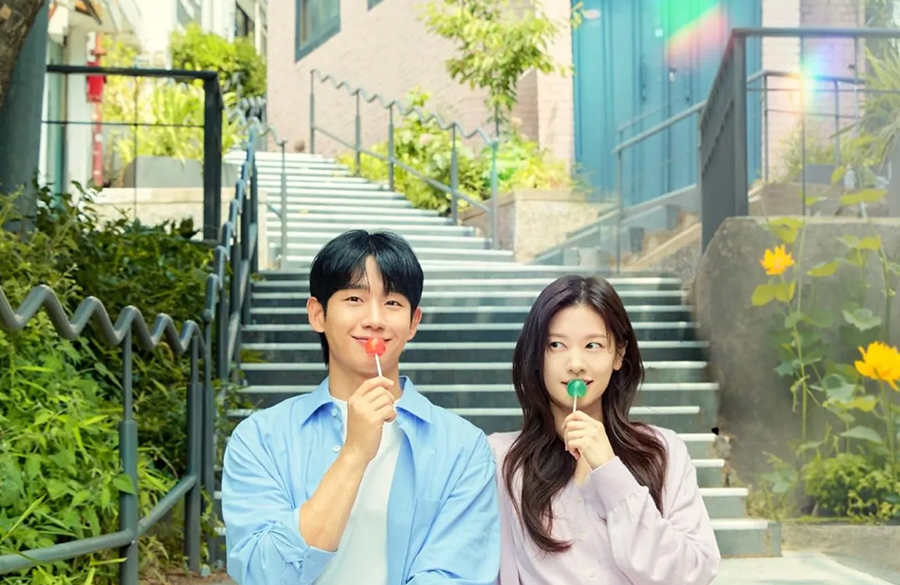
This K-drama features Jung Hae-in as Choi Seung-hyo (an architect and CEO), Jung So-min as Bae Seok-ryu (a product manager for a global brand), Kim Ji-eun as Jeong Mo-eum (a 119 paramedic), and Yoon Ji-on as Kang Dan-ho (a field-oriented reporter). Their story explores the ups and downs of their journey—feelings, disappointments, successes, failures, strengths—as they discover themselves. Even though their path started through the class-defying friendship of the lead couple’s parents, it unravels and develops into an interconnected community transcending generations, classes and paths.
Nevertheless, the most important thing to us is how they used spatial constructs to highlight each part of the journey, focusing on four select spatial programs in the series. We highlight each space’s journey, the stories the spaces tell, and the pictures they paint for the viewers.
The Homes: Foundation and Roots
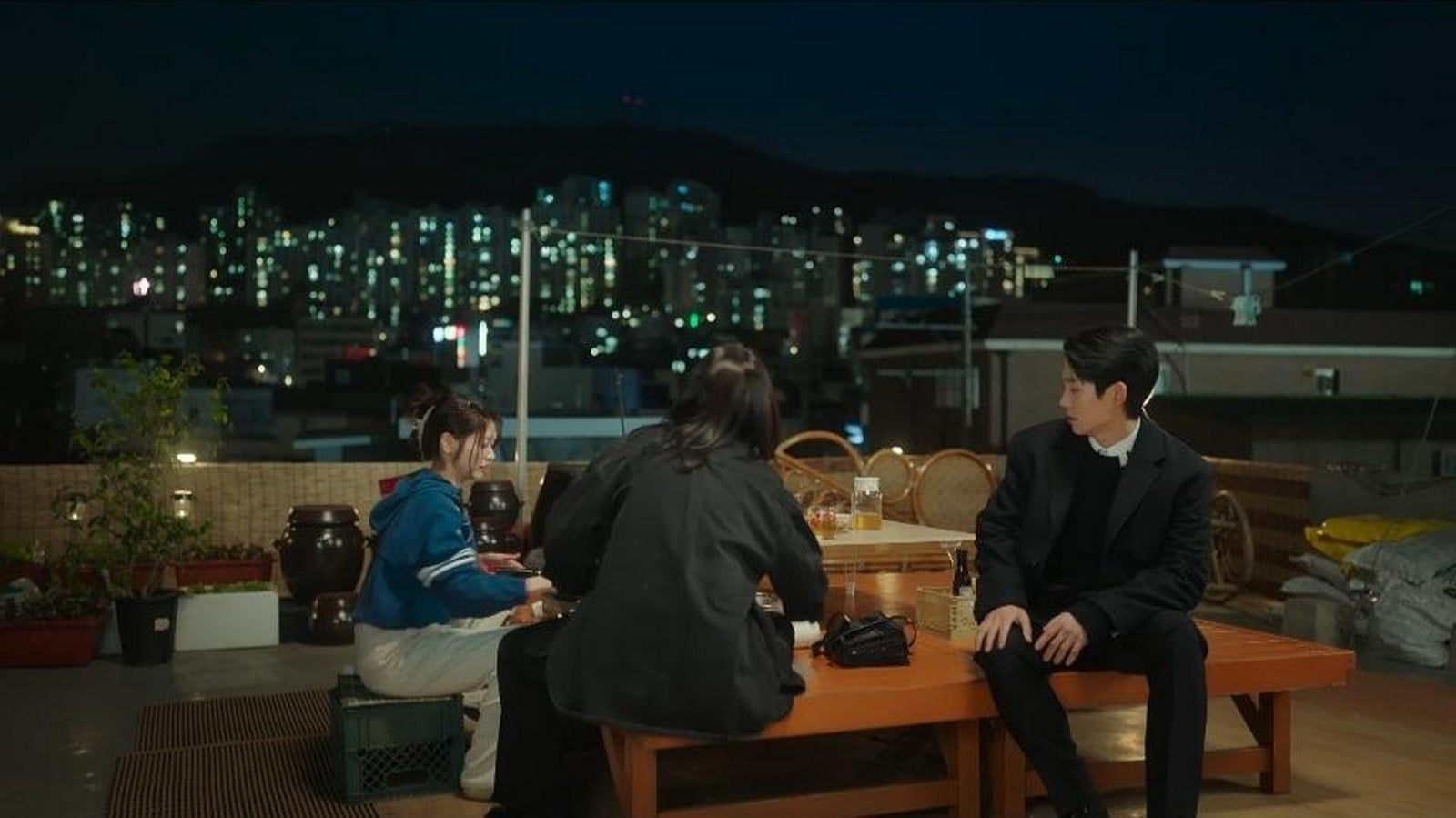
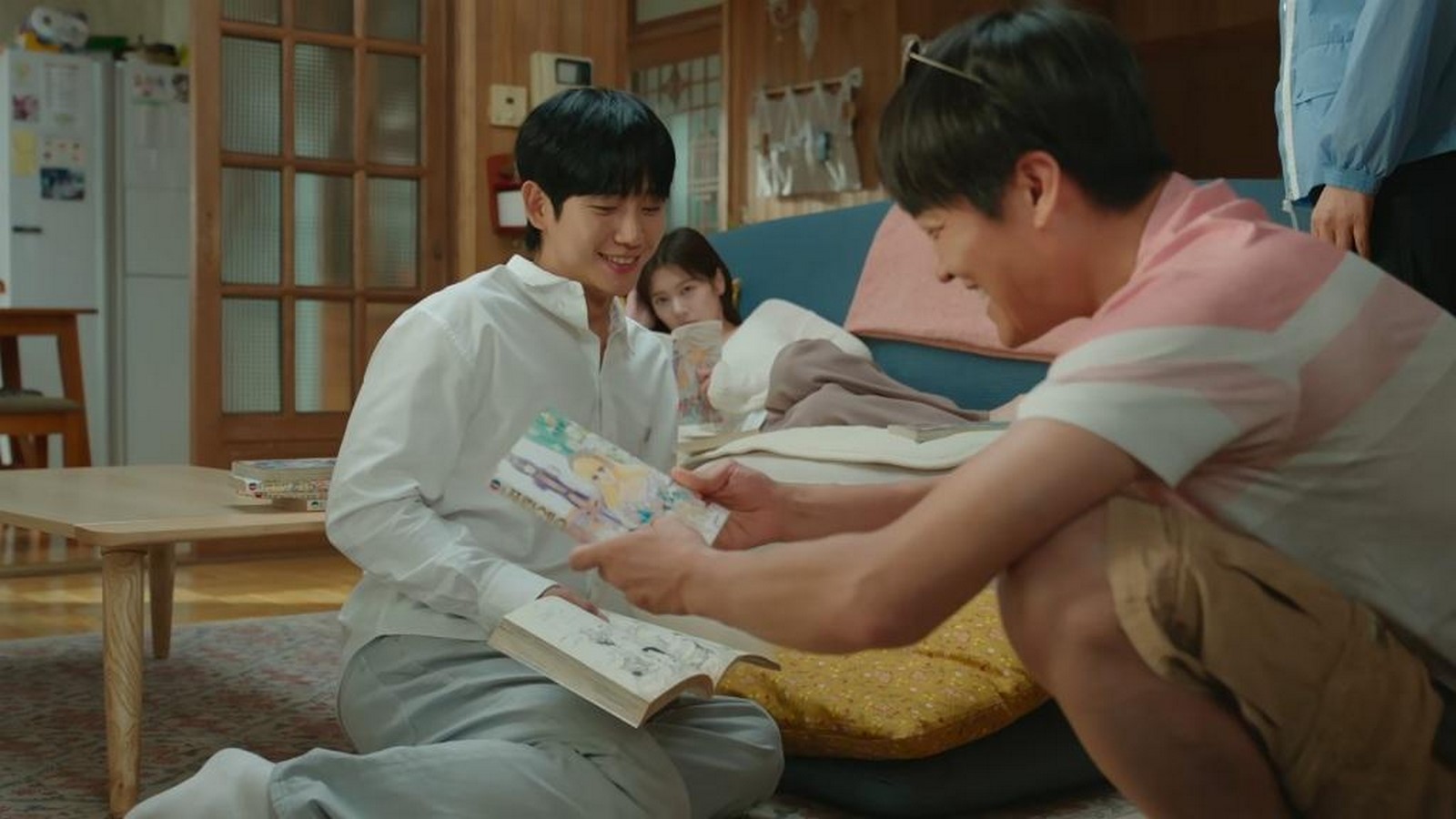
We start with how they use their homes to develop their foundation and strengthen their roots at several stages in their journey. Their homes did not just show where they were coming from; they were also home for them, and they came to respect their homes to build a future they envisioned correctly.
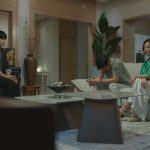
The opening scenes feature the house of Seok-ryu’s parents, Na Mi-sook and father Bae Geun-sik. The first floor is used as the family’s living space. The rooms are on the second floor and there is a rooftop with spaces for sit-out and gardens. The style is reminiscent of traditional Korean architecture, which uses heavy wooden elements. Furniture and walls show the wear of daily family life: dark wooden tables and shelving filled with food items, potted plants, family photos, and knick-knacks. The palette is warm but muted (earth tones, aged wood, soft yellow lighting). The layout feels functional and cosy rather than formal. This reflects the parents’ straightforward, hard-working nature and Seok-ryu’s down-to-earth roots
In early scenes, the clutter and low ceilings create a tightness that underscores Seok-ryu’s discomfort with expectations. As the series progresses and family acceptance grows, the camera lingers on minor improvements (a reorganised shelf, a newly bright curtain) symbolising thawed relationships. Overall, the space’s humble character contrasts Seok-ryu’s former glitzy corporate life and emphasises her journey back to authenticity
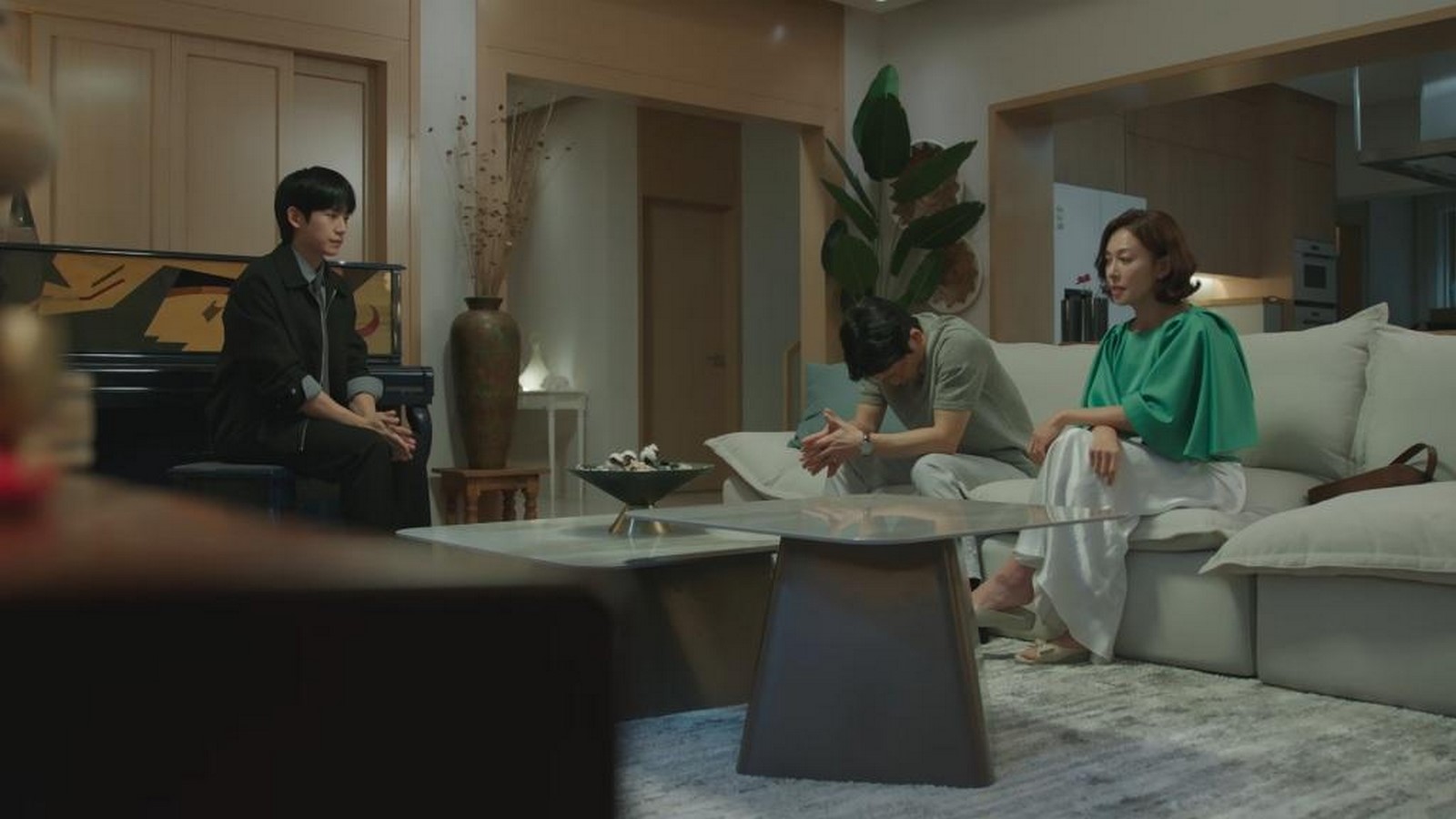
In contrast, we see the very modern luxury apartment of Seung-hyo’s parents, which represents everything he wishes to escape from. The apartment’s minimalist design shows the presence of a relationship in his family. It was as though “less is more” was a way to remove the very essence of family: love and honest communication. However, the apartment starts to feel like home as wounds were opened and healed, pains were shared, and messes were made to return the family to home. It made more sense that even though Seok-ryu was significantly poorer than Seung-hyo, he found a home with her. It shows that a home in its simplest form is a space where people commit to being true to each other, love each other, and grow with each other. Our job as architects is to help the users create this space that shows this—faithful and true—no matter the budget, size, or complex constraint—until we become like an extended family in our creation.
The Park: A Safe Chaos
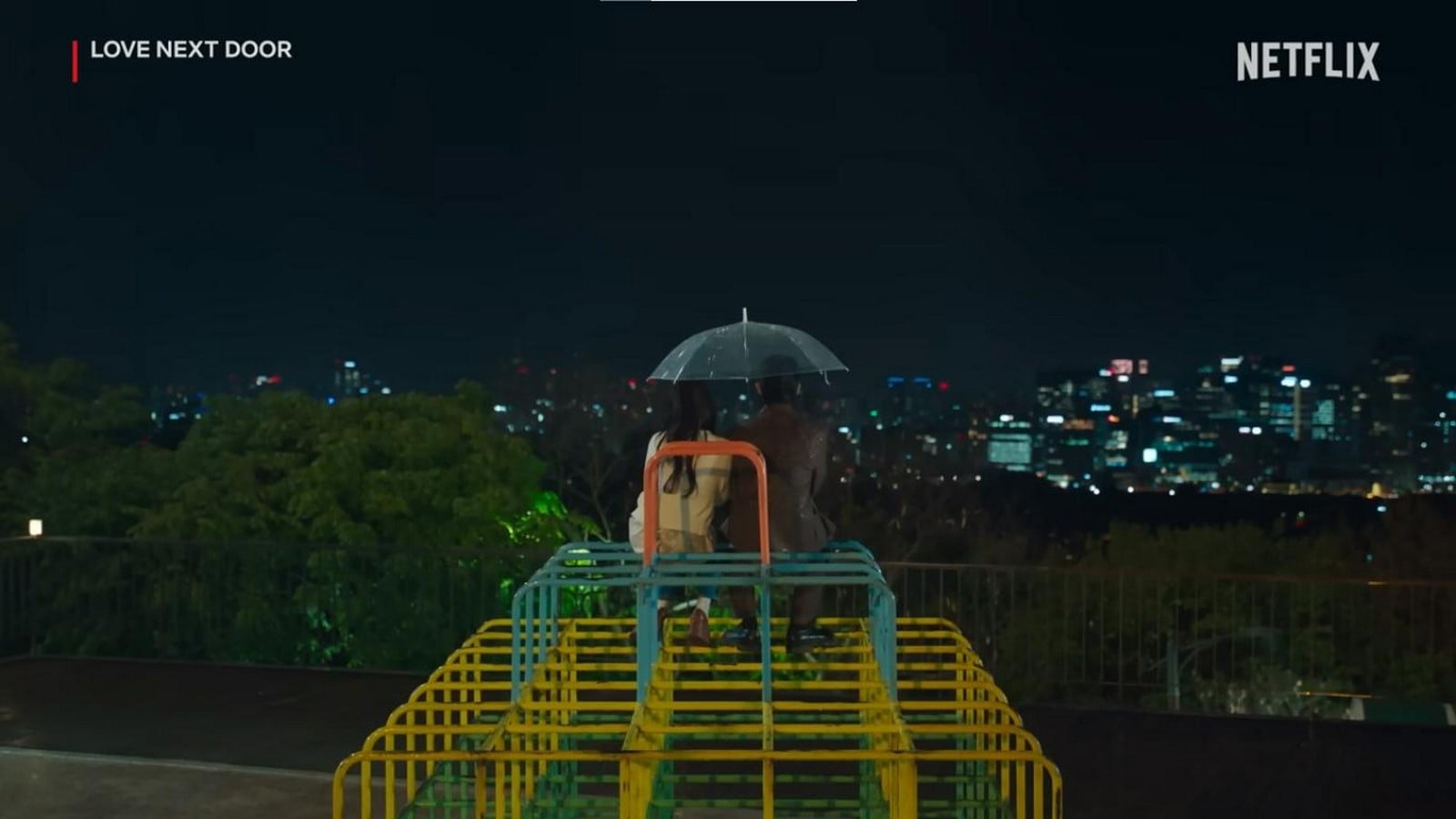
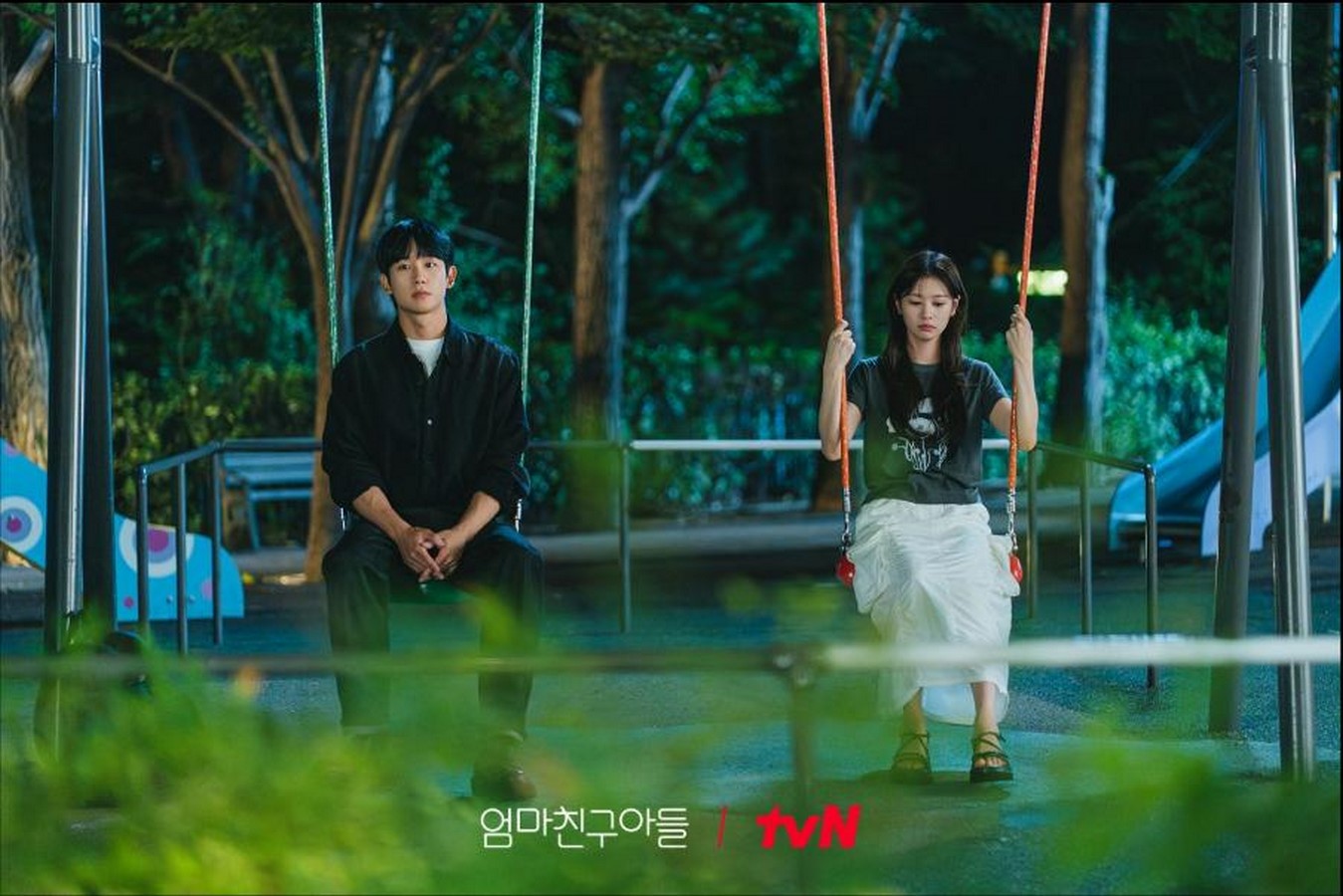
The park was where the friends could escape from all the chaos around them. The park—built with complex monkey bars and swings—was featured during their emotional highs. This space was where they forged bonds when they were younger and was there for them when they returned to rediscover themselves. The playground saw their fights, joys, insecurities, dreams, failures, and peace. It had the right equipment ready for them—the swings, the monkey bars, the slide—no matter what phase they were in. When they needed to sort through emotions, this playground was there. What was simply a place of recreation for their childhood became an unusual therapeutic space to sort through their feelings and tough decisions, and forge new bonds.
While this playground is a modern interpretation of Korean childhood games, the fact that it was used for adults shows that sometimes, when we are in the midst of chaos, we need spaces that can take us back to the simplest of times—that is, when we were just a child. A little carefree chaos to help navigate a complexified chaos (Sasaki, 2017).
The Architect’s Office: Atelier In
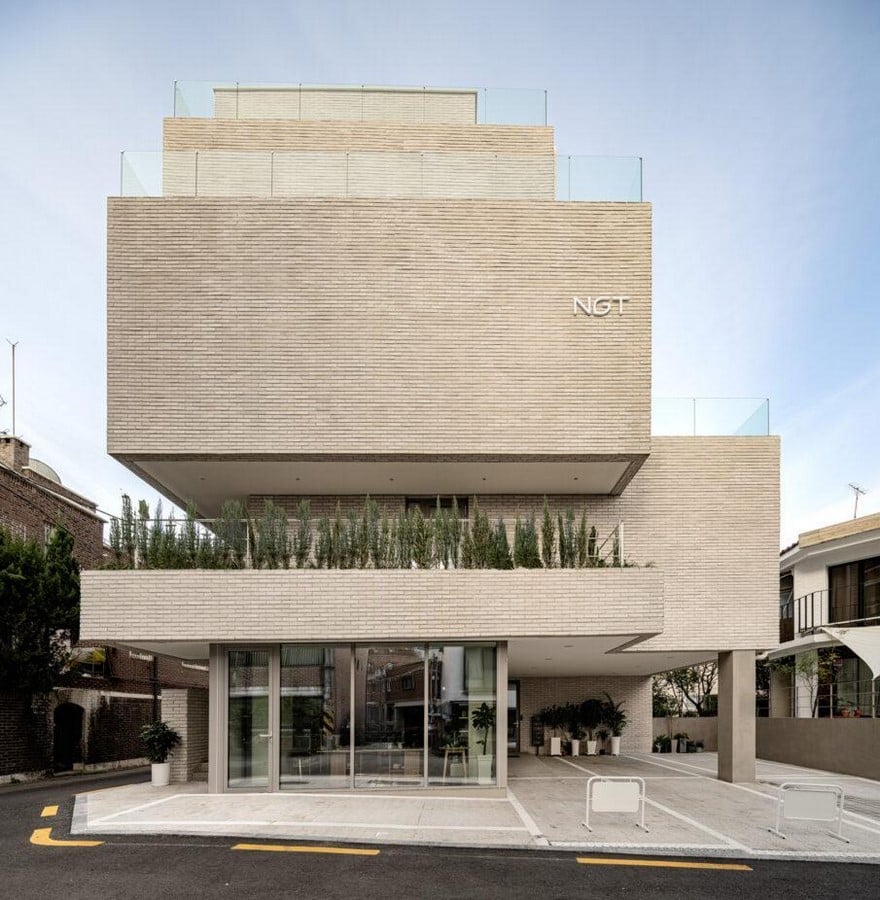
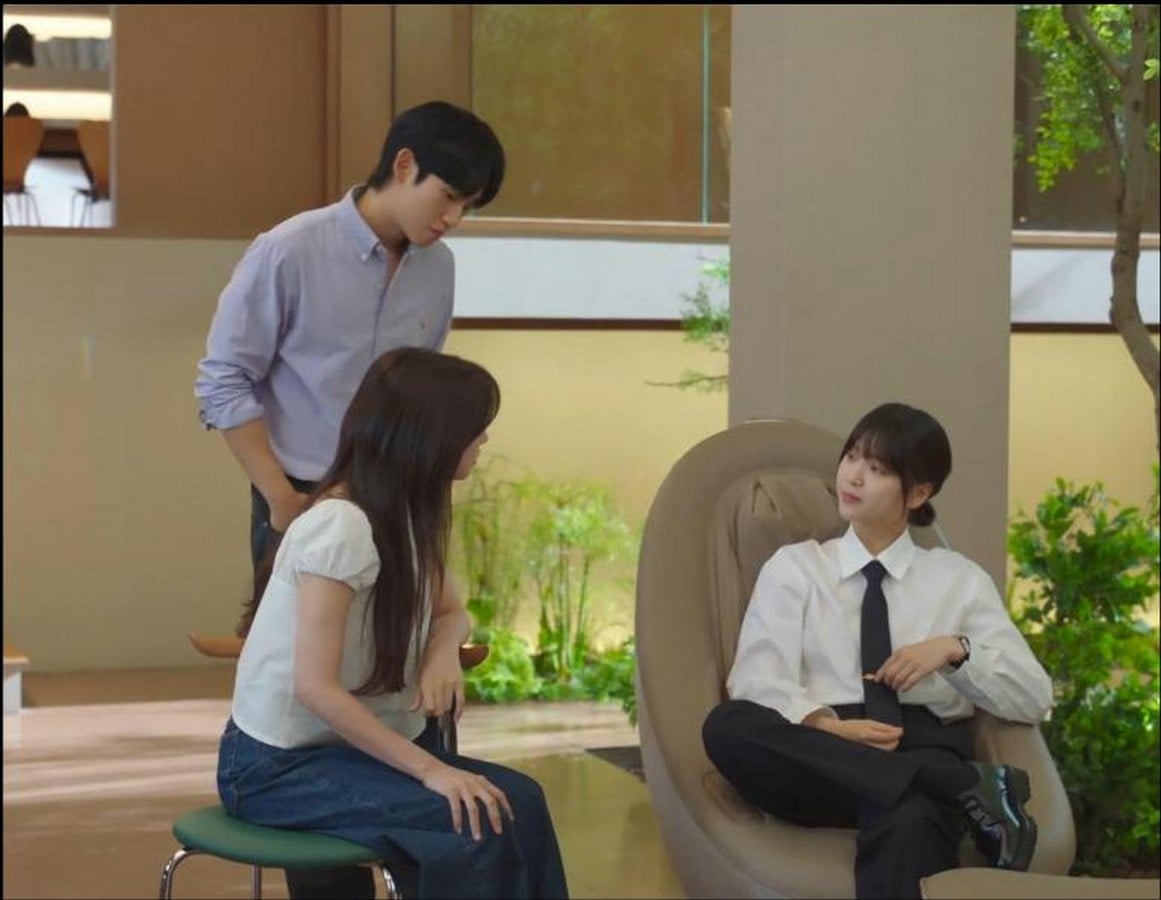
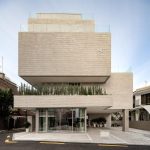
In stark contrast, Choi Seung-hyo’s architectural firm is a sleek, modern studio built with traditional Korean elements. One of the most beautiful things about the studio space was how it was built like a home. The space has a semi-formal open layout with a green courtyard. It has high ceilings and large south-facing windows flood the space with daylight. The colour scheme is primarily earth tones, with accents of black and wood. Interior walls are often bare or hung with architectural drawings and models. Metal shelving holds architectural books and prototypes. Sharp angles and clean lines in the furniture mirror his analytical mind.
At points of character stress, the cinematography highlights the emptiness or angular shadows of the office, reflecting Seung-hyo’s isolation. Overall, the office’s cool minimalism and abundant light symbolise his rational, successful exterior, subtly contrasting with the family home’s warmth and the coming emotional thaw. His homely, open layout and incomplete look invited Hae-in to complete this space with him. In contrast with how he finished his other projects and moved on, he could not finish with his studio until his heart came in and made it her home
The Ahjumma’s Home: Design as Healing
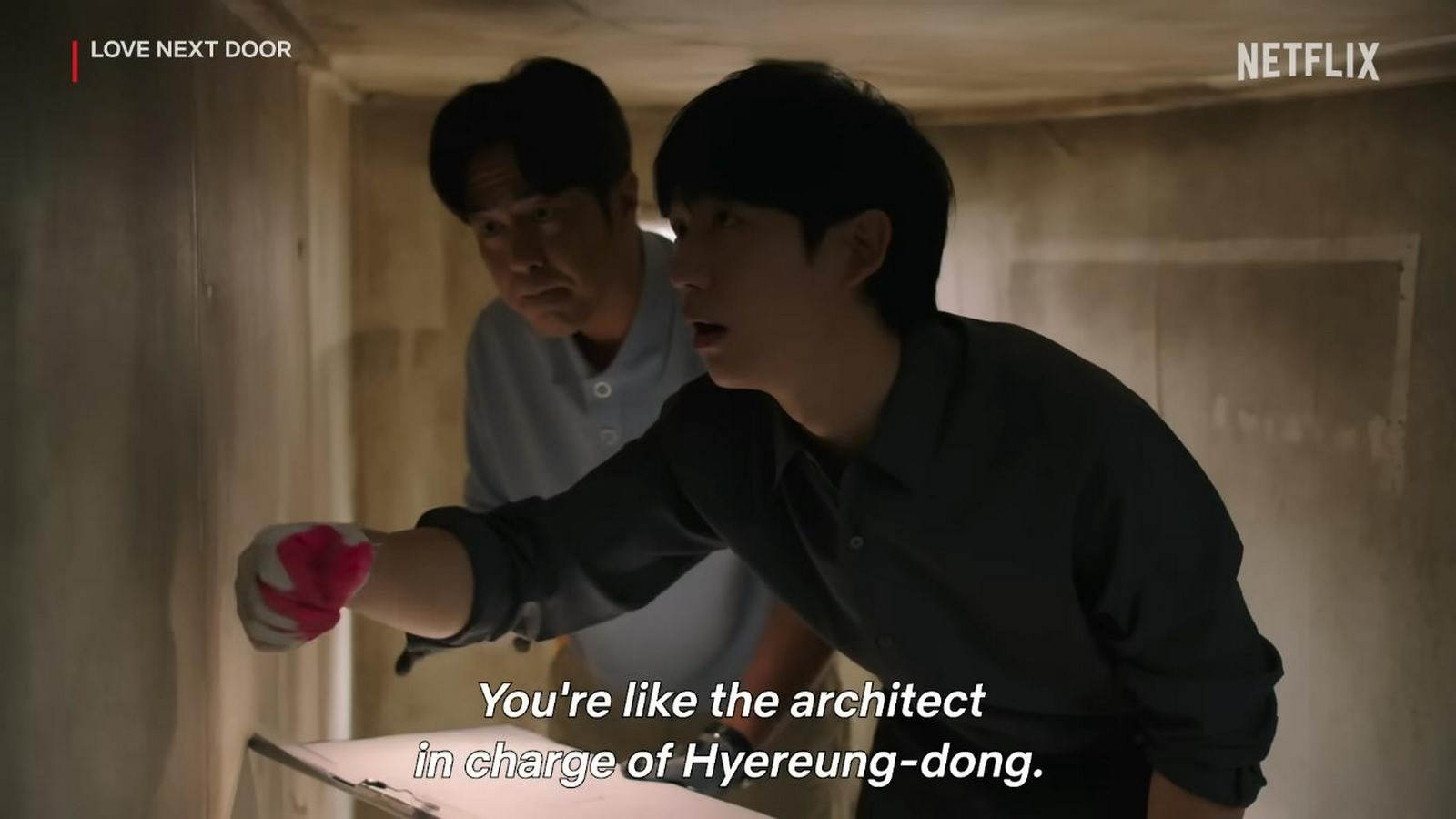
In later episodes, Seung-hyo is involved in a community project renovating an older woman’s dilapidated house. The older woman’s original home is a narrow, timeworn one-story house on a steep site. Its interior is cramped with low ceilings, yellowed wallpaper peeling at the edges, old wooden floorboards and aged furnishings. Light is dim and diffused through small curtained windows, and the space feels fragmented by low partitions.
Seung-hyo encountered this woman while helping her pick discarded cardboard for recycling. This was also where he met Dan-ho, who was looking for real stories. After discovering its dilapidated state, they eventually teamed up with Seung-hyo’s co-founder to renovate this older woman’s home. Even Seok-ryu and Mo-eum join them on this journey. The tiny home was reformed with freshly painted walls, floors with new wooden tiles, and minimalist furnishings while retaining the old, precious possessions of the woman. Symbolically, this metamorphosis parallels the characters’ emotional renewal and the strengthening of their bond not just as couples but as friends. The design shift (from cluttered, dim spaces to airy, light-filled rooms) mirrors the older woman’s restored hope and the protagonists’ journey from confusion to clarity.
Space, Identity, and Redemption
It will not be fair to the other couple—Mo-eum and Dan-ho—whose journey was also shaped by their spaces. I will leave this for you to discover in the series. However, in this series, I focus on the role of spaces and design in our journey and how we shape the spaces around us.
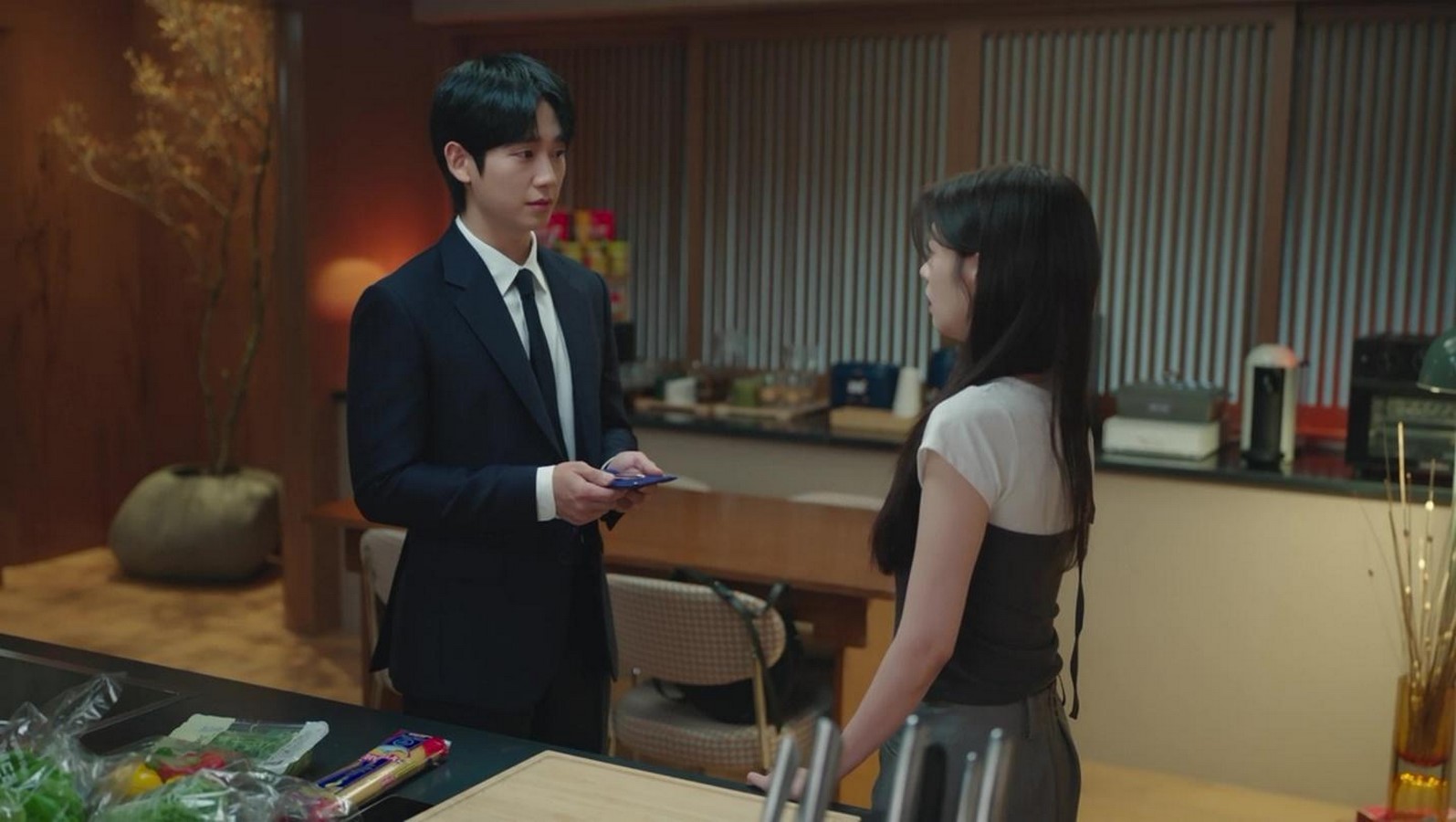
It was even more evident in Seok-ryu and Seung-hyo’s lives because Seung-hyo was an architect from how he made closure with his swimming past by renovating the school’s gymnasium, to how he made creating Seok-ryu’s spaces (refurnishing her room, creating a big kitchen in his studio, etc) his passion, to how he created spaces that resembled his interests and became a significant influence in his relationships—to how he involved his community in his project rather than working around them. He allowed his role as an architect to be shaped by his experiences and the pictures he felt were missing.
The other characters also did this—using their passions turned into a purpose/career beautifully. It was not just a journey of fantasy romance with Korean clichés. They unveiled a spatially shaped journey despite what was thrown at them.
“Love Next Door” is an unravelled simplicity of human relationships, set against the backdrop of spaces forged into a home. So yes, K-drama is cliché and predictable—but so is life. To truly enjoy it is not to be bogged down by what is not there or to be desperate for surprises and mysteries, but to truly appreciate the things that are present and create your desired reality with them.
Till next time.
Cheers!
References:
- Chukwubuihem, D., Temiloluwa, A., Enobong, A., & Ibeanu, C. (2024). Africanfuturism in Architecture and Its Impact on the African’s Health and Wellness. Covenant University.
- Kim, S., Park, H., & Bae, Y. (2018). Korean Modernism and Cultural Identity in Urban Housing. International Journal of Architecture & Planning, 6(2), 34–49.
- Sasaki, M. (2017). Reclaiming Childhood in Korean Public Space. Design Journal of Asia, 9(1), 24–36.