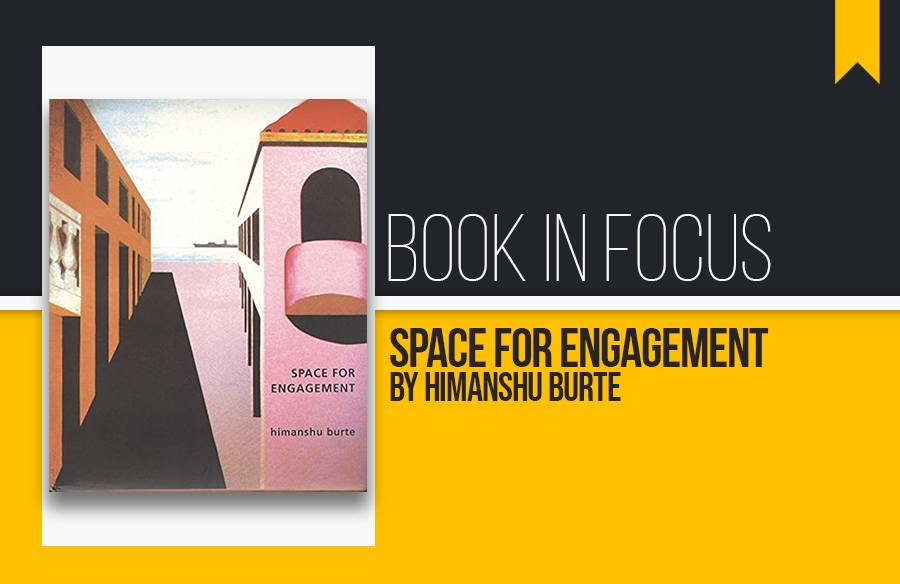
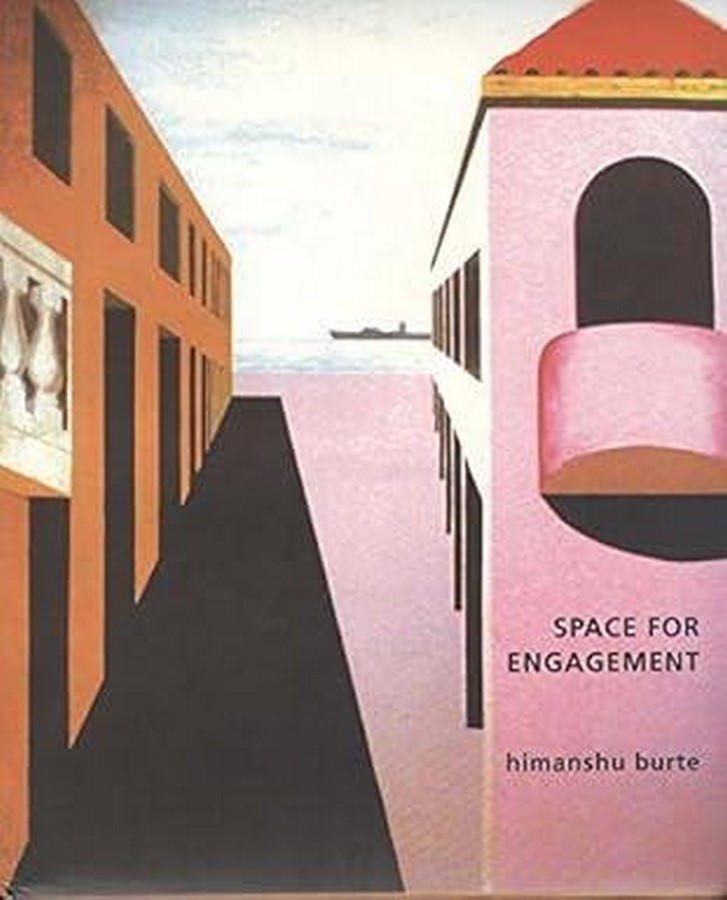
Himanshu Burte’s Space for Engagement is not just a book for architects or art professionals; it is a thoughtful exploration of how public spaces, particularly those dedicated to the arts, can become more meaningful, inclusive, and engaging for everyone. If you’re considering picking up this book, here’s what you can expect to gain from it.
What Readers Will Discover
A Fresh Perspective on Artplaces:
The book invites readers to rethink the very purpose of art places (museums, theatres, galleries, etc.) in India. Rather than seeing them as isolated or elite institutions, Himanshu Burte encourages readers to view them as vital public spaces that should foster genuine engagement between people and their environments.
The Importance of Everyday Experience:
One of the central messages is that great architecture is not just about grand gestures or spectacular forms. Instead, Himanshu Burte emphasizes the significance of everyday, bodily, and social realities. Readers will learn why considering the needs and habits of ordinary people is essential in designing spaces that truly serve the public.
A Framework for Engagement:
Without delving into technical jargon, the book offers a conceptual toolkit for understanding what makes a place engaging. Concepts like “occupiability,” “penetrability,” “legibility,” “sociability,” and “possessability” are introduced as qualities that can help architects, planners, and even everyday users evaluate and imagine better public spaces.
Critical Reflection on Elitism in Design:
Himanshu Burte does not shy away from critiquing the ways in which many art places in India (and elsewhere) have become disconnected from the broader public, often catering to a social elite. Readers are prompted to reflect on how design choices can either include or exclude and how architecture can be a tool for social good.
Lessons Beyond Architecture:
While rooted in architectural theory and practice, the book’s insights are broadly applicable. Anyone interested in public life, urbanism, or the role of culture in society will find valuable ideas about how spaces shape our collective experience.

Who Should Read This Book?
- Architects and architecture students looking for a more people-focused design approach.
- Cultural institutions, aiming to create more welcoming and inclusive spaces.
- Urban planners and policymakers exploring the connection between public spaces, culture, and community.
- Readers interested in Indian culture, public life, or the arts who want to dive into the deeper forces shaping our shared environments.
What You Won’t Find (No Spoilers!)
This book is not a how-to manual or a collection of design recipes. Nor does it provide a step-by-step guide to specific projects. Instead, it offers a way of thinking, an invitation to question, reflect, and imagine new possibilities for the spaces where art and public life meet. The detailed case studies and nuanced arguments are best experienced firsthand, allowing each reader to draw their own conclusions.
My Take
Space for Engagement stands out for its clarity of thought and its commitment to bridging the gap between architectural theory and lived experience. It challenges both practitioners and readers to consider how public spaces can be made more welcoming and meaningful. In my view, Himanshu Burte’s habitational approach is a timely reminder that architecture is not just about buildings, but about the quality of our collective lives. For anyone invested in the future of public space and cultural institutions, this book is a valuable and thought-provoking guide.
References
Himanshu Burte (2008). Space for Engagement. Seagull Books Pvt Ltd.