Architecture is one of the most important devices that create tension and horror in both Stree and Stree 2. Buildings, streets, and spaces are not mere environments; rather, they actively participate in the eerie tension and mystery that pervades these films. By choosing how those elements are presented to the audience, creators will create an environment that influences people’s perception of fear and pulls them deeper into the haunted world of Stree.
Stree – Chanderi of Chills (2018)

Chanderi, a small town in Madhya Pradesh, is the place where horror happens in Stree. Though it is just a typical Indian small town, the filmmakers have managed to make this place’s ordinary charm ominous, and hauntingly beautiful. The narrow streets, stone houses, and wooden structures with traditional hanging balconies create an enclosed feeling. It feels like these streets confine both the characters as well as the audience; a feeling that there is no escape from this lurking presence of Stree, the ghost terrorizing the city.
The labyrinthine arrangement of streets in the city makes it claustrophobic. It is an architecture that is nearly metaphoric to inevitable fear as these characters try to get through this maze of a city. Sharp turns and hidden corners create the impression at every turn that danger may be lurking just around the corner and heighten tension. It is as if even the city itself conspires to keep the ghost’s presence right in the middle but inevitable.
The houses in Chanderi are traditional and feel like they have stood for centuries. Made from stone and wood, these houses have that look of being weather-beaten by time, adding to the eeriness. Most of all, it is the jharokhs that creates an uncomfortable feeling that someone, or something, is always looking down. This architectural element works in the film wonderfully, as one feels through the ever-watchful eyes on them from beyond. It is not just a ghost that haunts these characters; the architecture seems to join in recalling the haunting history of the city.
The city temple stands in stark contrast to the rest of Chanderi. Tall traditional architecture speaks to protection and safety. The temple is the only place where the characters feel a momentary sense of security, with its ancient and sacred atmosphere. Yet, this does not last, and the instant he steps out of the shadow of the temple, fear revisits him. The meaning of the temple is self-explanatory since it symbolizes the tradition of the city and therefore a refuge from ghosts. However, he fails utterly at this, and that shows that even the sacred cannot fully save them from the perils outside.
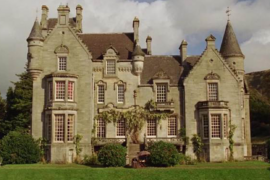
The climax of Stree takes place in an abandoned mansion or haveli. For the setting, this is very crucial since in one place it brings together all the elements of spookiness: dark, crumbling, and dilapidated, symbolizing the collapse of the city’s sense of security. It has been in such a dilapidated condition that it says something about secrets being buried for ages within its walls. This decaying architecture of the mansion speaks volumes about the crumbling self-esteem of its characters and an inbuilt growing sense of danger. Architecture, thus, in this final scene becomes an intrinsic part of the horror and almost comes alive with the mysteries it hides.
Stree 2: Expansion of horror into larger spaces

In Stree 2, the setting extends beyond Chanderi, hence the scope of horror. While the sequel retains the narrow streets and old houses of the first film, larger and more complex spaces create increased fear. One of the important locations in this film is the haunted fortress-a huge, imposing structure comprising high walls and corridors endless to an extent. Far scarier than the crammed lanes of Chanderi, the fort creates a different kind of terror. Here, the size of the place makes the characters small and powerless. The huge space, overwhelming, makes them prone to unseen dangers.
Inside the fortress, the crumbling corridors reach deep inside. Characters get lost in these serpentine passages as the fortress becomes a character-dark, menacing, full of hidden dangers. Architecture heightens the sense of isolation in Stree 2. Every step seems to be taken with a risk, whereby some monstrous thing is waiting to come out from the dark corners of the fortress. Collapsing arches and ancient weathered walls give the impression that the fort has seen mystery over centuries; thus, it might be the perfect setting for a ghost movie.
Like the old houses in the first film in Chanderi, the fort in Stree 2 is steeped in history. Its architecture speaks to a place that has seen the rise and fall of generations, tying together the idea that the supernatural is usually linked with the past. The age and grandeur of the fort give credence to the ghost story; it feels like the building itself harbours a ghost of the past. This combination of architecture and history underpins the supernatural elements, making them seem more real.
Architecture as an active character
This is what makes Stree and Stree 2 different: the way plots are so intrinsic to architecture. In both films, buildings, streets, and spaces are not passive environments but active participants in the story. Architecture creates tension, heightens the atmosphere, and, in many ways, shapes the experiences of the characters. It is the sense of enclosure, the constant feeling of being watched, and the overwhelming vastness of the fortress-the architectural details all add to the horror.

The thing that makes such architecture beautiful in those films is that it’s so real. This is not an overly stylized or glamorous setting; they’re just everyday places you feel like you’ve lived in, and that’s what makes supernatural events all the more unsettling. Neither the narrow lanes of Chanderi nor the sprawling haunted fort is a fantastic place; rather, both are believable spaces that everybody can come across. This familiarity with the architecture makes the horror more immediate and relatable. It is not about shocking the audience with a jump potion, but about building a world where the characters and the audience get trapped in a space replete with historical and supernatural weight.

Architecture in Stree is a metaphor for their inner lives. Crumbling buildings stand as metaphors for the fragile sense of security of this city, while narrow streets reflect the characters being imprisoned by both the city and supernatural forces. The temples and havelis, filled with tradition and history in every nook and corner, remind one of the weight of the past and give another dimension to the ghost story.
Conclusion Stree and Stree 2, both are quintessential examples of architecture elevating horror. The setting is not a backdrop; it is a huge part of how that story unfolds and the way one feels fear. In these films, architecture investigates themes of history, tradition, and superstition, making for a truly immersive and terrifying experience.