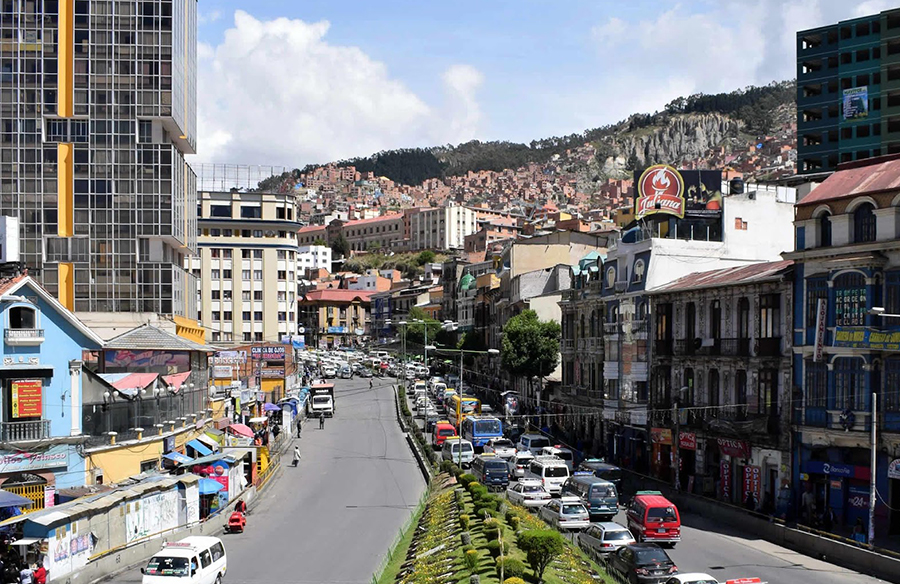
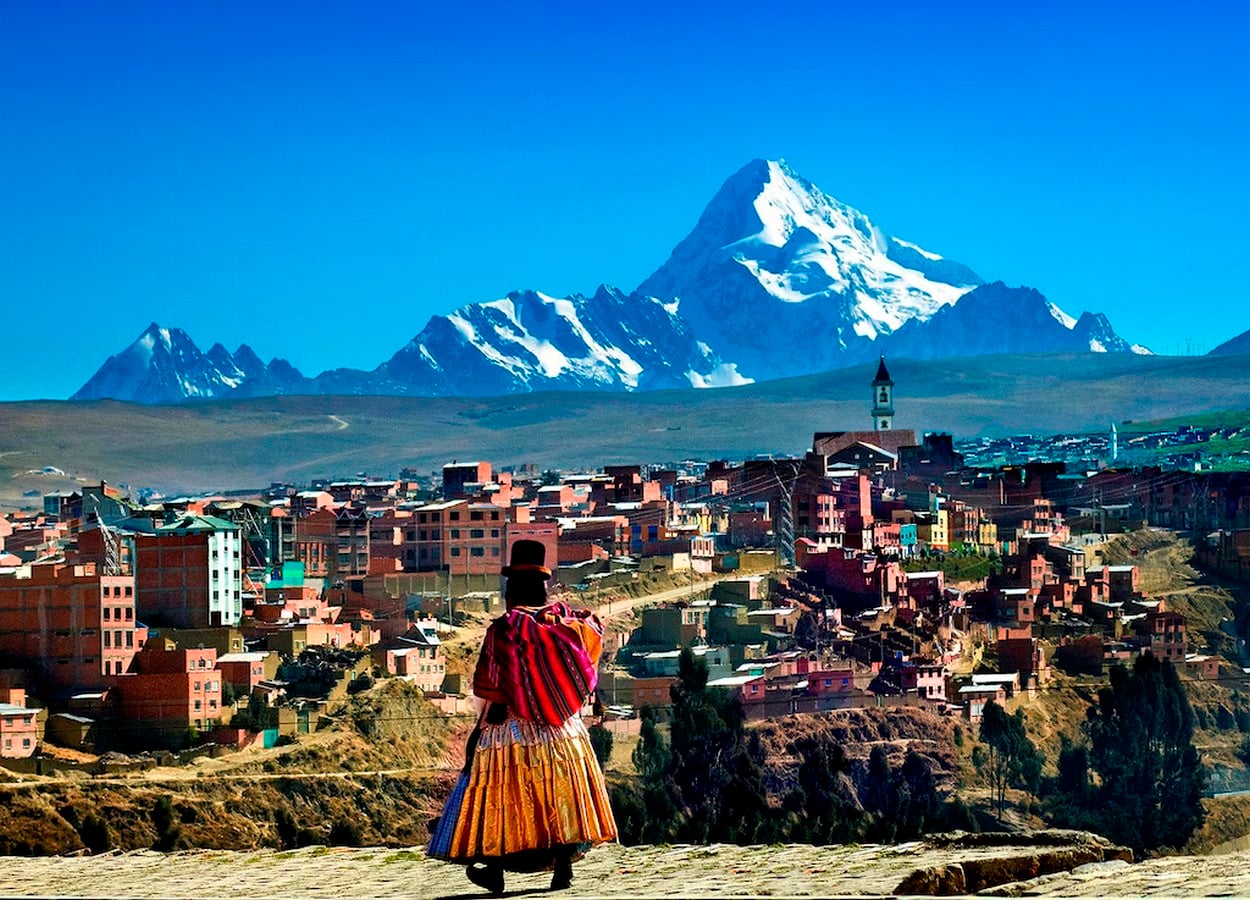
La Paz is Bolivia’s bustling capital city and a major Latin American cultural center. La Paz is the country’s third-largest city, with over 800,000 inhabitants. This bustling metropolis offers a unique experience, nestled in a valley amidst the awe-inspiring Illimani Mountains and located southeast of Lake Titicaca. La Paz was founded in 1548 and was renamed La Paz de Ayacucho in 1825 in honor of one of the final battles of the War of Independence.
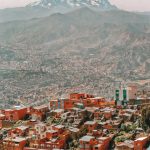
At over 12,000 feet above sea level, La Paz is the highest elevated city globally, situated on the Andes Altiplano plateau. The city’s architecture is intriguing and peculiar, reflecting its mountainous landscape and its urban arrangement, including terraces and steep streets. Surrounded by the majestic Andes Mountains, La Paz is a city that mesmerizes with its picturesque beauty and unforgettable charm. It is also known for having the world’s highest-elevation golf course, which adds to its charm.
Tracing the Colonial Footprints in La Paz: A Glimpse into City’s Timeless Charm
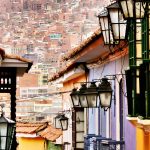
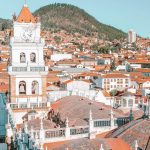
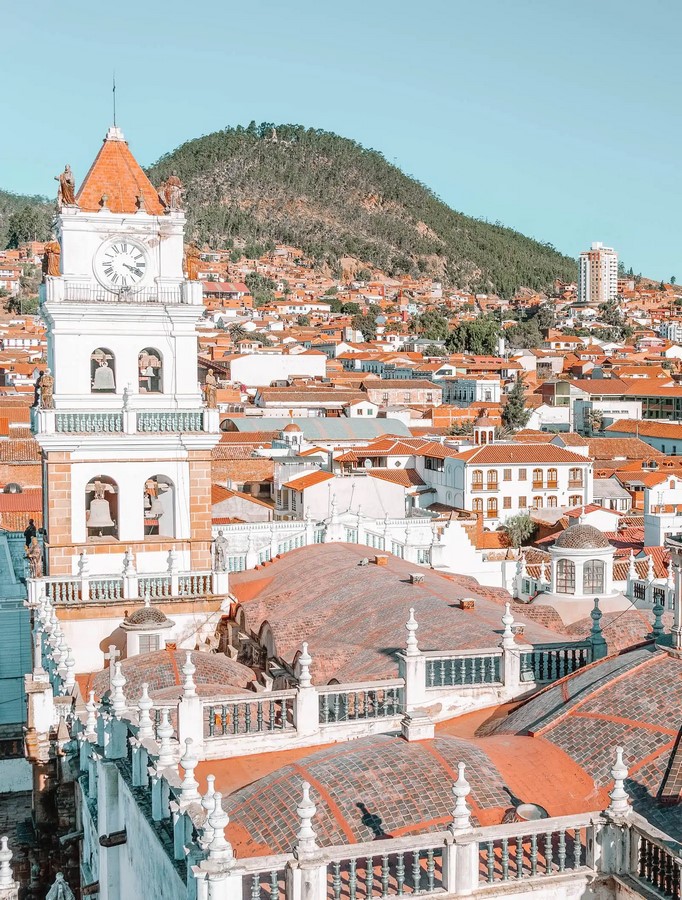
La Paz, a city of rich colonial heritage, proudly preserves its architectural legacy, particularly within its downtown area. A captivating tapestry of Spanish Colonial influences, adorns numerous buildings characterized by their ornate facades, delicate wooden balconies, and enchanting central courtyards. The San Francisco Church and the Metropolitan Cathedral stand as magnificent examples of colonial architecture, embodying the essence of La Paz’s historical charm. The city’s architectural landscape proudly bears the indelible mark of its colonial past, established by the Spanish in 1548.
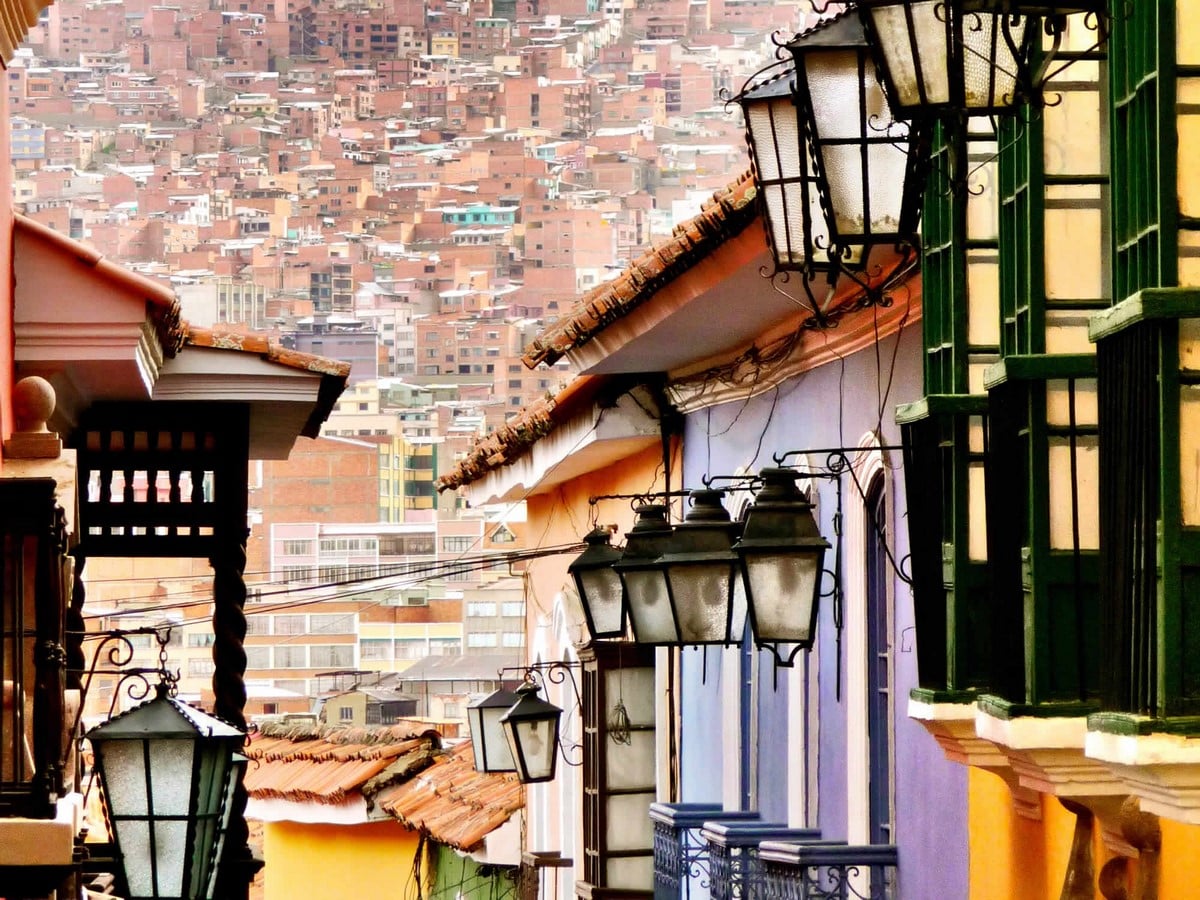
Nestled within the heart of La Paz lies the Casco Viejo, the historical city center, where meandering narrow streets reveal a colorful mosaic of colonial structures and resplendent churches adorned with intricate details. While many other cities share the colonial architectural style of La Paz in Bolivia, it serves as a poignant reminder of the country’s stagnant colonial legacy. Originally known as Nuestra Señora de La Paz, meaning “Our Lady of Peace,” the city’s name evokes tranquility and echoes the enduring spirit of its colonial origins.
Cultural Fusion in La Paz’s Architecture: European and Indigenous Influences
La Paz, a city renowned for its captivating blend of European architectural styles and indigenous influences, is a testament to diverse cultures’ harmonious coexistence. The Mestizo Baroque Style, a hallmark of La Paz’s architectural landscape, showcases an exquisite amalgamation of intricate stonework, meticulously carved wooden doors, and rich religious iconography. Noteworthy examples such as the Church of San Pedro and Santo Domingo epitomize this unique style.
However, La Paz’s architectural identity extends beyond the city’s boundaries, with traditional indigenous building practices and designs prevailing in the rural outskirts. In these areas, one can witness the enduring presence of adobe houses crowned with thatched roofs, echoing the timeless traditions of indigenous architecture. Within the vibrant neighborhoods of La Paz, a captivating tapestry of cultural influences unfolds. Structures adorned with indigenous motifs and architectural elements testify to the fusion of diverse cultural heritages.
Bolivia, home to a rich tapestry of indigenous communities, finds its cultural and political center in La Paz. Consequently, the city’s architecture reflects this remarkable diversity, particularly within indigenous neighborhoods and bustling markets. The architectural fabric of La Paz seamlessly integrates indigenous cultural elements into its urban landscape. The structures, crafted using traditional indigenous building materials, witness the deep-rooted connection between culture and the built environment.
The Evolution of Architecture in La Paz: From Modernist Influence to Contemporary Trends
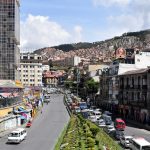
La Paz, Bolivia’s bustling capital, has seen a dramatic alteration in its architectural landscape during the twentieth century. As the city developed, it embraced modernist architectural influences characterized by concrete, glass, and geometric designs. In recent years, La Paz has witnessed the emergence of contemporary architecture that harmoniously blends modern aesthetics with sustainable design principles. However, alongside these architectural advancements, the city faces challenges from informal settlements and the need for improved infrastructure and services.
-

La Paz’s Urban Landscape _ © Kosaras, 2019 Modernist Architecture: Modernist architecture became prominent as La Paz grew and developed, changing the city’s skyline. For example, the Monoblock Towers in the Miraflores neighborhood feature modernist elements such as concrete, glass, and geometric patterns. These architectural wonders represent the city’s transition into the modern period.
- Contemporary Architecture with Traditional Bolivian Motifs: La Paz has recently seen a surge in contemporary design that blends traditional Bolivian elements with modern architectural forms. The Plurinational Legislative Assembly building, which combines aspects of Bolivian culture with current trends, is a magnificent tribute to this combination. This one-of-a-kind approach represents the city’s desire to honor its history while embracing modernity.
- Informal Settlements and Urban Challenges: Rapid urbanization and migration have created “barrios,” or informal settlements, in La Paz. These communities frequently need more infrastructure and services, posing significant issues for city planners and authorities. Addressing these concerns has become critical for ensuring all inhabitants’ well-being and quality of life.
- Contemporary Architecture in Southern Neighborhoods: Calacoto and San Miguel’s southern neighborhoods have seen a surge in contemporary architectural creations in recent years. Modern high-rise structures, business centers, and residential complexes have transformed La Paz’s skyline. These constructions, which use glass facades, steel features, and creative design concepts, contribute to the city’s evolving architectural landscape.
Distinct Zoning
La Paz has a well-defined cityscape, with each zone serving a unique role within the urban fabric. The ancient city center, known as the “Casco Viejo,” is a hub for government activity, housing administrative centers and buildings. It also houses active markets and commercial sectors, contributing to the city center’s lively ambience.
Residential neighborhoods, nestled at higher elevations, provide a wide array of housing options that cater to the needs of La Paz’s residents. These areas encompass a blend of architectural styles, both traditional and contemporary, and foster unique community dynamics. They offer tranquil retreats from the bustling city center, providing residents a distinct living experience.
Industrial zones, mainly in the city’s lower tiers, drive La Paz’s economic growth. These districts are home to manufacturing and industrial operations, which create jobs and contribute to the city’s overall development.
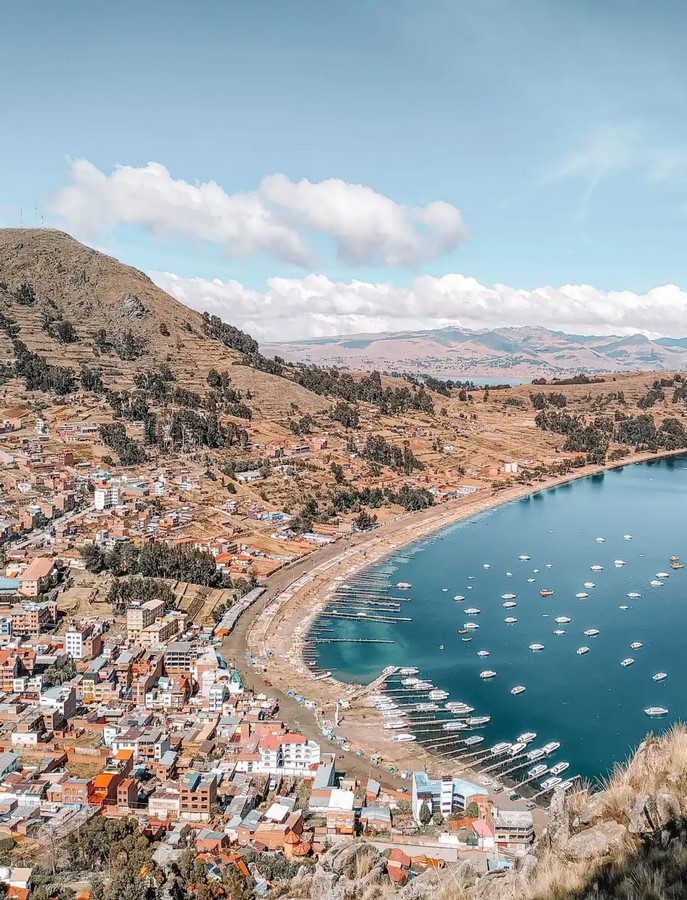
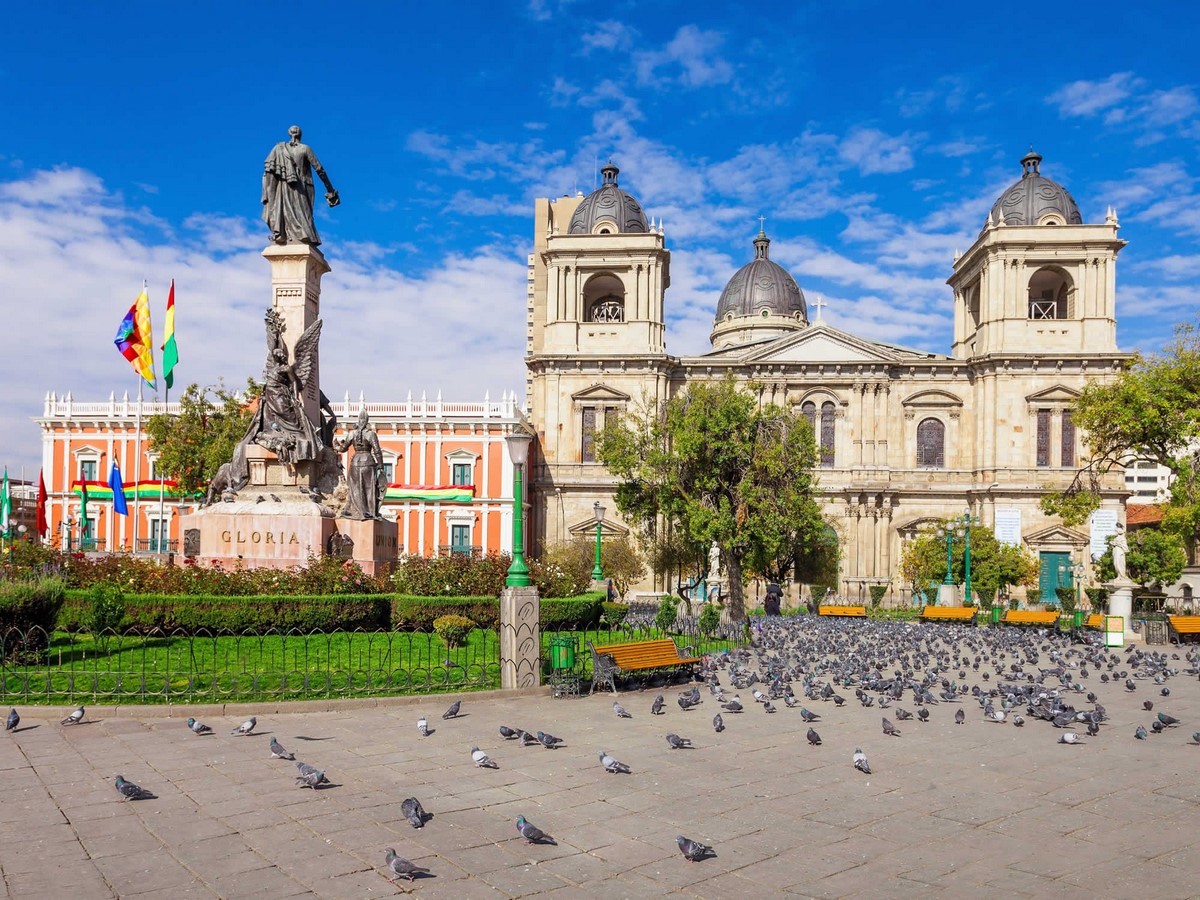
Plaza Murillo, the Heart of Government
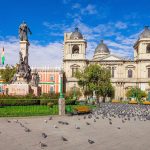
La Paz is renowned for its attractive plazas and public squares, with Plaza Murillo as the most prominent. This bustling plaza serves as a focal point for both citizens and visitors, and it is home to significant government institutions such as the Presidential Palace and the Legislative Assembly. Plaza Murillo features an enthralling blend of architectural styles, including neo-classical, Baroque, and Spanish Colonial influences, making it a must-visit destination for those seeking to immerse themselves in La Paz’s rich heritage.
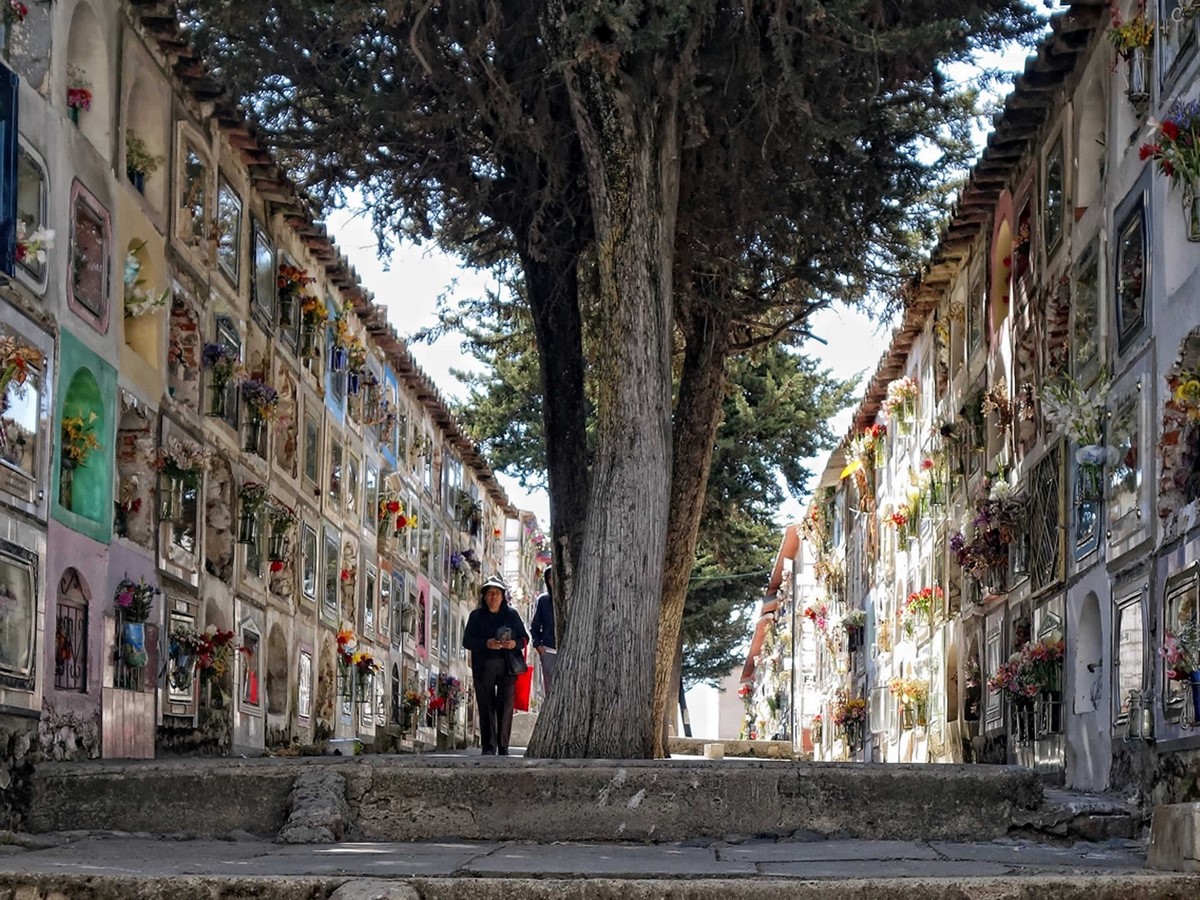
Safeguarding the Legacy
La Paz still displays the scars of Spanish colonization, with architectural influences from Europe and South America. As South America’s oldest settlement, it proudly displays distinct examples of typical Spanish Colonial architecture. Nonetheless, as in many impoverished countries, a significant percentage of structures in La Paz are neglected and abandoned. Numerous historical buildings and landmarks in the city serve as important reminders of Bolivia’s architectural legacy. Recognizing the importance of safeguarding this legacy, efforts are taken to preserve and restore these structures, contributing to the overall conservation of Bolivia’s architectural history.
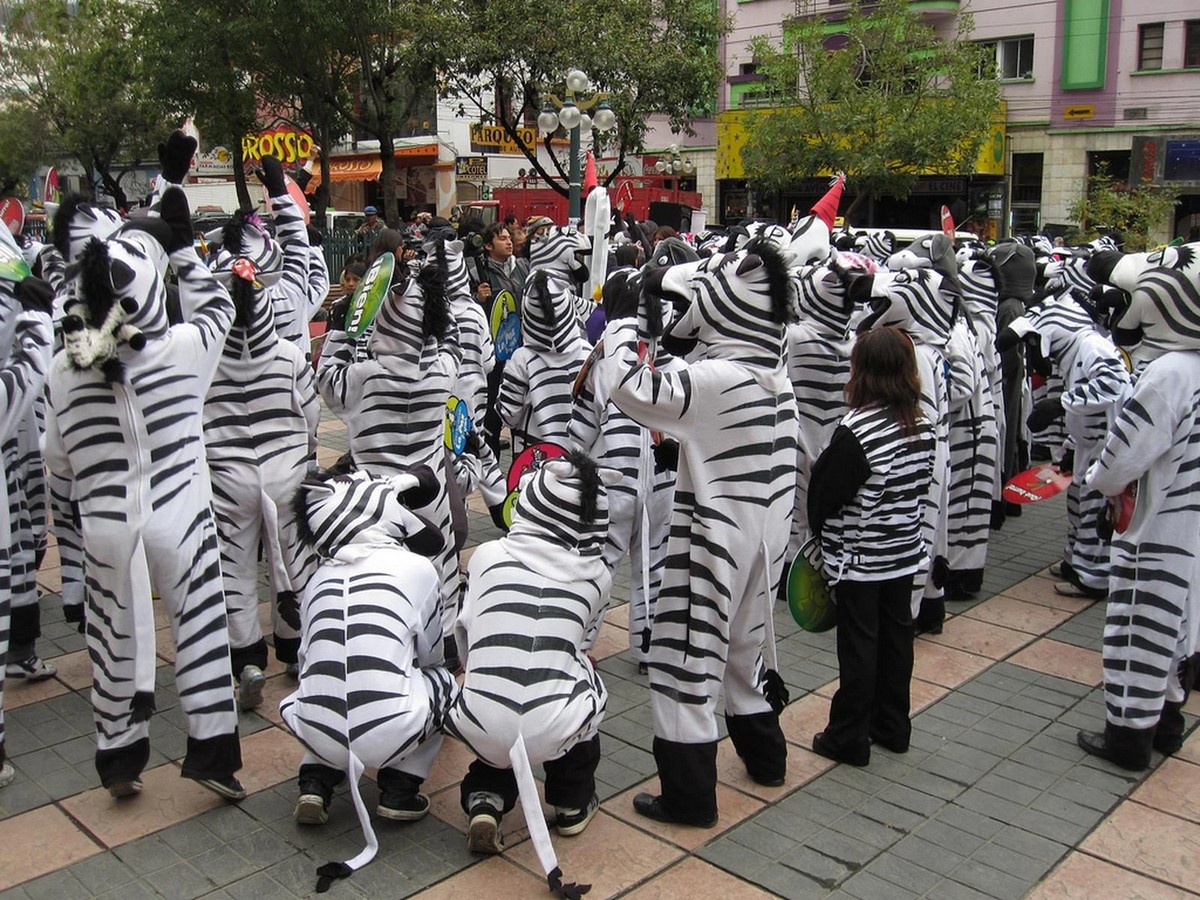
Dancing Zebras: Unique Traffic Control and Social Empowerment
In La Paz, a unique practice called “dancing zebras” is followed to improve pedestrian safety during rush hours. Individuals dressed as zebras act as crossing guards, protecting pedestrians from aggressive traffic in the city. The program began in 2001, intending to create job opportunities for disadvantaged youth. These zebras guide pedestrians at busy intersections, ensuring their safety as they cross the road. Beyond their traffic control duties, the dancing zebras bring a touch of whimsy and creativity to the urban landscape and foster a sense of community among road users.
Witches Market
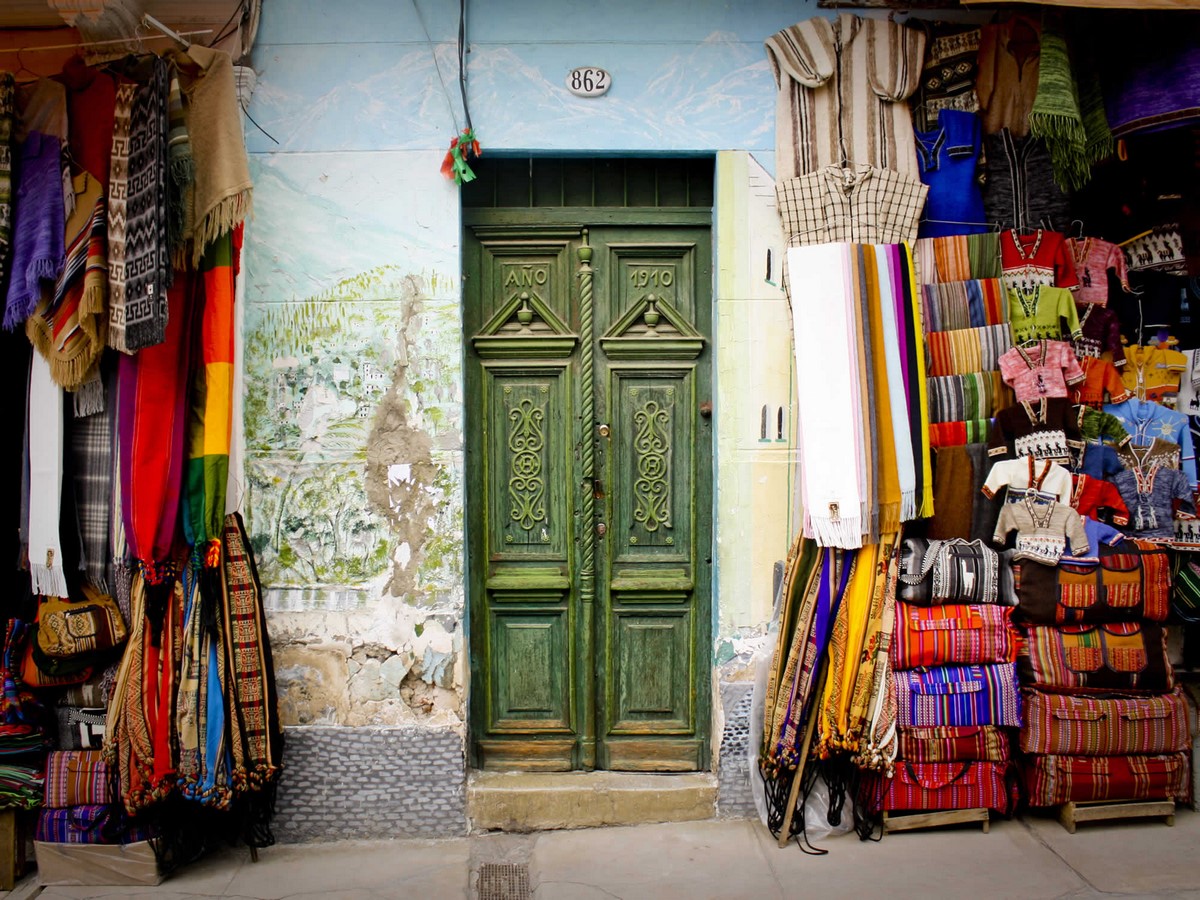
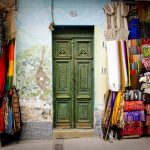
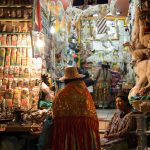
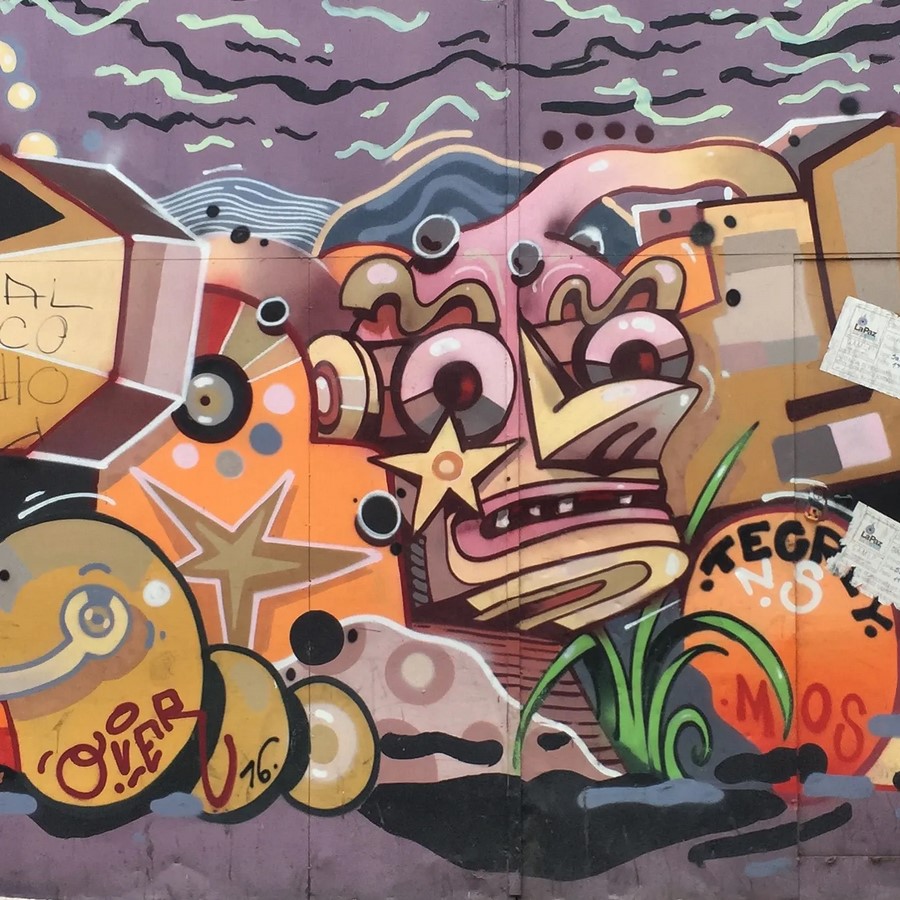
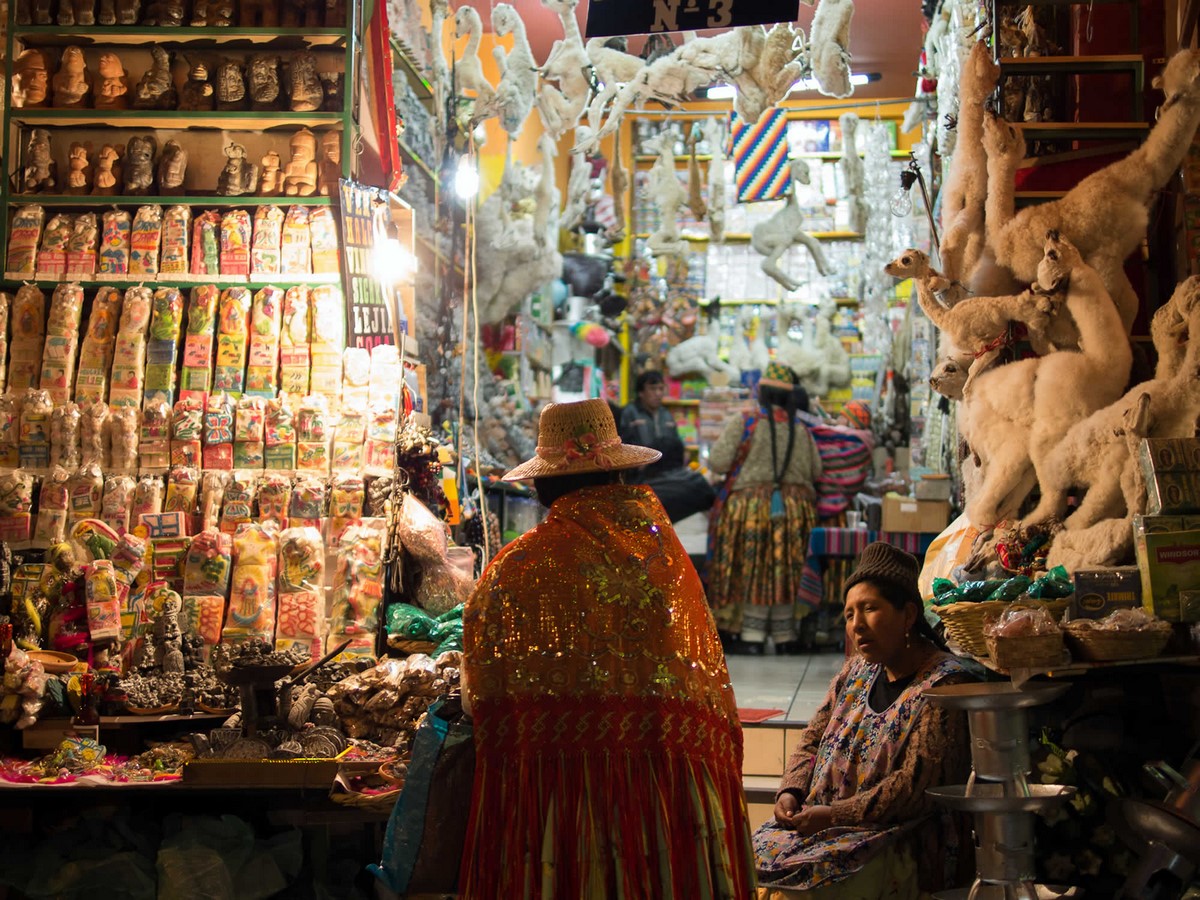
The Witches Market, also known as the Mercado de las Brujas, is a popular sight in downtown La Paz, with three colonial-style streets lined with stores. The Market is a captivating architectural neighborhood in La Paz that enchants visitors with its narrow, winding streets and traditional buildings. Walking through these picturesque streets, one is lured around the colorful facades covered with brilliant works of art, which add to the Market’s delightful aura. Aside from its architectural magnificence, the Market is a well-known tourist attraction, captivating visitors with its rich cultural legacy and a one-of-a-kind assortment of mystical and traditional items for sale. Visitors can find handcrafted clothing, natural fiber and leather products, gold, silver, bronze, and tin souvenirs. Exotic wood ornaments and ancient medicinal plants used in ceremonies are also available at the Market.
Elevating Urban Architecture: The Suspended Elegance of La Paz’s Mi Teleferico
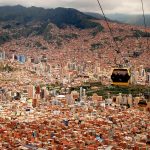
The Mi Teleferico cable car system in La Paz has revolutionized urban transportation in Bolivia, enthralling inhabitants and tourists with its architectural marvels. As the cable cars move effortlessly through the city, they connect its unique architectural elements, providing a captivating aerial view of La Paz’s blend of colonial, modern, and indigenous designs. With their sleek lines, huge glass windows, and modern materials, the cable car stations are remarkable pieces of contemporary architecture and engineering, completely merging into the urban fabric.
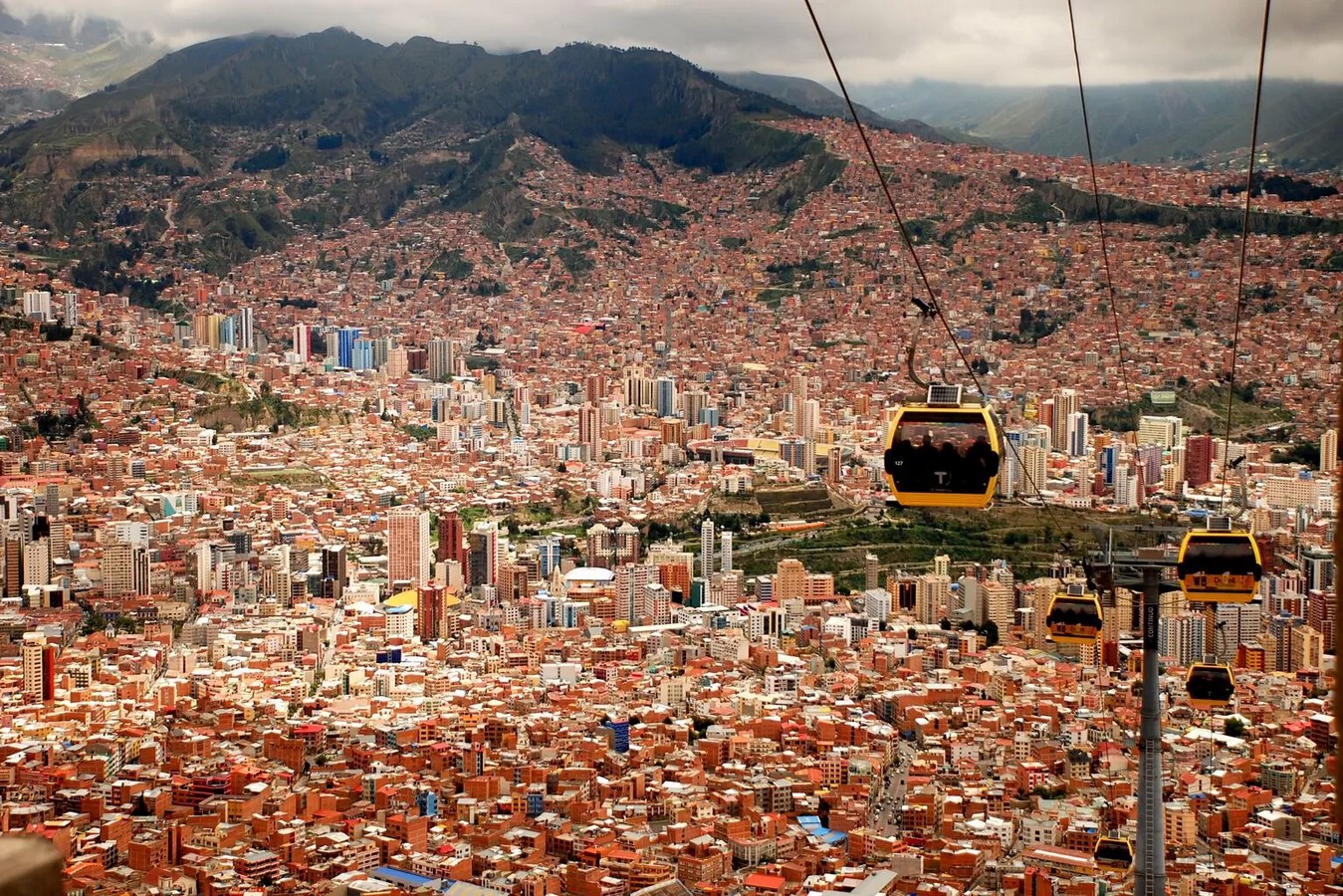
These marvels not only work as efficient transportation hubs, but they also inspire with their elegance and inventive design. It holds several impressive records, like being one of the world’s longest and highest cable car systems. This engineering triumph has revolutionized urban mobility in La Paz, transforming how people navigate the city and showcasing the progressive spirit of its inhabitants. The Mi Teleferico continues to capture and inspire with its blend of functionality, elegance, and spectacular panoramas, establishing its position as one of the world’s most unique public transportation systems.
Conclusion
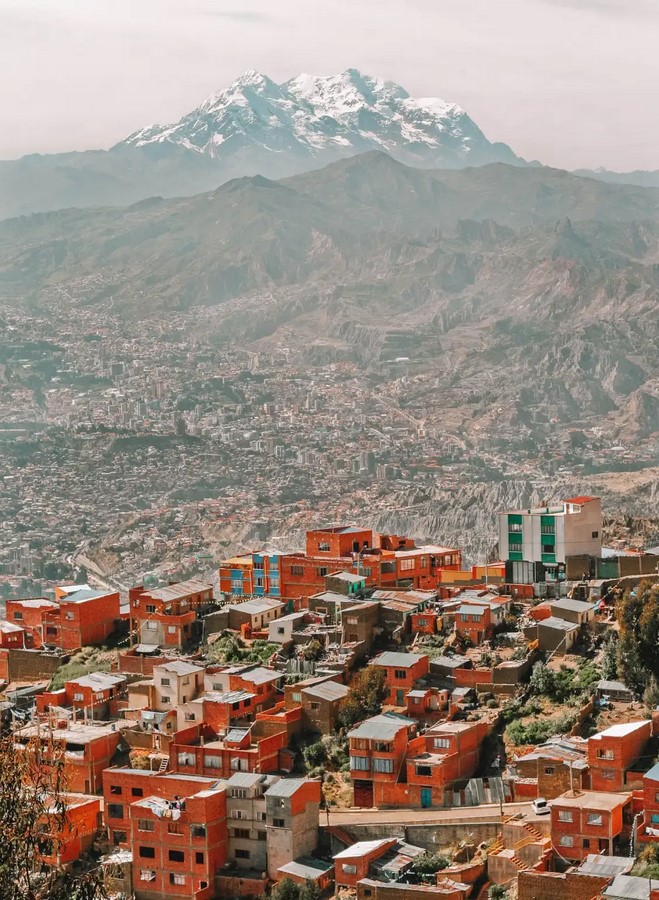
La Paz’s architectural journey showcases the city’s remarkable evolution and modernization throughout the twentieth century, seamlessly blending modernist influences with its rich historical heritage. While the city’s visual development continues to flourish, it is crucial to address pressing urban concerns such as informal settlements and infrastructure upgrades. By embracing innovative architectural practices and prioritizing sustainable urban development, La Paz can strive for a peaceful and prosperous future.
In addition to its architectural transformations, La Paz boasts a vibrant cultural scene, with museums, art galleries, theaters, and a multitude of cultural events serving as essential venues for artistic expression, cultural exchange, and the celebration of Bolivia’s diverse legacy. Through ongoing modernization efforts, La Paz has a unique opportunity to further enhance its cultural offerings, attracting visitors from around the world and fostering social cohesion and unity throughout the country.
Harvard Citation Style Guidelines
- Lenberg, T. (2022) La Paz: The highest city in the world, Discovery Com. Available at: https://www.discovery.com/exploration/la-paz-pictures#:~:text=At%20more%20than%2012% 2000%20 feet,the%20highest%20city%20on%20earth. (Accessed: 03 July 2023).
- Thirdeyemom (2018) The architecture of La Paz, Thirdeyemom. Available at: https://thirdeyemom.com/2015/01/26/the-architecture-of-la-paz/ (Accessed: 10 July 2023).
- Ketchum, A.S. (2023) 25 unusual & unmissable things to do in La Paz, Bolivia, Worldly Adventurer. Available at: https://worldlyadventurer.com/things-to-do-in-la-paz-bolivia/ (Accessed: 10 July 2023).
- Houston, T.-U. of (2019) What to wear in Bolivia (outfit Guide & Fashion Tips), College Fashion. Available at: https://www.collegefashion.net/inspiration/what-wear-bolivia/ (Accessed: 14 July 2023).
- BoliviaTravelSite Witches’ market, La Paz, BoliviaTravelSite. Available at: https://boliviatravelsite.com/tourist-attractions/la-paz/witches-market (Accessed: 11 July 2023).
- Kosaras, G. (2019) La Paz tourist attractions and Tours, La Paz Tourist Attractions and Tours. Available at: https://boliviatravelsite.com/la-paz (Accessed: 11 July 2023).
- Bolivia Travel Site Cathedral and plaza murillo, La Paz, BoliviaTravelSite. Available at: https://boliviatravelsite.com/tourist-attractions/la-paz/cathedral-and-plaza-murillo (Accessed: 09 July 2023).
- Bolivia Travel Site La Paz Cemetery, la paz, BoliviaTravelSite. Available at: https://boliviatravelsite.com/tourist-attractions/la-paz/la-paz-cemetery (Accessed: 10 July 2023).
- Stewart, H. (2017) In Bolivia, Zebras direct the city traffic, Culture Trip. Available at: https://theculturetrip.com/south-america/bolivia/articles/in-bolivia-zebras-direct-the-city-traffic/ (Accessed: 11 July 2023).
- Johanson, M. (2019) How to awaken your 5 senses in La Paz, Lonely Planet. Available at: https://www.lonelyplanet.com/articles/awaken-5-senses-la-paz (Accessed: 12 July 2023).
- KWPisME (2018) The street art of La Paz, Bolivia, The Daily Write. Available at: https://thedailywrite.net/the-street-art-of-la-paz-bolivia/ (Accessed: 11 July 2023).
- Bolivia Travel Site (no date a) Calle Jaen, La Paz, BoliviaTravelSite. Available at: https://boliviatravelsite.com/tourist-attractions/la-paz/calle-jaen (Accessed: 12 July 2023).
- Yaya (2023) 10 best places in Bolivia to visit, Hand Luggage Only. Available at: https://handluggageonly.co.uk/2017/10/07/10-amazing-places-need-see-bolivia/ (Accessed: 12 July 2023).