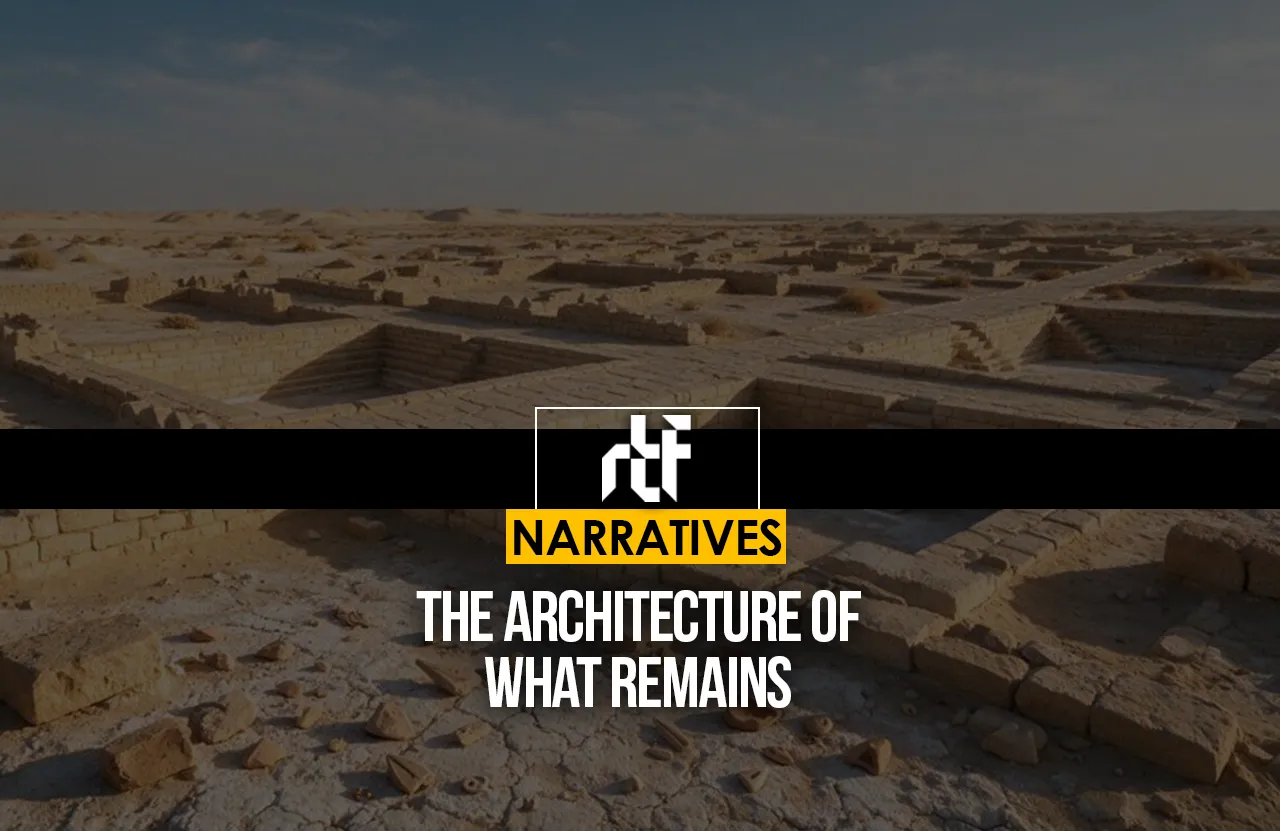
A city may lose its people, its purpose and even its place in history, yet parts of it can remain standing for centuries. An abandoned house, a ruined marketplace or an ancient water reservoir may seem like little more than fragments of the past. Look closer, and they begin to reveal how people lived, what they valued and how their surroundings changed over time. For Architecture and Design, these remains offer lessons from the past that can inform how buildings and cities are planned, used and preserved today. They also invite us to consider what future generations might learn from the spaces we leave behind.
Understanding a City Through Its Remains
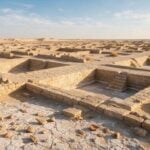
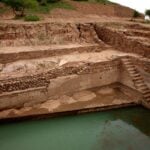
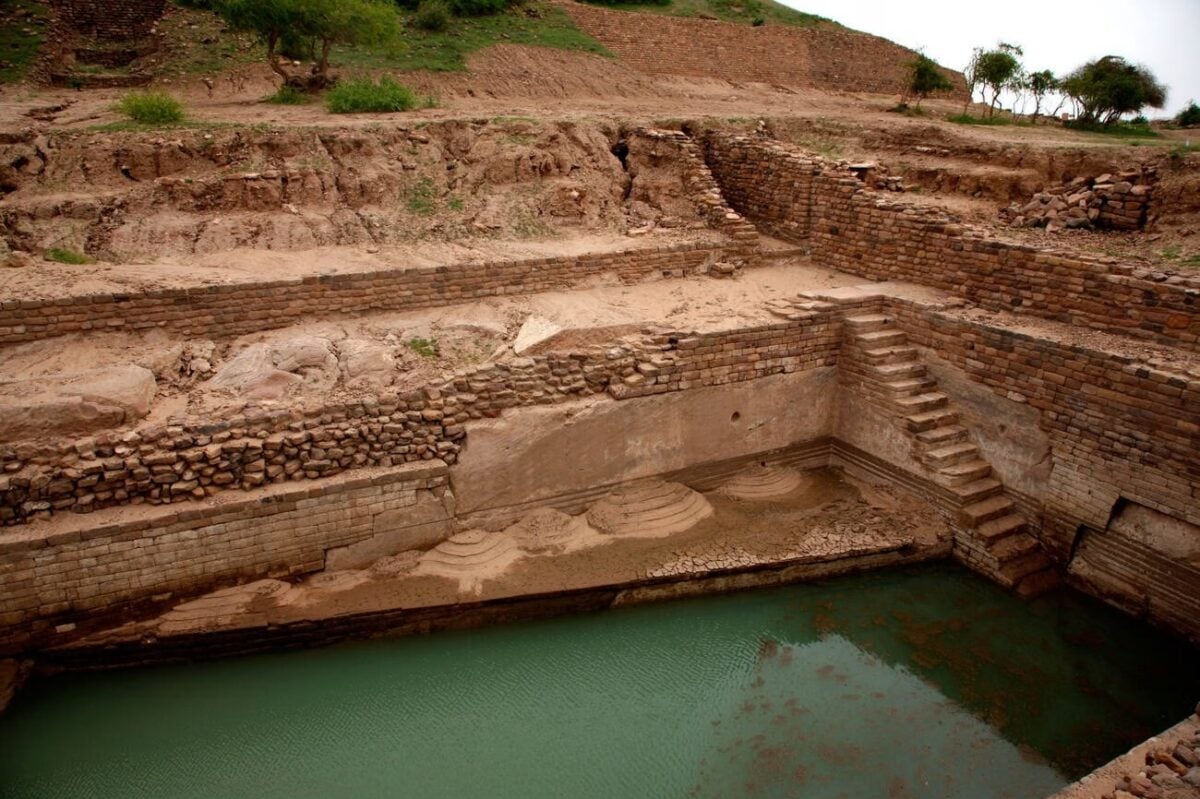
At Dholavira, on Khadir Island in Gujarat’s Kachchh region, the remains of a Harappan settlement reveal how closely the planning of a city was connected to its environment. Occupied between approximately 3000 and 1500 BCE, the settlement developed in an arid region where managing water was essential. Excavations have revealed fortified areas, streets, housing, workshops and an extensive system of reservoirs. Two seasonal streams supplied water to the city, while reservoirs and drainage channels helped collect and store it (UNESCO World Heritage Centre, 2021)
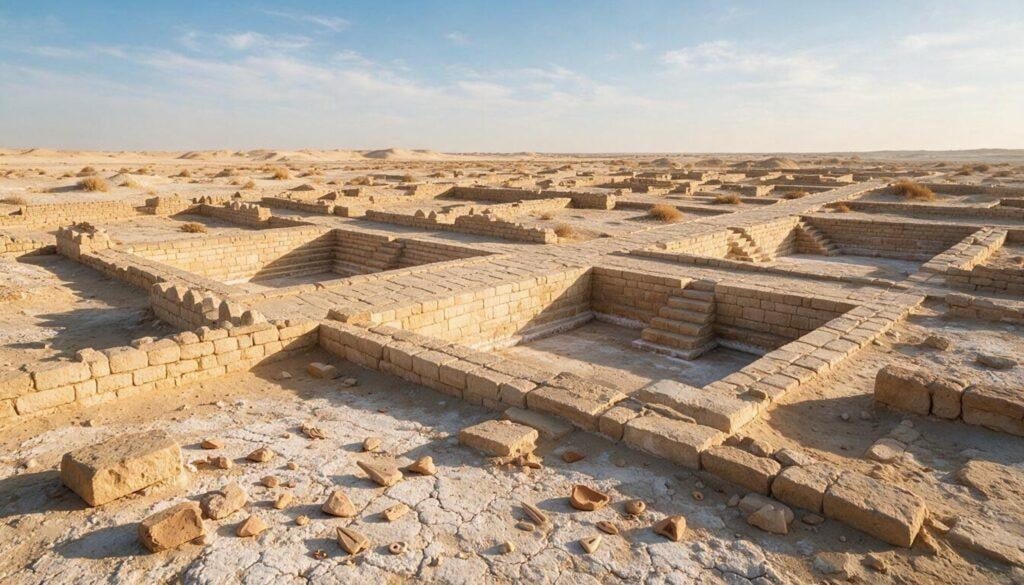
The water infrastructure is particularly interesting because it reveals the effort required to sustain the settlement. The reservoirs were planned as part of the city, showing how much attention was given to collecting and storing water. The arrangement of residential and fortified areas suggests how the settlement was organised, while workshops associated with bead-making indicate specialised production and trading activities. Although the personal experiences of Dholavira’s inhabitants are largely unknown, the surviving structures provide evidence of their occupations, resources and ways of organising urban life.
But there is a limit to what these remains can explain. Archaeologists can study how Dholavira developed and how its layout changed over time, yet the reasons for its eventual decline are more difficult to establish. Environmental changes have been investigated as possible contributing factors, but it would be misleading to attribute the city’s abandonment to a single cause. Understanding its decline requires archaeological evidence to be considered alongside environmental research and the wider history of the Harappan civilisation. A collapsed wall might have deteriorated over time, failed structurally or been deliberately destroyed. Architecture and Design can help examine physical evidence, but some questions require information that the buildings themselves cannot provide.
A City That Never Entirely Disappeared
Hampi presents a different situation. Located in Karnataka, it was the capital of the Vijayanagara Empire and developed into an important political, religious and commercial centre between the fourteenth and sixteenth centuries. Its surviving temples, marketplaces, royal complexes, gateways and water structures reveal the scale of the former capital. Temple complexes were connected to streets and market areas, while royal and defensive structures occupied other parts of the settlement (Fritz and Michell, 1987).
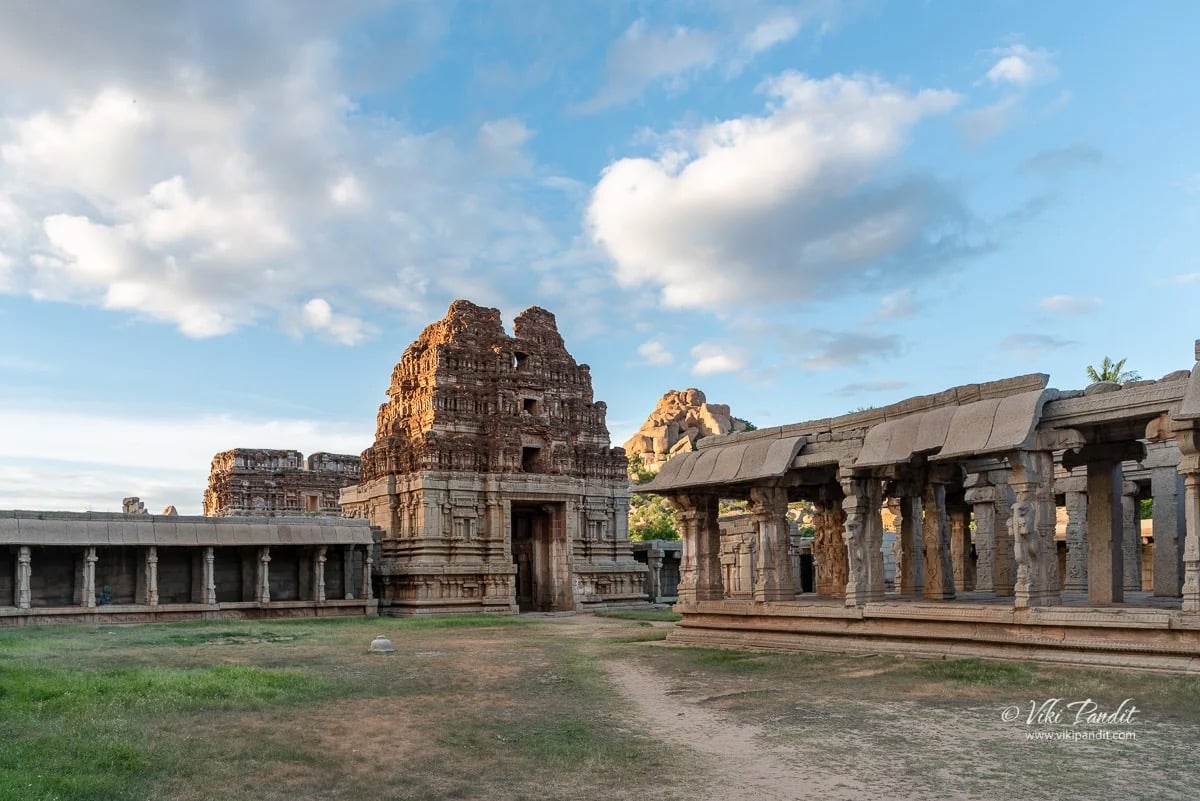
Following the Battle of Talikota in 1565, Hampi suffered extensive destruction, and much of the capital was abandoned. Yet the city did not lose every part of its earlier life. The Virupaksha Temple continues to function as a place of worship, and the surrounding area remains associated with pilgrimage, festivals and agriculture. Some structures are now archaeological remains, while others continue to accommodate activities connected to their original purpose. Hampi shows that a ruined city does not necessarily become an empty one. Different periods of occupation and use can remain visible within the same place.
This ongoing relationship between people and buildings also complicates conservation. Shops, roads, and visitor facilities have developed around parts of the historic settlement. Some meet the needs of residents and pilgrims, while others place pressure on archaeological structures. UNESCO identifies changes in land use, new construction, and tourism-related development as concerns affecting the site. A temple that remains in use may require repairs or additions over time. Such changes can affect historic material, but may also be necessary for the building to continue functioning. For Architecture and Design, Hampi raises a question about how preservation can accommodate everyday use.
When Houses Are Left Behind
The changes in the Sidhpur area of Gujarat are more gradual. In comparison to the ruins of Dholavira and Hampi, which relate to ancient settlements and political changes, Sidhpur shows how a building can gradually fall out of use as people move away. The Bohrawad areas of Sidhpur contain houses that belong to the Dawoodi Bohra community. Many of these are known for having attractive exterior facades, balconies, and woodwork, and are arranged densely along the streets. However, some of these have been abandoned or are used less frequently due to migration, and parts of the area have deteriorated (Yasmoon and Rahbarianyazd, 2023).
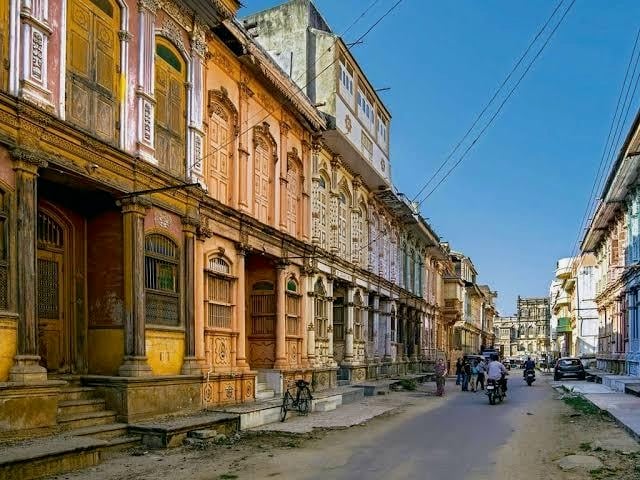
One architectural detail worth examining is the otla, a raised platform adjoining a house’s entrance. This area is the space between the house and the street where household activities typically occur. Research has shown that many instances of these areas being enclosed or modified exist. Whilst these changes may seem small compared to the complete destruction of a city, they can reveal a shift in the relationship between the house and its surroundings. This can result in the house retaining its facades and balconies but with fewer associated activities.
Ownership complicates conservation. There can also be issues for families who may have migrated, leaving them responsible for maintaining the property. Older properties can also pose practical issues in current times. Different expectations can arise from owners, local authorities, and other stakeholders (Yasmoon and Rahbarianyazd, 2023). This raises questions about who owns the property, whether it will continue to be used, and its architectural significance. In Architecture and Design, examples of change can be seen, such as changes to the entrance (Sidhpur).
What Will Today’s Buildings Reveal?
The differences between these places are worth considering. Dholavira provides evidence of how an ancient settlement managed its resources. Hampi shows how a city can experience destruction while certain activities continue within its historic structures. Sidhpur reveals how buildings can remain standing even as the people and routines associated with them gradually change. What might present-day buildings reveal centuries from now? Large housing developments could provide evidence of changing household arrangements and urban growth. Commercial buildings might reveal the materials and technologies that were important at the time. Roads and drainage systems could help explain how cities managed transport, water and energy.
Future generations may face the same difficulties encountered when studying older settlements. A building’s physical form cannot fully explain who lived there, who was excluded or why particular decisions were made. A gated housing complex, for example, might provide evidence of controlled access and shared facilities, but understanding the social circumstances behind its construction would require more information. Architecture and design are influenced by economic decisions, regulations, cultural expectations and everyday habits, many of which may not remain visible in the physical structure. Drawings, photographs, construction records and accounts of later alterations can help preserve some of this missing context.
The Stories Left Behind
The most obvious features of a ruin would be the collapsed columns, visible footings and weathered facades. However, looking at less obvious details can tell us a lot. For example, looking at a drainage ditch can tell us how the settlement handled water. Looking at a market street can tell us about the link between trade and religion. Looking at an altered otla can tell us about how domestic life and the relationship between the house and the street have changed. This also indicates that we need to be careful when interpreting ruins. The physical evidence can tell us a lot; however, it does not tell us everything.
Perhaps the greatest loss occurs when a building disappears without any record of the life it once accommodated. Its form may sometimes be reconstructed, and its materials replaced. The ordinary activities, relationships and experiences that gave those spaces meaning are much harder to recover.
References:
Fritz, J.M. and Michell, G. (1987) ‘Interpreting the plan of a medieval Hindu capital, Vijayanagara’, World Archaeology, 19(1), pp. 105–129. Available at: https://doi.org/10.1080/00438243.1987.9980027 (Accessed: 27 October 2026).
UNESCO World Heritage Centre (2021) Dholavira: a Harappan City. Available at: https://whc.unesco.org/en/list/1645/ (Accessed: 27 October 2026).
Yasmoon, Z. and Rahbarianyazd, R. (2023) ‘A discourse on how abandoned heritage can be valued: A case of Sidhpur’, Khulna University Studies, 20(2), pp. 222–231. Available at: https://www.researchgate.net/publication/374129577_A_DISCOURSE_ON_HOW_ABONDONED_HERITAGE_CAN_BE_VALUED-_A_CASE_OF_SIDHPUR (Accessed: 27 October 2026).