Ed Sheeran, in describing the beauty of a photograph, sang, “We keep this love in a photograph… where our eyes are never closing, hearts are never broken, times forever frozen still.” Just like a photograph, Architecture from each time period is a frozen image of the memories, failures, strengths, priorities, beliefs, lifestyle and an embodiment of the culture of the time. Every structure, every building is a ‘photograph’ in a large album of history, telling the stories and locking up the memories of the time.
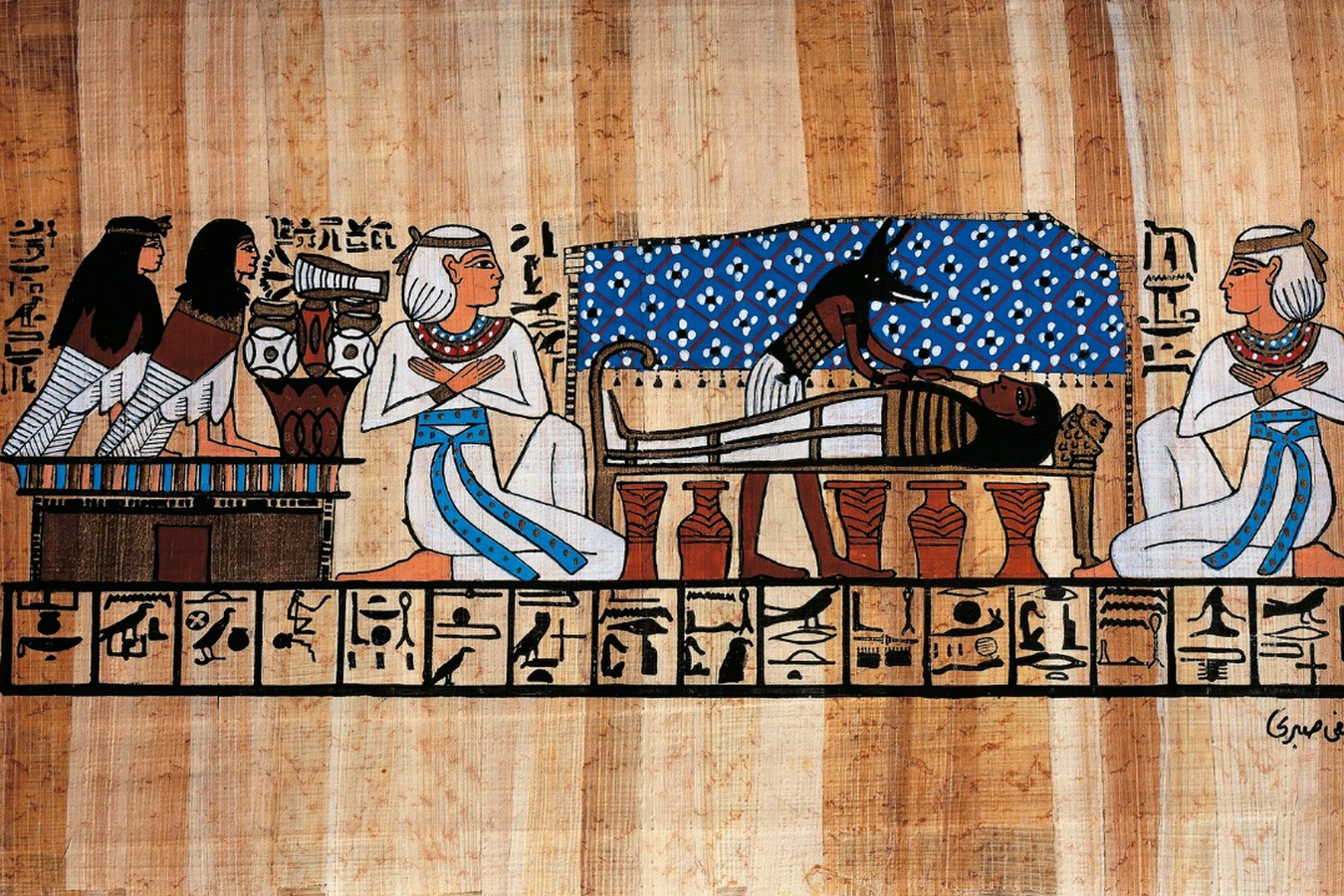
A Trip to the Ancient World
The architecture of the ancient world includes the architecture of the great world powers, Egypt, Greece and Rome. The architecture of Egypt was a reflection of the core cultural values and social structure. It expressed the love for power, the religious beliefs and civic identity.
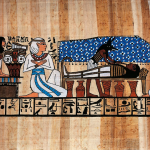
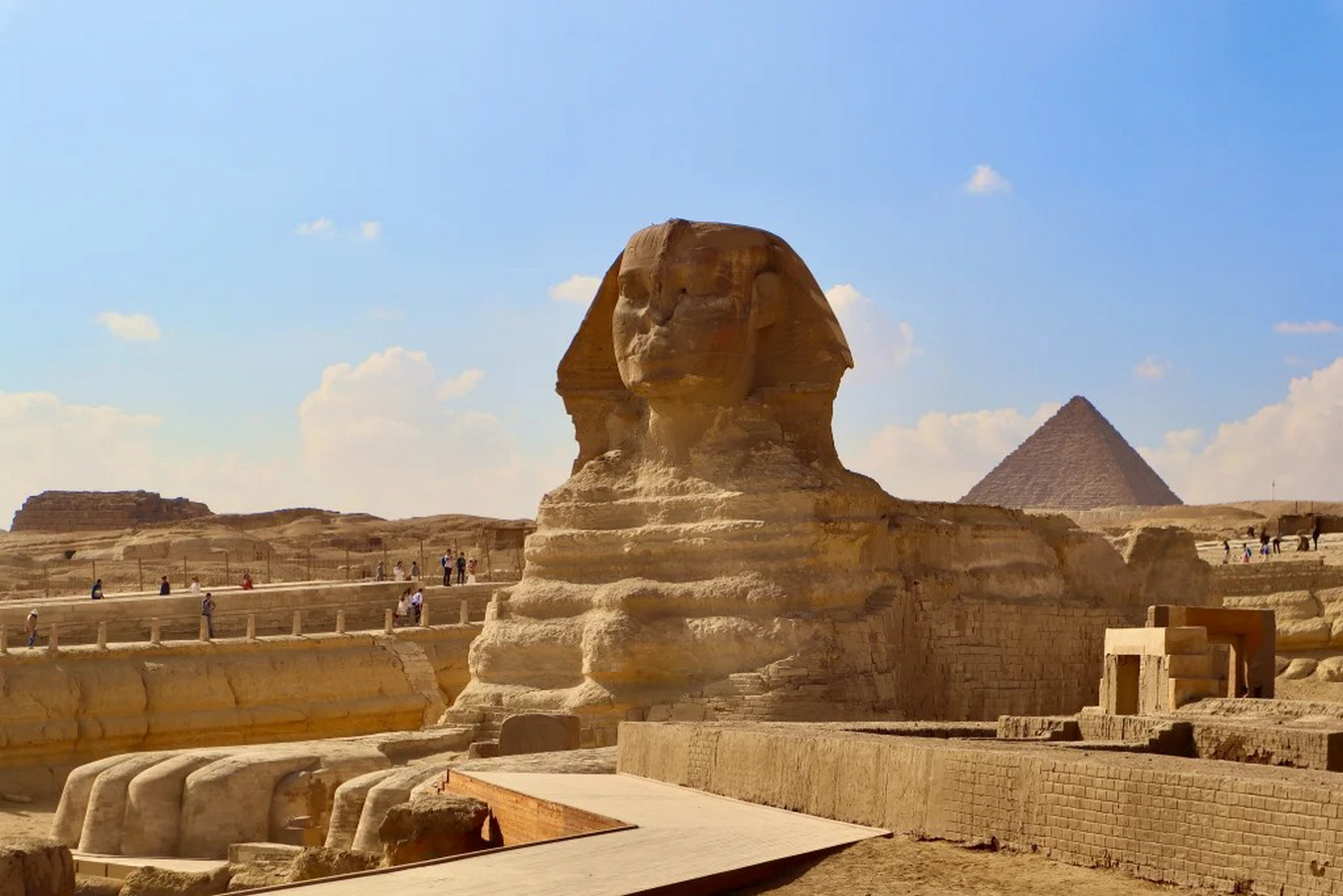
The Egyptians saw Pharaoh as a god and king backed by the belief in an afterlife. The architecture became greatly influenced and inspired to build the pyramids. These structures have become a stamp on the world, of the priority and preparations made for the afterlife of the Pharaoh. .
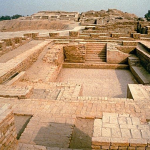
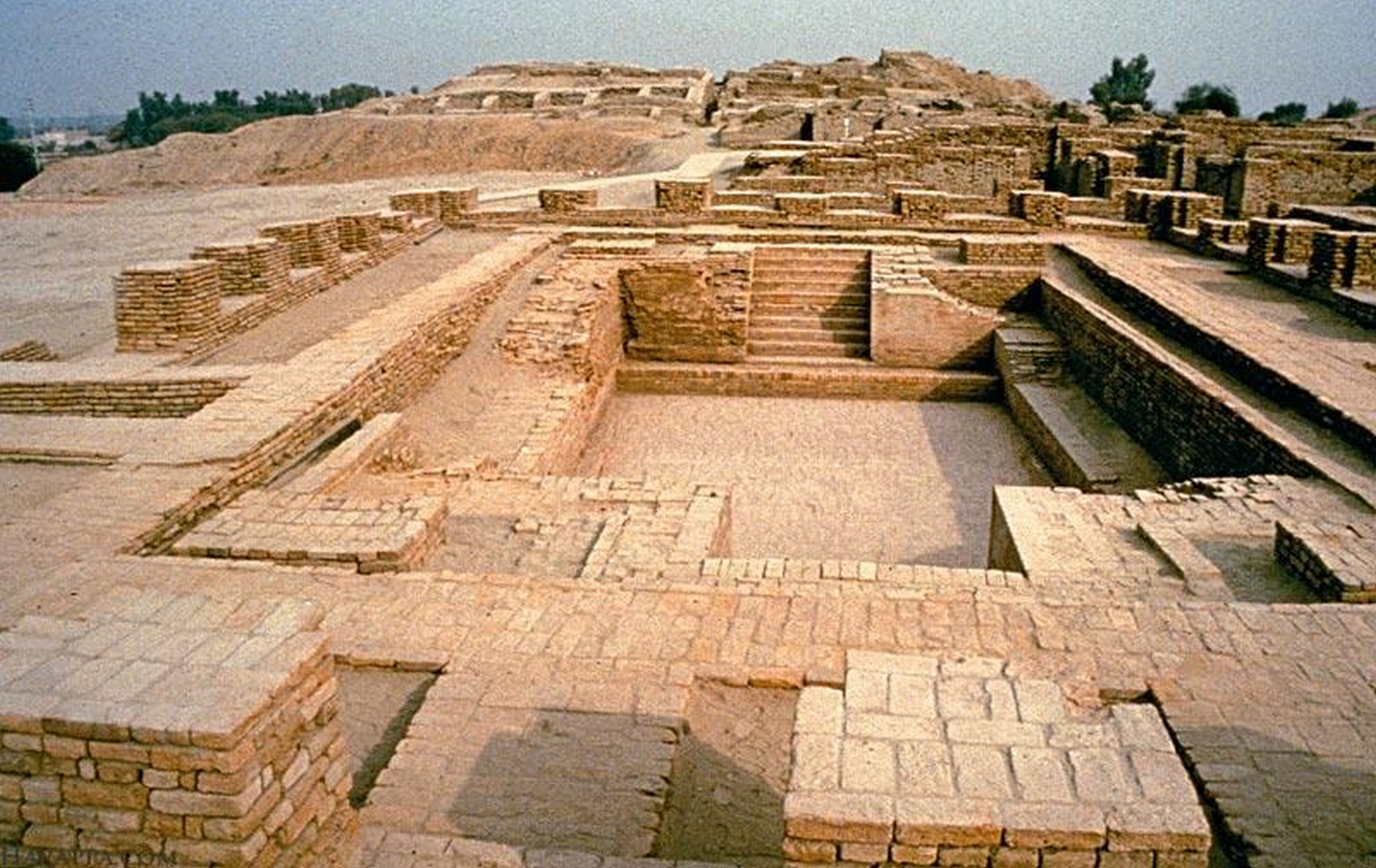
The ancient Mesopotamia architecture isn’t far from this. The Greeks and Romans, in addition to building temples to accommodate the multi-deity beliefs, also had structures with communal baths that were meant for the public. This reflected the priority put on public rituals and this didn’t just lead to the construction of public baths but also the development of very elaborate drainage systems to solve the problems of having communal baths.
A Shift From Many to One
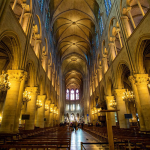
In the medieval age, the culture was directly reflecting a world dominated by the church. Similar to the ancient world, the priority on honouring a deity remained, but different in that while the ancient world venerated kings( with pyramids) and multiple Gods(Parthenon and Pantheon), this period believed in one sovereign God. Reverence for the One and Sovereign God was taken very seriously. This can be seen in the attention paid to the design and construction of cathedrals and monasteries. The cathedrals were built to always evoke awe and reverence from all who enter.
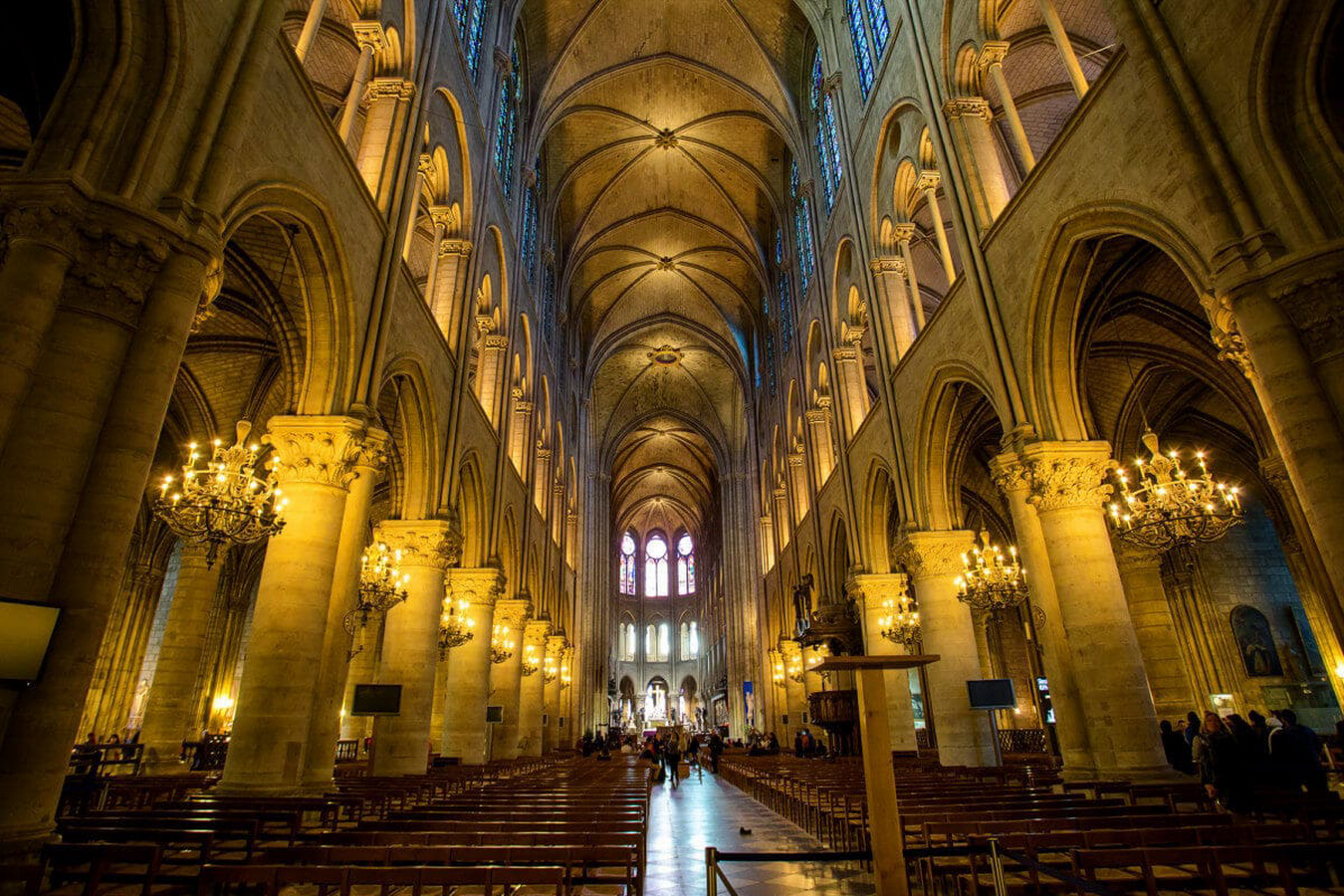
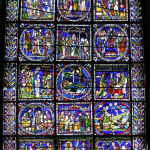
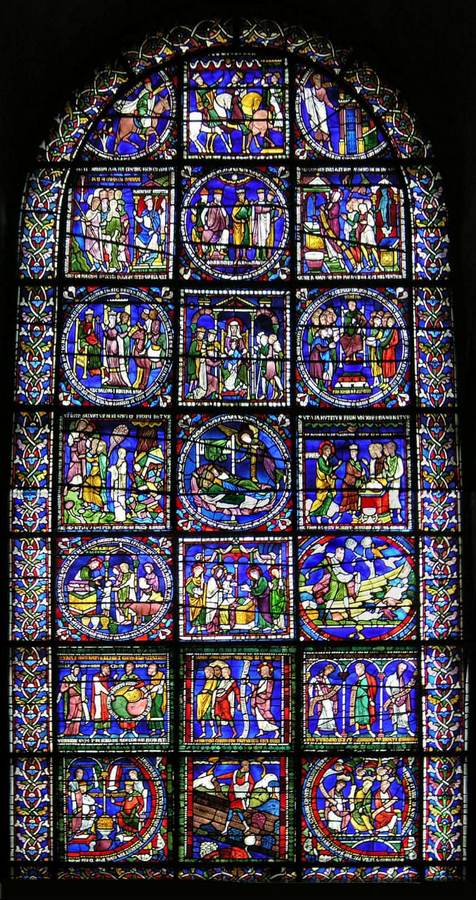
Because the vast majority was also illiterate, the architectural style employed a lot of visual representations in the making of stained glass windows, sculptures and mosaics. Popularly called “the poor man’s Bible”. This was used to narrate important bible stories and the stories of important saints.
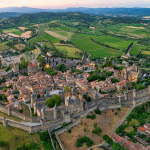
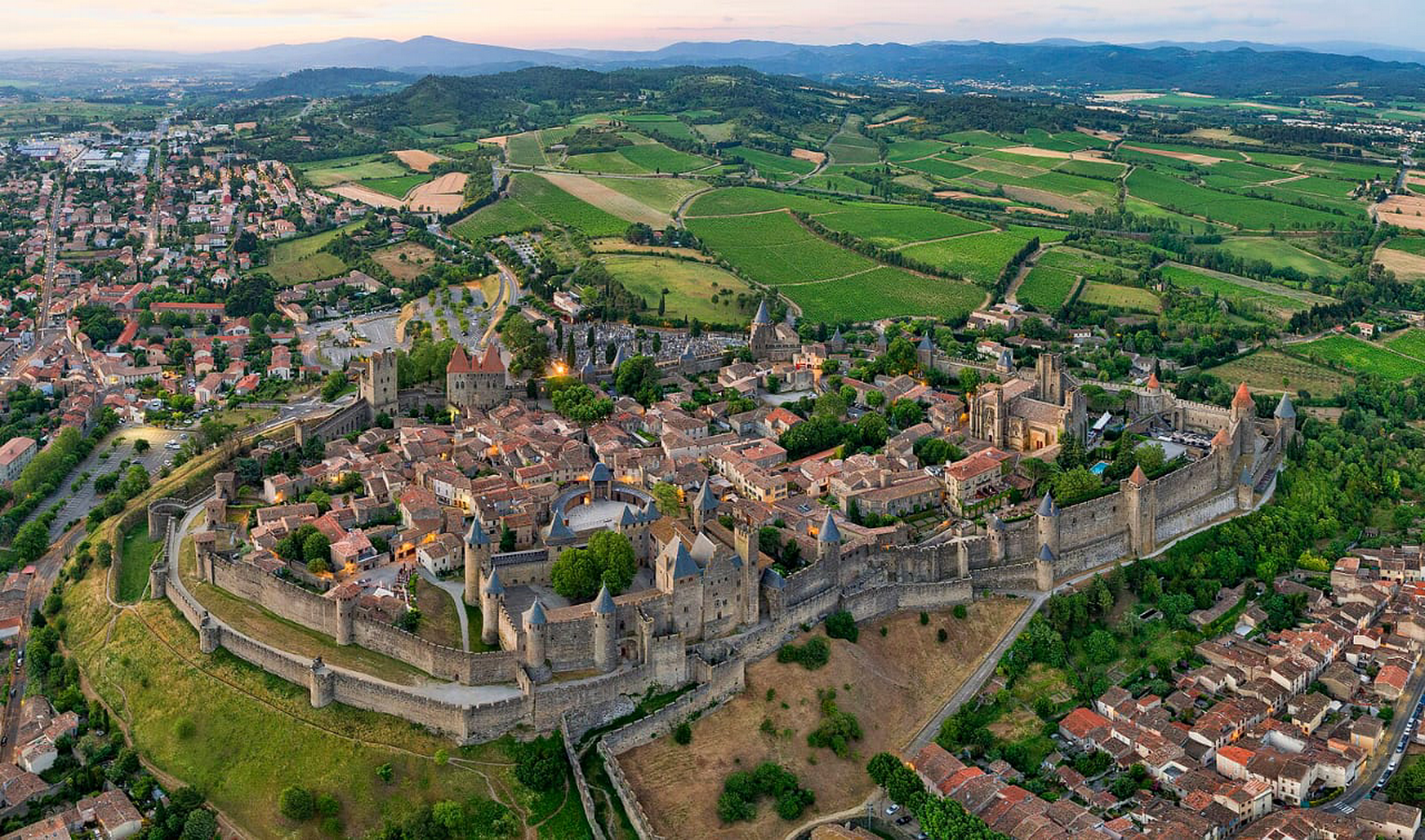
The architecture features, high volumes, spires and large windows were also the designers’ way of pushing the public to always feel like they were closer to heaven by being in these buildings. It was aimed to inspire awe and a sense of divine presence. Also, the political climate at the time is seen from the way the cities were built within defensive walls and fortified structures.
Good Times and Elaborate Tastes
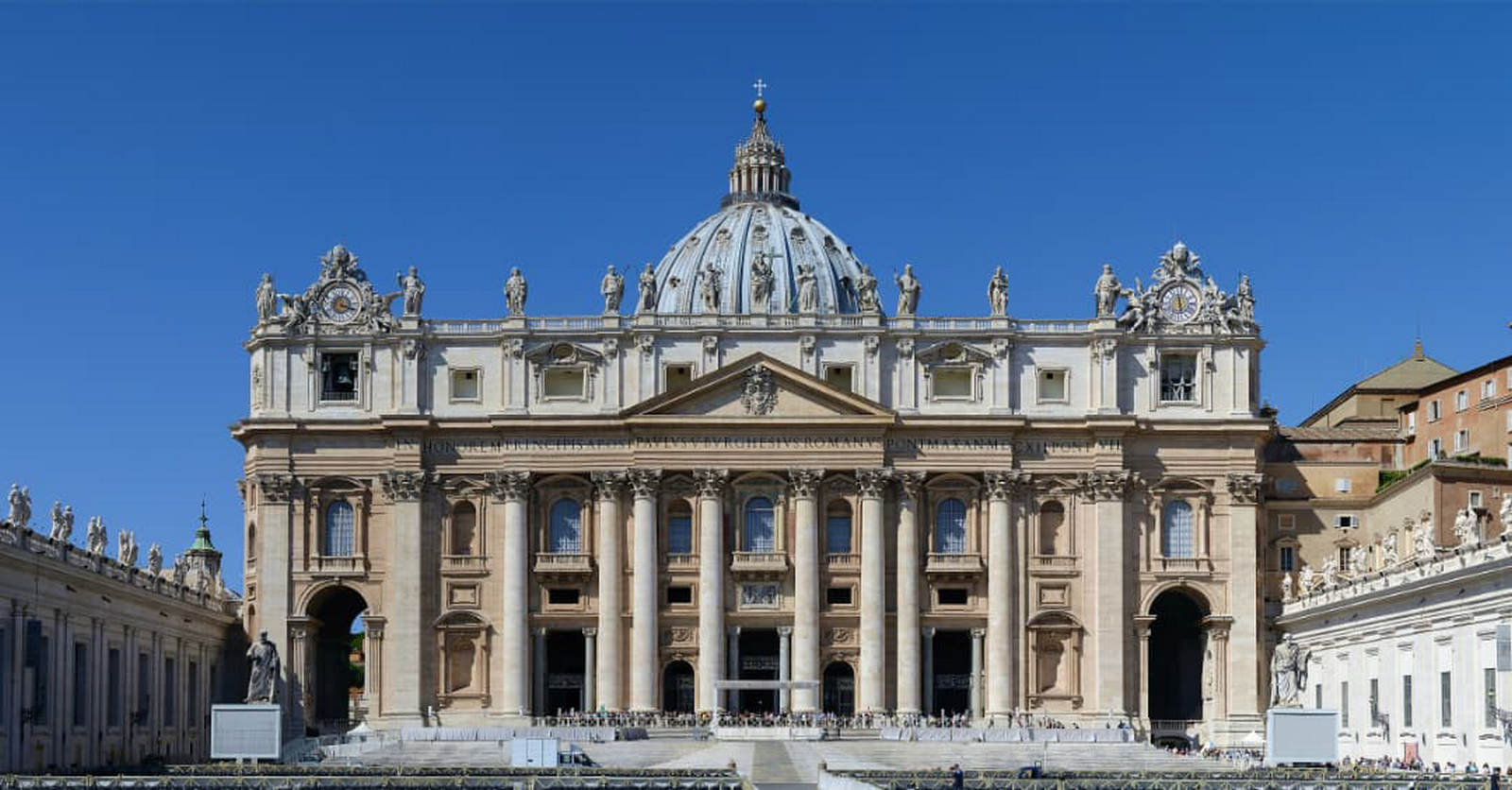
The economy during the Renaissance had begun to flourish, and the effect is seen in how class stratification had begun to grow. A growing desire to display power and class led to revivals of some ancient world ideologies. These buildings show a blend of the old styles with new and more recent technology. Seen in the cleanness that the cathedrals and buildings of this time had, as compared to the aesthetics and elaborate style of the previous period.
Power Shifts: Monarchs and Urban Planning
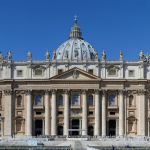
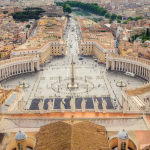
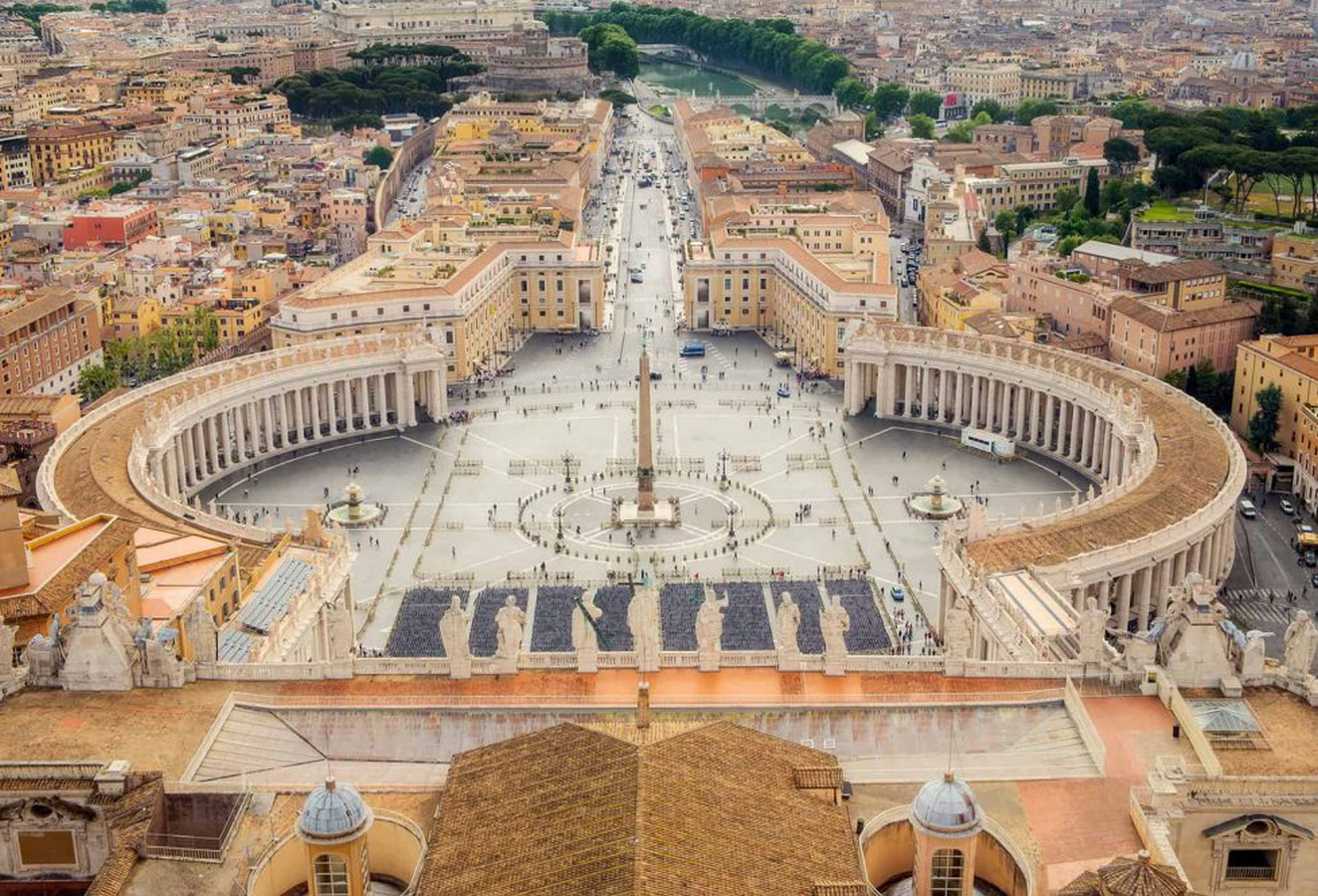
The baroque era began the move from a society dominated by the Church to a society where Monarchs gained prominence. The culture and leaders began to prioritize town planning as seen in the street designs with avenues, large squares, and public spaces like fountains. Also still quite dominated by the forces of the church, it also saw the rise of monarchs, seen in the palaces that were built.
The Industrial Revolution Boom
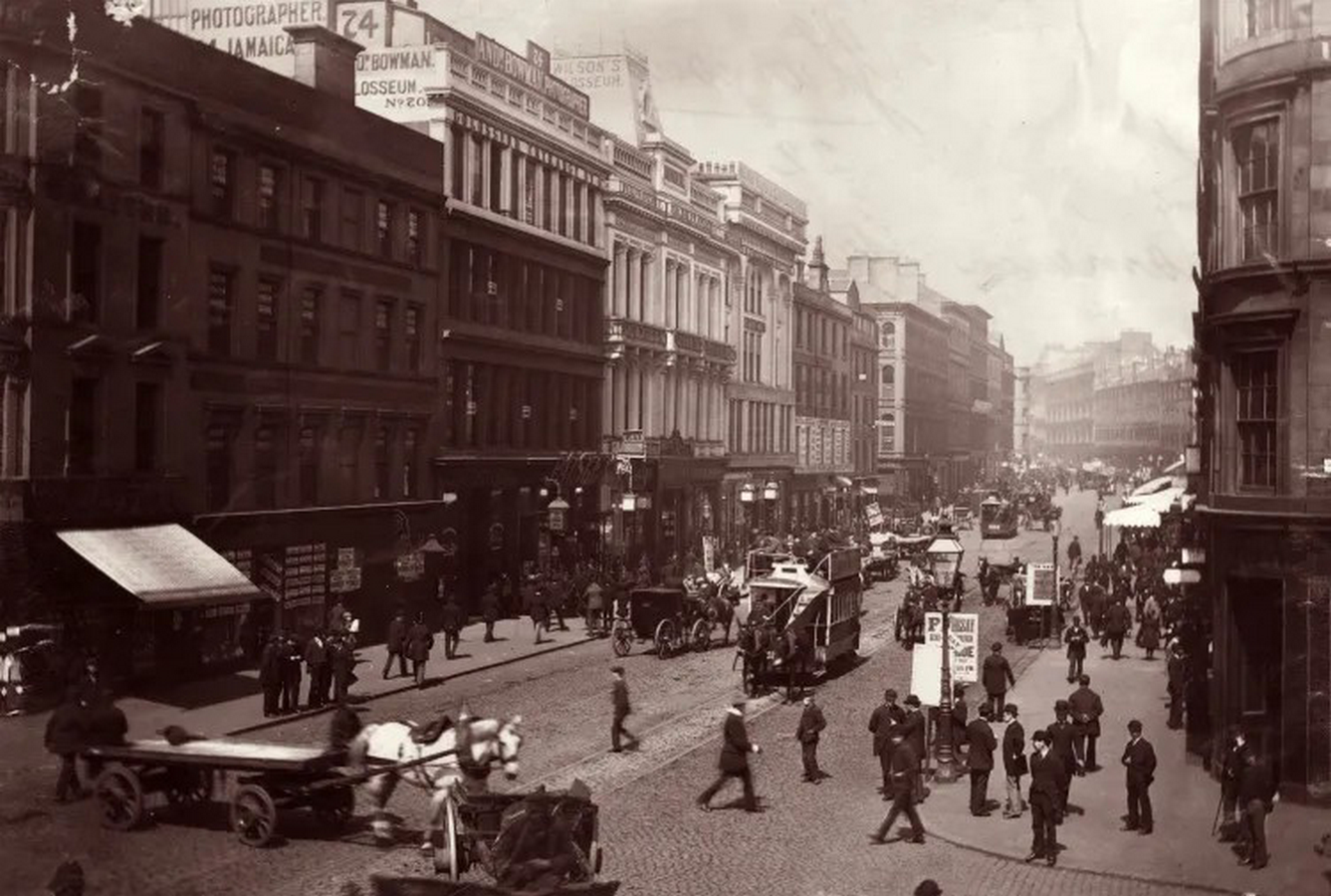
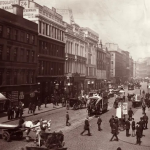
The Industrial Revolution brought a greater shift in the economic climate and led to new economic classes. The occupation of the society had changed and allowed for better living. The need for dwellings for the masses began to soar. And for the first time in history, the architecture wasn’t for the elites or a deity or king. But the focus became public housing. The population boomed rapidly, leading to a rapid increase in population. New materials emerged, building codes were developed to meet the needs of the continuously increasing population, functionality is embraced over elaborate design.
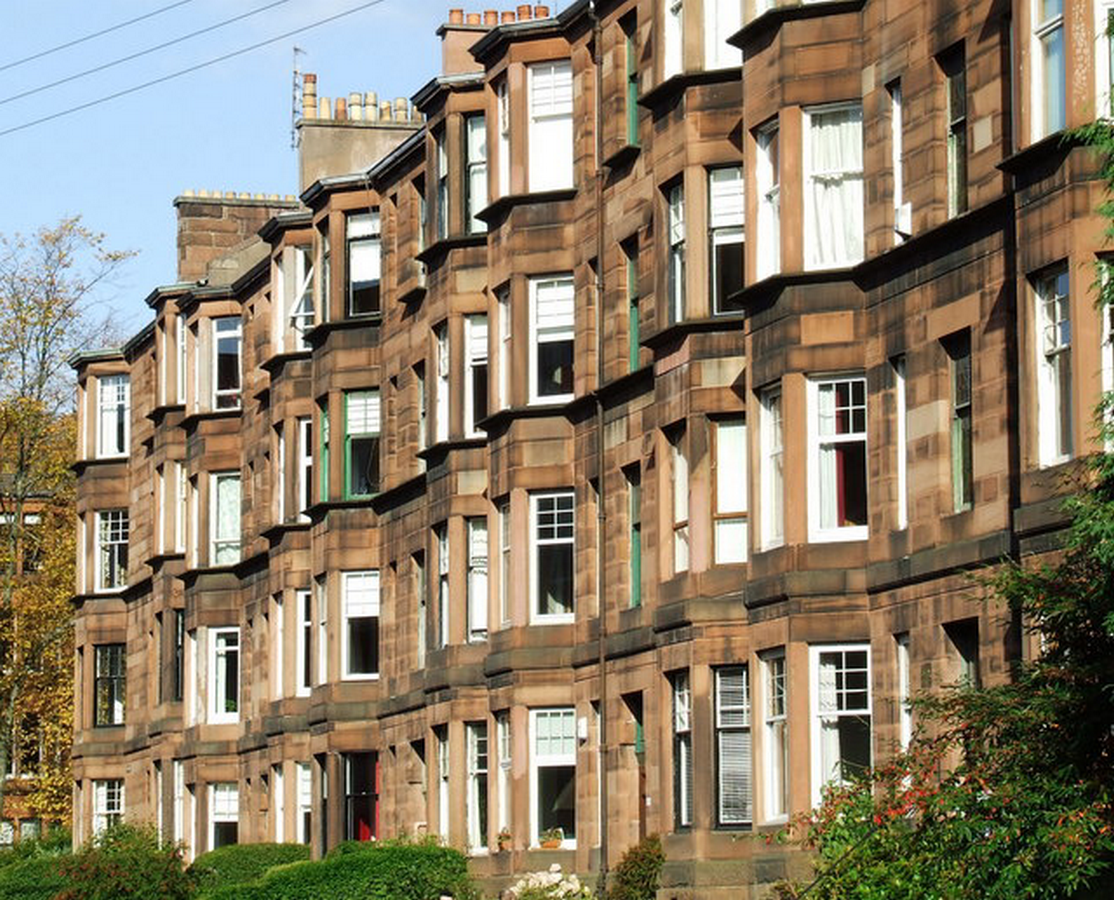
The priority was a more rational approach to construction and architecture. So many housing forms, row housing and tenements came from this era. They are a frozen image of the solutions that were created for the problems of the time.
La Sagrada Familia; a monument of different worlds
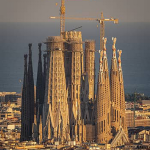
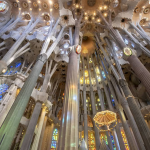
If there was any architecture that fully embodied the ability of buildings to trap cultural values and societal norms, then it would definitely be the La Sagrada Familia. A church whose construction has spun a few architectural styles and movements, also and more than a few decades
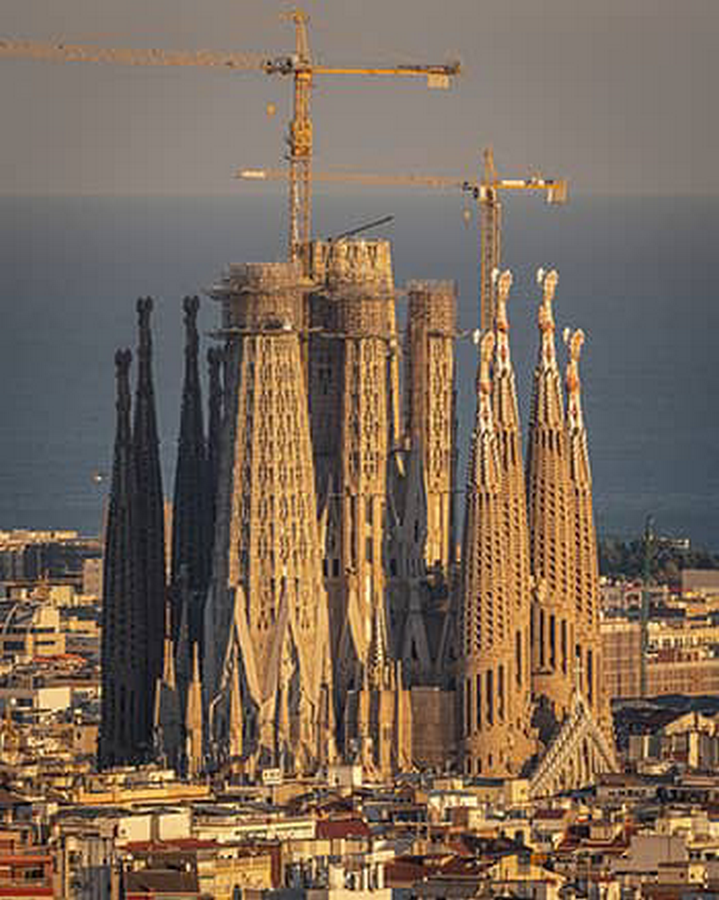
The design of La Sagrada Familia began at a time when religious architecture thrived. And with the same intention to create awe and wonder, the design is birth. Different parts of the building display the different time periods, from the materials used to the new technologies adopted. La Sagrada Familia beautifully locks up the Gothic designs and elements executed with modern technology.
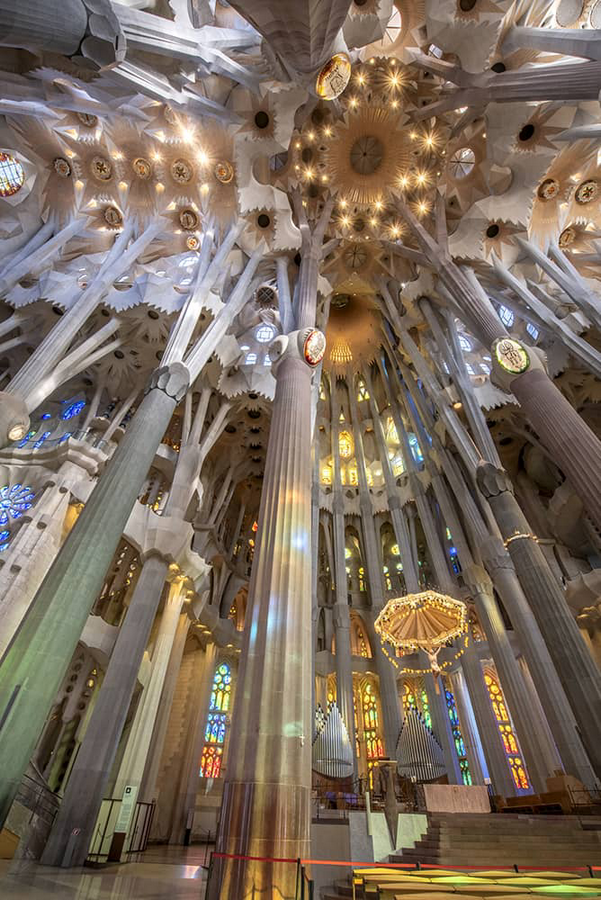
Like photographs trap memories on paper, through architecture, the culture and priority isn’t only trapped but can be experienced by walking through it. The intellect of the Greeks and Romans is seen through the Parthenon and Pantheon, the reverence of the Gothic era felt as you walk through a church from the period, the need for functionality understood when you walk into a modernist building, etc.
The reality of this calls for more effort to be put into preserving every aspect of culture that buildings display and working towards locking up more memories for the future generation to learn from and experience.
Citations:
Architect, 2010. Architectural & Cultural Transformations after the Industrial Revolution. Architecture-Student. Available at: https://architecture-student.com/architecture/architectural-transformations-after-industrial-revolution-cultural-transformations/ [Accessed 16 Nov. 2025].
Cartwright, M., 2019. Architecture in the Ancient World. World History Encyclopedia. Available at: https://www.worldhistory.org/collection/56/architecture-in-the-ancient-world/ [Accessed 16 Nov. 2025].
Chawla, M., 2025. What Is Renaissance Architecture? A Quick Guide to the History of This Classic European Style. AD Middle East. Available at: https://www.admiddleeast.com/story/what-is-renaissance-architecture-a-quick-guide-to-the-history-of-this-classic-european-style [Accessed 16 Nov. 2025].
Daily Planet, 2022. Modern architecture and how it impacted society. Daily Planet DC. Available at: https://dailyplanetdc.com/2022/04/12/modern-architecture-and-how-it-impacted-society/ [Accessed 16 Nov. 2025].
De Sapio, M., 2023. The Baroque: The Central Era of Western Culture. The Imaginative Conservative. Available at: https://theimaginativeconservative.org/2023/10/baroque-central-era-western-culture-michael-de-sapio.html [Accessed 16 Nov. 2025].
Gayubas, A., 2025. Medieval Culture. Humanidades.com. Available at: https://humanidades.com/en/medieval-culture/ [Accessed 16 Nov. 2025].
Olivia, 2024. Cultural Influence on Architectural Designs. Prazzle Inc. Available at: https://www.prazzleinc.com/editorial/cultural-influence-on-architectural-designs [Accessed 16 Nov. 2025].
Pouy, L., 2013. Society and Culture in the Baroque Period, Rome. Le Blog de l’APAHAU. Available at: http://blog.apahau.org/appel-a-communication-society-and-culture-in-the-baroque-period-rome-27-29-mars-2014/ [Accessed 16 Nov. 2025].
Tatomir, J., 2024. Medieval Architecture Style, Design & Buildings. Study.com. Available at: https://study.com/academy/lesson/medieval-architecture-style-design-buildings.html [Accessed 16 Nov. 2025].