It’s the art of sharing a certain belief system related to morals, myths, and social customs in a creative manner, while Architecture is how we assume built structure as construction only. But architecture goes beyond that & makes an attempt to create a memorable flow of experience, a strong emotional tie with the end user. Hence, Architecture is considered a visual way of storytelling. Specifically considering India, each piece of land narrates culture, history, and ideology in various forms and built environments. We see a drastic contrast holding on together reflecting certain time frames depicting their own set of aspects affected for shaping their existence. Let’s walk through the leading aspects of societal values affecting the transformation in the built environment & spaces:
Storytelling representing as a Social Image
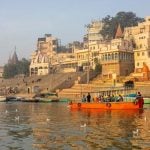
India is home to endless interesting stories about its cultural, and socio-political influences from ancient times manifested in so many buildings, structures, etc. Some forms tell a vibrant tale for emotional connection for the end users with shaping their life, & the importance of the timeframe and leave us mesmerized with insightful, thoughtful base concepts behind them. The built environment tries to shade theories & knowledge, while planning tries to draw the shaping societal structural beliefs & priorities and leads us further incorporating concepts for the upcoming events. Recently a Kumbh mela happened in Prayagraj which was the major highlight, & it was visited by so many people. The place holds special importance tied to a holy river, speaking the stories insights from Samudra Manthan.

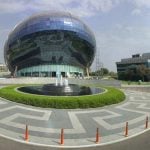
The concept of planning for social experimental projects like housing schemes, township planning, basic infrastructure, etc emerged over the urban land stretch in the Industrial Revolution time. Now, smart cities and high-tech infrastructure are unpickable parts of our lives as our human race progresses. Truly, inclusivity has a major role in shaping urban land. As cities are now undertaking to rethink public space, promote pedestrian-friendly environments, and generate affordable housing solutions. Buildings equipped with everything under control, and renewable energy sources, with consideration of reducing energy consumption with high-efficiency promises, are taking the lead. While the introduction to the new technology of 3D printing and AI-design tech plays a major factor in trendsetting & transforming architecture. On the other hand, we see the trends towards digital economies and remote work resulting in demand for mixed-use, co-working spaces, and smart city inserts, to achieve flexibility and connectivity. The function is a new era culture.

Social-Economic & Politics
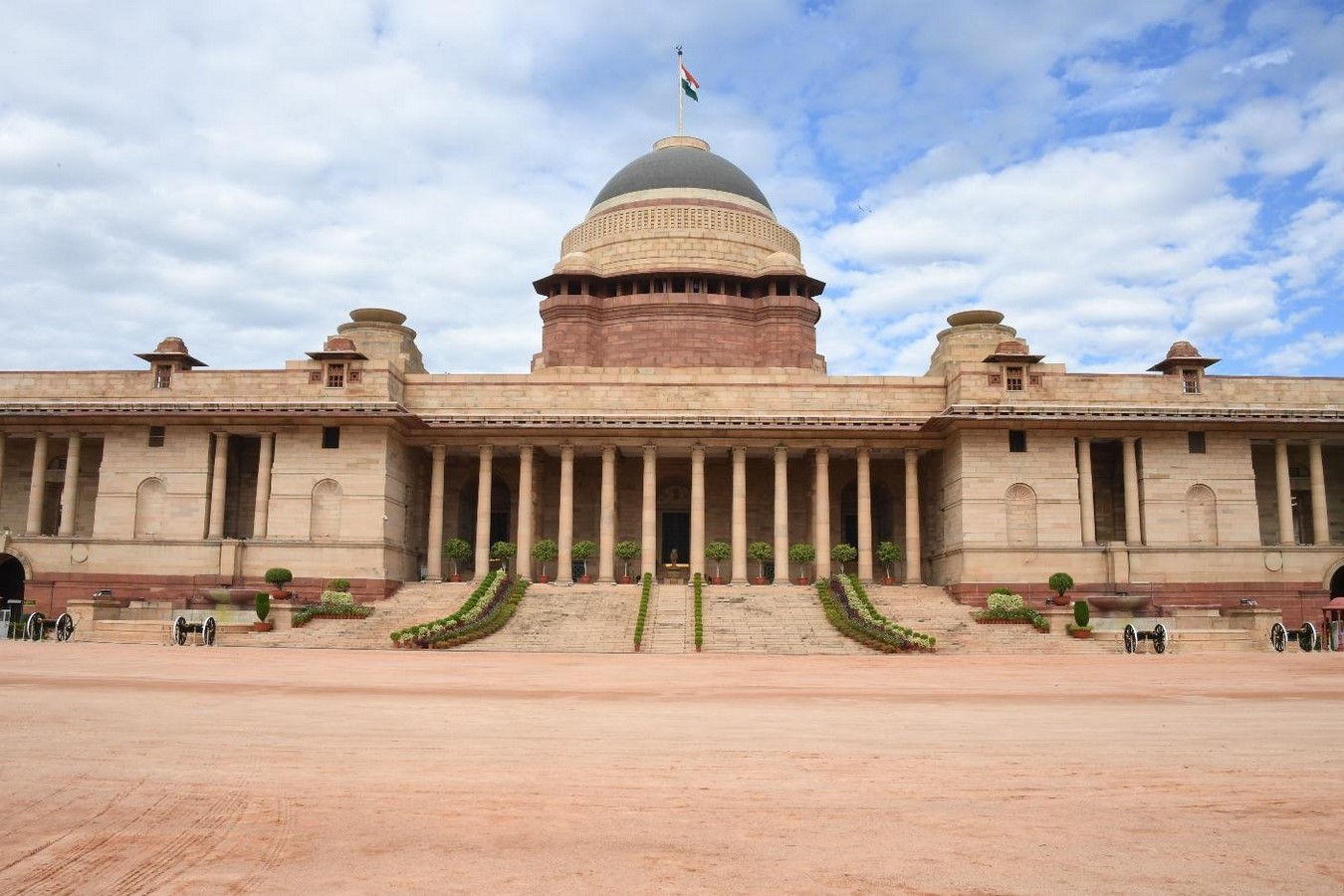
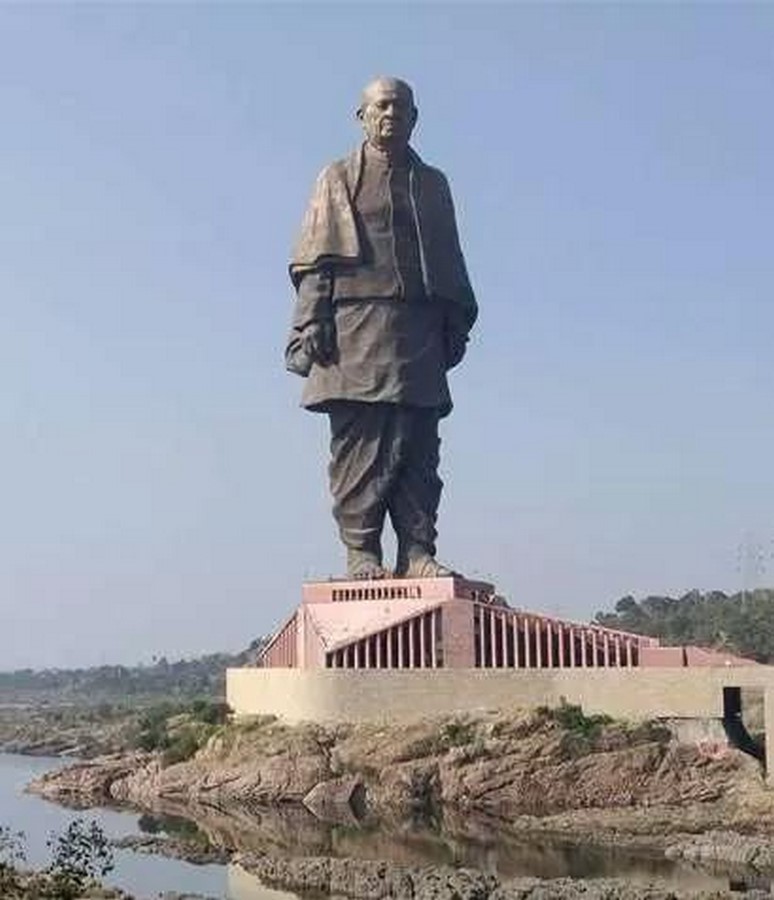
A bold thrust of finances and political manifestos shows strong influences in urban planning. Ancient monuments used to depict the status based on their scale—more the scale, more the power—think of structures of the Mughal empire’s projected authority, & power. The one having power and funds rules with great scale & authority. Favored monumental, imposing structures(the Statue of Unity, Gujarat, symbolizes unity and aspirations for global recognition) and the imposing colonial structure symbolized dominance, power, and permanence representing respective timeline ideology. Talking about present-day Amaravati, Andhra Pradesh’s planned capital, the current version of the Redevelopment Project attempts to modernize the nation’s administrative core. Some projects spike debates for ethics & development, still resulting in drafting the core built environment.
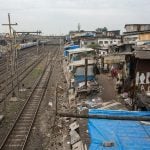
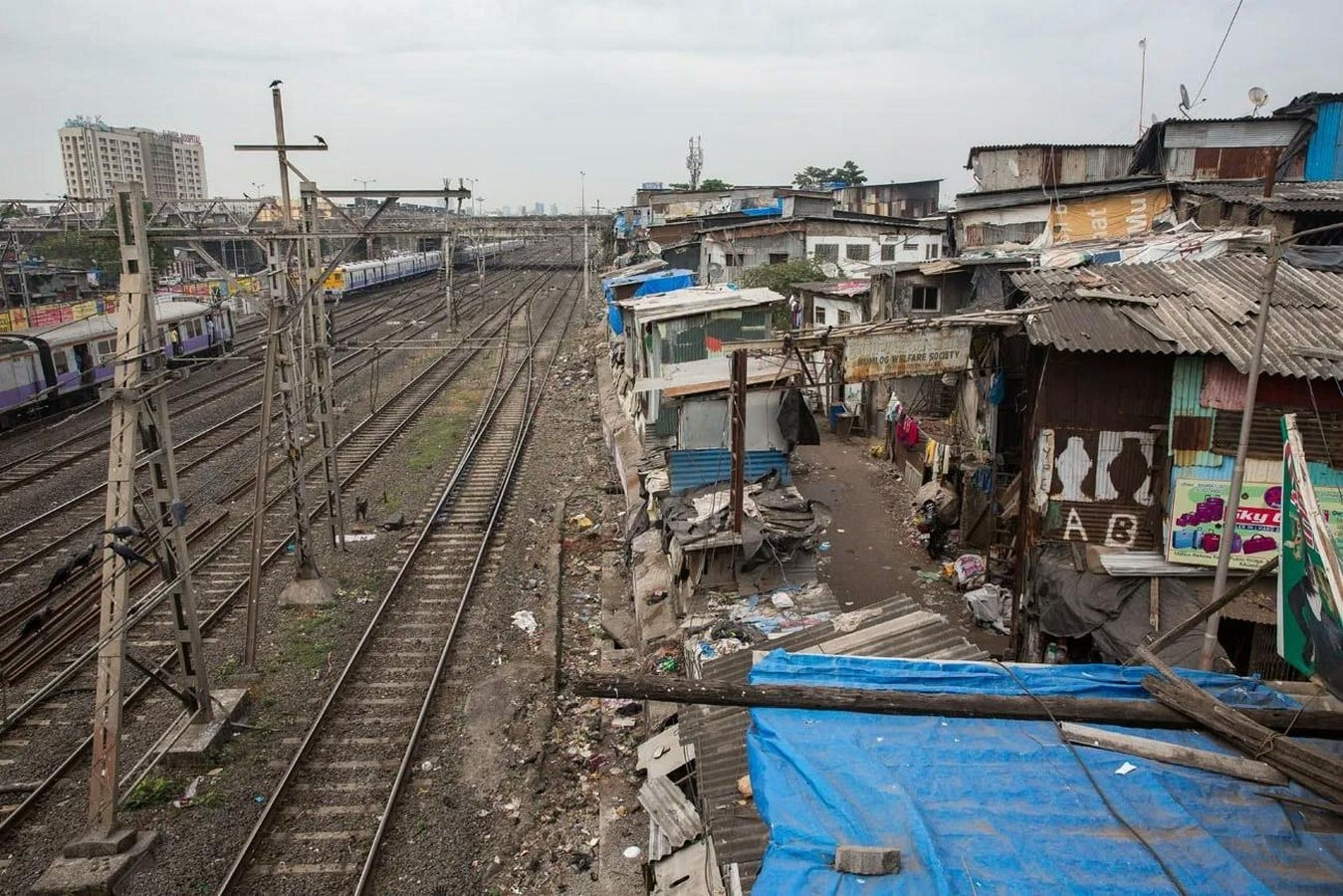
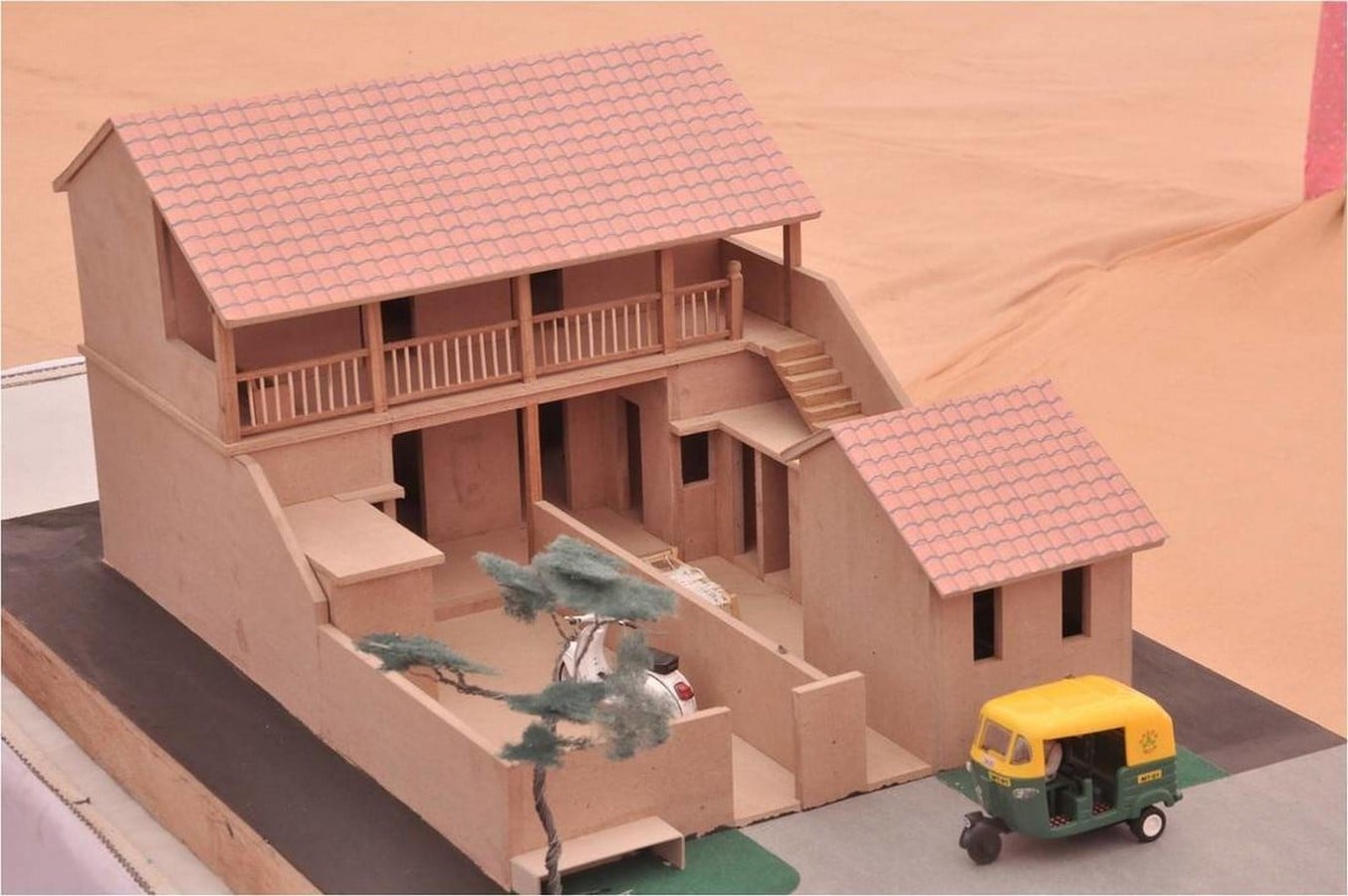
We still see the clear differences on the ground between rural and urban areas being a major highlight in the Indian stretch, as metro cities enjoy high-end luxury housing, but the rural side still struggles with marking the checklist of basic infrastructure fulfillment. Implements are taken by the Government to resolve this housing gap, & achieve inclusive economic development. Smart Cities Mission contributes to validating the urban planning connected to digital connectivity and efficient infrastructure. But stories don’t turn into scripts in a single night.

Sustainability following Inclusivity
India’s architecture has always considered sustainability for a long period with passive cooling, natural ventilation, light, etc. However, walking along the path is coming up with pollution, deforestation, and water shortage challenges. As moving ahead, we are slowly making an effort to carve out a way to return to sustainable principles. Innovations in energy efficiency and climate-responsive design are seen in buildings like Infosys’ campuses. Green building movements, and passive design techniques, with the addition of government initiatives & commitment to net-zero carbon emissions, manifest a larger societal shift.

Apparently, with the evolving nature of societies, such as the built environment to ambiance, portraying the changing priorities, whether through sustainability, economic shifts, political ideologies, etc. Understanding this will help us to learn & grow, in continuation to reflect our most pressing ambitions, fears & hopes for structuring a sustainable & efficient world. Some will be connected to the cultural belief systems & social bonding of human nature, while some needs & concepts are changing as we move ahead, with time. The architecture will continue to remain a testament to who we are and what we value and continue to reflect our ambitions, fears, hopes, concerns, and aspirations for structuring a sustainable & efficient world.
Citation:
- Wang, S., Uberoi, J.S. and Magazine, A. (2024) Building smart cities for a future-proof india: A Vision for sustainable urbanisation – et edge insights, ET Edge Insights – The New Paradigm of Business Intelligence. Available at: https://etedge-insights.com/industry/real-estate/building-smart-cities-for-a-future-proof-india-a-vision-for-sustainable-urbanisation/ (Accessed: 22 February 2025).
- Architecture of India (2025) Wikipedia. Available at: https://en.wikipedia.org/wiki/Architecture_of_India (Accessed: 21 February 2025).
- Moss And Fog An award winning art (2024) India’s sustainable, Futuristic City Amaravati resumes construction, Moss and Fog. Available at: https://mossandfog.com/indias-sustainable-futuristic-city-amaravati-resumes-construction (Accessed: 22 February 2025).
- Samdub, M. et al. (no date) Technocracy and Hindutva: The architecture of governance in the New India, New Silk Roads – Mila Samdub. Available at: https://www.e-flux.com/architecture/new-silk-roads/622227/technocracy-and-hindutva-the-architecture-of-governance-in-the-new-india/ (Accessed: 22 February 2025).
- India is building a high-tech sustainable city from scratch (no date) World Economic Forum. Available at: https://www.weforum.org/stories/2018/10/india-is-building-a-green-high-tech-city-amaravati/ (Accessed: 22 February 2025).
- Indian architecture from ancient to Modern Times (no date) IAS KIDS. Available at: https://www.iaskids.com/indian-architecture-from-ancient-to-modern-times/ (Accessed: 22 February 2025).
- (No date) 13 Indian architecture. Available at: https://nios.ac.in/media/documents/secichcour/english/ch.13.pdf (Accessed: 21 February 2025).