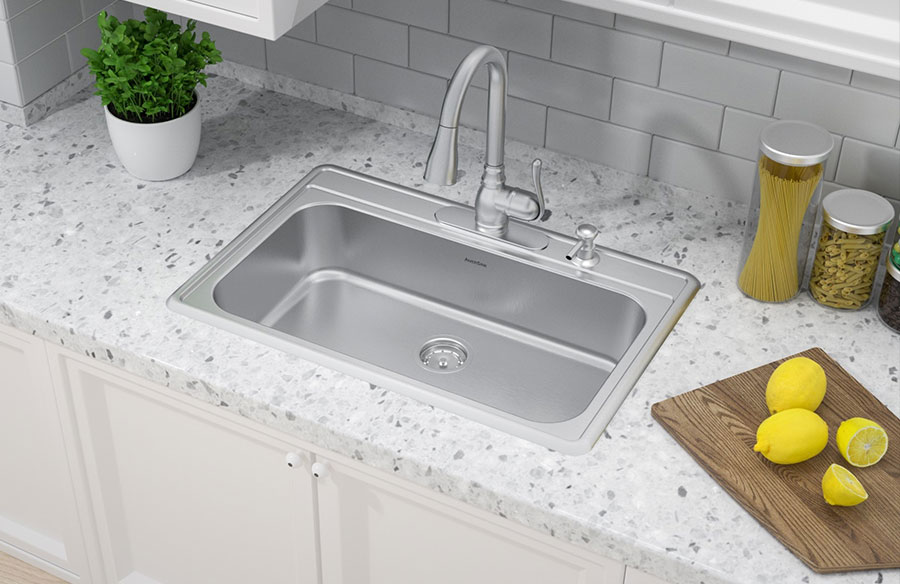
When it comes to kitchen sinks, those made with stainless steel can easily be described as the most common. Their versatility and affordability contribute to this popularity. A look at the number of items made this material will support this position. Examples of items made with stainless steel include:
- Kitchen Fixtures – Such as sinks and faucets
- Bathroom Fixtures – Such as bathtubs, showers, and toilets
- Cookware – Such as pots and pans
- Appliances – Ovens, Refrigerators, and dishwashers are prime examples
- Industrial Equipment – Examples include pumps, valves, heat exchanges, gears, and bearings
- Marine Equipment – Such as shafts, pumps, propellers, valves, and hull components
Frankly, the above-listed do not do enough justice to the versatility of this material.
While its versatility is undeniable, consumers should consider its limitations and suitability for specific applications. This would ensure that whatever decision they make regarding choosing stainless steel items, it will be an informed one. To this end, this article discusses the pros and cons of stainless kitchen sinks.
Pros of a Stainless Kitchen Sink
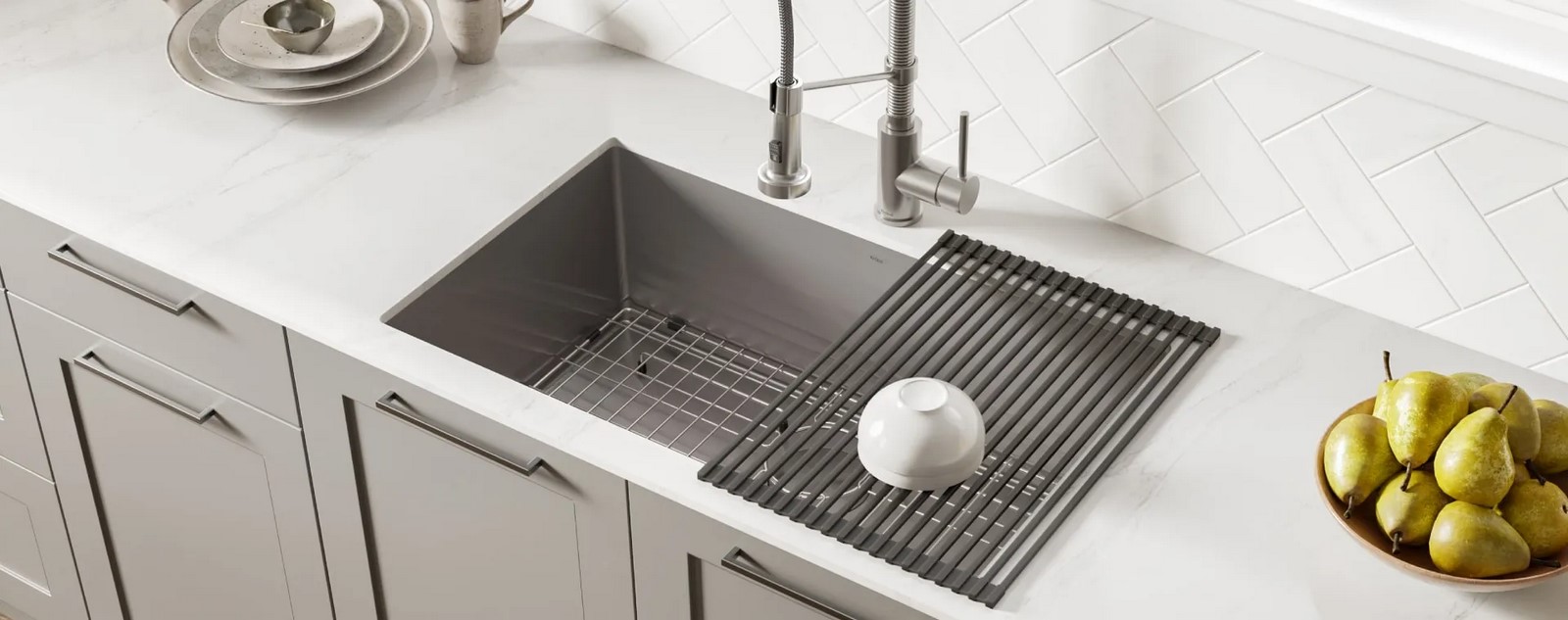 Stainless steel is easily the most popular material used for kitchen sinks, and this is due to their inherent qualities. Some of the said qualities include the following:
Durability
Rust, stains, and corrosion are some of the things that threaten the durability of kitchen sinks. The fact that these fixtures are situated in a part of the home vulnerable to these conditions increases this concern.
As a result, opting for something that offers a great deal of resistance against rust, stains, and corrosion is a no-brainer. This material ticks all the right boxes in this regard as it is highly resistant to these conditions. This means that consumers who opt for stainless steel kitchen sinks are likely to use them for a long while, making it a long-term investment.
Easy Maintenance
The maintenance of some materials used for making kitchen sinks can be quite daunting. Marble is a prime example as it is highly susceptible to stains and etches. As a result, regular sealing and maintenance is a major requirement.
Well, this is another area where stainless steel outshines many other alternatives. For starters, sealing and other special maintenance treatments is not a requirement. Furthermore, cleaning is usually very easy as nothing more than water and mild soap is needed.
Lightweight & Versatile
The versatility of this material has been pointed out above, but it cannot be overemphasized. It is lightweight quality, making it easy to use in various situations. This is an important quality as the heavy weight of some alternative materials rules them out for use in certain kitchens.
Whereas some countertops are not sturdy enough to hold heavy sinks like porcelain and stone sinks, stainless steel will fit it nicely. This is one reason why it is the most common type you will see in most kitchens.
By the way, the lightweight nature of this material should not be equated to it being inferior in quality. It would interest you to know that it offers a lot more in terms of strength & durability than several heavy alternatives.
Affordable
Affordability is usually a leading reason for the popularity of a commodity and stainless steel kitchen sinks are no exception. Even premium-quality options often end up being more affordable than kitchen sinks made with some alternative materials.
Furthermore, its cost-to-value ratio is impressive as it offers a lot of qualities that some more expensive alternatives do not offer. So, its popularity is not just for its cheaper price tag, but the amazing features as well.
Cons of a Stainless Kitchen Sink
Having discussed the several benefits offered by stainless steel sinks, it’s now time to flip the coin. Despite its many features, there are some concerns with this type of sink. Some of these include the following:
Noise levels
This material is nosier than many other alternatives. As a result, there may be issues with the noise generated while performing tasks such as washing dishes and even running water. However, purchasing products with undercoating or soundproofing pads would go a long way in reducing the noise levels.
Scratch-Prone
The concern with scratches is usually something that happens after a long period of use. However, it remains a concern for some, especially those who frequently use metal utensils and/or harsh scrubbers.
Thankfully, something can be done to address this concern. The scratch marks can be concealed by using certain finishes such as matte and brushed finishes. However, it is better to apply these when the scratch is still minor as they are better suited for concealing minor scratches.
Water Spots & Fingerprints
Stainless steel has a natural shine that adds to its aesthetic appeal. However, water spots and even fingerprints can tamper with this material’s natural shine.
To this end, regular and proper wiping is required. Fortunately, it does not take a lot as you would only need a microfiber cloth and special cleaners (at most). Also, ensure that you leave the sink dry after use as this reduces water spot concerns.
Dents & Dings
This is not usually a concern with all stainless steel kitchen sinks. Rather, it is options that are made with thinner stainless steel that are more prone to having this issue. So, you would significantly reduce the chances of having dent and ding issues by simply choosing thicker stainless steel kitchen sinks.
Final Note
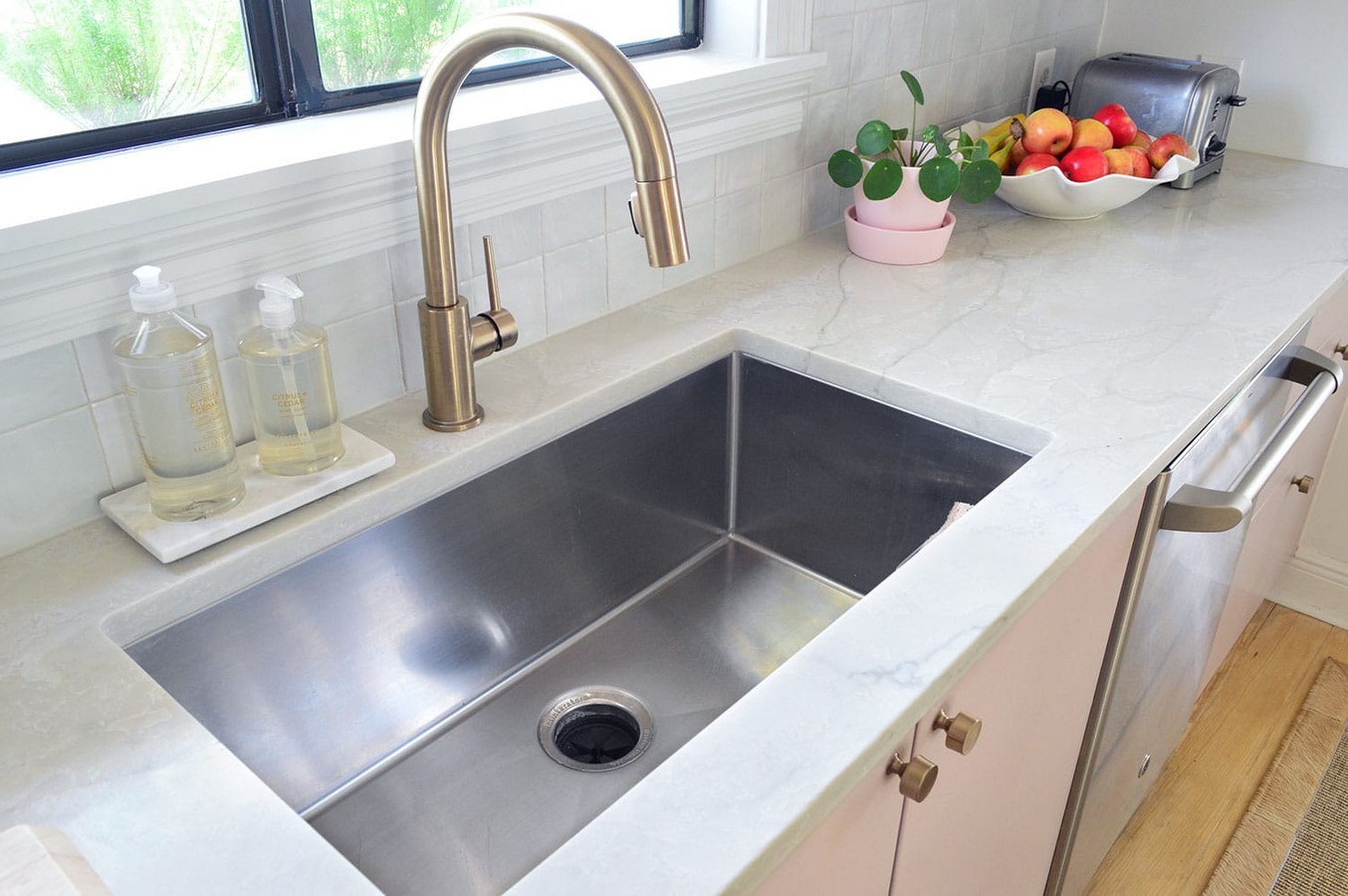 Most of the concerns with stainless steel kitchen sinks are avoidable by simply doing two things. The first and most important is purchasing and using a premium-quality stainless kitchen sink, which also means buying from the right supplier. The second is to ensure proper and regular maintenance, which thankfully does not require much.
Your willingness to do both puts you in a good position to enjoy what stainless steel kitchen sinks have to offer. As we already stated above, this is not the only choice available to you. This article was written to give you all the information you need regarding a specific type of kitchen sink so you can decide whether or not it is the right one for you.