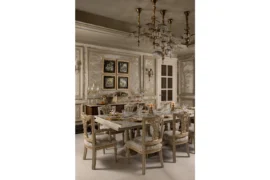
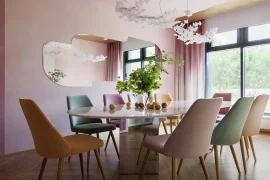
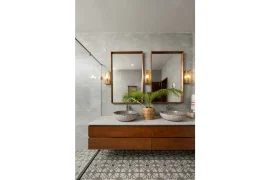
Imagine walking into a room that instantly makes you feel calm, happy, and at home. It’s not just the way it looks—it’s how it smells, how the floor feels under your feet, the gentle music in the background, and even how the space encourages you to move. That’s what sensory interior design is all about—creating spaces that don’t just look beautiful but also feel amazing through touch, sound, scent, sight, and even taste.
Why Sensory Design Matters
Our senses shape how we experience the world. Have you ever walked into a bakery and felt instantly hungry because of the smell of fresh bread? Or felt more peaceful in a room filled with soft lighting and cozy furniture? Sensory design uses these natural responses to make spaces more comfortable, engaging, and memorable. Whether it’s a home, a hotel, a store, or an office, the way a space affects your senses can change how you feel and behave.
Sight: The Power of Colors and Lighting
What we see is often the first thing we notice about a space. Colors, shapes, and lighting all play a big role in how a place makes us feel.
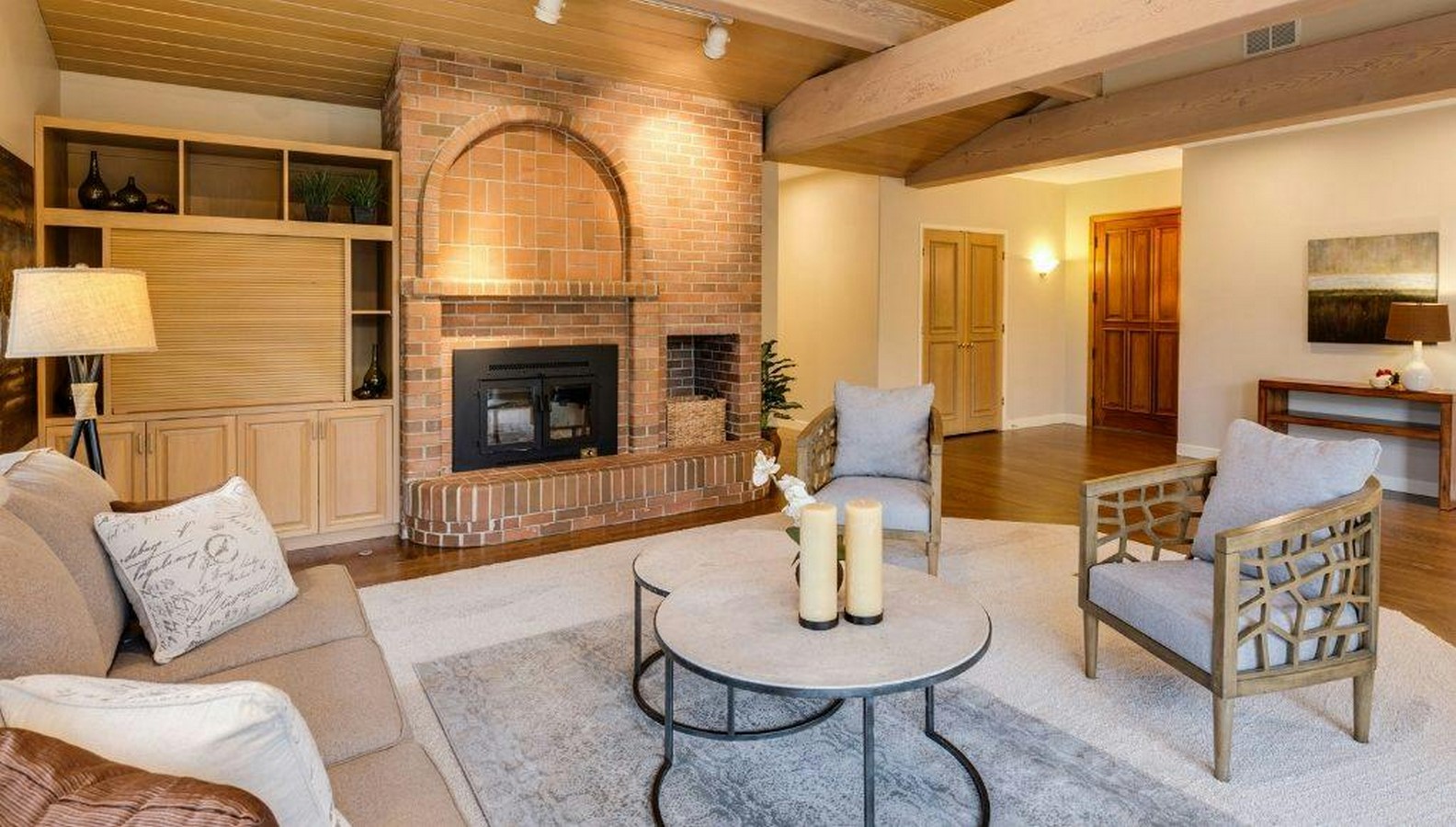
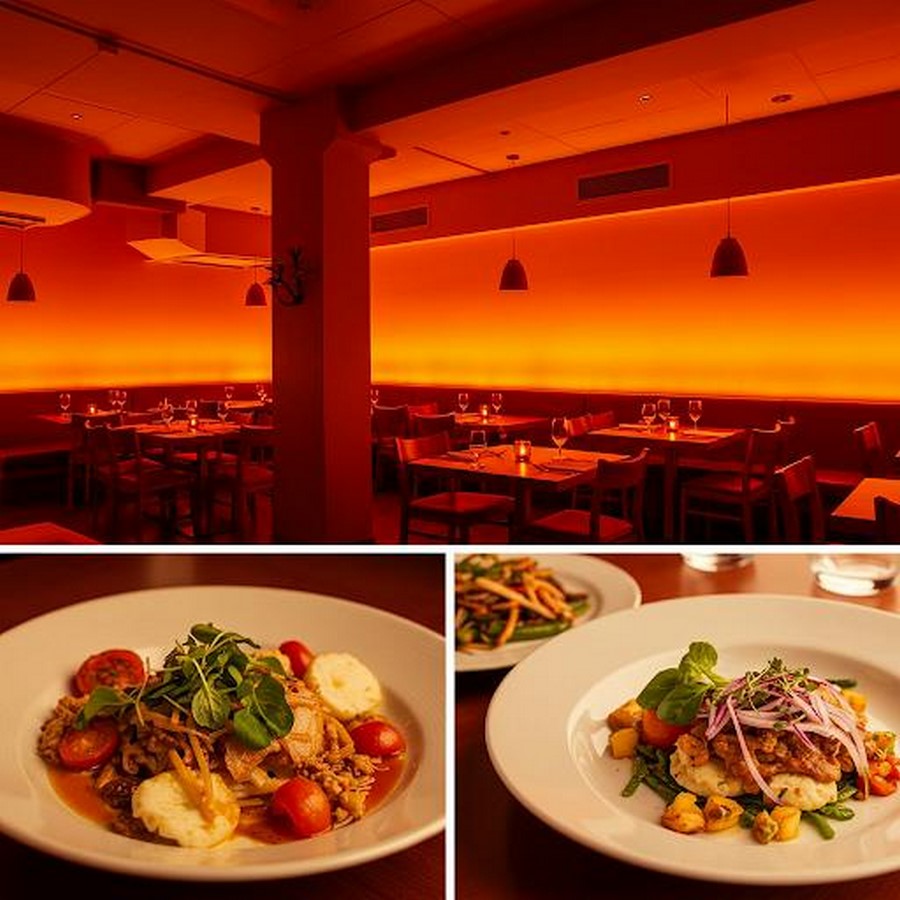
- Colors: Bright colors like yellow and red feel lively and energetic, while soft blues and greens bring a sense of calm. That’s why hospitals often use cool colors and restaurants use warm tones to make food look more inviting.
- Lighting: Harsh white lights can feel cold and unwelcoming, while soft, warm lighting makes a room feel cozy. Natural light is always best, as it improves mood and energy levels.
- Shapes & Textures: Smooth, curved designs feel more friendly and inviting than sharp, rigid edges. Think about how a soft couch feels more relaxing than a stiff chair!
Touch: The Comfort of Materials
Touch is all about how materials feel against our skin. When you step into a room, everything you sit on, walk on, or touch affects your experience.
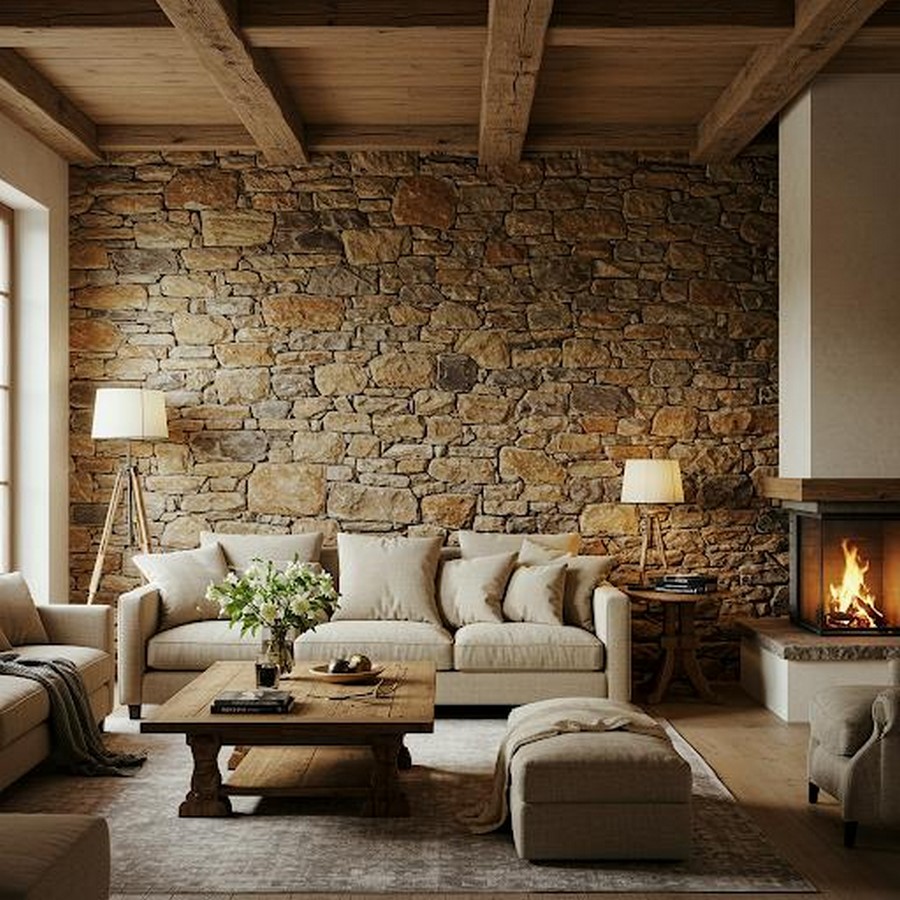
- Soft vs. Hard: Plush carpets and velvet couches feel warm and cozy, while smooth marble floors or steel furniture can feel cool and sleek.
- Temperature: Natural materials like wood feel warmer, while stone and glass feel cooler to the touch. That’s why spas often use wood and fabrics to create a soothing atmosphere.
- Textures: A rough brick wall adds character, while a silky smooth pillow makes you want to curl up and relax. Mixing different textures makes a space more interesting and engaging.
Sound: The Music of a Space
Imagine walking into a silent restaurant—it might feel strange, right? Sound affects how we interact with a space and how comfortable we feel.
- Soft Sounds: Places like spas or libraries use soft, calming sounds like waterfalls or quiet music to create a peaceful environment.
- Energetic Sounds: Gyms and stores play upbeat music to keep people moving and excited.
- Acoustics Matter: Echoey rooms can feel too big and impersonal, while sound-absorbing materials like rugs, curtains, and cushions help create a warm and cozy feeling.
Smell: The Hidden Influencer
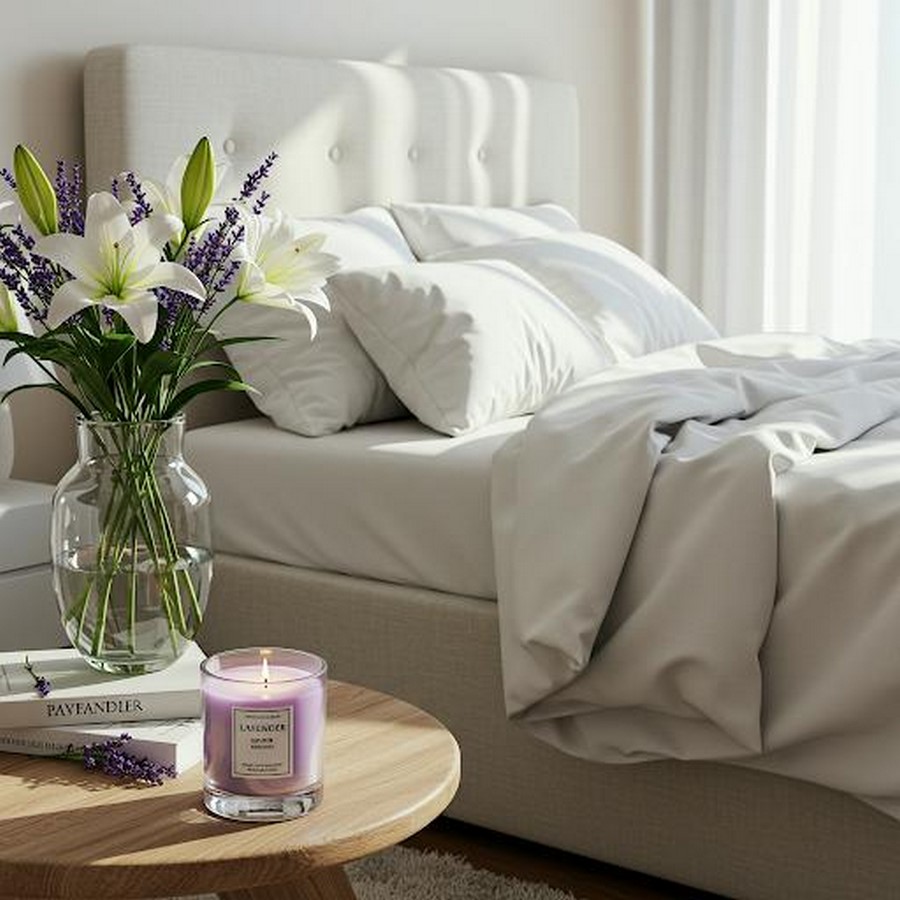
Have you ever noticed how certain smells bring back memories? Smell is directly connected to our emotions, which makes it a powerful design tool.
- Relaxing Scents: Lavender and chamomile help people feel calm, so they’re great for bedrooms and wellness spaces.
- Energizing Scents: Citrus and peppermint wake up the senses and are perfect for offices or gyms.
- Homey Scents: The smell of baked cookies or vanilla makes a home feel welcoming, which is why real estate agents often use them during open houses!
Hotels, stores, and even offices use specific scents to create a signature atmosphere that people associate with their brand.
Taste: A Surprising Element in Design
Taste might seem like the odd one out in interior design, but it plays a role, especially in hospitality and retail spaces.
- Restaurants & Cafés: The design of a restaurant influences how food tastes. Warm, inviting colors make food more appealing, while elegant table settings make meals feel special.
- Hotels & Luxury Spaces: Some high-end hotels offer complimentary chocolates or fruit in rooms to enhance the guest experience.
- Retail & Offices: Some stores offer free coffee or small treats to make customers feel at home, increasing the time they spend shopping.
Sensory Design in Different Spaces
- Homes: A well-designed home uses soft lighting, cozy textures, and calming scents to create a relaxing atmosphere.
- Hotels & Resorts: Resorts use water features, soft music, and natural scents to make guests feel like they’re in paradise.
- Restaurants & Cafés: Restaurants carefully design their spaces with color, lighting, and music to create the perfect dining experience.
- Retail Stores: Stores use sensory elements to make shopping enjoyable—soft carpets, relaxing scents, and even background music can influence what people buy.
- Offices & Workspaces: Well-designed offices use natural light, plants, and good acoustics to boost creativity and productivity.
Sensory interior design is not just about making a space look good—it’s about making it feel good. When all five senses are thoughtfully considered, a space becomes more than just a room—it becomes an experience. Whether it’s a cozy home, a luxury hotel, or a lively café, engaging the senses creates spaces that people truly enjoy and remember.
So next time you walk into a room, take a moment to notice,what do you see, hear, smell, touch, and maybe even taste? That’s sensory design at work.
References:
Books:
- Malnar, J. M., & Vodvarka, F. (2004). Sensory Design. University of Minnesota Press.
- Pallasmaa, J. (2012). The Eyes of the Skin: Architecture and the Senses. John Wiley & Sons.
- Heschong, L. (1979). Thermal Delight in Architecture. MIT Press.
- Holl, S. (1994). Questions of Perception: Phenomenology of Architecture. William Stout Publishers.
- Spence, C. (2021). Sensehacking: How to Use the Power of Your Senses for Happier, Healthier Living. Viking.
Articles:
- Spence, C. (2020). Using Multisensory Design to Enhance Wellbeing in the Built Environment. Frontiers in Psychology.
- Wastiels, L., Schifferstein, H. N. J., Wouters, I., & Heylighen, A. (2013). Touching Materials Visually: About the Dominance of Vision in Building Material Assessment. International Journal of Design.
- Hutmacher, F. (2019). Why Is There So Much More Research on Vision Than on Any Other Sensory Modality? Frontiers in Psychology.