The growing problems of resource depletion, urbanization, and climate change make sustainable building an essential answer. Such an innovative approach would improve the quality of life of the communities around the world, while at the same time helping to solve the most crucial environmental issues. Architectural design uses regenerative and sustainable approaches to transform cities into sustainable structures that merge functionality with environmental friendliness.

The Philosophy of Sustainable Architecture
The idea of the structure’s compatibility with its environment is the principle of green architecture. This idea is embraced by prominent architects who have played a pivotal role in advancing eco-friendly design. Frank Lloyd Wright’s famous quote is “Study nature, love nature, stay close to nature, It will never fail you” (Pfeiffer and Frampton). From this theory, it follows that architects should look to nature to create sustainable and effective spaces.
Key Principles of Sustainable Architecture
An important elements of sustainable architecture are
- Optimization of the site: This is achieved through strategically positioning the built structure on site to allow for maximum admission of natural light and ventilation. It also focuses on Enhancing biodiversity and stormwater management with native plants in your landscape.
- Energy and resource management: Sustainable architecture is the process of designing and constructing buildings to minimize the environmental impact that comes with their development, use, and maintenance throughout their whole life cycle. It seeks to avoid the environment’s deterioration, minimization of waste, and maximization of energy efficiency through the use of sustainable products, passive architecture, and energy from renewable sources.
- Renewable energy sources: Using renewable energy sources like solar panels and wind turbines reduces greenhouse gas emissions and avoids the use of fossil fuels.
- Water Conservation: Systems for collecting rainwater and water-conserving fixtures integrated into the building design help conserve this resource.
- Quality of Indoor Environment: Sustainable buildings focus on the well-being of their occupants through better air quality, adequate daylight, and thermal comfort. These features improve the well-being, performance, and overall livability of the indoor environment with minimal effect on the environment.

Innovative Green Architecture Project
The following innovative projects demonstrate how sustainable architecture can change urban environments:
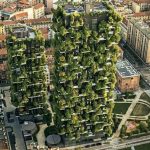
Bosco verticale (vertical Forest) Milan
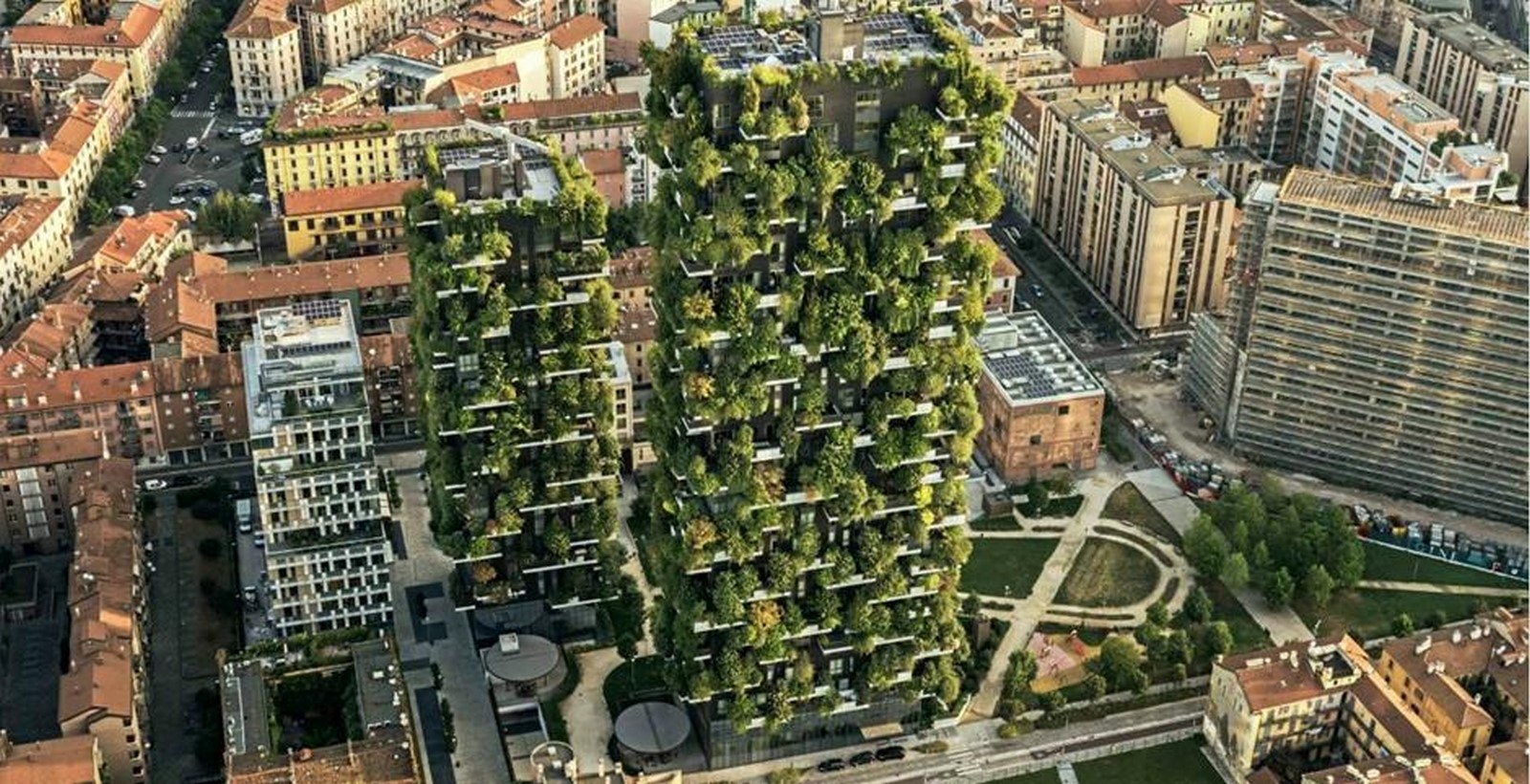
Bosco Verticale is two residential towers that are planted with 20,000 plants and more than 9,000 trees, and are integrated with natural elements. This visionary project is designed by architect Stefano Boeri and enhances air quality, thermal insulation, and urban biodiversity. According to Boeri, “We need to redefine our relationship with nature”. (Boeri #) These high-rise structures demonstrate how ecological principles can be incorporated into the urban environment to create lively, sustainable spaces for residents and offer a unique and healthier quality of life.
The Edge Amsterdam
The Edge in Amsterdam is one of the world’s most sustainable office buildings and has an energy management system that optimizes resource efficiency. The building has rainwater harvesting systems, solar panels, and a lush green roof, which not only minimize environmental impact but also enhance local biodiversity. The building has seamlessly integrated innovative design with smart technology and renewable energy, and thus is a new benchmark for eco-friendly workplaces. It was designed by Norman Foster. “Architecture is an expression of values” (Hussain), who emphasizes how The Edge combines sustainability with a cozy workspace for its residents.

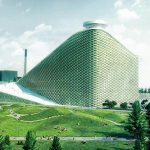
Copenhagen Waste-to-Energy Plant
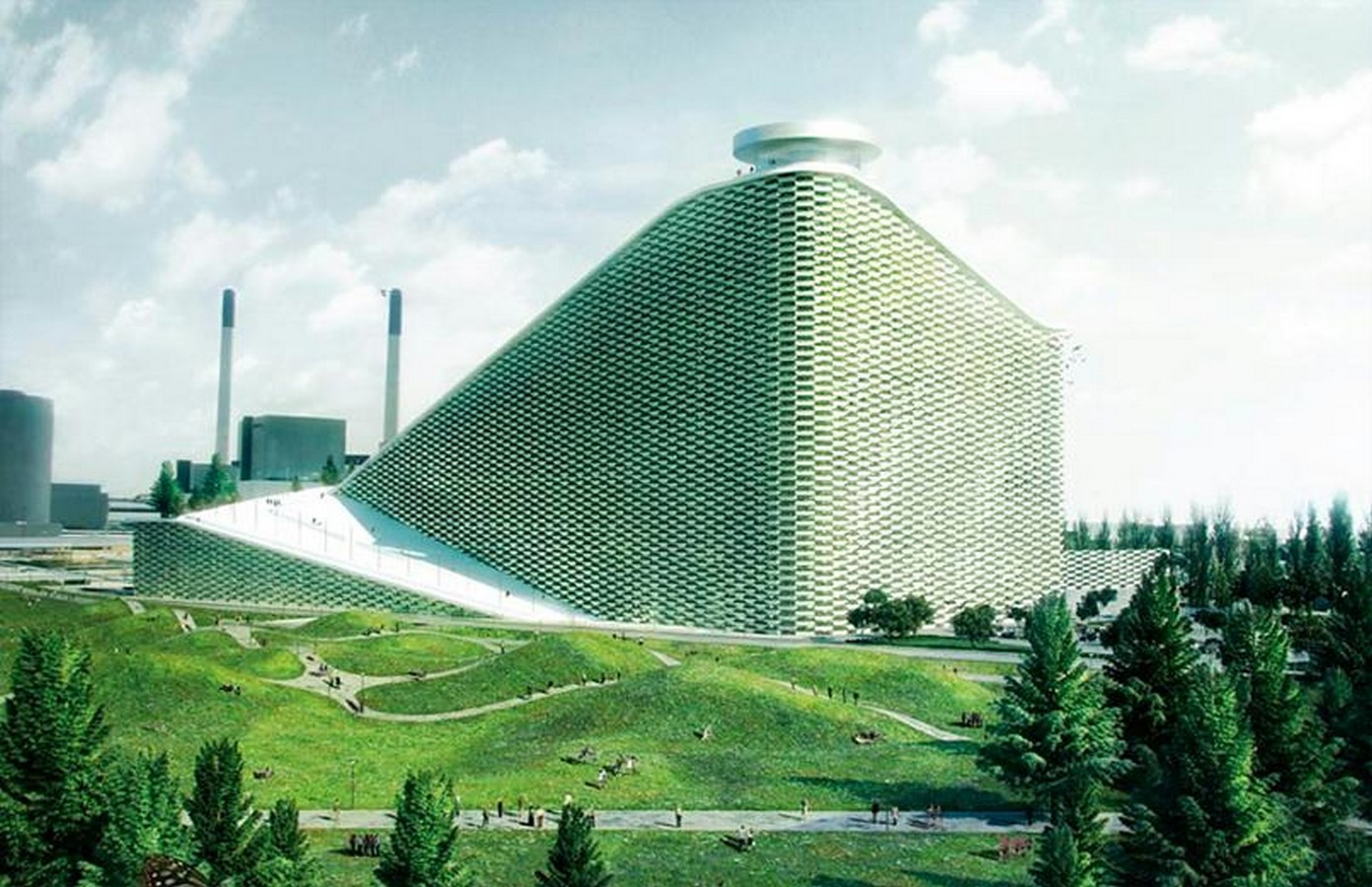
A waste-to-energy facility designed by the renowned Bjarke Ingels Group (BIG) called CopenHill is a revolutionary facility that defines industrial architecture. This complex integrates sustainable energy production with recreational space seamlessly, featuring an artificial ski slope, hiking trails, and a climbing wall atop the plant. CopenHill has transformed a traditionally utilitarian structure into a vibrant public space and, in the process, demonstrates how waste management facilities can be reimagined through innovative and sustainable design that fosters both environmental responsibility and community engagement.
The Importance of Renewable Materials
A key component of sustainable architecture is material selection. Renewable resources that reduce environmental impact are becoming more and more popular among architects:
- Cross-Laminated Timber (CLT) -This cutting-edge material is known to provide structural integrity, is lighter and more environmentally friendly than conventional steel and concrete.
- Recyclable Material – Reclaimed wood and upcycled plastics are two examples of materials that can be used to bring distinctive character to buildings while reducing waste and conserving resources.
- Bio-based Material- New materials showing promise for environmentally conscious building include hempcrete and mycelium (mushroom roots) and others, including bamboo. To lower transportation-related emissions and boost local economies, it is important to use locally sourced materials.
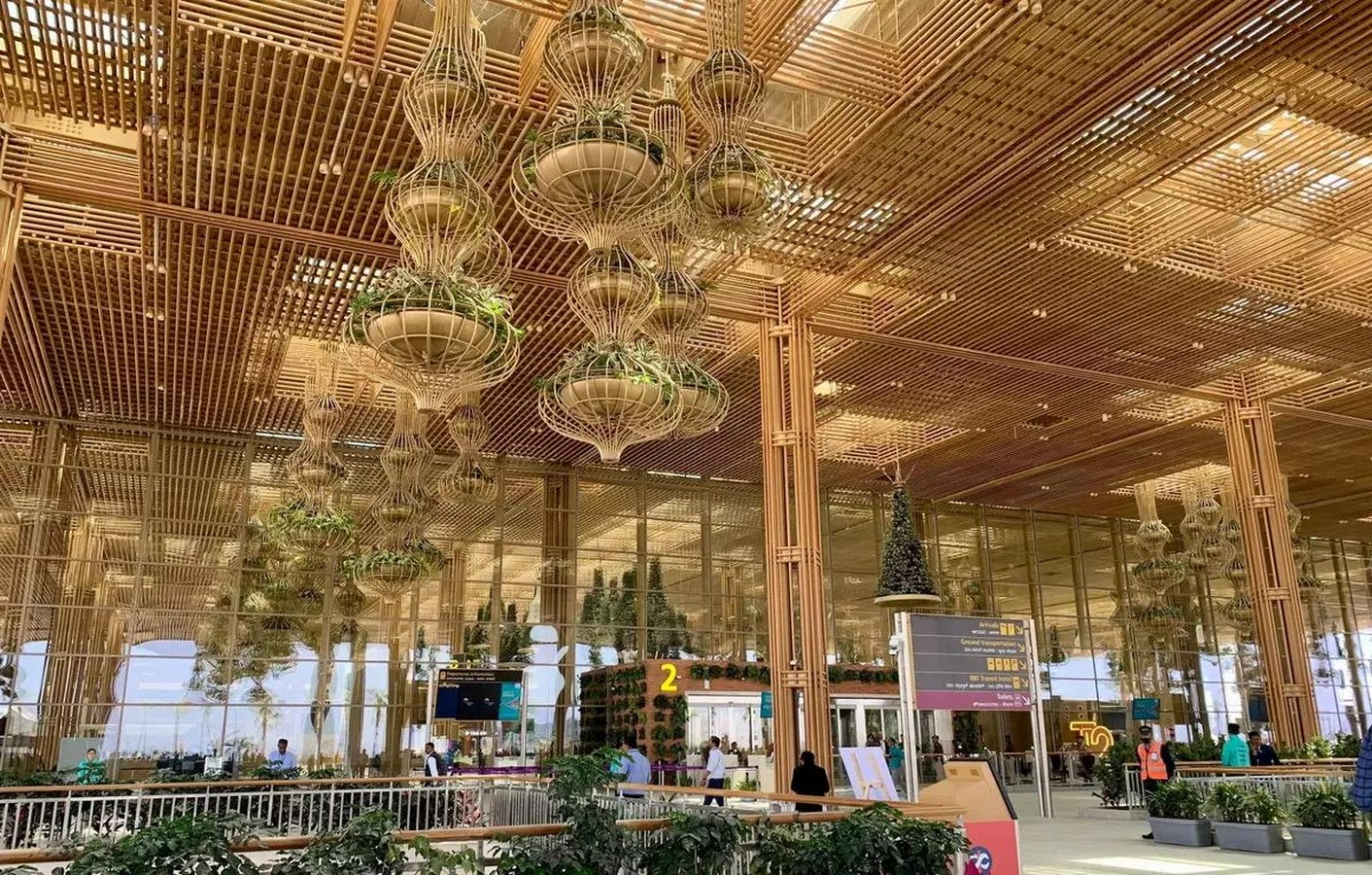
Addressing Environmental Concerns Through Design
Sustainable architecture uses careful design techniques to address a range of environmental issues directly:
- Net-zero energy buildings (NZEB)- These buildings use renewable energy sources, such as solar or wind, to generate as much energy as they use. In architectural projects around the world, NZEBs are becoming more common as energy rules change to become carbon neutral.
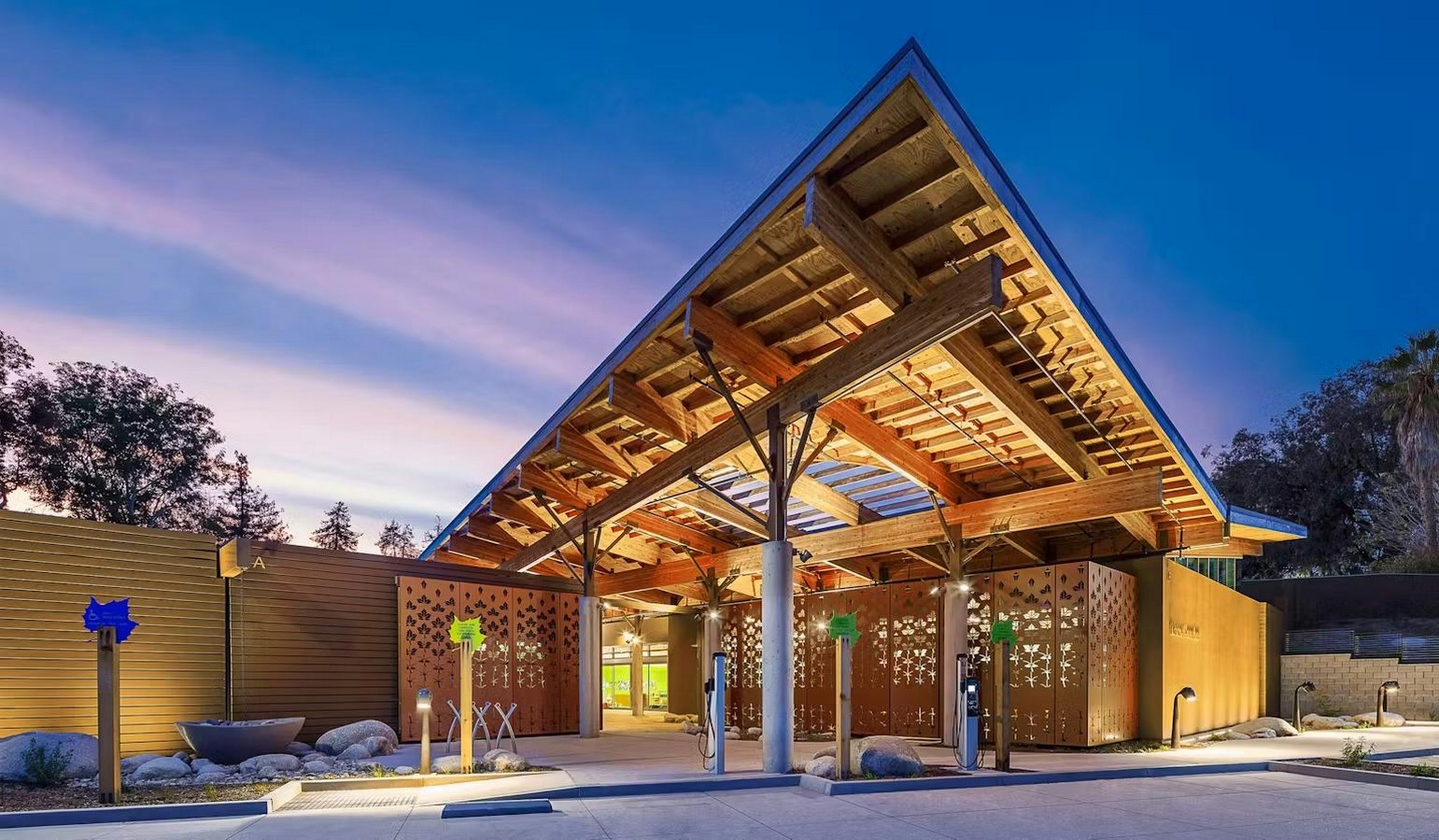
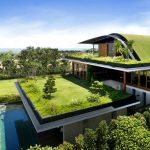
- Living walls and green roofs- These are two characteristics that improve insulation, boost biodiversity, and fight urban heat islands. Building designers can create microclimates that benefit residents and the surrounding ecology by integrating flora into their structures.

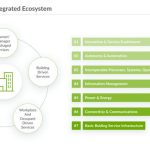
- Smart building technologies – IoT-enabled sensors are one example of an innovation that helps monitor energy use and optimize resource utilization in smart buildings. Lighting, heating, and cooling systems that are automated save waste and improve occupant comfort.

Shaping Eco-Conscious Urban Landscapes
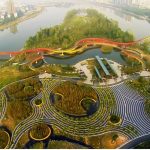
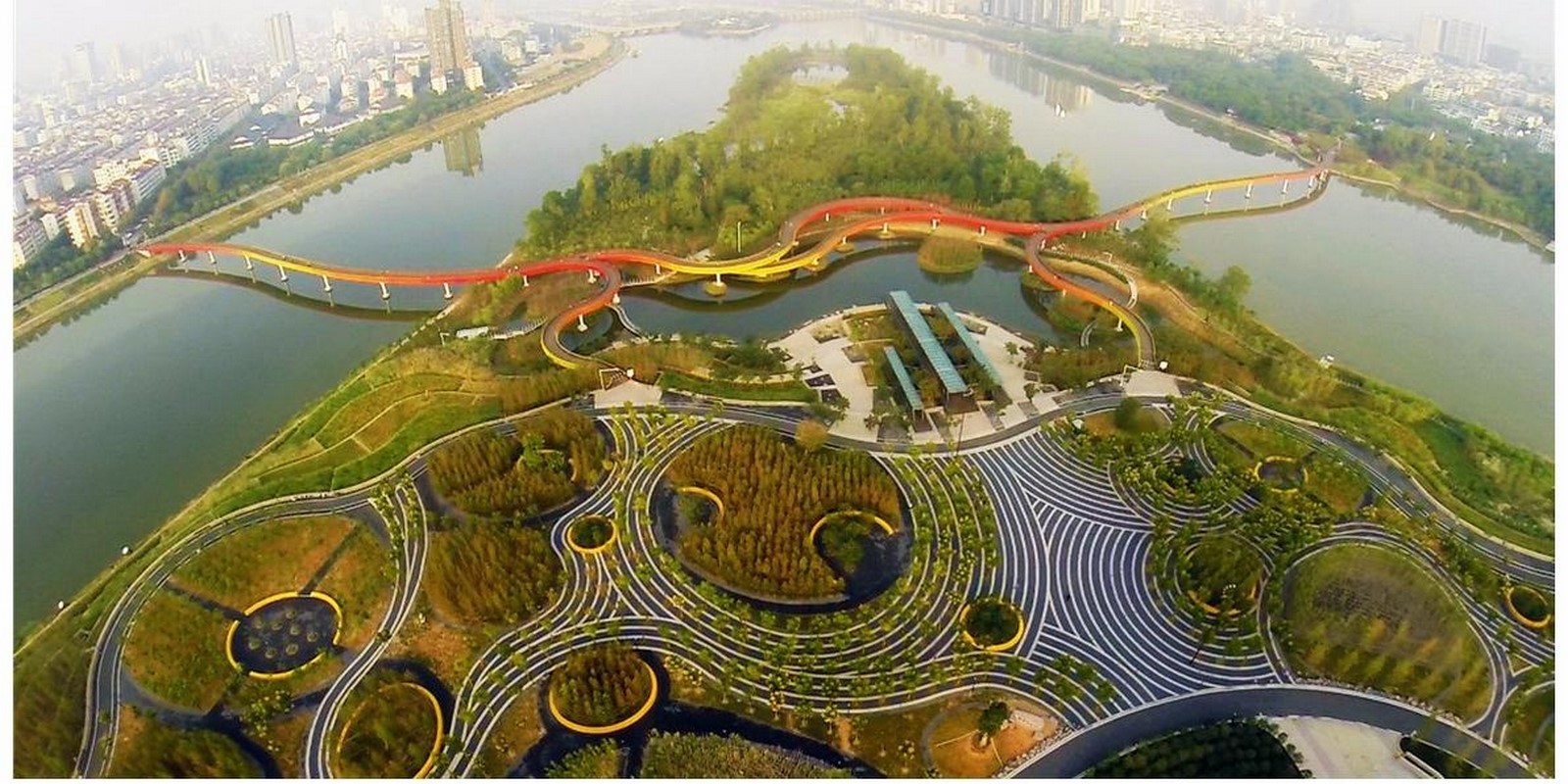
Creating environmentally sensitive landscapes requires incorporating sustainable design into urban planning. China, Freiburg, Copenhagen, Barcelona, Stockholm, and Masdar City provide examples of how creative designs may prioritize green areas, encourage public transit, and create pedestrian-friendly locations. These cities show that balancing nature and manmade surroundings improves inhabitants’ quality of life while addressing environmental issues. As we look to the future, the knowledge gained from these cities offers important insights for creating inclusive and sustainable urban settings across the globe.
A Greener Future Awaits
Sustainable architecture is reshaping our future by designing structures that balance environmental concerns with the natural world. Incorporating energy-efficient technologies, biophilic design principles, and renewable materials can result in healthier urban settings, as demonstrated by creative projects like Bosco Verticale and The Edge.
In addition to changing skylines, architects who use these techniques are strengthening the bond between people and their environment. As we proceed, the dedication to sustainability will be crucial in creating environmentally conscious urban environments that put the welfare of people and the world first.