After writing a hoard of exams and NATA, here I was waiting for the results of my admissions in colleges. I had a basic idea of what to expect during this tenuous course. Assignments, traveling, sketching and painting research, and more. Something which I never knew was how much architecture today is enormously software-dependent. There is also the freedom to mold our career to a great extent, with the number of specializations available. There are just so many facets for students, internships, competitions, class projects, and more. It can be increasingly confusing for many.
A few months ago, the Supreme Court passed a controversial statement that qualifications are not necessary to practice architecture. So, let me share the skills and knowledge I learned in Architecture School.
Sketching and other artistic flairs
The best way to explain ideas and concepts are visuals. Pictures speak a thousand words. I understood the importance of fundamental components of design that are dots, lines, and planes. Some of the most acclaimed designs can be broken into simple shapes, lines, and curves. Colour theory and psychology, striking contrast or similar colors, different hues and tones, the list is endless. Using mediums like watercolors, pencils, inks, and Rotring pens, we could give life to our views.
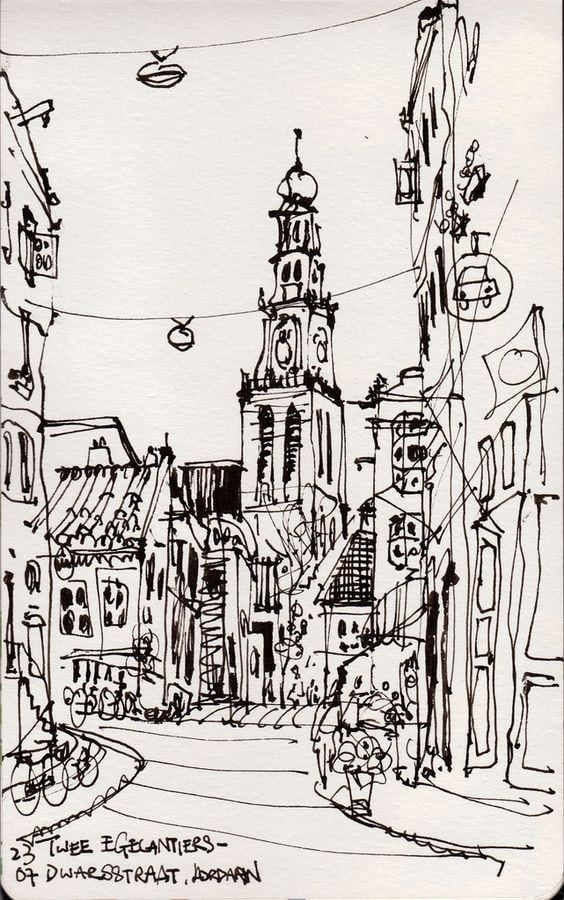
Architectural History and the need for conservation
Seven different continents, one hundred and ninety-six countries, every region has a unique style of building that has been influenced by many factors. From the ancient nomadic caves to contemporary architecture with domains like religious, commercial, and institutional buildings and well even mausoleums, give inspiration to our modern designs. These structures stand as symbols of culture, the glory of the past, and as an example for the future. Hence, their conservation becomes indisputable.
Construction and Structural Technology
Theory subjects are alright, but we couldn’t have possibly put a building together without ample knowledge about building materials and the strength and stability of structures. Every substance has its unique properties and applications, which with a lack of proficiency, could lead to irreversible disasters. There is immense engineering that goes into construction. Foundations, walls, roofs, columns, their right sizes, and placements, I learned it in architecture school.
Different typologies of design and standards
Every semester at school started with a new project. From designing residences, rural interventions, communities, institutions, and commercial high rises, we understood what it takes to build them. We got educated about using standards, proper analysis of case studies, and more. Different stages of design, like site analysis, bubble diagrams, and program tables, helped us make our ideas concrete. I learned how to develop my design process and be consistent at it. The users of the space are the topmost priority and aesthetics are secondary. Architects are problem-solvers first and artists later.
Electives to pursue our interests
It’s known that architecture is a versatile career option. Some include interior and furniture design, Set design, Architectural journalism, and photography, digital programs and Softwares, etc. The concept of electives is to trace our secondary or more intriguing interests in the field, which we might wish to pursue in the future. Subjects like sustainable design, landscape design, bio-inspired and urban design are electives as well.
Building services management
These systems installed in any space make it habitable, comfortable, efficient, and safe. With two main pillars of electricity and plumbing facilities, there is more to BIM. Security systems, fire alarm systems, acoustic systems, and access systems compose BIM. We learned their uses, proper placements, and specifications.

Values and lessons
I picked up life skills like time management, team spirit, leadership qualities, multi-tasking, careful planning, and execution. Oratory, written and presentation skills were also enhanced. Hard work and smart work both pay off. The goal is to create simple designs and not chaos and, hence a designer must know when to hold back. Good designs are born from iterating a hundred good ideas and working upon it; therefore, one must not settle for the first idea. Being curious is not a sin, and school is the only place where you would get the opportunity to trial and error and learn from mistakes. Critical thinking is an integral part of an architect’s process. One mustn’t shy away from asking too many questions. Building a good network is crucial to stay relevant in this harsh industry. Finally, one last lesson, learning never stops irrespective of the place and time.
Software Knowledge
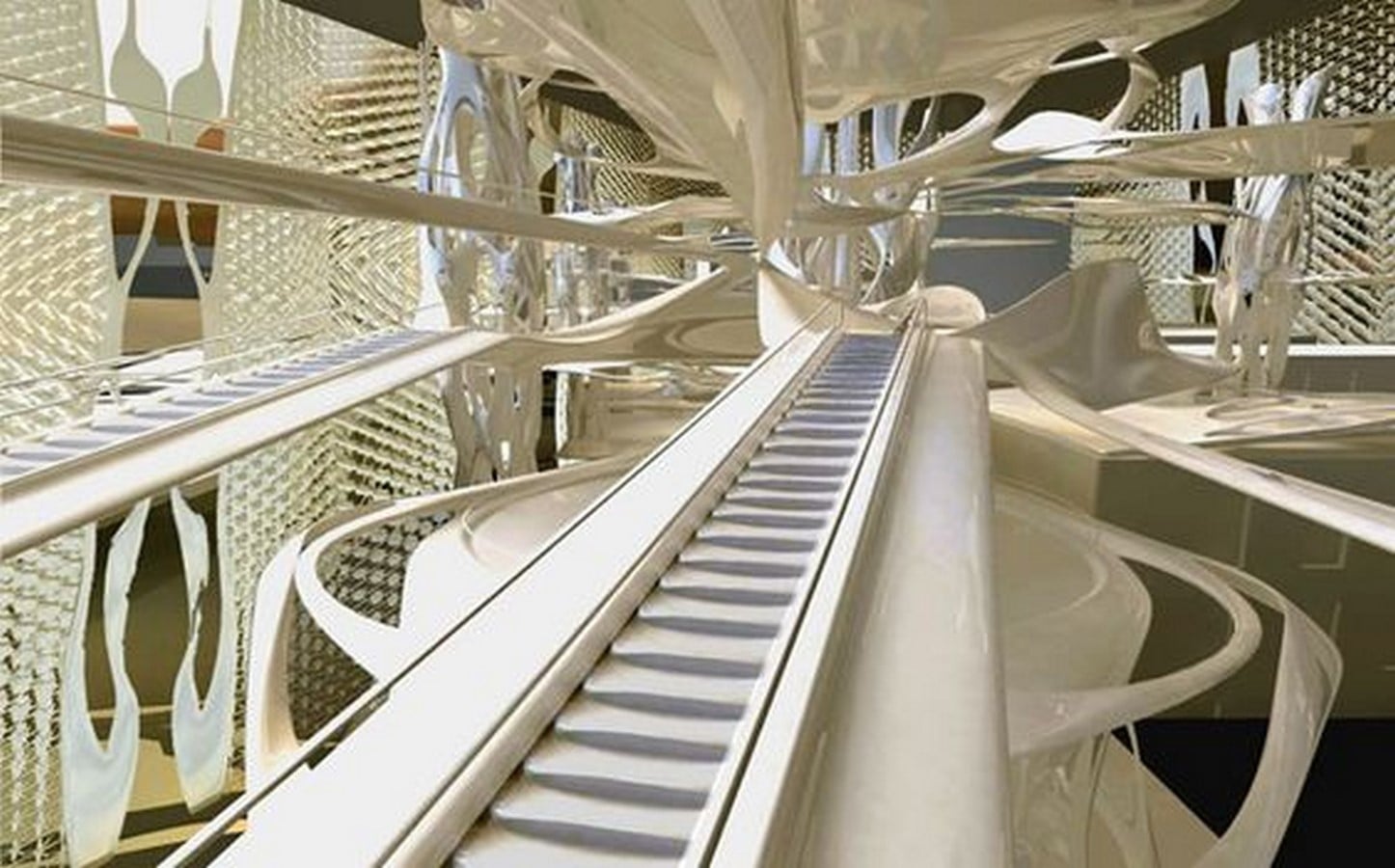
A demanding field that it is, decade after decade, architecture is increasingly dependent on technology to present ideas, and why not? It is faster, comparatively less tedious, errors rectified, it looks more professional. From drafting to rendering software, there are hundreds of programs to make the realistic portrayal of designs and walkthroughs. In some instances, we cross a thin line when we expect the system to think for us, which in practice isn’t right. Technology is both a boon and a curse.
These are the things I learned in architecture school so far and hope there is more to learn shortly.