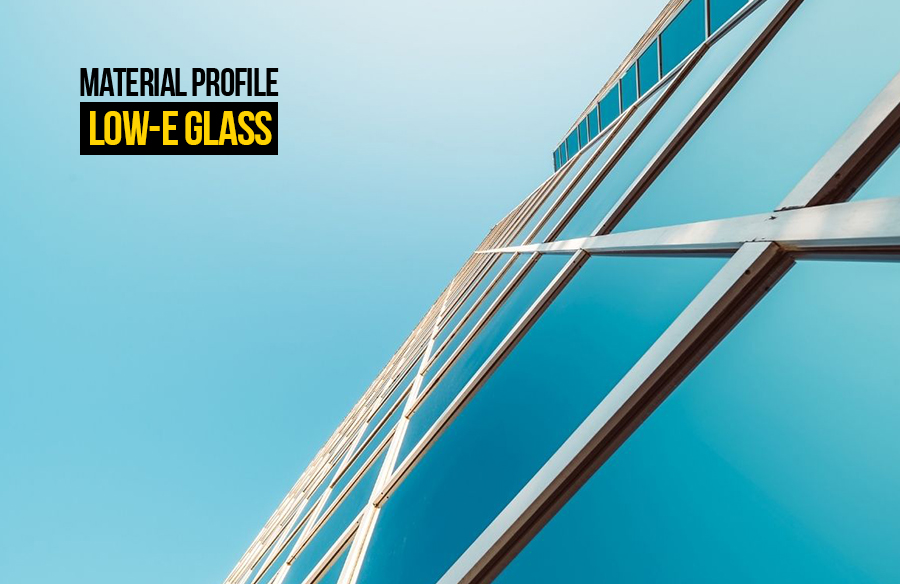
Low-emissivity (Low-E) glass is an innovative and energy-efficient material used in modern construction. Designed to improve thermal insulation while maintaining natural light penetration, it is an essential component of sustainable architecture. The evolution of Low-E glass reflects advancements in material science aimed at addressing the environmental challenges posed by energy-intensive buildings. By enhancing energy performance, reducing costs, and promoting sustainability, Low-E glass contributes significantly to the design of comfortable and environmentally friendly spaces.


Understanding Low-E Glass: How It Works
Low-E glass is coated with a microscopically thin, transparent layer of coating on the surface of the glass. This coating reflects infrared radiation, which contributes to temperature fluctuations within buildings. At the same time, it allows visible light to pass through, ensuring that spaces are well-lit while minimizing energy loss.
The coating on Low-E glass works on the principle of emissivity, which is the ability of a material to radiate absorbed energy. Regular glass has high emissivity, meaning it allows a substantial amount of heat to escape. In contrast, Low-E glass has reduced emissivity, ensuring better energy retention. This property makes it a valuable material in regions with extreme temperatures, as it helps maintain indoor thermal balance by minimizing heat transfer (Low-E Glass, 2021).
Low-E Glass Historic Development Control of Heat Transfer Through Windows Is Considered As Going Several Decades Back; However, Initial Experiments Were in Double Glazing During The 1970s Energy Crises Renovated Focus on Efficiency in Building, Which Introduced the Idea of Coating for Window Glass Initially, Metal Layers Coating to Reflect the Solar Radiation Were Used on Glass to Improve Its Reflection Capability Not Yet Optimized on Optical Clarity nor Long-Term Resistance.
The first commercial Low-E glass was established in the late 20th century, with sputter coating techniques, aiming to balance energy performance with transparency. Since then, the technology has developed into meeting the needs of the modern construction, such as high thermal performance, aesthetics, and adaptability to various climatic conditions (U.S. Department of Energy, 2020).

Types of Low-E Glass: Hard Coat vs. Soft Coat
There are two main types of Low-E glass: hard coat and soft coat. Both types have different properties, applications, and benefits.
- Hard Coat Low-E Glass : Hard coat Low-E glass is made by depositing the coating onto the glass when it is still hot and in a semi-molten state. This method, called pyrolytic deposition, forms a tough coating that adheres to the glass surface. Hard coat Low-E glass is best for colder climates to keep heat within buildings. It is also known to be more durable, especially for applications in which glass is exposed to harsh environment conditions (Low-E Glass, 2021).
- Soft Coat Low-E Glass : This type of Low-E glass is produced by a process called vacuum sputtering with a thin layer of metallic or metal oxides on the glass. This method makes possible control of coating properties in greater detail to get greater energy efficiency and optical clarity. Low-E glass, soft coat, is well suited to hot climates since it allows for maximum reduction of solar heat gain to keep the interior cooler. It does, however suffer from potential damage and is typically sealed inside IG units (U.S. Department of Energy, 2020).

Benefits of Low-E Glass
Low-E glass offers several benefits that make it a preferred choice for architects and builders. Among them are the following:
- Energy Efficiency :Low-E glass reduces heat transfer, which means that heating and cooling systems are used less. This will reduce energy consumption and, consequently, save a lot of money over the life of a building. For example, studies show that energy-efficient windows, such as those with Low-E coatings, can save homeowners up to 20% on annual energy bills (U.S. Department of Energy, 2020).
- Enhanced Comfort :Indoor temperature is maintained at a consistent level, which ensures comfort. Low-E glass prevents draughts and temperature swings because it reduces heat loss during winter and heat gain during summer. This is especially valuable in regions that have extreme seasonal variations (Low-E Glass, 2021).
- Environmental Benefits :Low-E glass helps reduce energy consumption, thereby reducing greenhouse gases. Buildings consume the majority of the world’s energy, so using Low-E glass can be part of the long-term process to achieve reducing carbon footprints. It is also recyclable, which adds to its sustainability status (Low-E Glass, 2021).
- Beauty and Functionality Versatility: Low-E glass offers an unobstructed view and abundant natural light while keeping energy efficiency intact. It is flexible enough to fit most architectural designs, from large window expanses of modern designs to more conservative designs (Low-E Glass, 2021).
Technical Features of Low-E Glass Performance
The performance of Low-E glass is dependent on its U-value, SHGC, and visible transmittance.
- U-Value :This parameter measures the rate at which heat transfers through glass. Lower the U-value, that glass possesses good insulation property. Comparing low-E glass with typical glass, U-values typically turn out to be appreciably lower in the case of low-E glass (U.S. Department of Energy, 2020).
- Solar Heat Gain Coefficient (SHGC) : SHGC measures the percentage of solar radiation that penetrates into a building through the glass. In hot climates, low SHGC values are preferred in order to reduce heat gain, whereas in colder climates, higher SHGC values are preferred in order to increase solar heating during winter months (Low-E Glass, 2021).
- Visible Transmittance :Visible transmittance is the visible light that passes through the glass. Good-quality Low-E coatings make sure that the natural light is not decreased to a large extent and keeps the interior bright and welcoming (Low-E Glass, 2021).
Applications of Low-E Glass in Modern Construction
Low-E glass has emerged as the backbone of sustainable building design and is being used in residential, commercial, and institutional projects. It is widely used in:
- Energy-Efficient Windows :Double and triple-glazed windows with Low-E coatings are widely used for new construction and retrofitting old buildings. The systems are mostly filled with insulating gases, such as argon or krypton, to increase thermal performance (Low-E Glass, 2021).
- Skylights and Curtain Walls :Skylights and curtain walls are among the key features in modern architecture, offering natural light and aesthetic appeal. Low-E glass enhances these features by reducing heat transfer and glare while maintaining transparency (U.S. Department of Energy, 2020).
- Green Building Certifications :Low-E glass is an integral component to the attainment of green building certifications like LEED. Its energy-saving abilities increase the scores in areas that have to do with energy efficiency, indoor environmental quality, and material sustainability (Low-E Glass, 2021).
Challenges and Considerations
Though Low-E glass has so many advantages, there are some challenges associated with using it:
- Higher Initial Costs : It will add advanced manufacturing processes, thereby giving way to more significant up-front costs compared to ordinary glass. In contrast, low-E coatings tend to reduce long-term energy expenditure costs (Low-E Glass, 2021).
- Suitability with Building Designs :Performance efficiency of low-E glass also depends on several other aspects such as orientation, shading and building insulation. These all come together at the architect’s drawing table when carefully weighed (U.S. Department of Energy, 2020).
- Likelihood to Require Maintenance :Soft coat Low-E glass, for example, may necessitate protection and maintenance to endure. For this reason, correct sealing and cleaning should not damage the coating (Low-E Glass, 2021).
- Innovations and Future Directions :Low-E glass has a bright future in conducting further research and development toward making it a better performing, more affordable, and environmentally friendly window. Trending areas comprise
- Dynamic Glazing Technologies : Dynamic glazing like electrochromic and photochromic glass integrate Low-E coatings that respond to changes in light and temperature. It is these technologies that would bring higher energy savings with user control, as outlined by the U.S. Department of Energy (2020).
- Manufacturing Improvements :Advancements in the techniques of sputtering and pyrolytic are making Low-E glass more efficient and affordable to produce. These enhancements will be bound to result in its adoption in even broader ranges of projects (Low-E Glass, 2021).
- Integration with Smart Building Systems :Low-E glass can be integrated with smart building technologies such as automation shading and lighting systems to enhance energy usage and occupant comfort (Low-E Glass, 2021).
Low-E glass is a very recent advance in green building, offering unmatched performance for energy efficiency, comfort, and environmental responsibility. It allows reducing heating and cooling demand with natural light and aesthetic appearance, making it a critical material for modern architecture. As technology continues to develop, Low-E glass is poised to play an even more important role in the design of resilient and energy-efficient buildings.
References:
Low-E Glass. 2021. A comprehensive guide to low-emissivity glass and its benefits. Retrieved from https://www.loweglassguide.com
U.S. Department of Energy. 2020. Energy efficiency in buildings: Windows and doors. Retrieved from https://www.energy.gov/eere/buildings/windows-doors
Glass, V. A. (n.d.). How Low-E Glass Works. https://glassed.vitroglazings.com/topics/how-low-e-glass-works
Windows, S., & Windows, S. (2020, November 13). What is low-E glass? | Smarter Windows & Doors. Smarter Windows & Doors | Vinyl Windows by Kasson & Keller. https://www.smarterwindows.com/low-e-glass/
What Is Low-E Glass? How Does It Improve Energy Efficiency? (n.d.). https://www.championwindow.com/window-buyers-guide/what-is-low-e-glass/