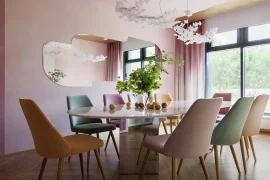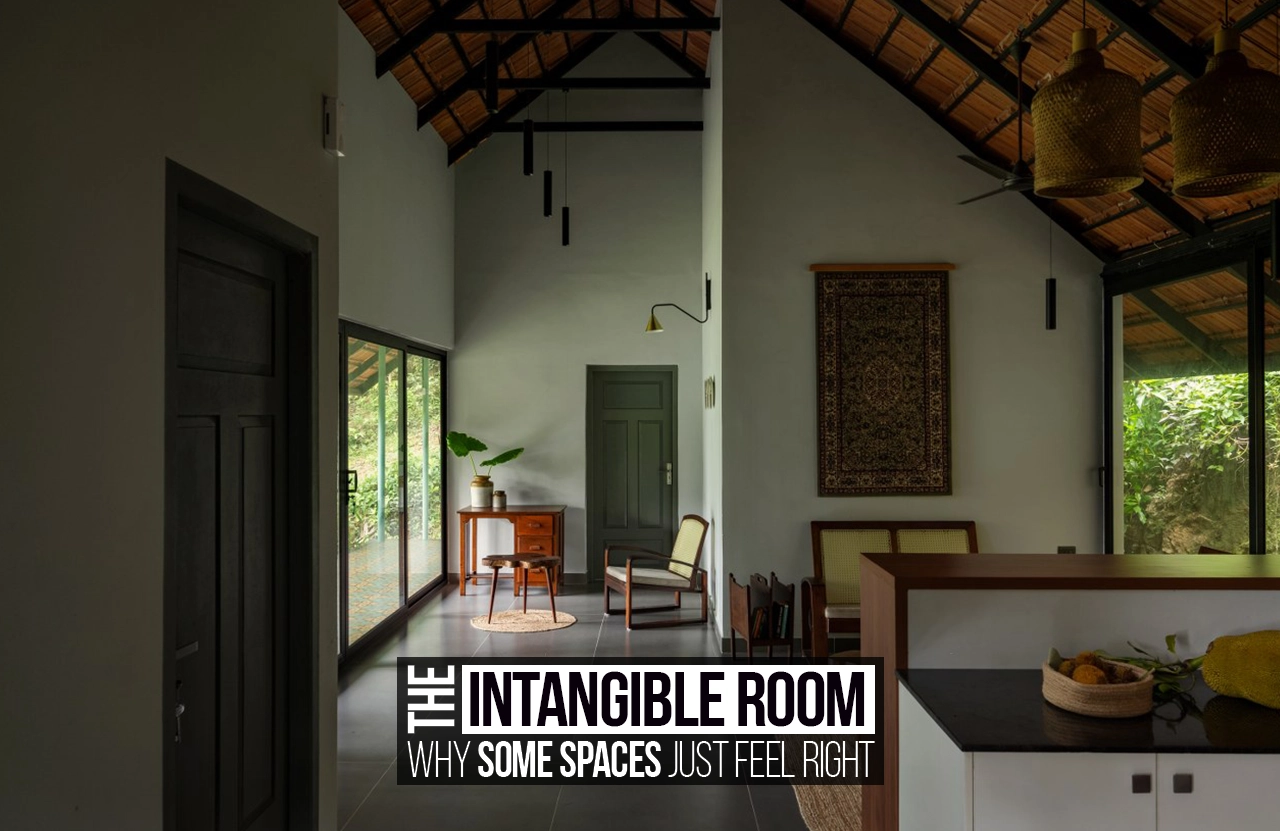
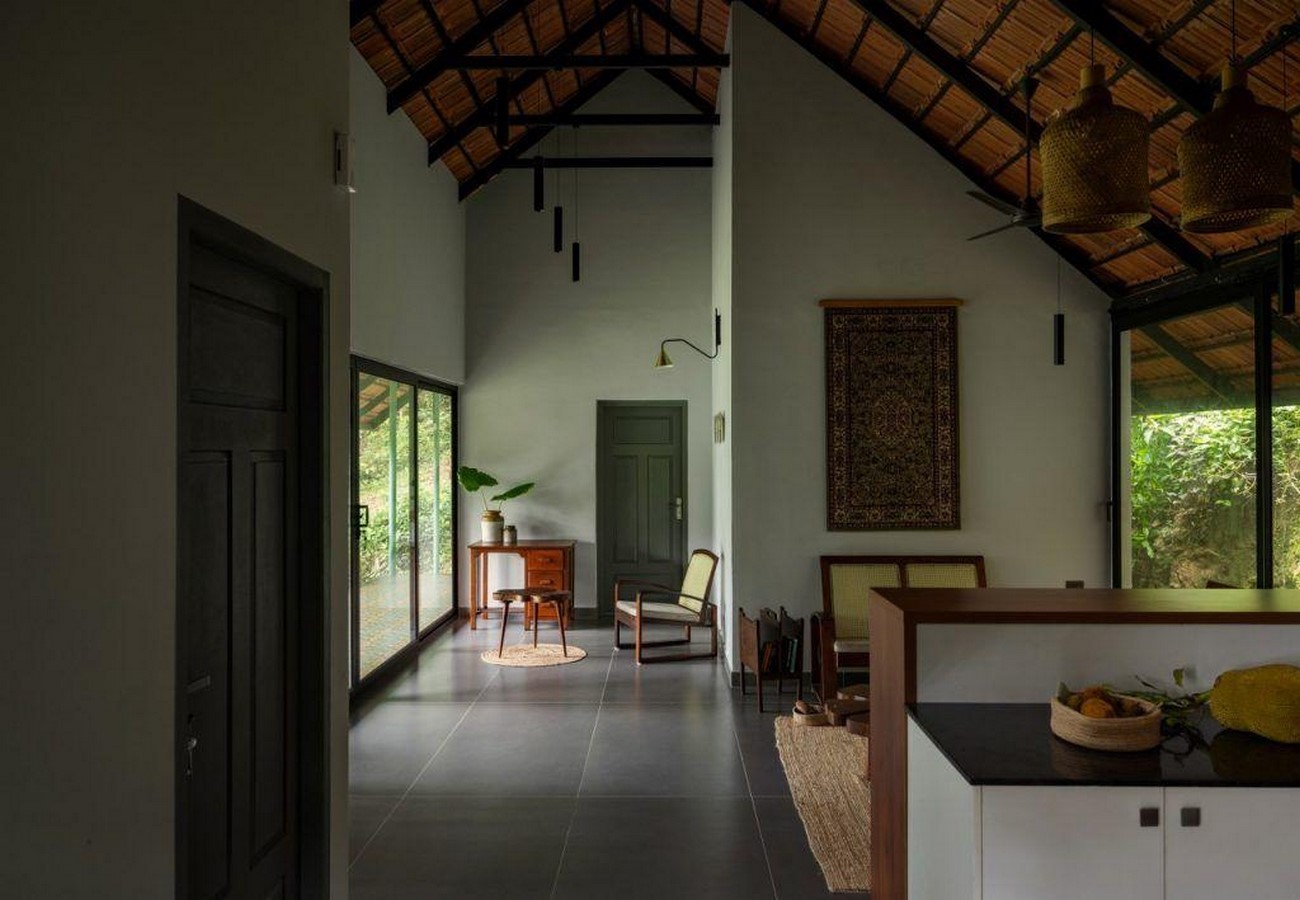
Drinking coffee while looking out through a large floor-to-ceiling window, soft sunlight slowly enters the space. Shadows move gently across the floor as the day progresses, and the room feels calm without trying too hard. The furniture is not congested, not minimal for display, just enough to belong there. Warm light from the ceiling settles quietly, and the air feels comfortable to sit in. Nothing in the space is demanding attention, yet everything feels right. These are the moments when a room does not speak through form or material alone, but through how it makes a person feel.
Some spaces stay with us for reasons that are difficult to explain. They do not rely on dramatic design gestures or visual complexity. Instead, they work through intangible qualities such as light, proportion, temperature, sound and atmosphere. These elements shape how spaces are experienced rather than how they are seen. While architecture is often discussed through drawings, measurements and performance, the emotional response of users is frequently overlooked. Yet this is the invisible layer that determines whether a space feels comforting, overwhelming or quietly supportive. Understanding why some spaces feel right requires looking beyond the tangible and acknowledging the subtle sensory experiences that define how people truly inhabit spaces.
When Spaces Are Felt, Not Seen
Some spaces are understood before they are analysed. You enter them and your body reacts first, even before the mind does. Light falls softly instead of harshly, shadows move slowly instead of cutting across surfaces, and the air feels easy to breathe. There is no need to search for comfort, it is already there. These are not things that stand out in drawings or photographs, yet they shape the experience deeply. Spaces like this are felt more than they are seen. They work quietly through sensory layers such as daylight, air movement, acoustic calm and thermal comfort, creating an atmosphere that feels balanced without effort.
Often, these qualities are overlooked because they are difficult to quantify. Architects can measure dimensions, materials and performance, but feelings are harder to capture. Still, people remember how a space made them feel long after they forget its form. A room with gentle light and soft sound can feel safe and grounding, while a visually impressive space can feel tiring or overwhelming. Research and design discussions increasingly acknowledge that intangible aspects such as mood, perception and emotional response play a strong role in how people inhabit spaces (Project FUEL, 2020). When these elements come together naturally, spaces begin to feel right, even if we cannot clearly explain why.
Memory, Familiarity and Emotional Comfort in Spaces
Some spaces feel right because they remind us of something familiar, even if we cannot name it clearly. It could be the way light enters in the morning, the sound of footsteps on a floor, or the quiet presence of people who have used the space before. These memories settle into spaces over time. A room that has been lived in, touched, and used daily often feels more comforting than a perfectly finished one. The marks of everyday life, slightly worn surfaces, and familiar proportions create emotional safety. People relax in such spaces because they do not feel the need to perform or adapt. The space already understands them.
This emotional comfort is closely tied to how people build relationships with spaces. Over time, spaces begin to hold routines, conversations and pauses, becoming part of personal and collective memory. These intangible qualities influence how long people stay, how they move, and how connected they feel. Studies and reflections on spatial experience suggest that people respond strongly to places that support familiarity and emotional belonging rather than visual perfection (Project FUEL, 2020). When spaces allow memories to form naturally, they stop being neutral containers and become places of attachment. This is why certain spaces feel right without explanation, because they quietly align with human memory and emotion rather than design intention alone.
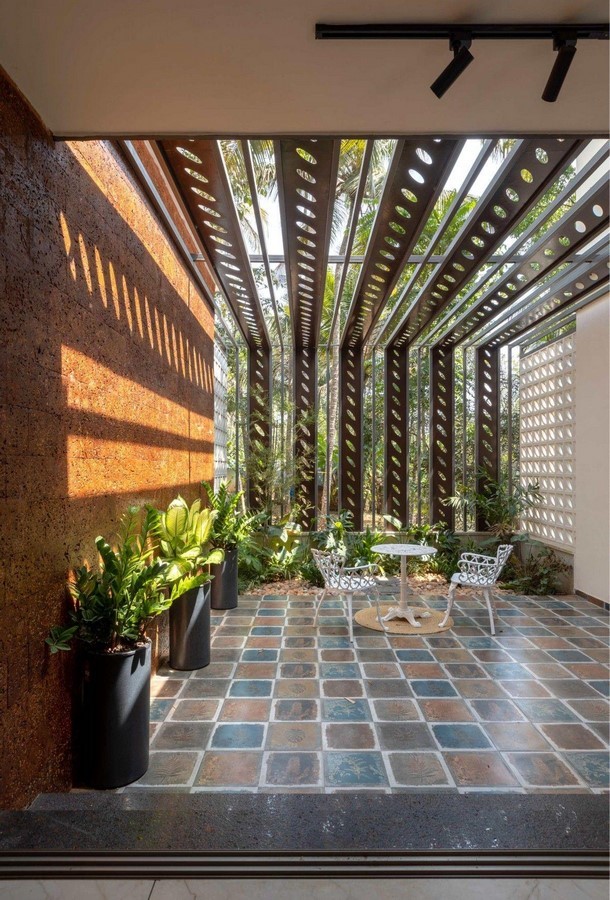
The Architect’s Blind Spot:
In many design processes, the focus often shifts towards what can be shown, measured and presented. Plans, sections, materials, performance data and visual impact take priority. While these aspects are important, they sometimes overshadow how a space actually feels when someone occupies it. Spaces may look refined and well-detailed, yet feel cold, loud or exhausting once inhabited. This gap between visual success and lived experience is a common blind spot in architectural design. When emphasis is placed too heavily on form and image, the sensory and emotional needs of users are quietly pushed aside.
This disconnect becomes more evident in everyday spaces where people spend long hours, such as homes, workplaces or waiting areas. A space that performs well on paper may still feel uncomfortable due to harsh lighting, poor acoustics or lack of warmth. These issues are not always visible in drawings, but they are immediately felt by the body. Research on spatial experience highlights that intangible qualities play a crucial role in user well-being and comfort, even though they are rarely prioritised in design decision-making (ResearchGate, 2021). When architects overlook these invisible layers, spaces risk becoming technically efficient but emotionally distant. Recognising this blind spot is the first step towards creating spaces that truly support human experience.
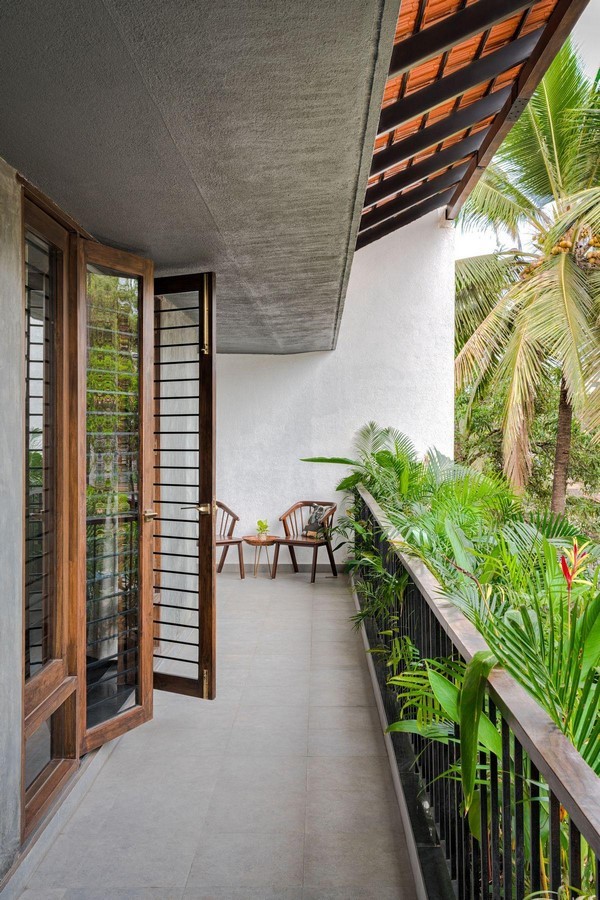
Designing For the Intangible
Designing for intangible qualities does not require dramatic gestures or complex strategies. It often begins with restraint and awareness. Allowing daylight to enter naturally, giving space for shadows to move, or creating moments of silence within a plan can change how a space is experienced. These decisions may seem small, but they directly affect how people feel inside spaces. Instead of filling rooms with objects, surfaces and information, designing with pauses and emptiness allows spaces to breathe. In such environments, comfort is not forced, it emerges naturally through balance.
This approach asks architects to slow down and observe how people actually use and occupy spaces. Designing for the intangible means paying attention to transitions, thresholds and in-between moments rather than only the final form. A corridor that gently narrows, a window placed for morning light, or a ceiling height that feels human can quietly support emotional comfort. Research on spatial experience suggests that when sensory elements such as light, sound and thermal comfort are considered together, spaces become more supportive and less demanding for users (ResearchGate, 2021). By designing with these invisible layers in mind, architecture moves beyond performance and begins to care for human presence.
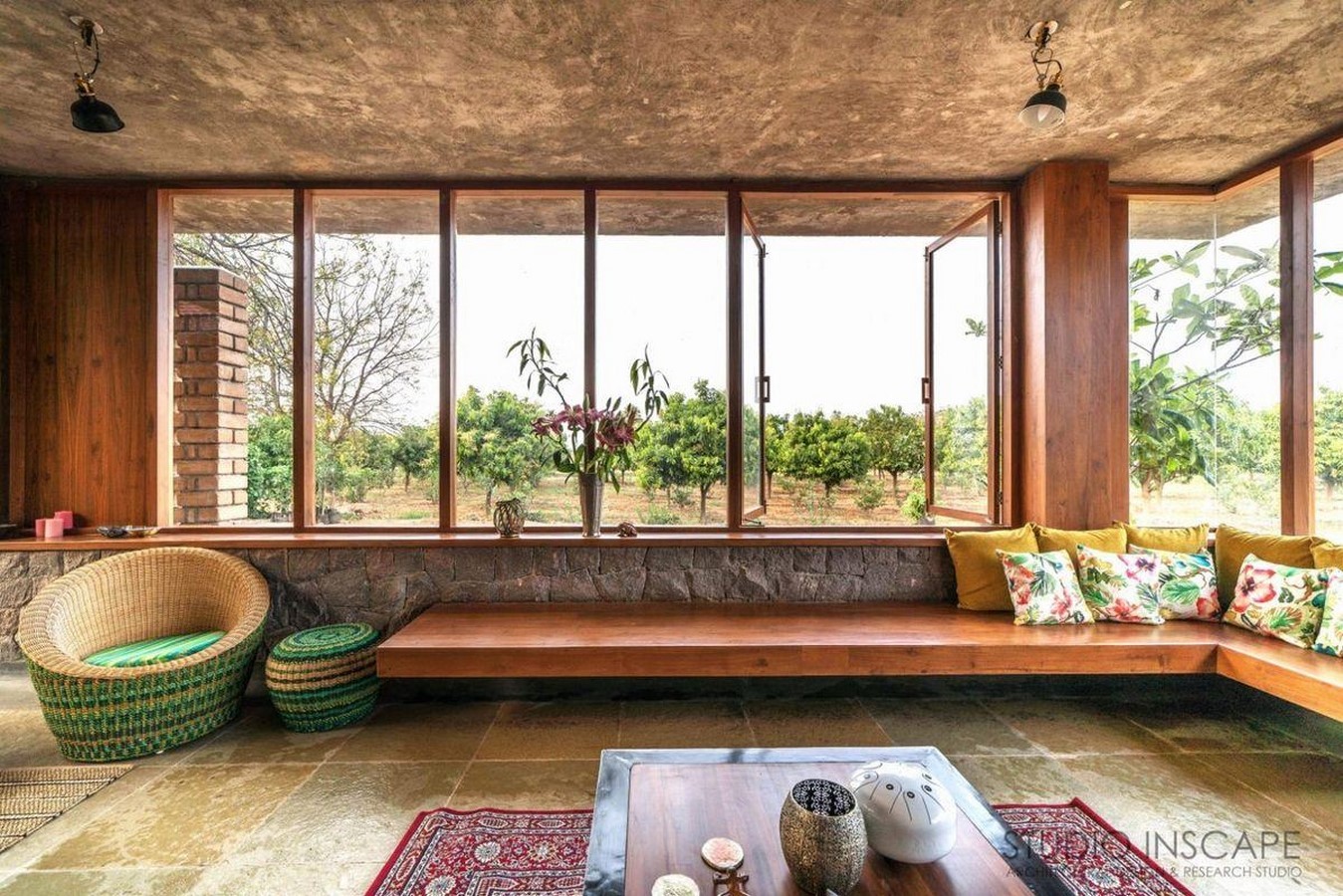
Some spaces stay with us not because of how they look, but because of how they make us feel. These are the rooms where time slows down, where the body relaxes without instruction, and where presence feels natural. Intangible qualities such as light, sound, temperature, proportion and atmosphere quietly shape these experiences. Although they are difficult to measure or represent in drawings, they play a powerful role in defining how spaces are remembered and inhabited. When these elements come together gently, a space begins to feel right without needing explanation.
As architectural practice continues to focus on performance, efficiency and visual impact, the emotional experience of users must not be overlooked. Designing meaningful spaces requires attention to the invisible layers that support comfort, familiarity and well-being. The intangible room reminds us that architecture is not only about form or function, but about how spaces are lived in every day. When architects design with sensitivity towards sensory and emotional experiences, spaces become more than physical enclosures. They become places that quietly support human life, leaving lasting impressions long after people move through them.
Bibliography:
Fuel, Project (2020) Places, People and Their Intangibles. https://blog.projectfuel.in/2020/07/17/intangibles-of-people-and-places/