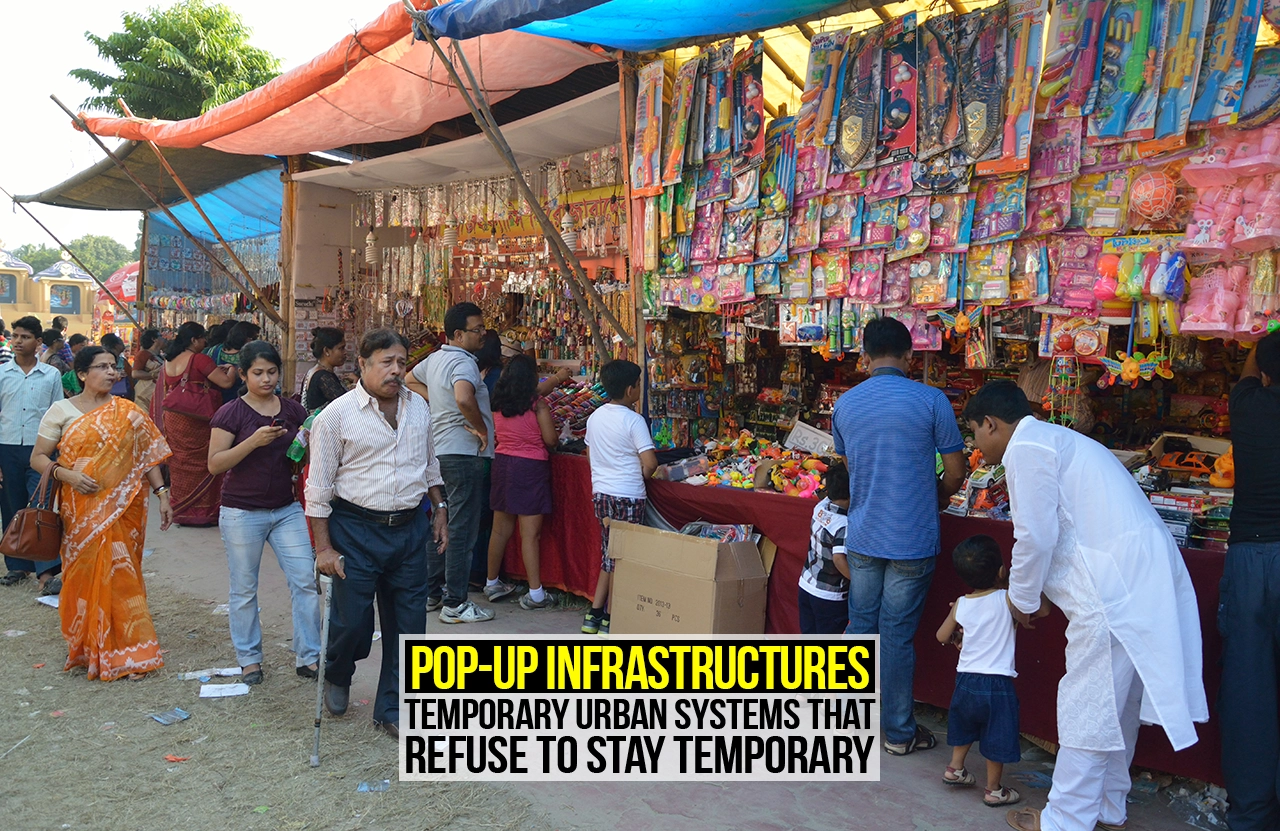
Cities are often understood through their permanent settings. Built structures, sidewalks, roads, long-term infrastructures, and existing urban surroundings that define everyday urban life. However, many environments undergo temporary transformation in response to socio-cultural activities and seasonal events. These Temporary urban systems show how cities can rapidly reorganise themselves to accommodate shifting economic and social demands. Across South Asia, Festivals and cultural events often create a concept of pop-up infrastructure that supports the market activity, mobility, and space reconfiguration of various spaces, encouraging community interaction.
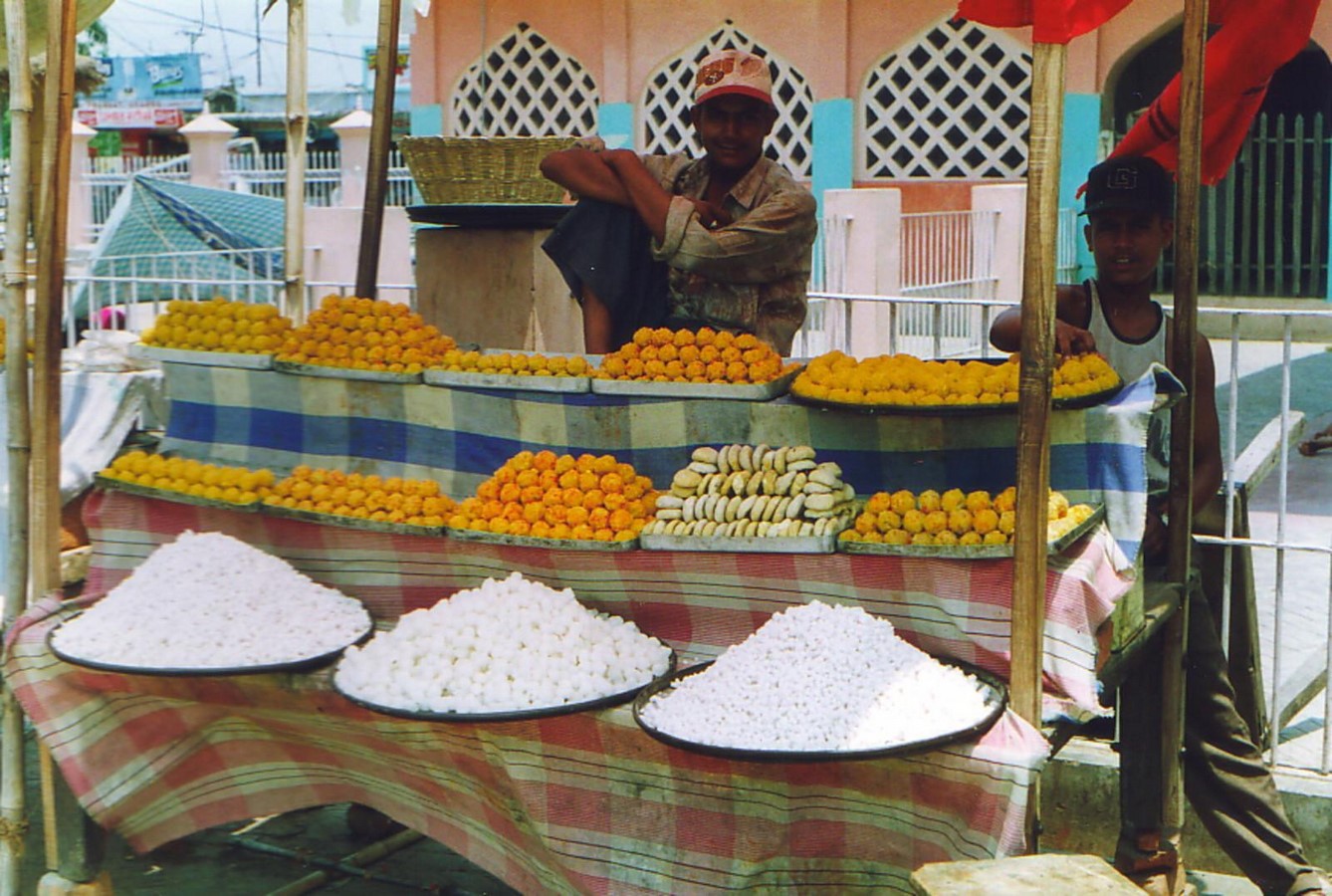
In various parts of the world, celebrations generate temporary markets, street infrastructure illustrating how Temporary Urban systems shape everyday urban life and how these settings become part of the region’s culture. In Nepal, the festive periods of Dashain and Tihar provide a compelling example of how cultural traditions create vibrant urban environments.
Festive Econony and Temporary Urban System
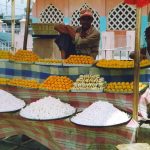
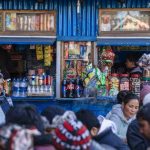
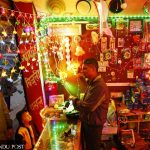
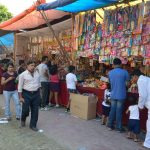
During the weeks leading up to the major festivals, many streets in Nepali cities transform into bustling festive markets. Road sides, vacant plots, and public squares are gradually occupied by temporary put-together stalls incorporating tent shops, lighting vendors, and decoration items. and food kiosks. These informal yet organized spaces operate as a highly efficient Temporary Urban System supporting the seasonal up-down in economic activity.
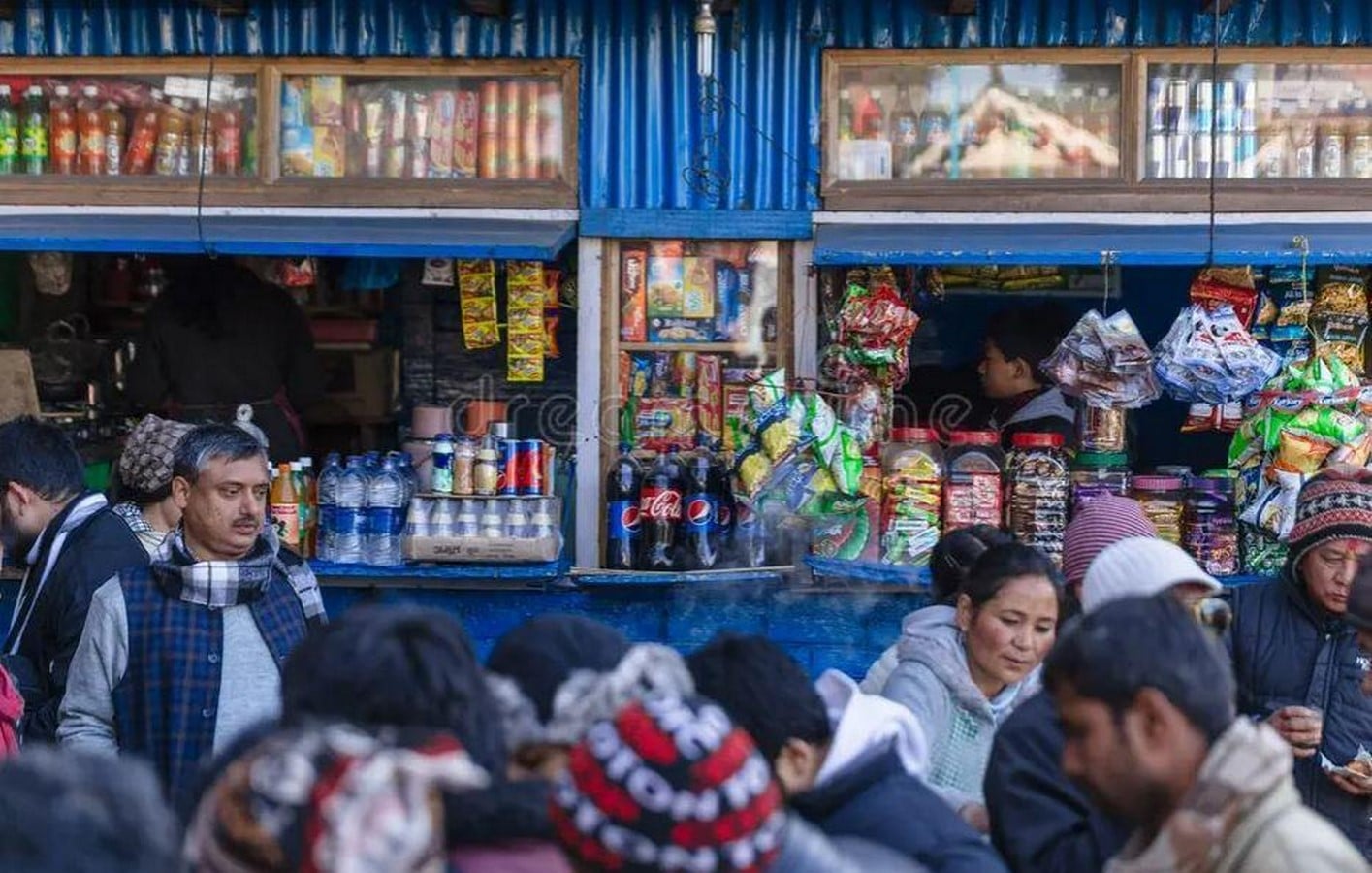
These temporary Pop-up stalls are often constructed using lightweight and highly efficient materials such as bamboo, Fabric sheets, and metal Frames, allowing them to assemble and disassemble easily. Despite their temporary and flexible nature, these structures create a dense hub for all kinds of commercial and cultural infrastructure that supports thousands of vendors and their consumers.
In this context, festive markets function as Temporary Urban Systems that facilitate economic exchange, mobility patterns, and public interaction within a limited timeframe, enabling small-scale traders, artisans, and farmers to directly participate in the urban economy without long-term investment.
Transforming Streets into Pop-up Markets
Urban streets that used to function in day-to-day life activities undergo a significant transformation within a small amount of time and labor. Side walks and parking area temporarily converted into vendor spaces, while pedestrian flow adapts automatically due to increased spatial activity. People are made to walk and enhance their interaction in such placeses with, also illustrating how a temporary system can reorganize urban space without permanent construction just for a specific timeline.
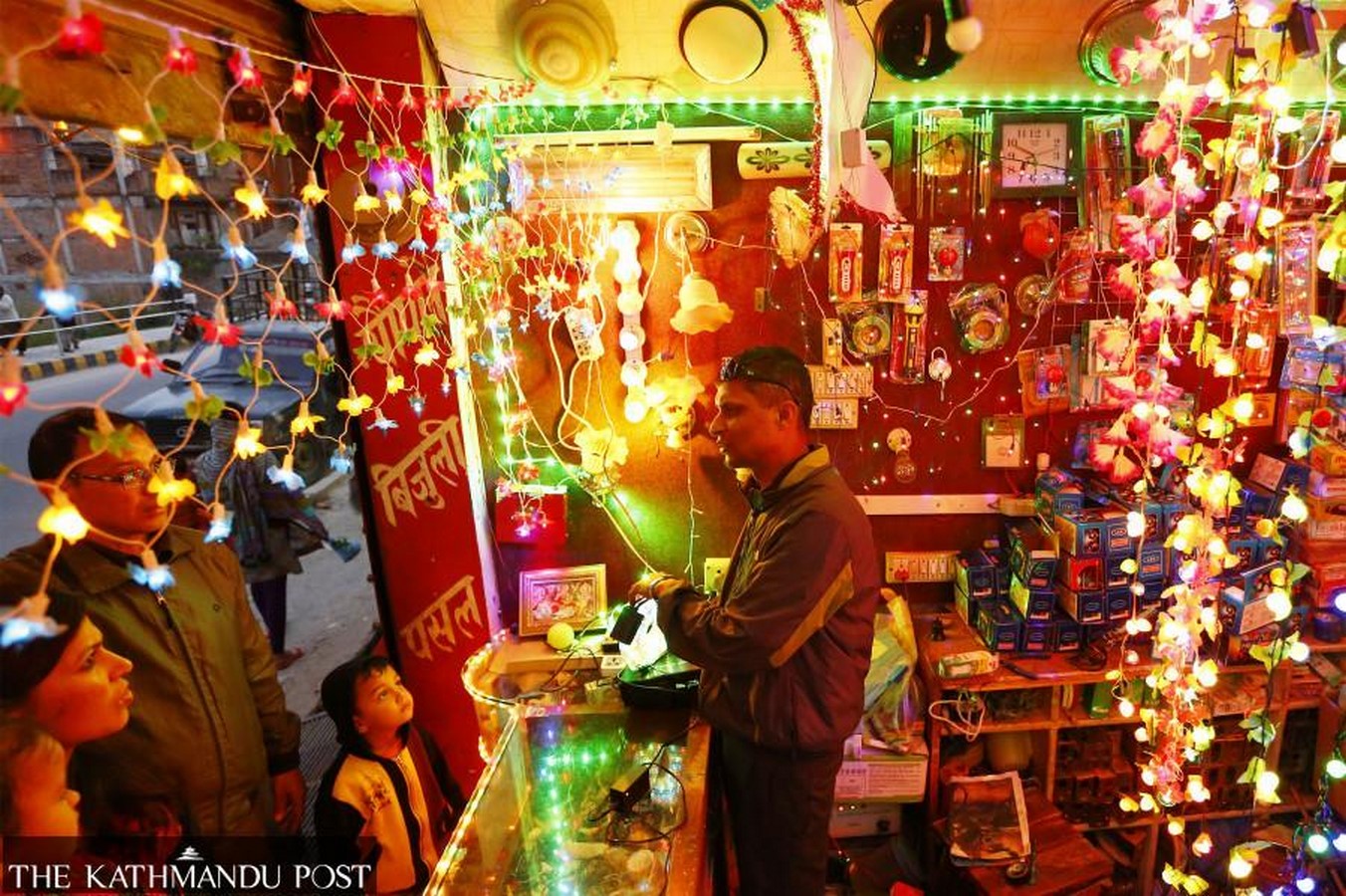
Even in villages and rural areas these practices are done in much higher settings where the whole community comes together with their various cultural significance to demonstrate, sell, and even exchange their various cultural values. The materials of infrastructure are more local, and major streets are expanded where vendors sell flowers, decorative lights (diya), additional clothing, and traditional foods. The result is a vibrant landscape shaped by temporary architecture and informal planning. The plannings are done by default, the spaces are arranged as per the flow of customers.
In the long term, these infrastructue has been shaping its own importance and necessity in people’s mind that they refuse to stay temporary. These practices are repeated for other various seasonal functions and gatherings, which demonstrates how these infrastructures accommodate large crowds while maintaining flexible and adaptive spatial arrangements.
Persistence of Temporary Urban System
Although these markets and their structure disappear once the festivals are over, the organisational patterns remain as they are. These reappear every year or at any other seasonal events. The seasonal re-emergence of these stalls creates a predictable rhythm within the city’s landscape, sometimes it also gives huge significance in demand for such spaces as a permanent hub as well. The concept of kiosk, mini (Farmer’s) market, stays behind as a permanent culture.
We can see their impacts on other commercial hubs as well, which highlights the profound impact of temporary urban structure on civic settings.
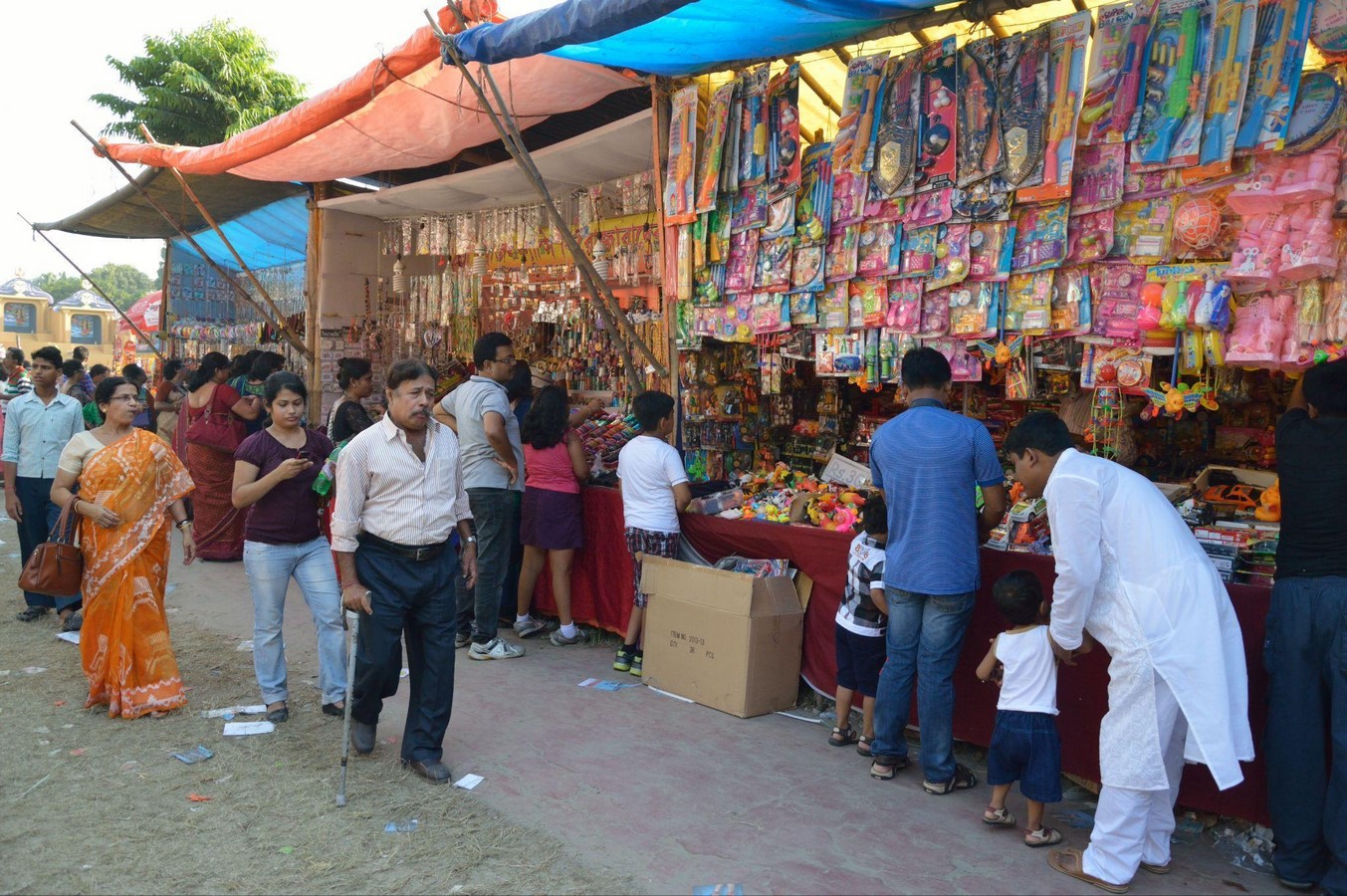
Festive markets demonstrate how cultural celebrations can reshape urban environments through temporary infrastructure. These dynamic settings demonstrate how these vibrant collisions are capable of supporting complex social and economic activities within limited timeframes. Although they refuse to stay permanent, the pattern of commerce, mobility, and communal interaction continues to influence our urban life annually. Thus, we conclude that urban life is shaped not only by permanent architecture but also by Pop-up infrastructure, which is mostly flexible and occurring.
References:
- Mehrotra, R. (2016) Ephemeral Urbanism: Cities in Constant Flux. New Delhi: Architexturez Press.
- Ministry of Culture, Tourism and Civil Aviation (2022). Festivals of Nepal. Available at: https://www.tourism.gov.np (Accessed: 20 March 2026).
- Bromley, R. (2000) ‘Street Vending and Public Policy: A Global Review’, International Journal of Sociology and Social Policy, 20(1), pp. 1–28.
- UN-Habitat (2020) World Cities Report 2020.