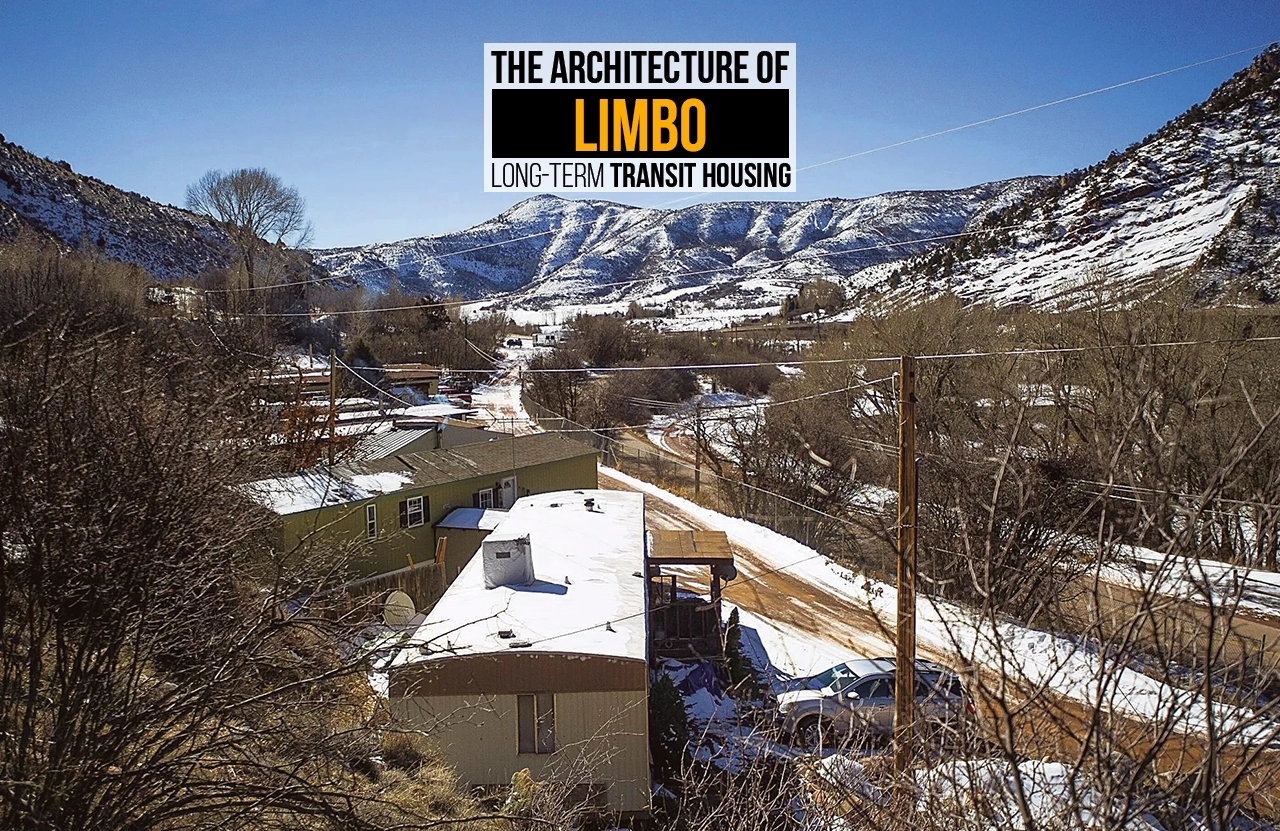
The discourse revolving around urban housing usually relies on a binary, with the permanent home on one side and the emergency shelter on the other. But this neat divide is a lie. It no longer fits the world we actually live in. As global displacement numbers hit massive new peaks, a third kind of space has forced its way into our cities. Known as the Long-Term Transit Housing, it is the architecture of limbo. These spaces are supposed to be for short stays, but for millions of people, they have become a semi-permanent trap. This happens because of broken systems, slow-moving officials, and the fact that modern crises simply do not end. As our cities grow, we cannot treat people in transition like a footnote. This is one of the biggest architectural challenges of our time. The real problem today is to protect human dignity when a temporary stay lasts for ten years or more.
The Failure of Permanent Temporality
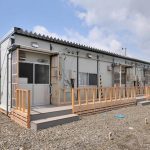
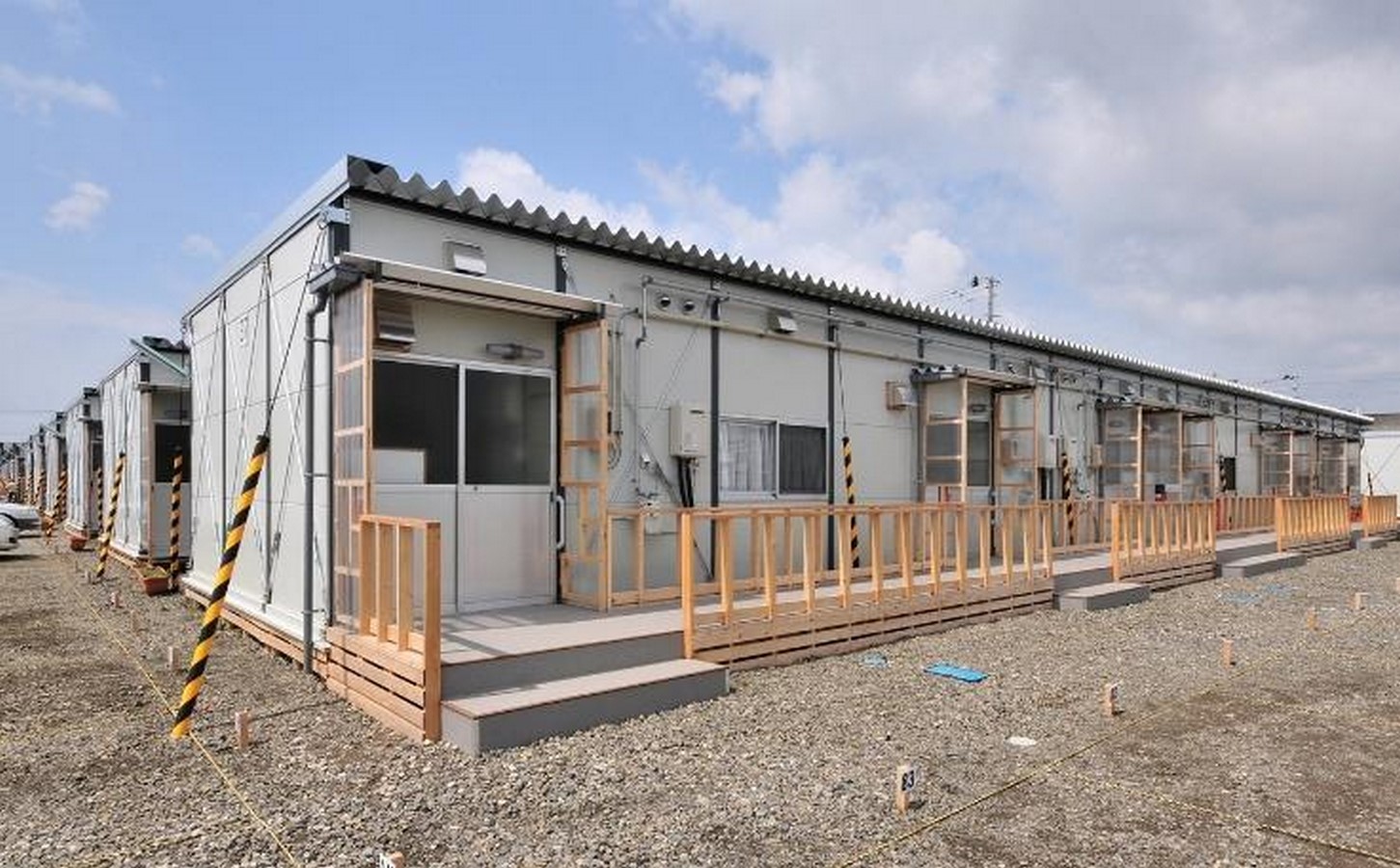
The biggest hurdle here is the physical and mental reality of what experts call Protracted Displacement. Most transit camps or modular units are built to last six months to two years. That is a design choice based on a mistake. The average stay in these transit spots now often lasts longer than a decade. Architecture fails the person when it stays temporary for ten years. When the materials start to damage, and social ties start to snap, the feeling of belonging declines. This loss of self is the direct result of designs that ignore how time actually works. Architects today have to fix this. We need to build things that are easy to move but feel solid and grounded. They have to be flexible enough to be recycled, but they need the quiet weight of a real home (UN-Habitat, 2022).
The most common model used in long-term transit housing is that of a shipping container. These metal boxes are popular because they are easy to transport, but are often terrible for human life. They trap heat in the sun, turn into refrigerators in the winter, and usually lead to deep social isolation. They do not have the spatial flow that a community needs to thrive. When transit housing includes shared spaces, like big kitchens or shaded porches where people can actually sit together, it changes the social chemistry. Moving away from rigid, gated rows of identical boxes toward cluster-designed layouts can spark small, informal moments that keep a community healthy. When we build these sites into the fabric of the city instead of pushing them to the edges, residents gain access to jobs, transport, and the feeling of belonging.
The Value of Incrementalism
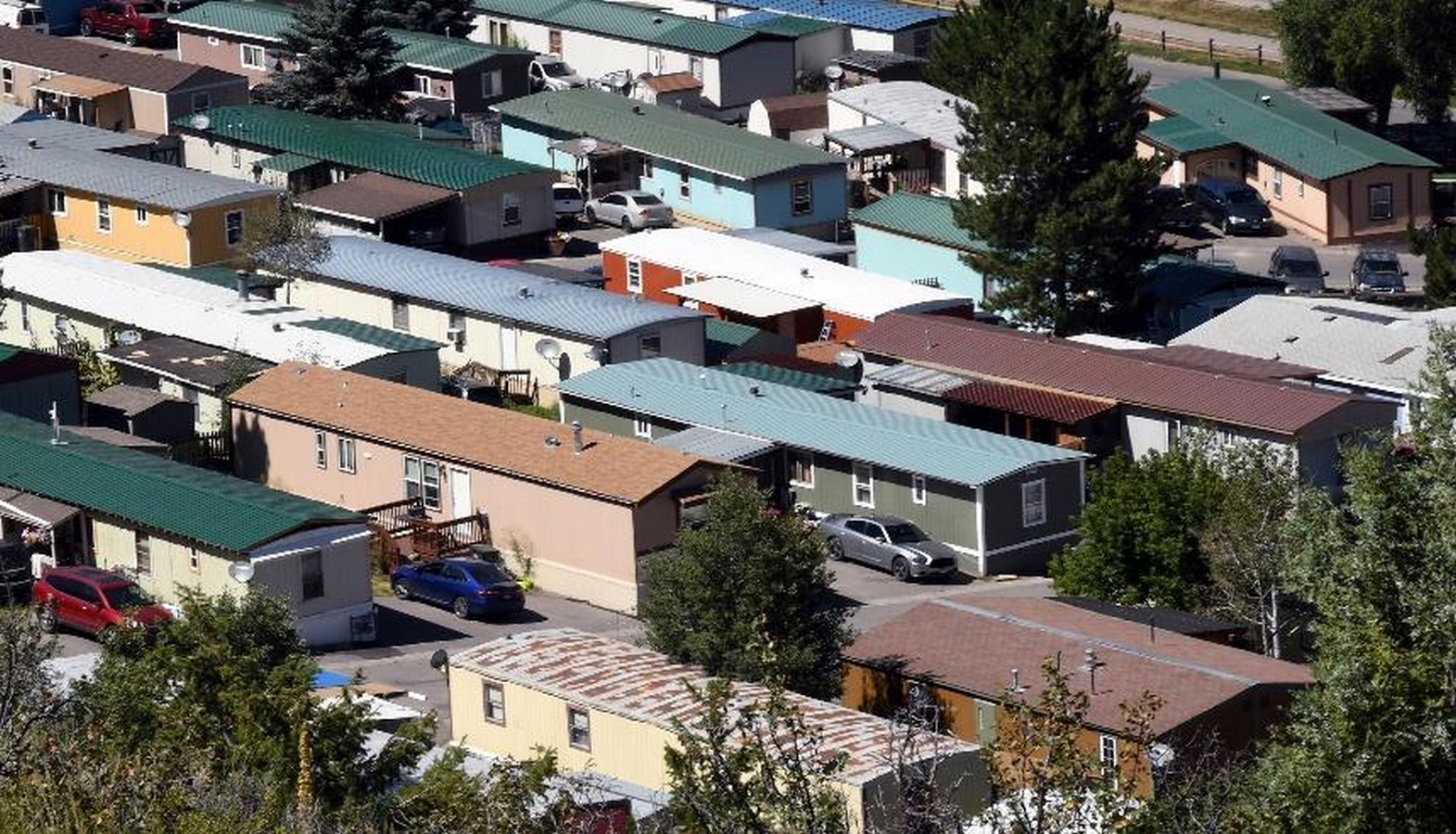
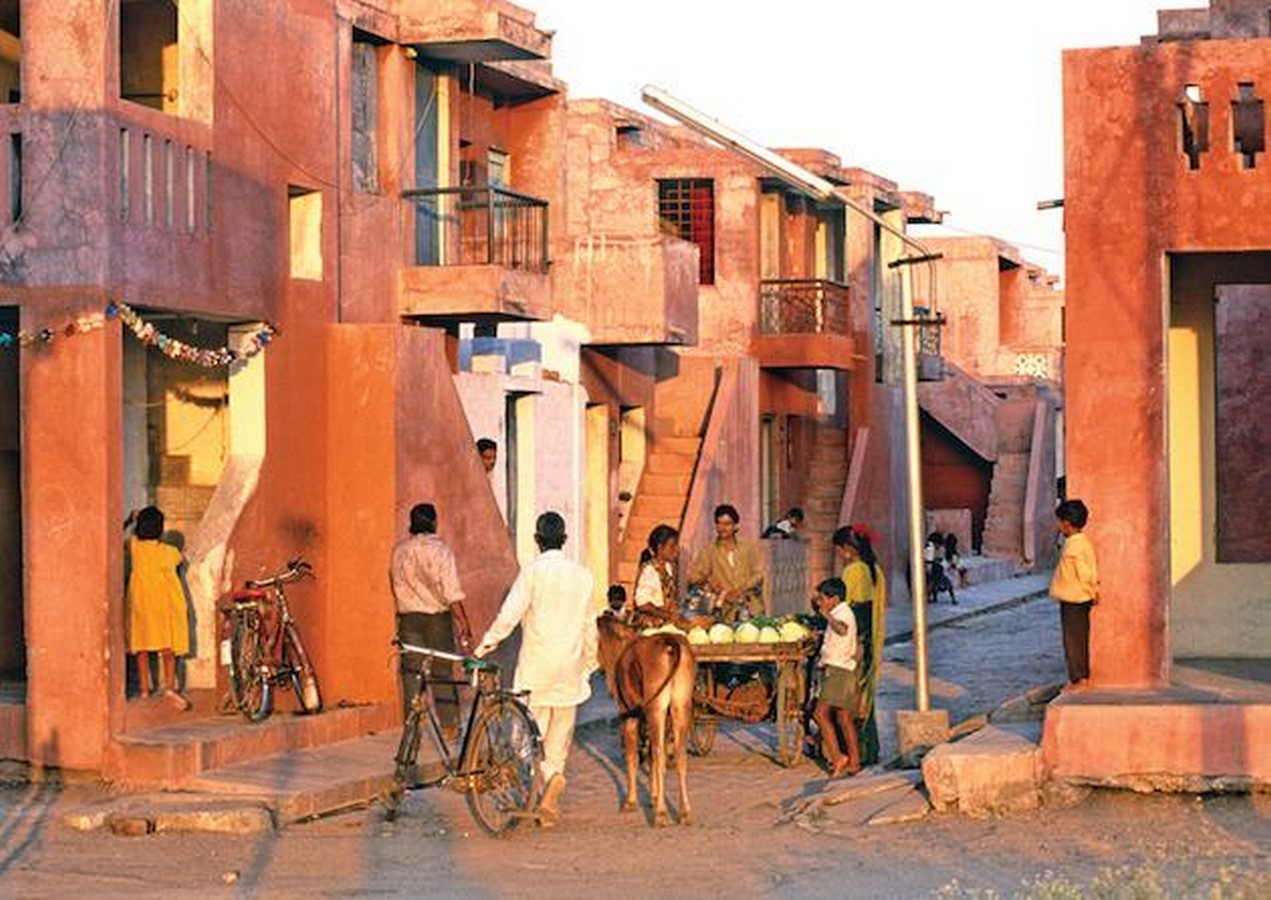
If architects accept that transit housing can last for years, they would stop trying to deliver a finished product and plan for incrementalism. This is the idea that people should be able to change and grow their own homes as their lives change. More designers are now using a core and shell concept. The architect provides the structural frame and the basic services, but the residents decide how the inside actually works. This model gives power back to the people. It recognises that housing is a process that never stops, not just a product dropped off by a truck. When a family is allowed to add a small room, grow a garden, or start a tiny business in their unit, the architecture changes. It stops being a transit space and starts being a place of belonging. This shift turns residents from passive victims into active members of the city.
The Economic Foundation of Transition
Housing and urban growth are tied directly to money and jobs. A major complaint about isolated transit housing is that it creates pockets of poverty that are cut off from the rest of the world. To fix this, we have to design these areas as micro-economic hubs. Architects should put live-work units at the centre of the plan. This could mean a small workshop on the ground floor or a shared roof designed for urban farming. The architecture has to support how people actually make a living. By building in the infrastructure for small businesses, transit housing can start to pay for itself. This takes the pressure off local governments and helps build a community that can stand on its own (World Bank, 2019).
Building for Real Resilience
Transit housing always has to deal with high density and tiny budgets. In the year 2026, we cannot keep relying on expensive air conditioning or heating systems. Passive design is the way forward. The stack effect for natural air flow, green roofs on units for insulation, and the use of low-carbon materials like bamboo or earth blocks could help the environment as much as they could the economy. More than that, the way these units are put together has to be circular. Materials like bolts and mechanical joints, instead of glue, can be taken apart and used elsewhere when the transition ends. This keeps the site from becoming a graveyard of wasted wood and metal (Silva, 2024).
The Quiet Impact of Design
We often forget how much a building affects the mind. Living in transit is a source of constant, grinding stress. Architecture has to be a calming force. Even when space is tight, every family needs a small piece of private outdoor space. We have to stop using thin materials that let every sound from the neighbour’s house through the walls. Adding plants and letting in natural light are not just for looks. They are essential and proven to lower stress and help people recover.
For too long, the architectural world has seen transit housing as a side project for charities. It is time to move it to the centre of urban planning. Long-term transit housing should not be seen as a lower form of architecture. It should be seen as a more flexible and more resilient version of what a city can be. If we keep building boxes of limbo, we are just creating social tension and urban decay. But if we build spaces that are vibrant and dignified, we strengthen the foundation of the entire city. Housing is a human right, even when that housing is just a stop along the way.
References:
Silva, J. da (2024). Resilient Cities Framework. [online] Arup.com. Available at: https://www.arup.com/insights/city-resilience-framework/.
UN Habitat (2022). World Cities Report 2022: Envisaging the Future of Cities | UN-Habitat. [online] unhabitat.org. Available at: https://unhabitat.org/world-cities-report-2022-envisaging-the-future-of-cities.
World Bank (2019). Urban Development | World Bank Group. [online] Worldbank.org. Available at: https://www.worldbank.org/ext/en/topic/urban-development.