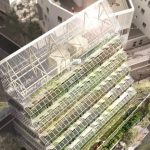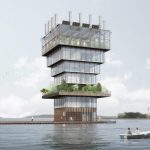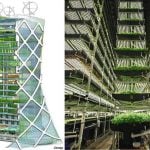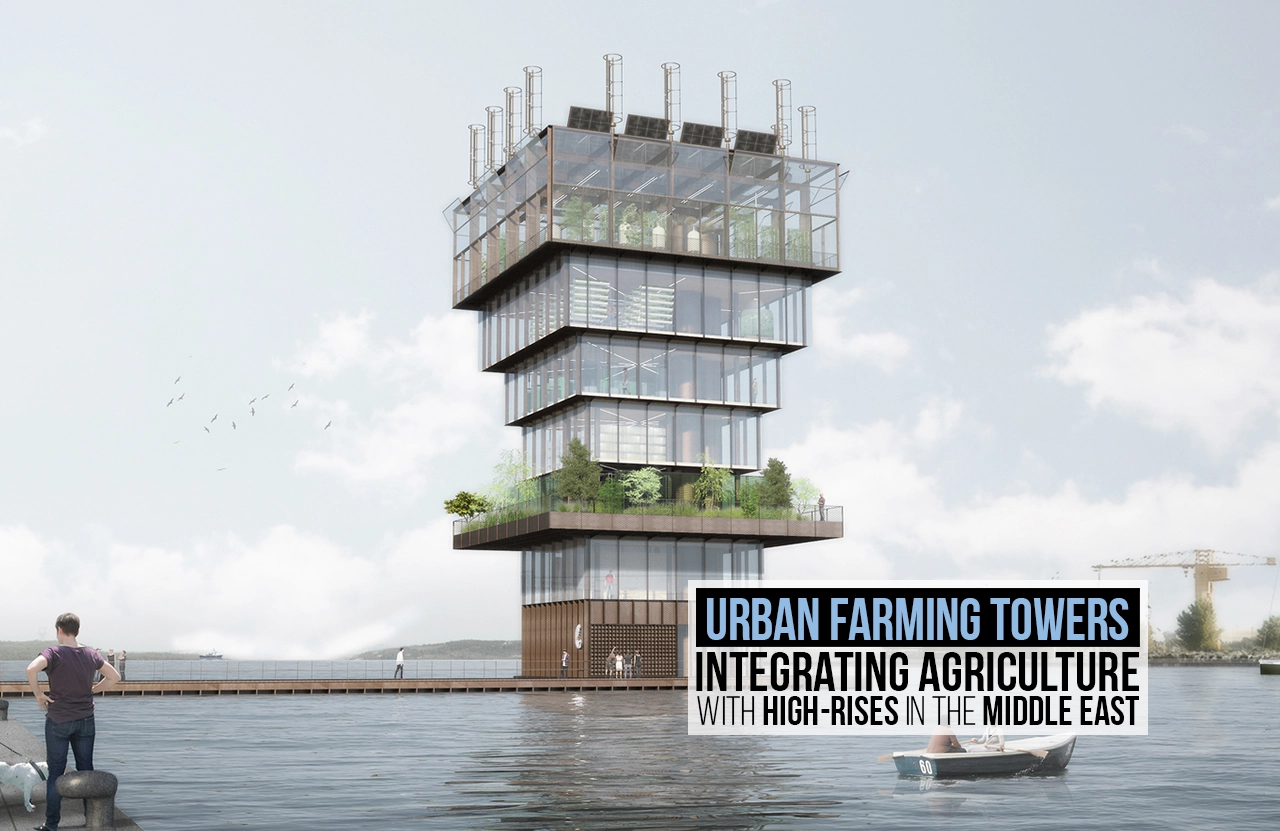
An augmentation in building urban farming towers in the Middle East has to be one of the major breakthroughs in the reliance on food production from foreign lands. Urban farming towers signify the implementation of agriculture within high-rise buildings, which are residential, commercial, or mixed-use, in a way that it appears exposed and offers a sustainable environment. Due to the hurried urbanism in cities like Dubai, Doha, and Saudi Arabia, there are several regional projects that are being implemented to shape the cities, which will be solely independent for their food compliance.
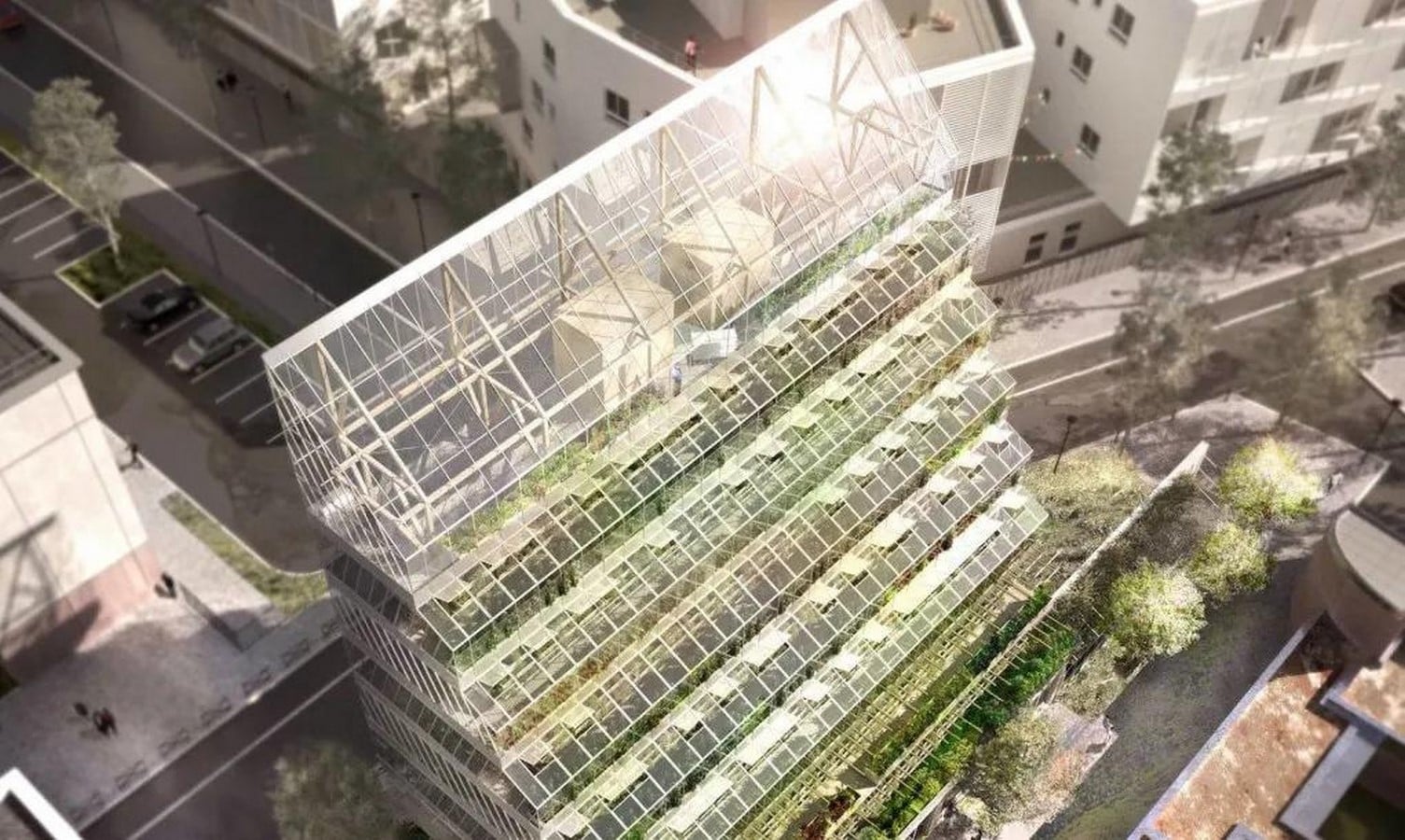
Call for vertical stacking plantation.
Why is there a need for urban farming towers? The Middle East lies under a hot, dry, and arid climatic region, which creates a problematic issue for the cultivation of local farming because of a lack of arable land, water scarcity, and harsh desert climate. To solve the hardships of agriculture, the governments of the Middle East opted for distinct conventional methods like NEOM, which stands for ‘new future’, envisioned to make the city sustainable for living and also a hub for innovation. Integrating vertical farming will not only resolve the issues of traditional agriculture but also foster the need for resilient food production with a rising population.
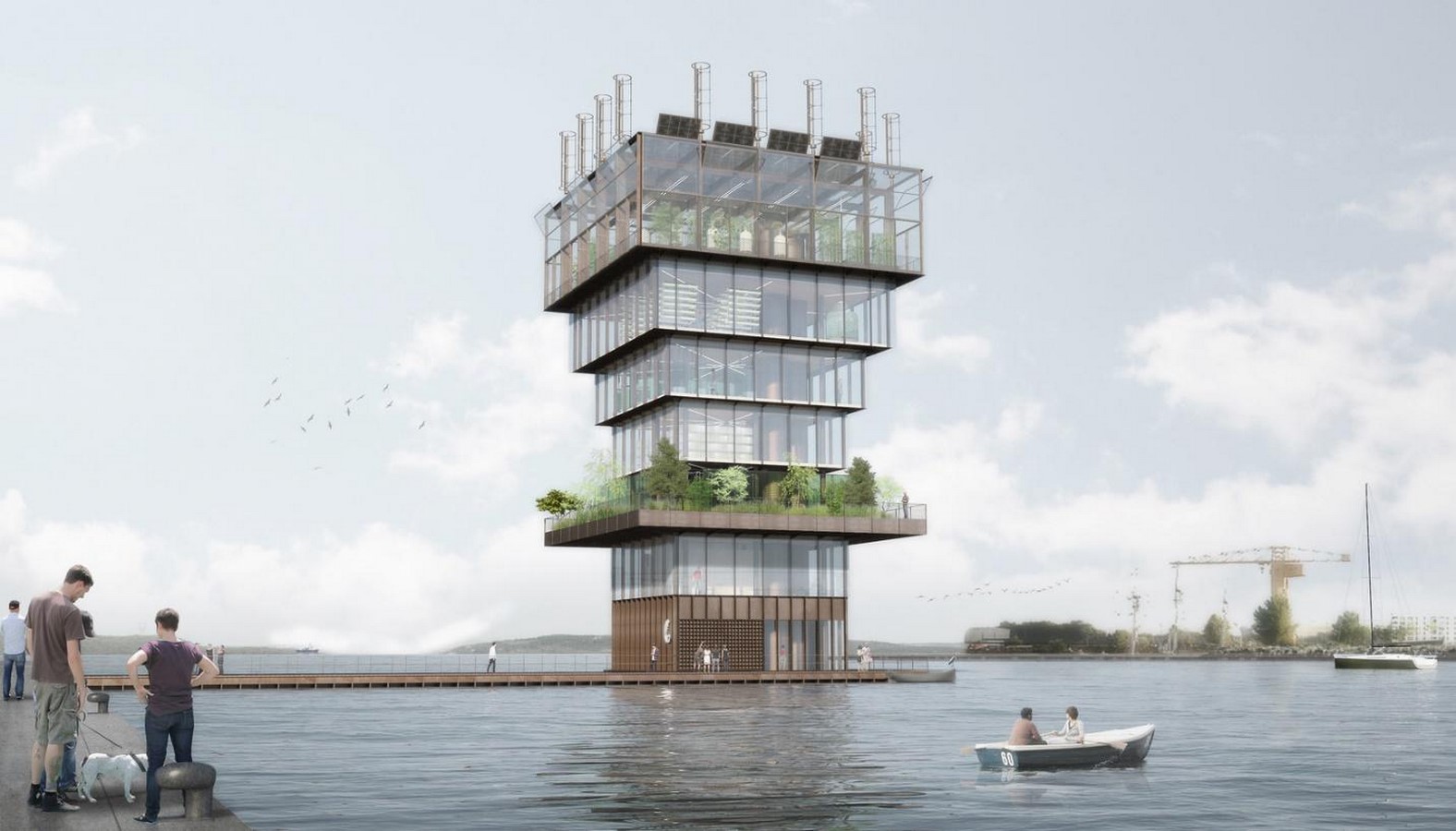
Spatial strategies collaborating with urban farming towers
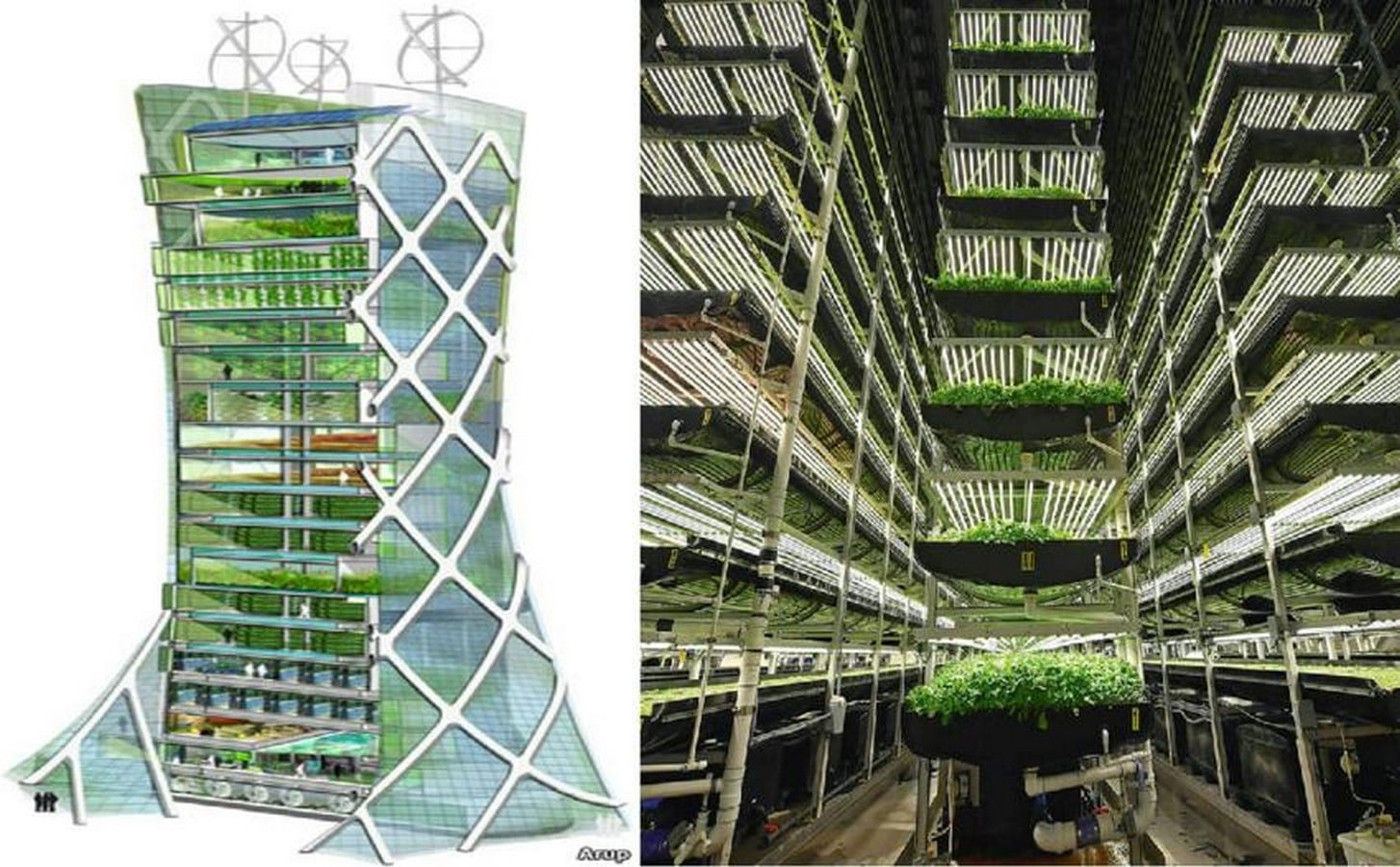
Design strategies in the Middle East are undergoing a seamless transformation to adapt sustainable-focused reconstruction and incorporate urban landscape in high-rise buildings. The goal is to sprout natural vegetation into buildings in a manner of leaving the commuting of the public undisturbed and maintaining ecological balance in a productive way. Agriculture production is permissible to be installed in spaces like double-height atriums, green shafts, terraces, and stepped massing in the surrounding landscape.
Moreover, a green façade or vertical façade extends the farming production up to the building sleeve to reduce heat gain, energy use, improve the air quality and enhance aesthetics. Blending greens within the building not only enables environmental efficiency but also improves visual connectivity by generating a microclimate and enabling maximum daylight penetration. However, allowing farming vertically will make room for transitional floors, which might also continue as service floors.
Effective integration of farming systems
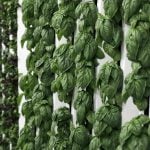
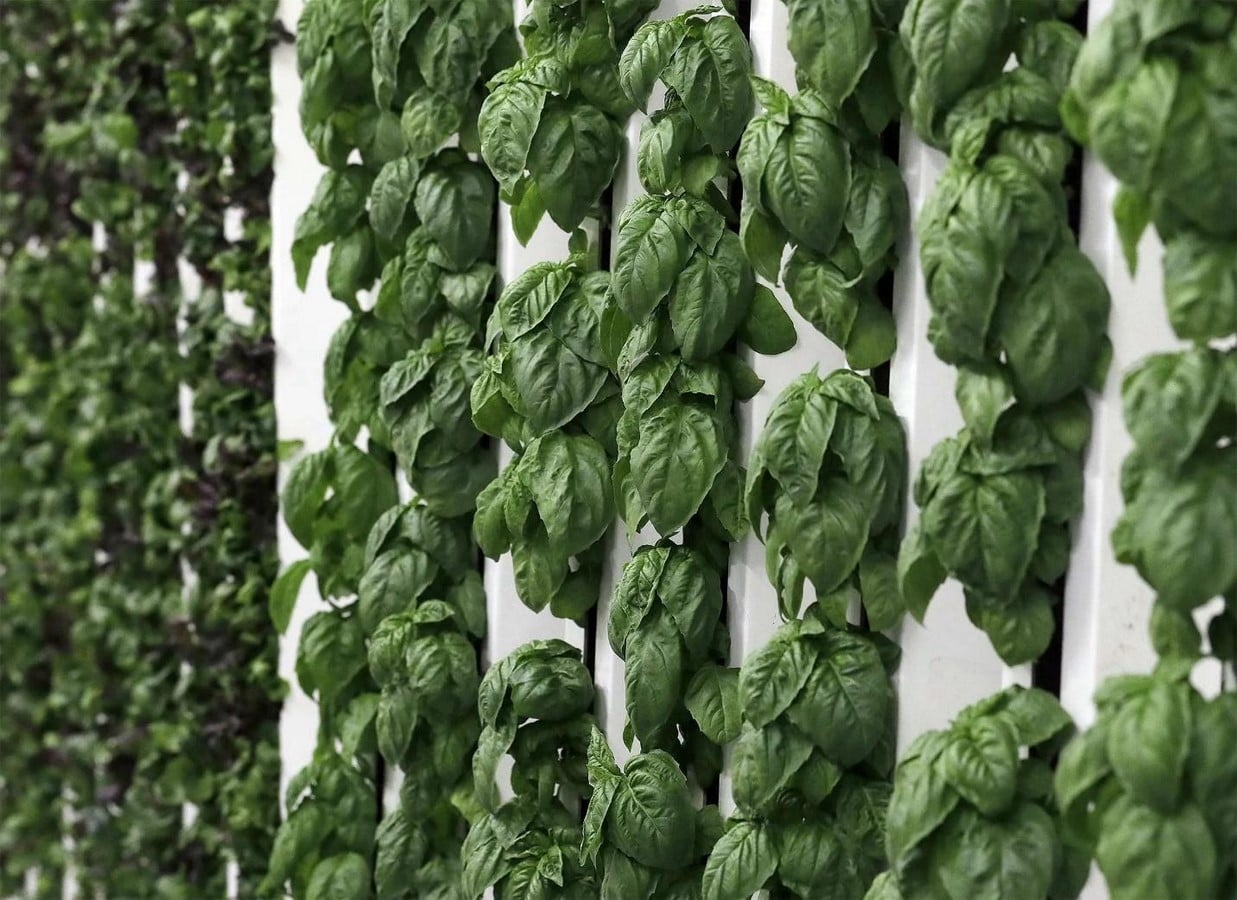
Integrating farming systems in the urban towers of the middle east is definitely a delicate process to be carefully taken care of. Urban farming systems, such as hydroponic, aeroponic, and aquaponics systems, promote soilless agricultural production. By making use of these techniques, the plantation is being done either in floor plates, façade walls, or indoor plants are fixed by maintaining a clear cover from the residential or commercial activities taking place in that space. Centralized service cores also support vertical farming by regulating microclimate, waste recycling, and ensuring natural ventilation. Servicing is being done by controlling the environment, such as LED lights, smart sensors, and monitoring throughout the year, for smooth continuation in the growth of vegetation.
By the successful integration of these urban farming systems, it is certain that production, existence, and consumption co-occur in the same space, making the habitat energy efficient.
Impact on society and surroundings
Prominently, Middle Eastern society is an amalgamation of divergent cultural and religious traditions, which is nowadays approaching advancement and a hi-tech nation. Urban farming towers not only provide solutions for resource efficiency but also play a major role in social engagement. Buildings designed for mixed-use development introduce elements such as viewing decks, vegetable swales, and organic farming vending zones that encourage education about farming systems. Workshops like community plantation drives help people to connect with agriculture as well as converse with themselves.
For residential buildings, the advantage of fresh air quality and access to locally grown food materials is an important milestone towards a healthy lifestyle. At the urban scale, integrating urban farming in high-rise reduces the food chains, impure emission caused by vehicles, and optimization of leftover spaces for vegetation.
Future spread
Implementing farming in high-rise is assuredly the best solution for an environmentally conscious surrounding, but it upholds certain drawbacks like substantial capital investment, controlled indoor lights, temperature, and skilled labour. However, countries in the Middle East have an abrupt shift towards advancement of an eco-friendly encompassing, which is why the urban farming system came into play, imparting self-sufficiency, sustainability, and innovation.
By embodying agriculture in high-rise development, the structure not only acts as a skyscraper but also as a living urban arrangement. As Middle Eastern countries continue to work upon technology advancement, their approach towards the combination of food and architecture remains remarkable. These towers will not only provide solutions for regional food production but also have a regional impact on the growth of the population.