Where Land Meets Stillness
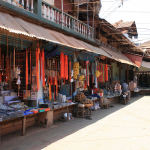
Along the western coast of India, the sun glides gently into the Arabian Sea, its fading light weaving through crowns of coconut palms. In Gokarna, time does not pass; it lingers. The building here yields to the landscape rather than asserting itself. Temples, homes, and roads appear to sprout from the ground itself, and the community maintains its peaceful pace, unaffected by urgency and breathing wholly for itself.
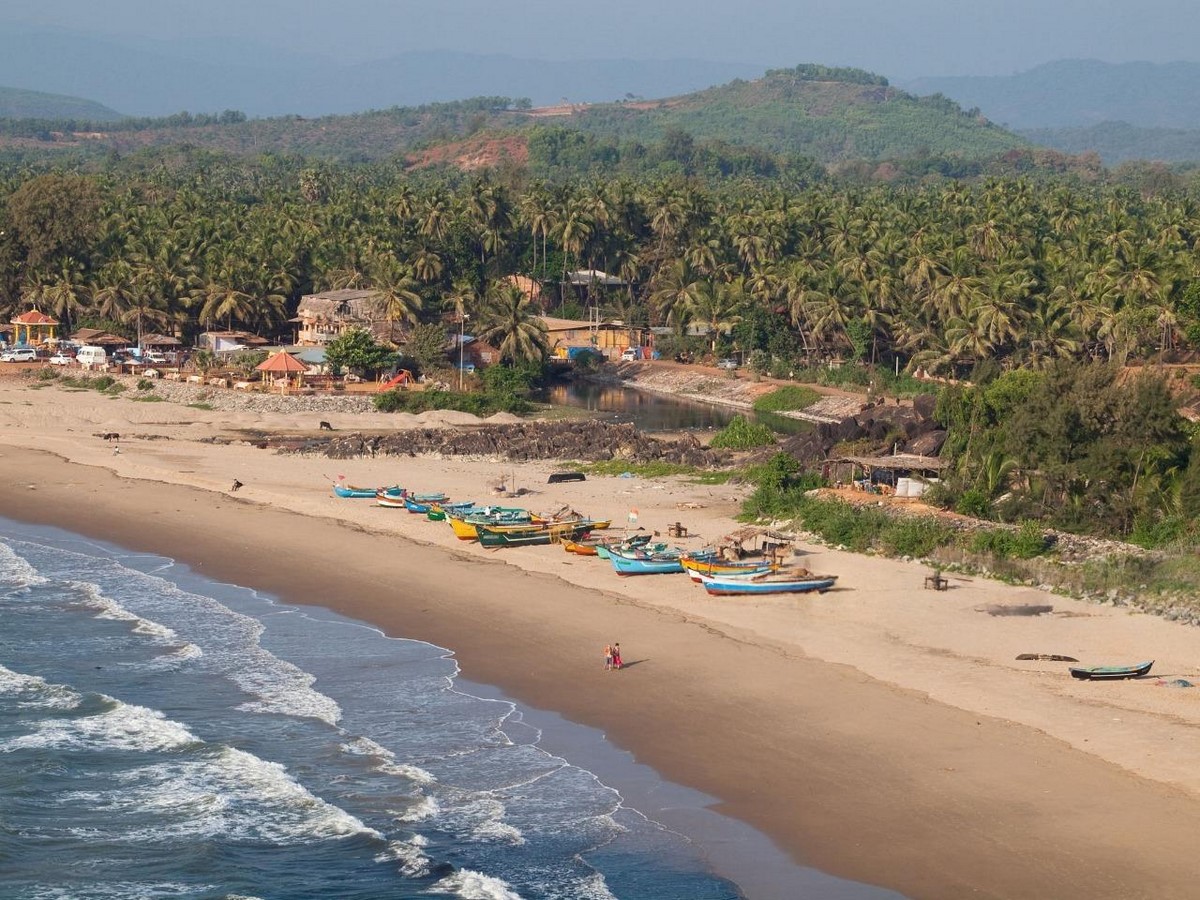
On one side is the rough geometry of the coast, while on the other is the serene architecture of temples and dwellings that have remained placid even while the world has sped up. The architecture in this town emphasizes calm over spectacle.
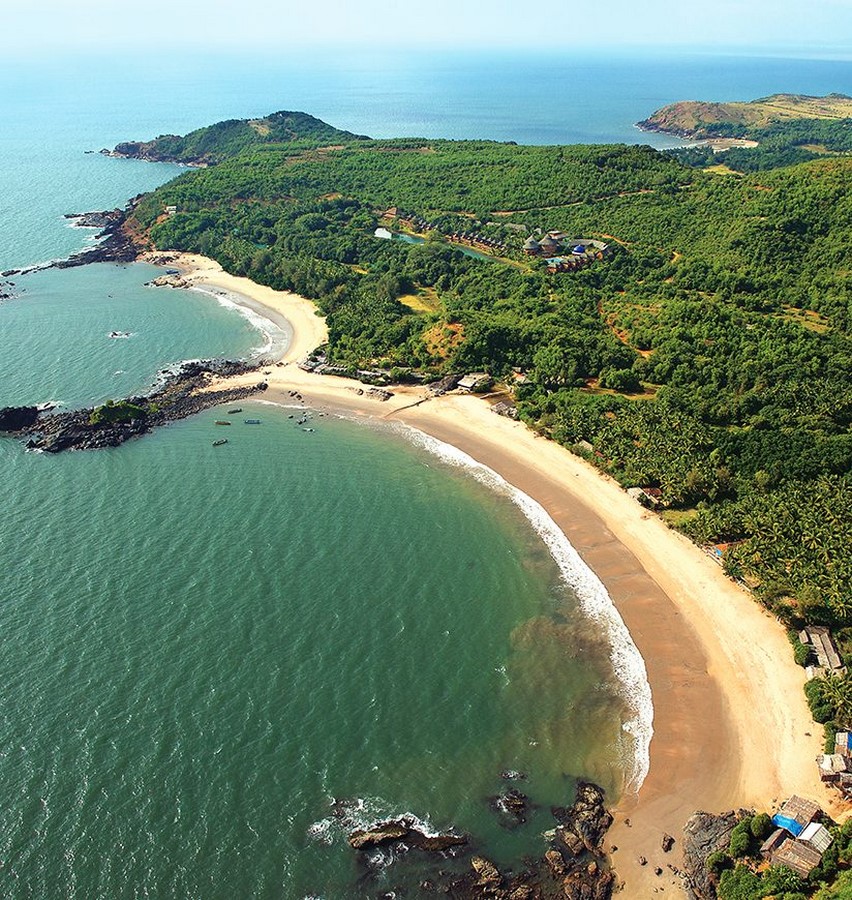
The Geometry of Faith
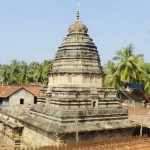
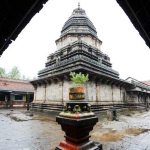
In the narrow lanes of town, where shadows are long and footsteps are soft, every path seems to curve toward a shrine. The heart of this pilgrimage town is the venerable Mahabaleshwar Temple, known for housing the Atmalinga. The architecture here is not flamboyant; it whispers.
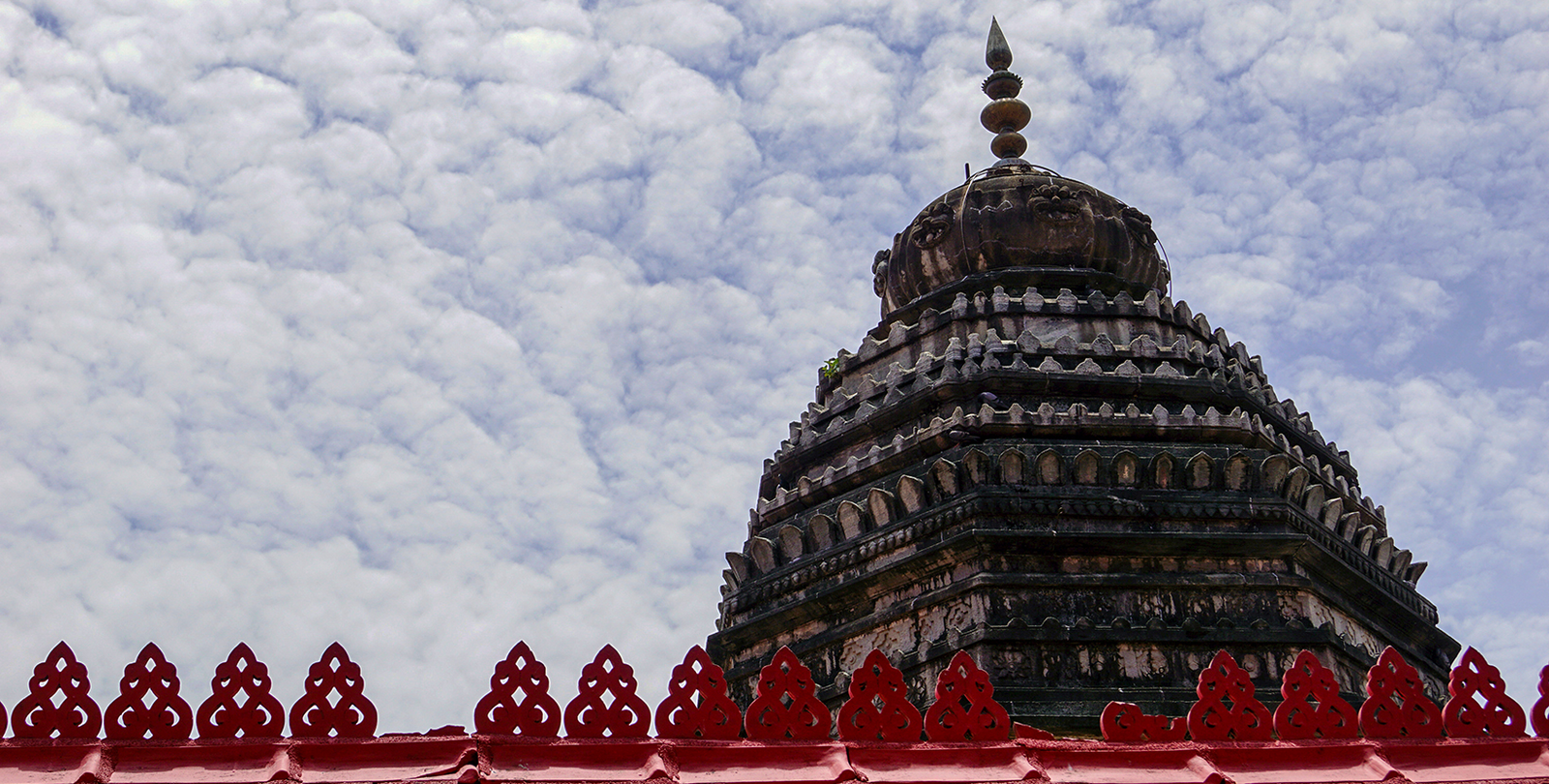
The temple is built in the Dravidian style with white granite and has the impression of centuries. The plan is compact. The towering Atmalinga is enclosed by a square pedestal, and the devotee can peek into the sacred space through a small gap in the floor.
Nonetheless, this location does not exaggerate its significance. It sits near the sea, with a small gopura and short hallways designed to encourage humility rather than dominate.
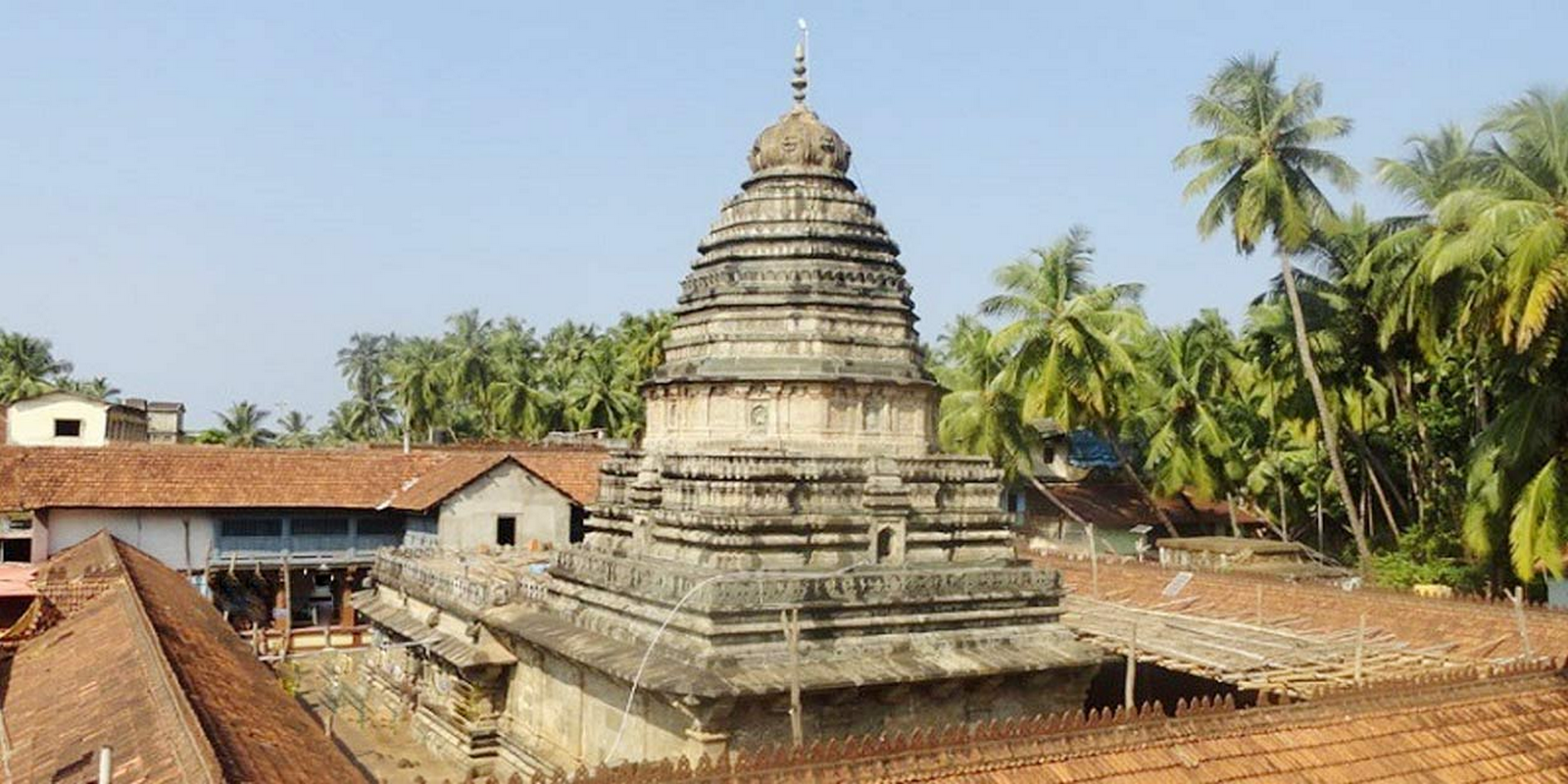
In this setting, architecture becomes a ritual. Entering the temple entails navigating granite steps, feeling the weight of antiquity in carved pillars, and hearing the echo of bells mixed with sea breeze. Surrounding shrines form a delicate complex in which every wall, lintel, and gloomy hallway merges into the hallowed totality.
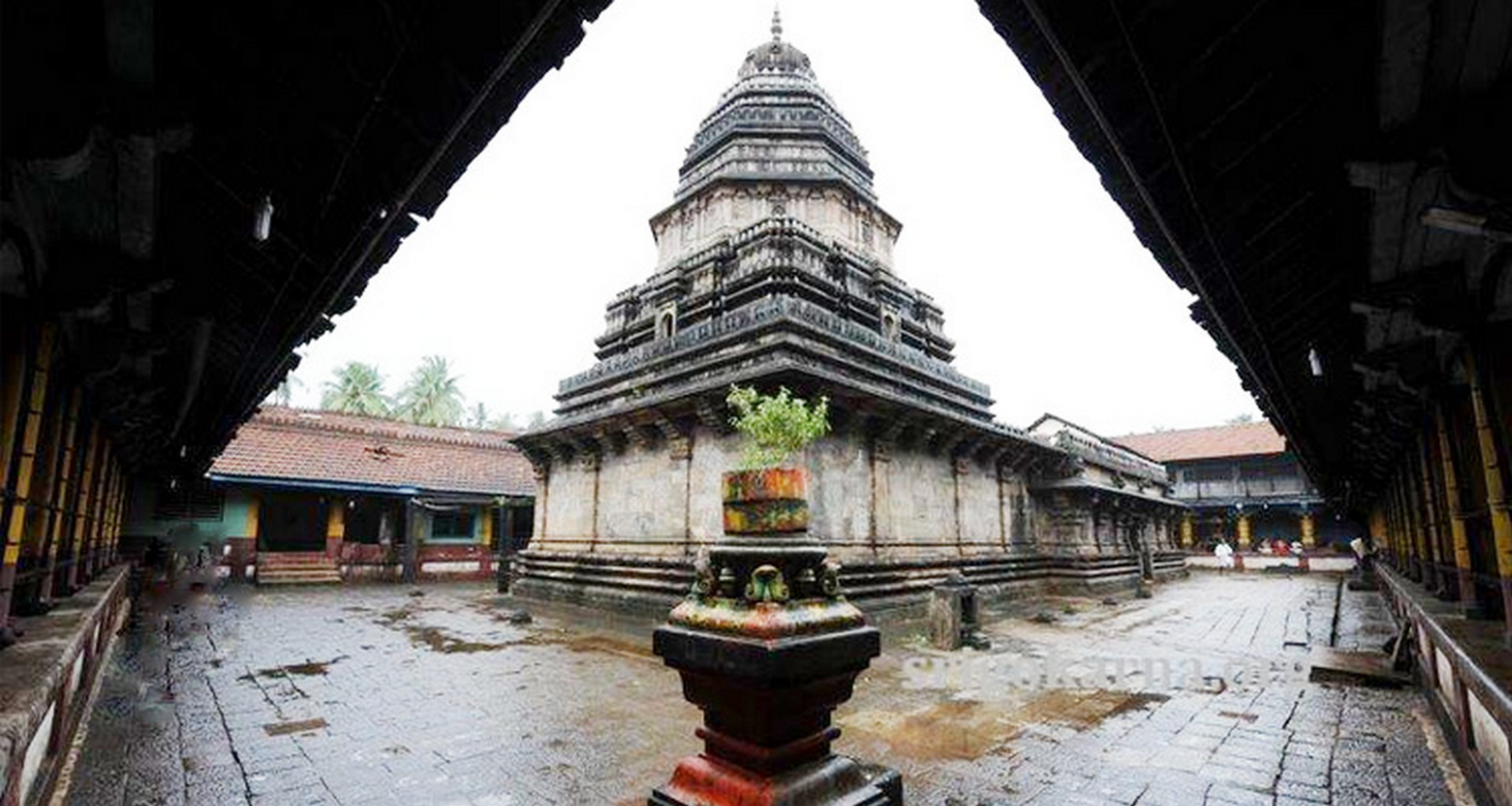
The formality of the structure is tempered by its location. Palm fronds occasionally brush against the temple walls, and salt air makes its way inside the sculpted niches. The holy and vernacular blend. The architect’s hand is seen not only in the stonework, but also in the rhythms of daily use, such as pilgrims entering, bells chiming, and shadows shifting down the plinth. The architecture focuses on the lived space of devotion rather than the monument itself.
The Anatomy of Escape
When the frame transitions from carved stone to the seashore: the settlement loses way to beaches. Here, the buildings have a separate vocabulary. Shacks made of bamboo and thatch, driftwood huts, and modest retreats dot the coves of Om Beach, Kudle Beach, Half Moon Beach, and Paradise Beach. Each cove has its own seclusion.
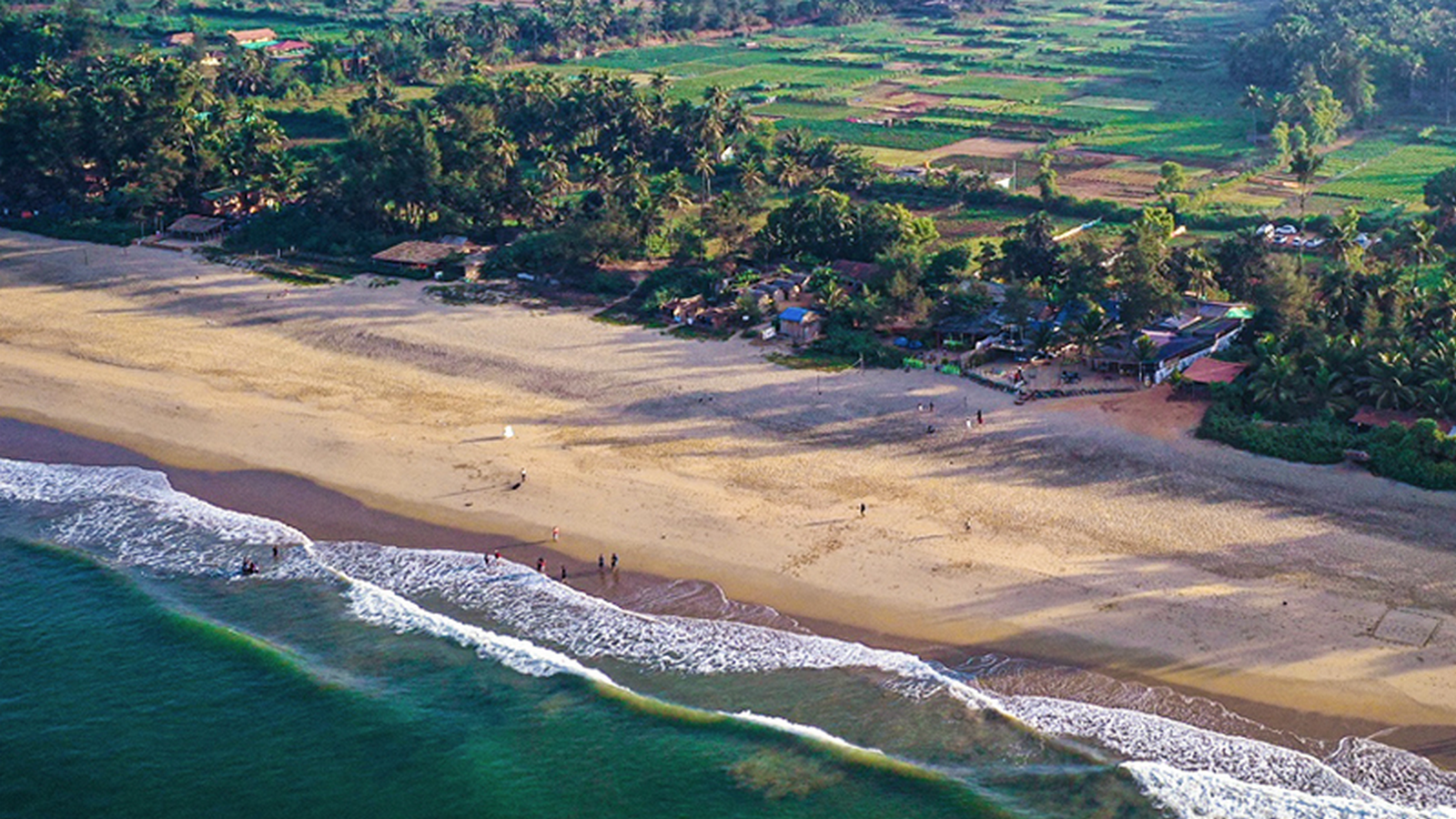
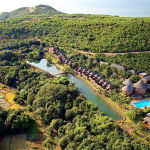
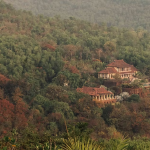
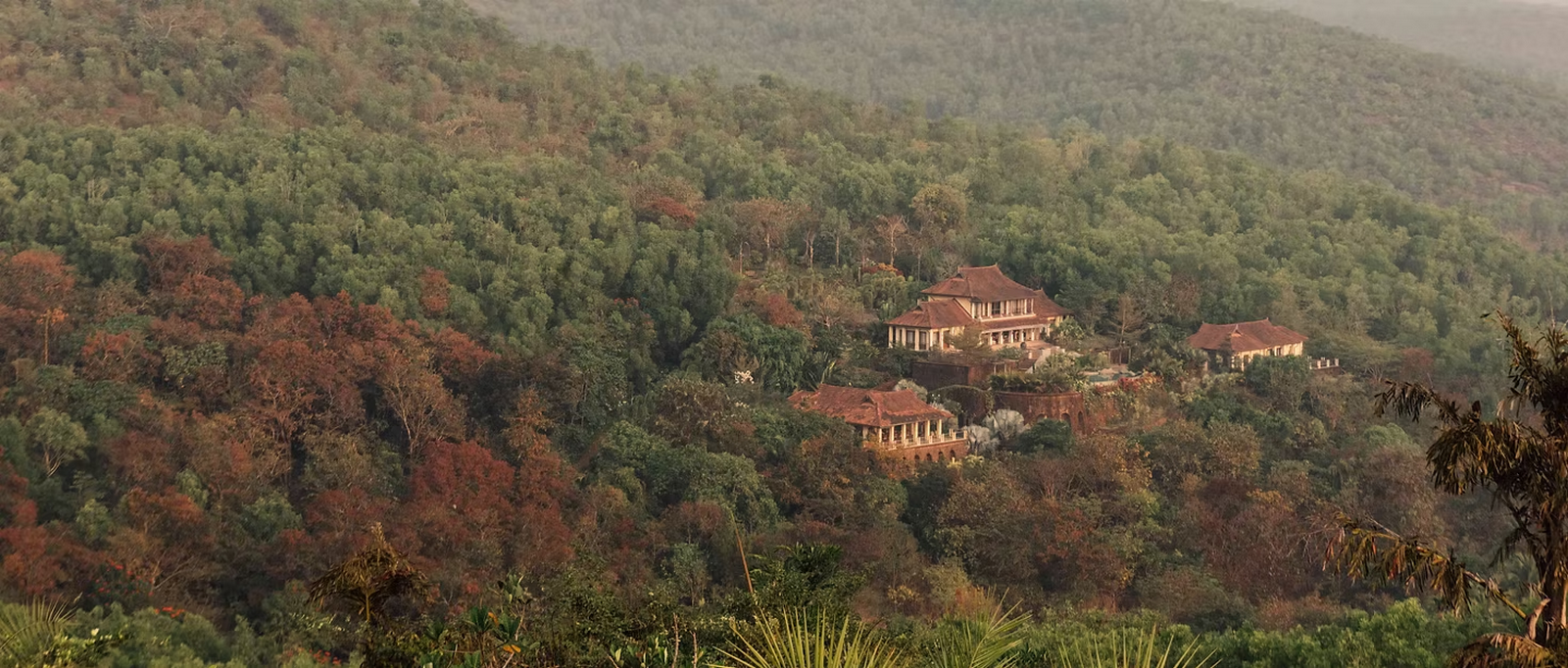
Architecture in this setting is designed to be ephemeral. The structures encourage tide and wind, leaning toward the sea rather than against it. The materials are local: laterite, coconut thatch, and red oxide floors. SwaSwara, a modern eco retreat, for example, echoes the vernacular with laterite walls and coconut-thatched roofs.
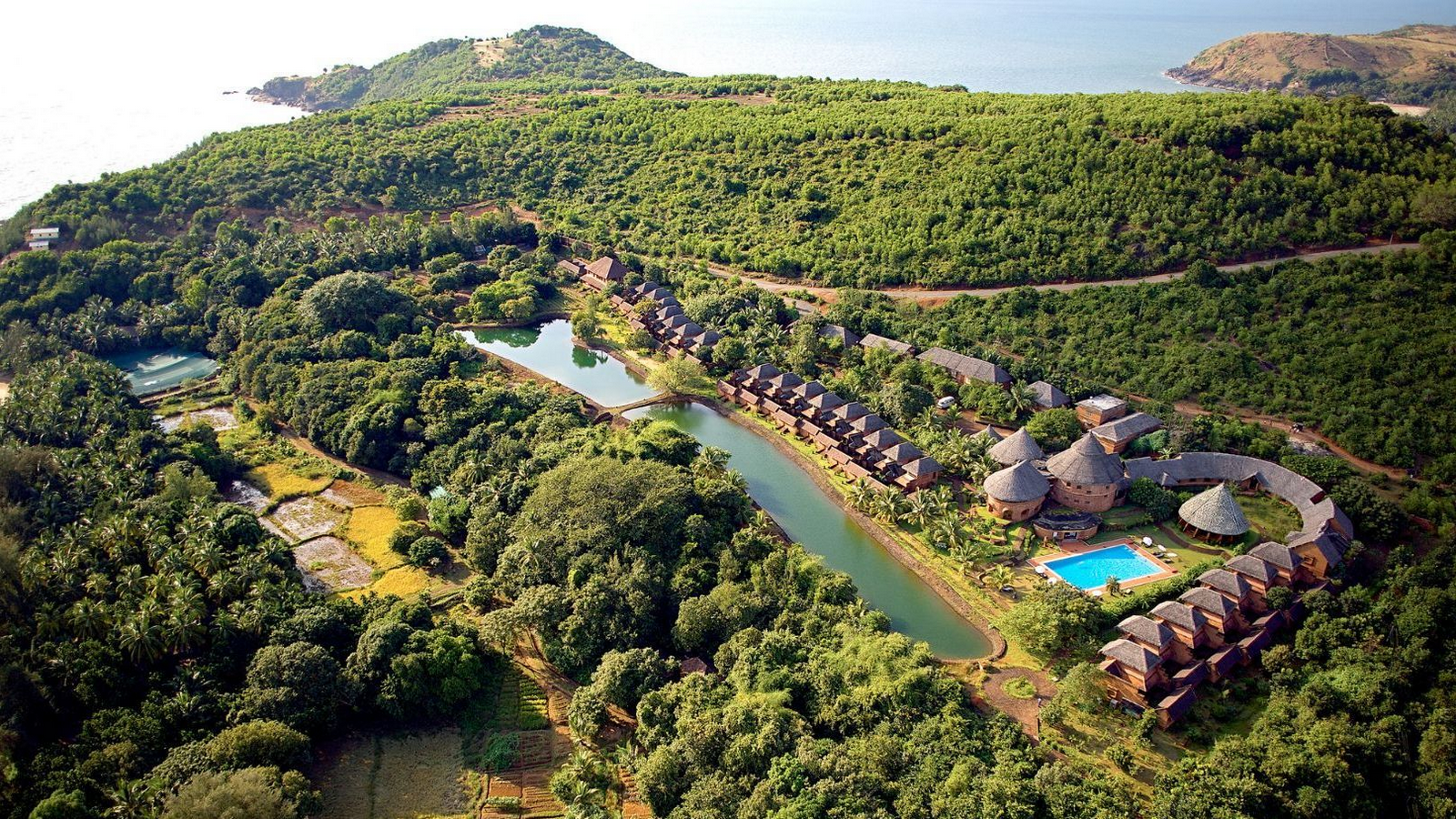
This is architecture of time and tide: open-air showers, verandas under the stars, and structures that invite retreat rather than display. The colors are muted: sand, wood, green vegetation, and sea-blue. The scale is human, and the rhythm is sluggish.
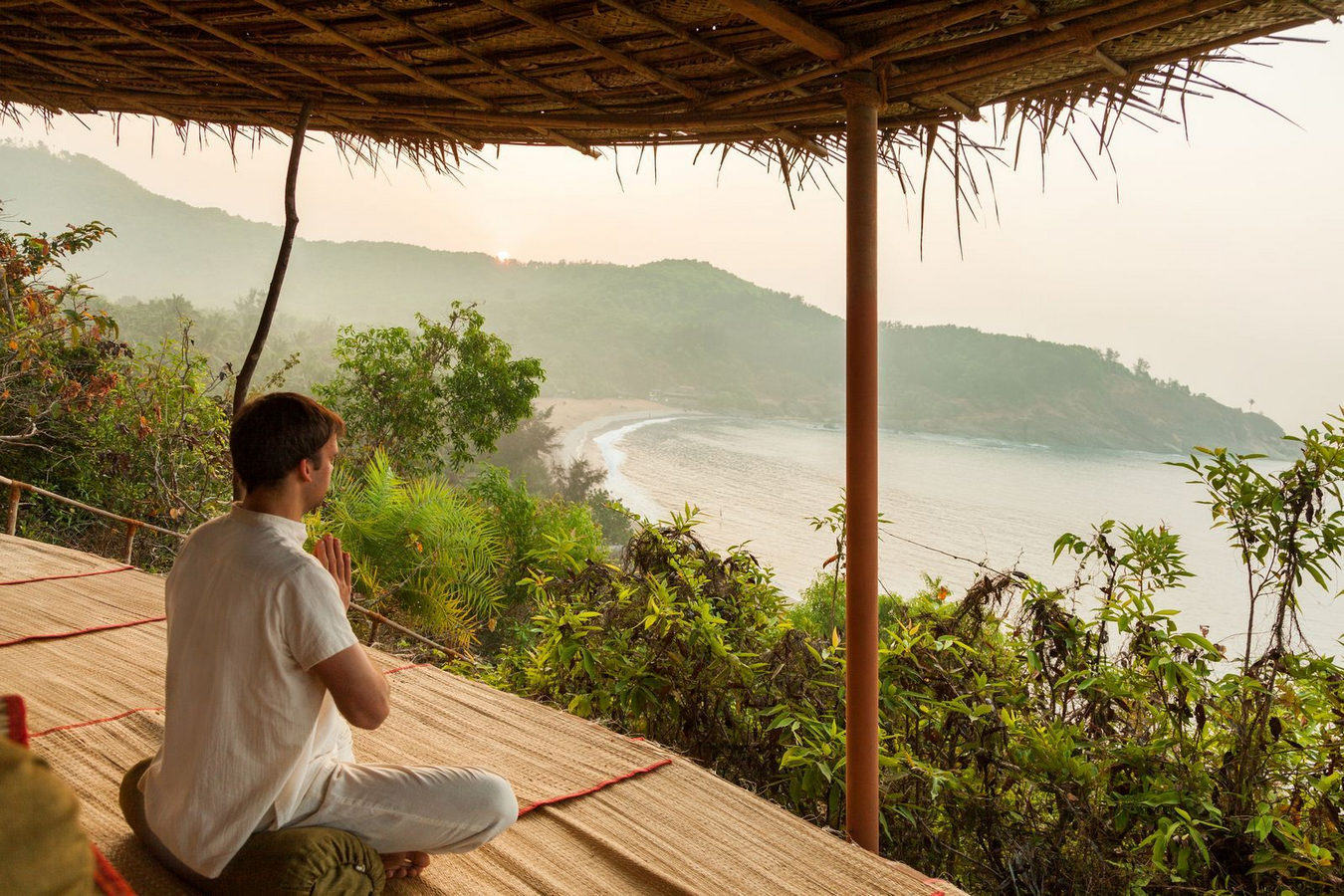
Gokarna‘s beach houses, unlike towns constructed for permanence, are adaptable. They are designed for seasons, travelers, and specific situations. The walk between the temple and the beach becomes a metaphorical journey: from structure to flexibility, formality to seclusion.
The Rhythm of Return
As dusk spreads its purple hues over the Arabian Sea, the final act draws the two architectural languages together.Fisherman’s nets pulled in, temple bells ringing, beach-shack lights glimmering in the dusk, these sound and light details become part of the architecture.

Here, every pause is a courtyard; every shadow a reference. You find yourself walking from the temple precincts to the shoreline, footsteps echoing on stone and sand. The town is both quieter and thicker: built of memory as much as brick.
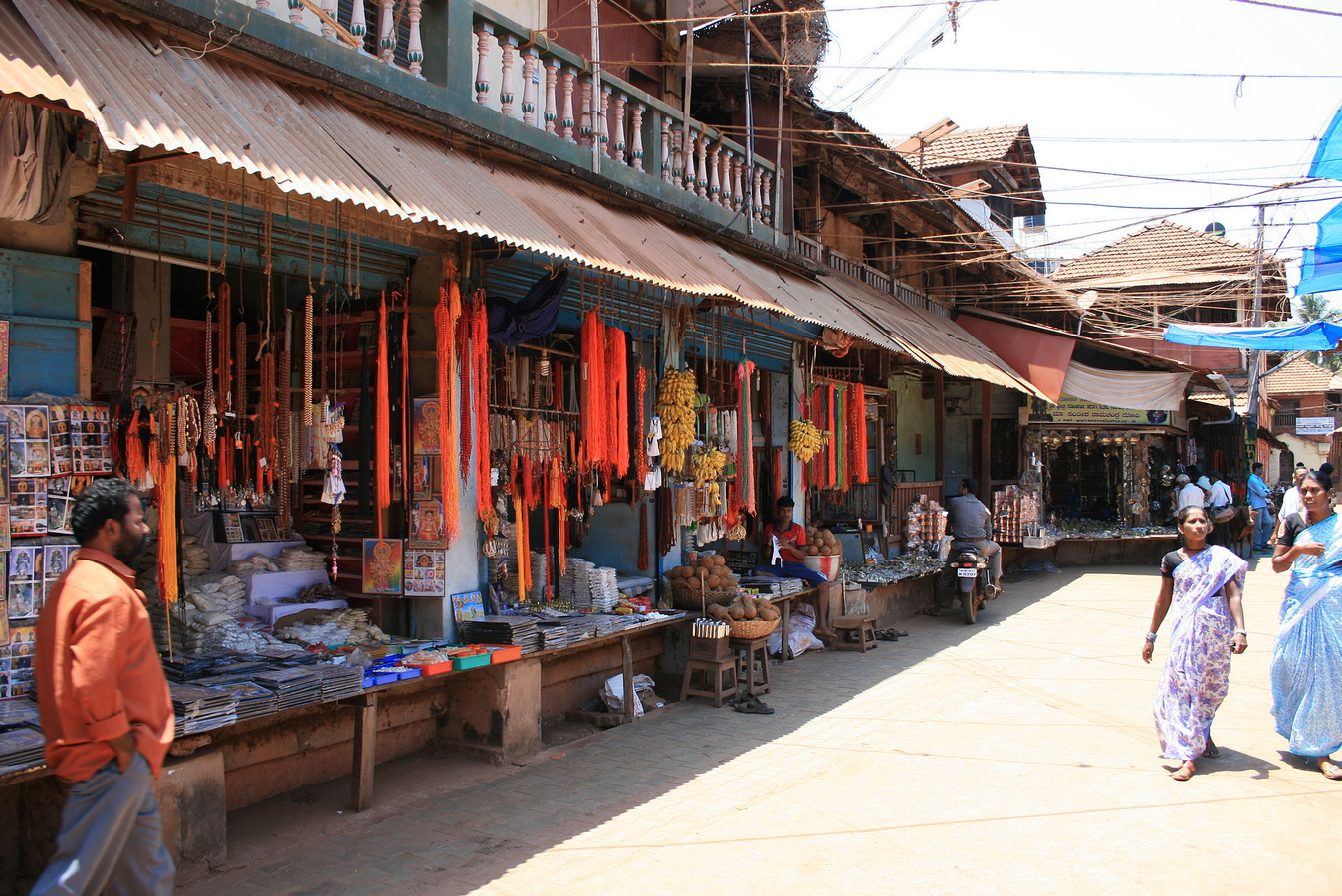
In the temple lanes, pilgrims light lanterns; outside, on the beach, there are silent gatherings on driftwood seats. The town’s architecture is more than just walls and roofs; it’s about thresholds and transitions. The combination of sea and town, faith and leisure, creates spatial poetry.
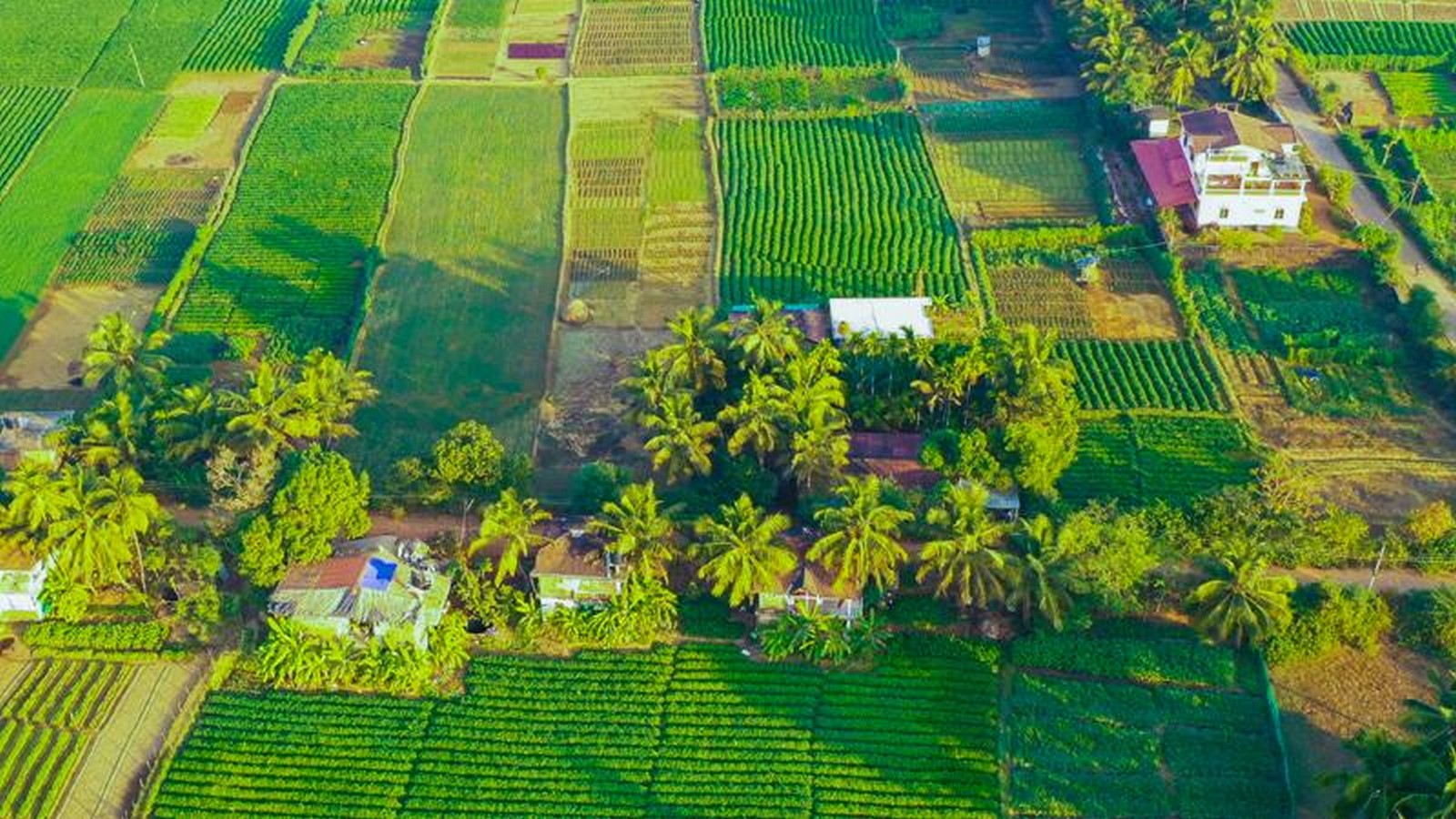
During this stage, modernity slows its pace. The homestays and retreats draw on tradition. Lines of coconut palms form verticals beside tiny streets. The temple spire frames the sky. The beach bungalows frame the sea. Architecture becomes about what remains unsaid: the echo of footsteps, the sway of fronds, and the softness of ambient sound.
After the Light Fades
As evening falls, the temple roof glows a peaceful gold against a bruised blue sky. A monk walks by salt-stained walls, leisurely, leaving no trace behind. On the beach, a single shell rests on the damp sand as the water recedes, the day comes to an end, and calm returns.
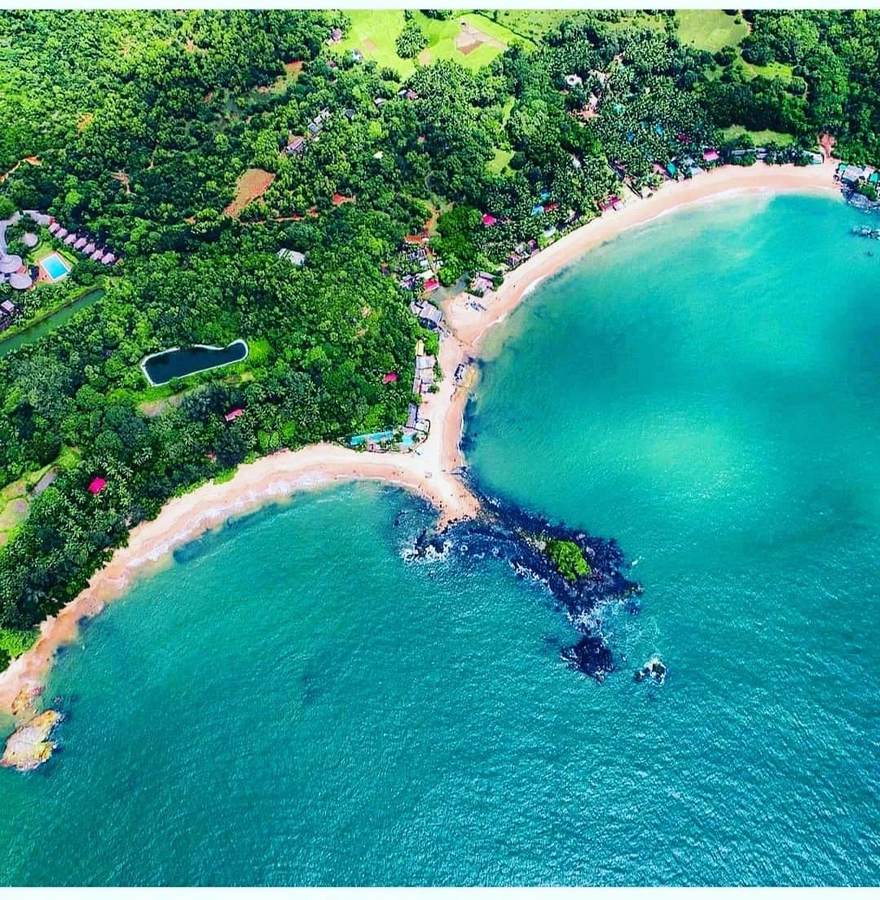
Gokarna is not a town built of walls and roofs, it’s built of pauses, rituals, and recurrences. It’s not simply a place to visit, it’s a structure you enter and exit, like breath. Silence is its most enduring structure.
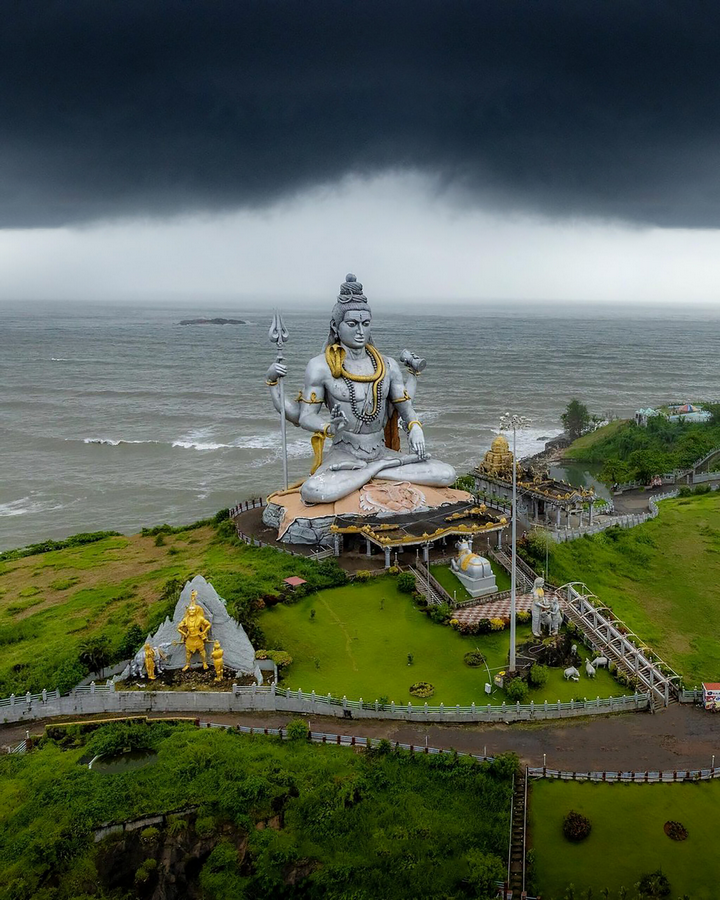
You leave not with images of grandiosity, but with feelings: of stone cooled by the sea breeze, of thatch roofs yielding to salt air, of temple bells fading into waves. The architecture remains long after you’re gone, the trace of footsteps, the angle of light, the memory of stillness.
Why Gokarna’s Architecture Works
In Gokarna, architecture integrates rather than dominates. The Mahabaleshwar Temple’s modest gopura and intimate corridors make the sacred feel near, while laterite, granite, coconut-thatch, and red oxide speak a language of place. At SwaSwara, local materials bind memory to climate, and beachside structures echo vernacular homes with open courtyards and sky-lit baths, spaces that invite both retreat and gathering. Here, time layers itself gently; one walks from ancient stone shrines to contemporary eco-retreats, from pilgrimage to pause. Gokarna’s architecture doesn’t announce itself, it listens. In its silence lies its most profound design.
Final Thoughts
In the world’s fast-paced architecture magazines, skyscrapers and glitz often dominate. Gokarna offers a different kind of story, a film in which light, shade, volume and stillness matter more than height and spectacle. In this coastal temple town, architecture isn’t just who built what,‐it’s how what was built allows you to be less noisy, less imposing, more present.
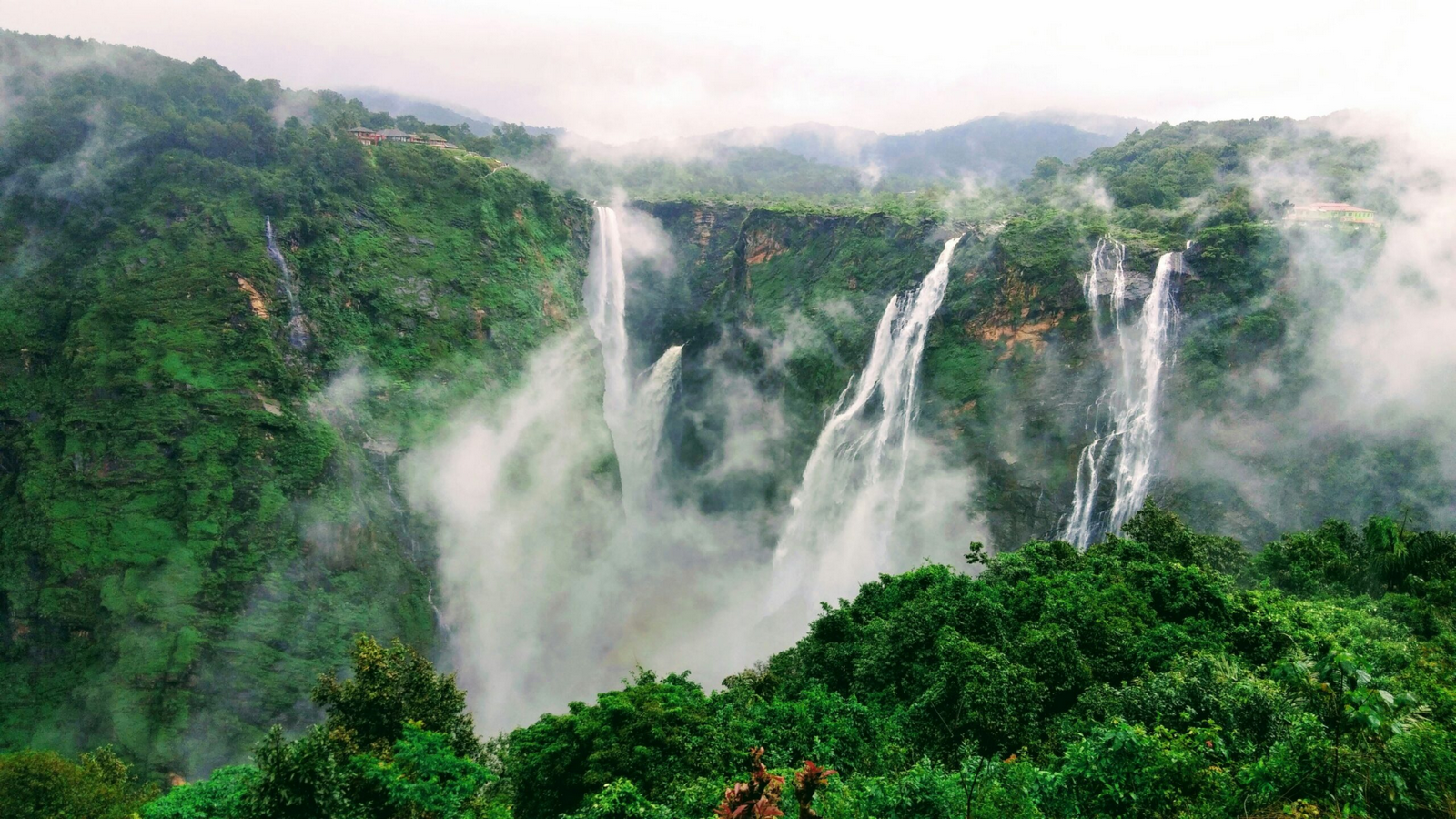
So if you ever wander into Gokarna, let the town’s architecture enter you quietly. Don’t rush the frames. Let the sea, the stone, the thatch speak. Let the pauses speak.Because here, silence is the structure.
References:
“20 Things to Do in Gokarna.” Thehosteller.com, The Hosteller Pvt Ltd, 26 July 2023, www.thehosteller.com/blogs/20-things-to-do-in-gokarna/. Accessed 19 Oct. 2025.
“Beach Bliss in Gokarna.” Incredible India, 2025, www.incredibleindia.gov.in/en/trips/trip-listing/beach-bliss-in-gokarna. Accessed 19 Oct. 2025.
“Gokarna Guide – Namaste Gokarna.” Namaste Gokarna, 26 Jan. 2025, namastegokarna.com/gokarna-guide/. Accessed 19 Oct. 2025.
“Gokarna Tour Package with Jog Falls | – Travloger.” Travloger, 28 Aug. 2024, travloger.in/gokarna-tours/3-days-gokarna-tour-with-jog-falls/. Accessed 19 Oct. 2025.
Jungle Admin. “Unveiling Gokarna’s Ancient Temples: A Spiritual Sojourn – Sturmfrei.” Sturmfrei, 31 July 2023, www.staysturmfrei.com/unveiling-gokarnas-ancient-temples-a-spiritual-sojourn/?utm_source=chatgpt.com. Accessed 19 Oct. 2025.
“GOKARNA | Uttara Kannada District, Government of Karnataka | India.” Uttarakannada.nic.in, 2025, uttarakannada.nic.in/en/tourist-place/gokarna/. Accessed 19 Oct. 2025.
“Om Beach | Gokarna | Karnataka Tourism.” Karnataka Tourism, 14 Mar. 2023, karnatakatourism.org/tour-item/om-beach-gokarna/.
Veen, Ellis. “The Best Places to Visit in Gokarna: India’s Beach Paradise – Backpack Adventures.” Backpack Adventures, 31 Jan. 2025, www.backpackadventures.org/best-beach-in-gokarna/. Accessed 19 Oct. 2025.