From the morning routine to evening dinner, a person spends the majority of their time indoors. Upon spending so much time indoors, the space begins to affect the behaviour of…


From the morning routine to evening dinner, a person spends the majority of their time indoors. Upon spending so much time indoors, the space begins to affect the behaviour of…
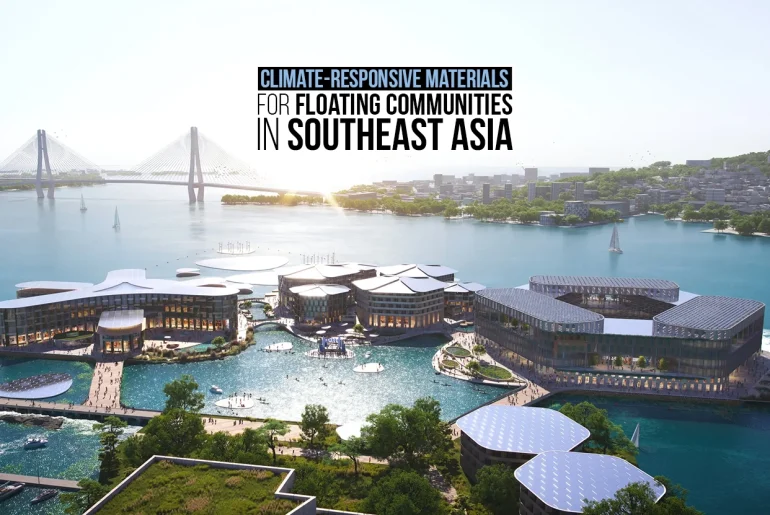
Southeast Asia is a region with a rich marine diversity. It contains vast coastlines, widespread archipelagos and low-lying deltaic plains. For such a region, the rising sea levels aren’t a…

Cities speak constantly. By flickering lighting, reverberant corridors, honking streets, pavements, and cluttered doorways, the constructed environment sends surging waves of sensory data. This background noise is familiar to many…

From the post-industrial and World War era to today in the 21st century, we have seen a significant commercialization and commodification of various fields and sectors to keep pace with…

One of the most fascinating things about planet Earth is the variety of lands and environments it provides to humans for habitation and, in return, the variety of responses humans…
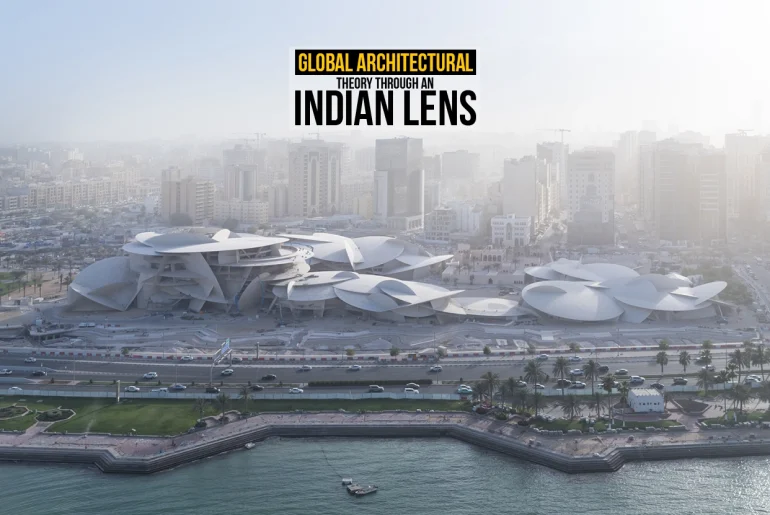
Architectural ideas have rarely remained confined to the places where they originate. Concepts about form, function, efficiency, and spatial order have travelled across borders through texts, education, exhibitions, and professional…
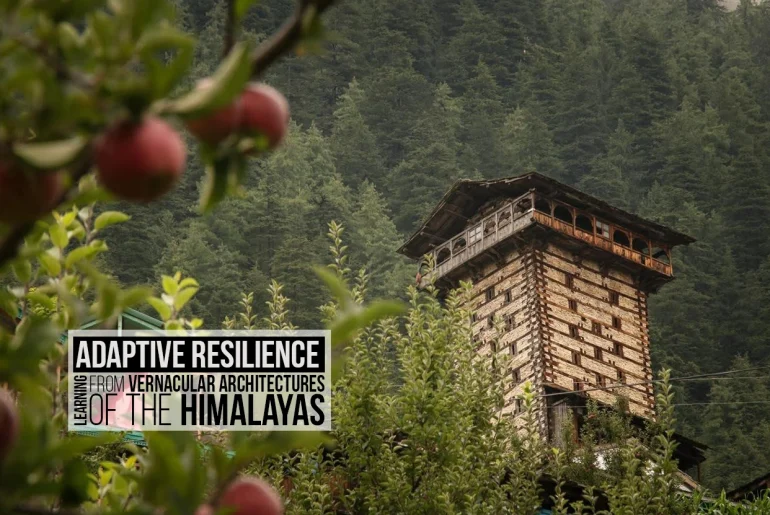
The Himalayas are inhabited by nearly 52.7 million people and extend across Nepal, India, Bhutan, China and Pakistan. More than a geographic feature, the region functions as a climatic and…
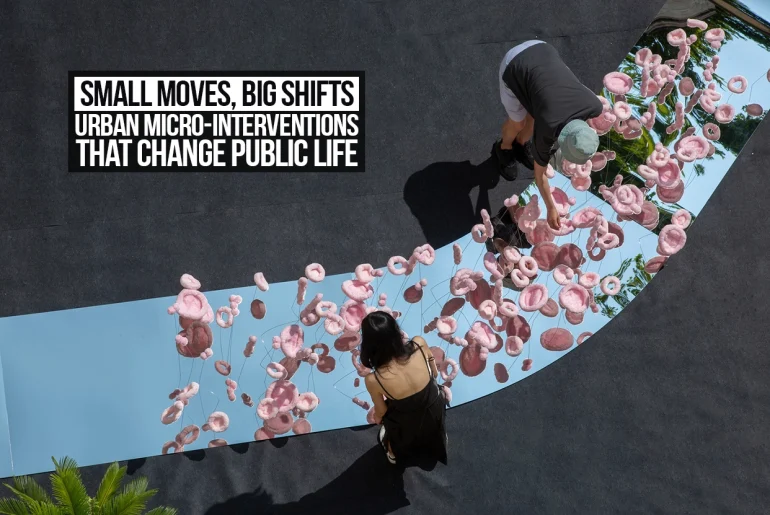
Public life is shaped not only by large urban projects but also by small, deliberate design decisions that influence how people interact with shared spaces. In rapidly growing cities, where…
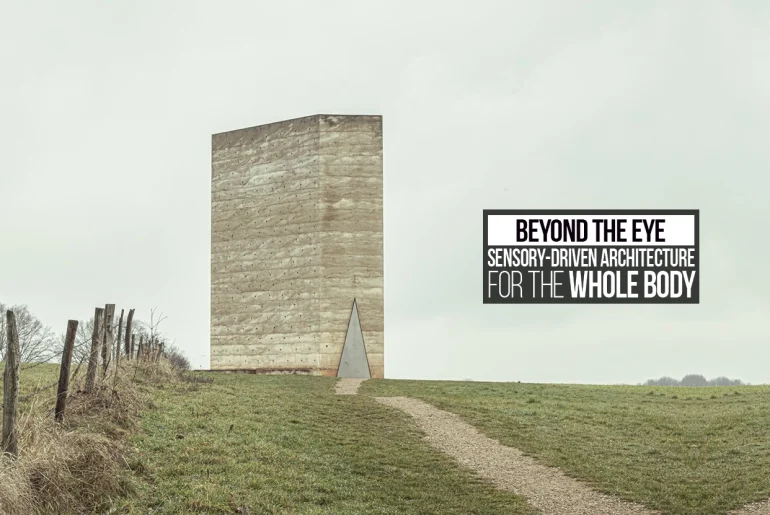
For centuries, architecture has primarily focused on visual appeal, prioritising aesthetic over other senses (Berg, 2020). This ocular-centric approach has led us to assess our buildings through their photographs, renders,…
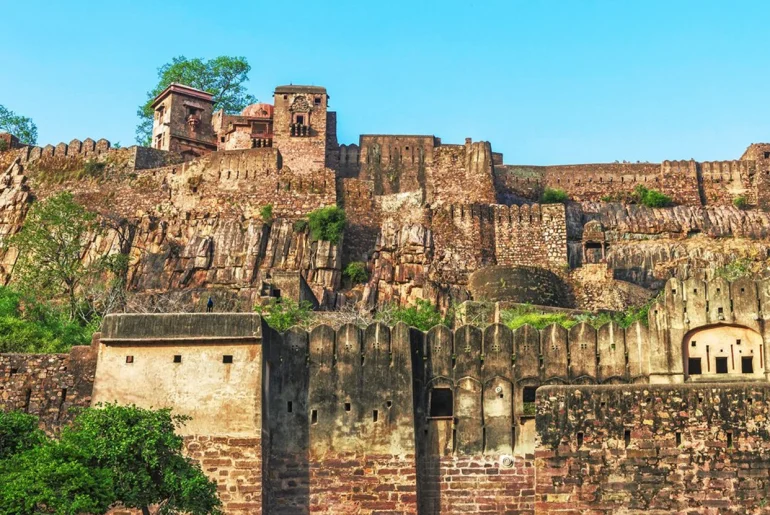
Ranthambore Fort, a historic landmark that holds much of a cultural essence, stories from the past, a nature reserve and a lot. Located on the hills of the Aravali range…
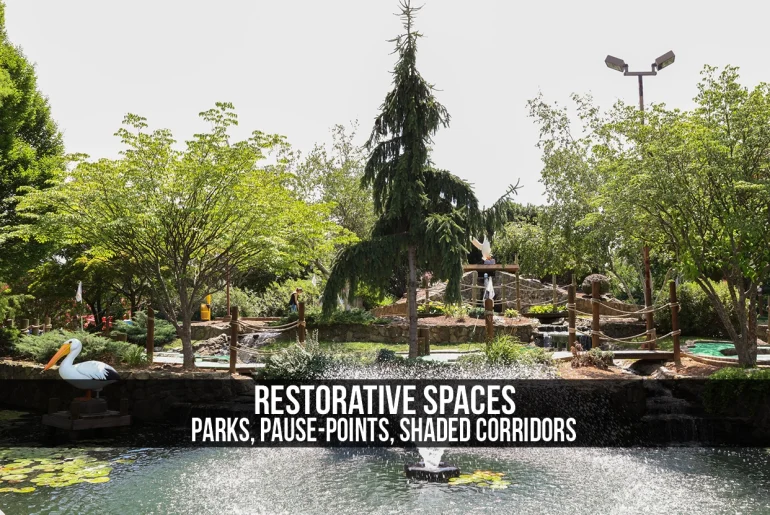
The idea of restorative spaces originates from the discovery that buildings and architecture not only affect the physical health of humans but also greatly affect their mental and emotional well-being.…
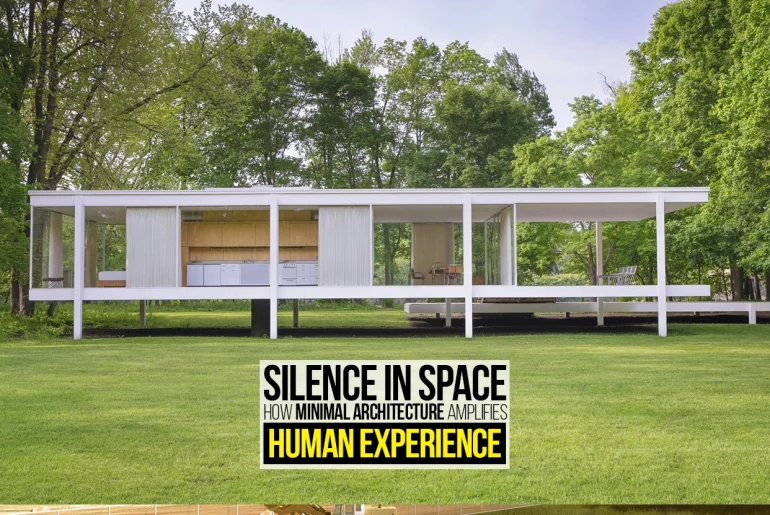
Contemporary life is shaped by constant stimulation. Visual noise, layered information, and uninterrupted activity define how people move through cities and buildings. Architecture often mirrors this condition, responding with expressive…