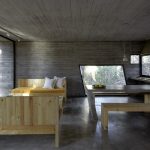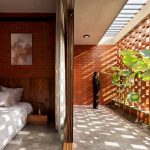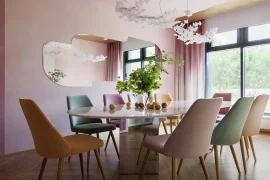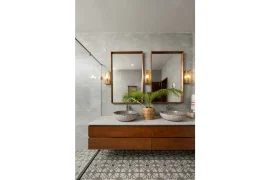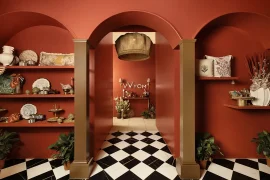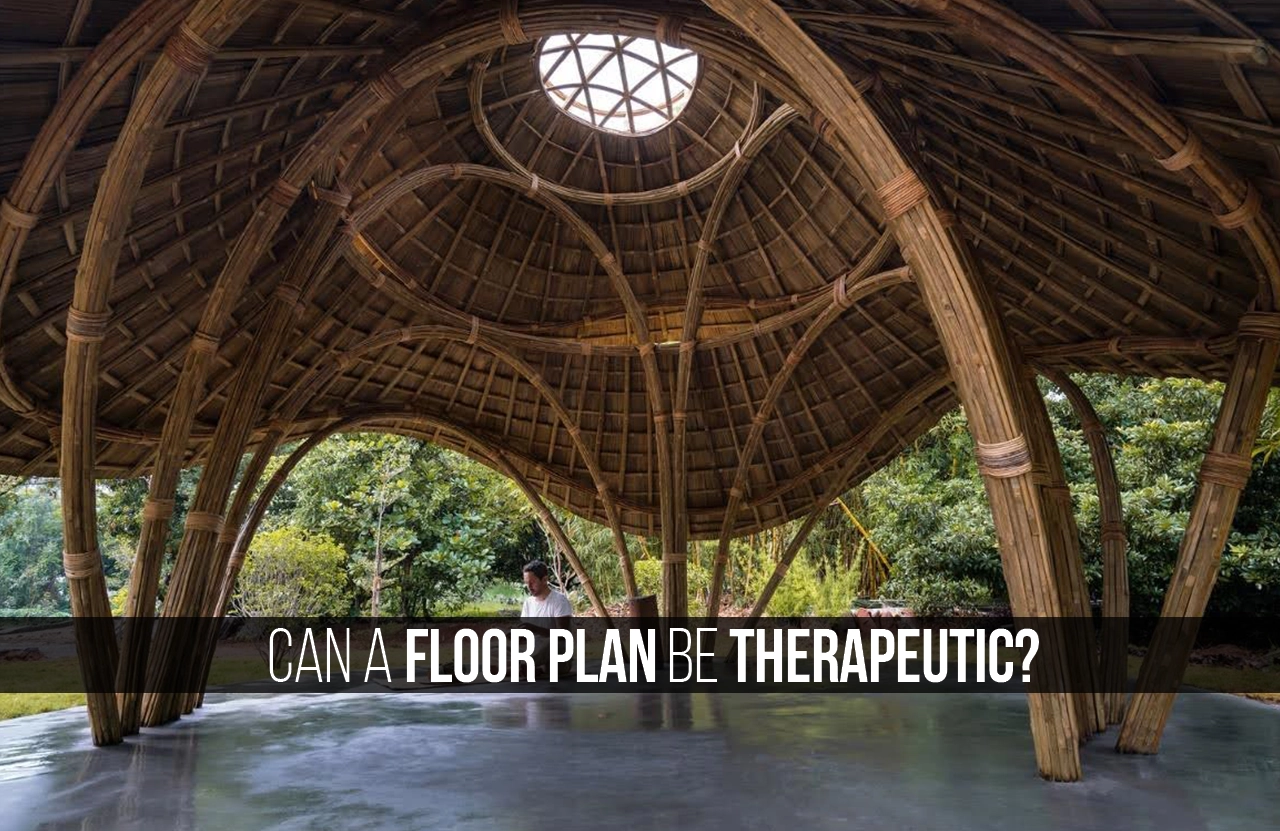
From the morning routine to evening dinner, a person spends the majority of their time indoors. Upon spending so much time indoors, the space begins to affect the behaviour of the user. Interior design impacts the subconscious and influences emotion through the way the brain responds to the space (Harrouk, 2020). Light, circulation, colours, proportions- all influence the mood and behaviour of the occupant. According to Dave Alan Kopec (as cited in Harrouk, 2020), “Psychology of space is in fact the study of human relations and behaviour within the context of the built and natural environments”. This article explores the psychological effects of a space layout on the inhabitants, with a focus on circulation, light, and space planning.
Architecture and Mood
The spaces and the surrounding built environment have a direct effect on occupants’ feelings. Modern architectural thinking emphasizes designing buildings around occupants’ physical, psychological, and physiological needs (Harrouk, 2020). The purpose of planning a space as per stakeholders’ needs is to ensure comfort and ease for its occupants. Design principles such as balance, symmetry, proportion, rhythm, light, and colour help create harmony and influence the mood (Harrouk, 2020). Design principles expressed through architecture translate abstract concepts into lived spatial experience. Architectural elements like light, colour, scale, proportions, acoustic, material, and layout shape emotions, behaviour, and well-being (Harrouk, 2020).
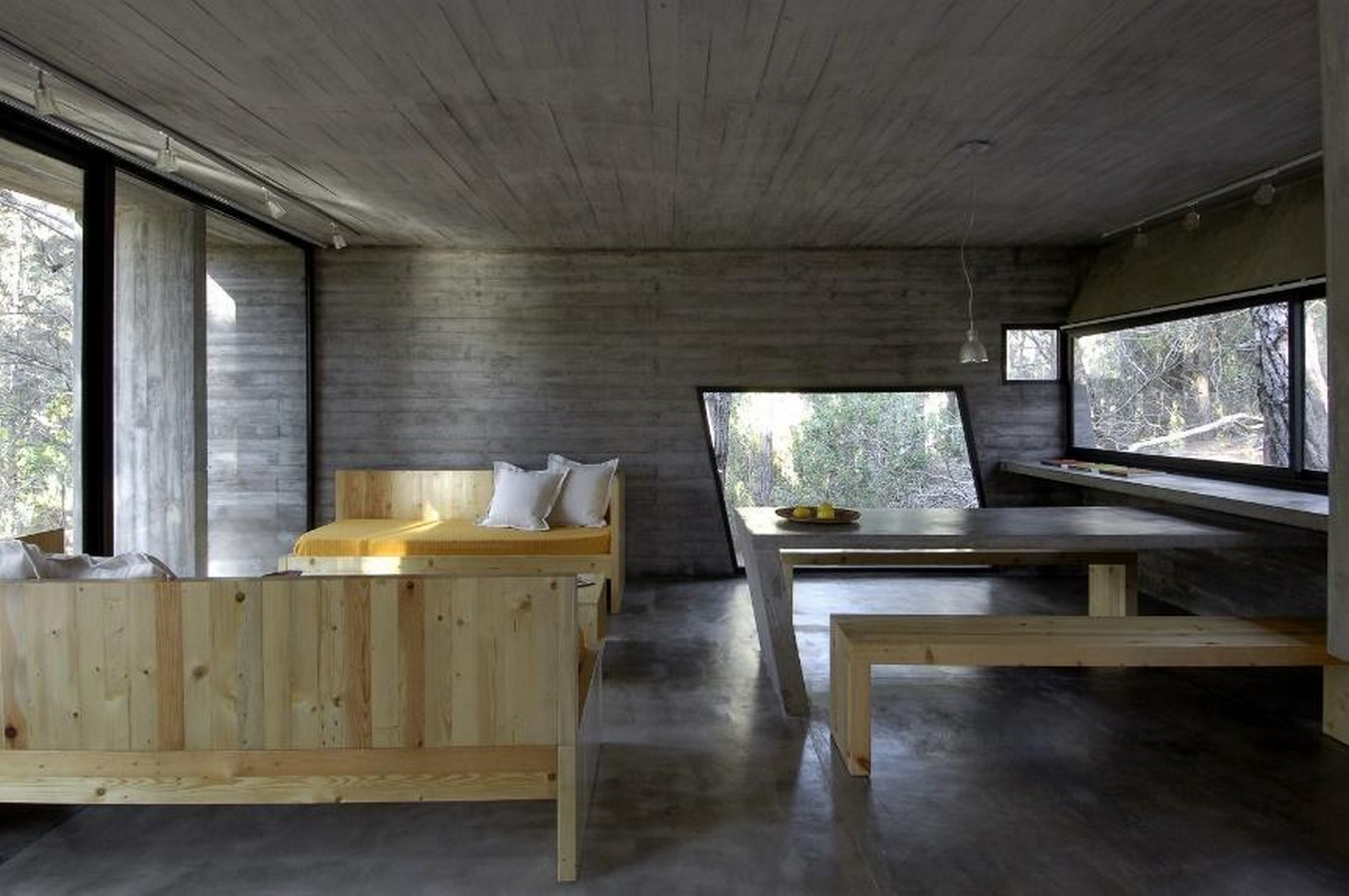
While planning a space, the selection of an appropriate colour communicates the intended function. Warm coloured space feels intimate as the light levels affect mood, productivity, and recovery, with natural light being the most beneficial (Harrouk, 2020). On the other hand, a stark, foreboding lobby devoid of colour makes occupants feel uncertain and anxious (Marymount University, 2025). Designers focus on maximising the natural light dispersion into active spaces, which indirectly supports alignment with the circadian rhythm.
Planning for Well-being
User well-being can be integrated into planning by accommodating user emotional and psychological needs. Healing environmental design promotes mental health benefits (Marymount University, 2025). Public, semi-private, and private spaces contribute differently to the user’s well-being. Open spaces feel energizing while poorly designed spaces induce stress (Nasir, 2024). Open spaces also encourage communication and teamwork (Nasir, 2024). In contrast, private spaces support privacy and focus with features such as partitions, quiet zones, and private rooms, which support well-being (Nasir, 2024). Balanced integration of open and private spaces accommodates diverse user needs, supporting both collaboration and privacy.
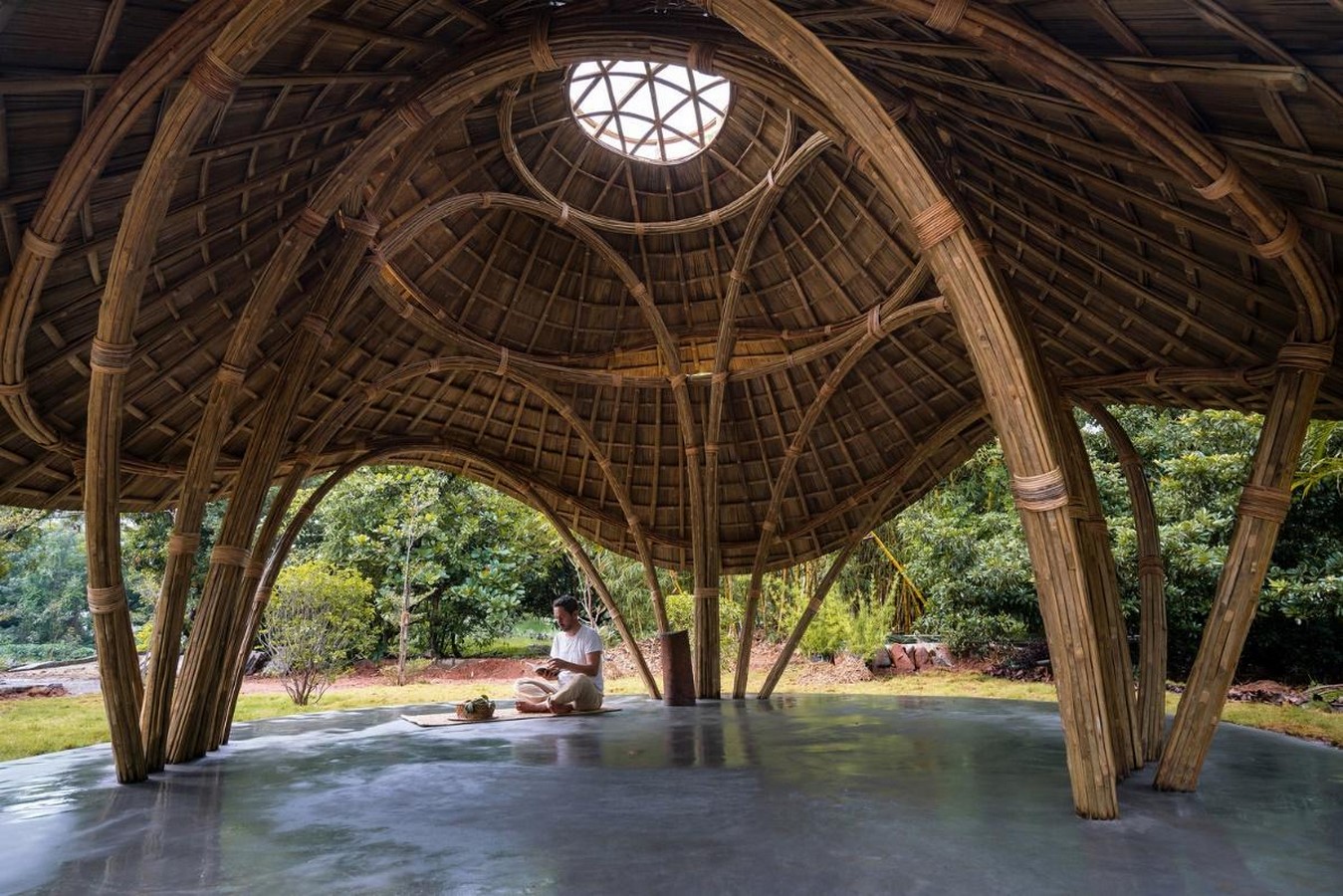
In the planning process, it is important to understand the minds and desires of the users. Defining a room’s purpose and desired emotions for users can help create a strategic and effective interior design plan (Marymount University, 2025). Leveraging natural benefits within an interior design plan allows for the improvement of the mood of the space and increases the rate of productivity (Marymount University, 2025). The designers must incorporate the existing and natural benefits into the design. One key recommendation for a strategic interior design plan is to create a layout that improves the flow of the room and allows a person to feel at ease (Marymount University, 2025).
Zoning and navigation are the initial steps of the planning process. Being codependent, they create a network of aisles, corridors, and streets with functional spaces in between. Layout complexity is based on the idea that most built environments can be understood as a network of interconnected units (Slone et al., 2014). Research indicates that in a more complex plan, users take longer to find destinations and make more errors (Slone et al., 2014). The Interconnection Density (ICD), defined as the number of directional choices at intersections in a floor plan, is a key measure of complexity; the lower the ICD, the simpler the network is (Slone et al., 2014). Straightforward planning can make navigation effortless.
Movement Through the Space
A clear spatial hierarchy within a space supports effective navigation. To navigate, people create a cognitive map of the environment (Slone et al., 2014). Intuitive layouts and visual cues, such as landmarks, permit a user to orient themselves in the built environment. Wayfinding, a form of spatial problem solving, is strongly affected by the physical environment (Slone et al., 2014). Well-designed environments aid users in forming clean mental images for easy navigation (Slone et al., 2014). Poorly designed environments can lead to frustration (Slone et al., 2014). Legible environments avoid confusion and promote a positive experience.
Light as Mood Changer
Light is required to make things visible. A space is lit with the help of natural light and/or artificial light. Light is essential for human psychology and well-being (Saadat et al., 2015). The temperature and dispersion of light can affect the mood, making the occupant feel discomfort. Architects like Louis Kahn and Le Corbusier emphasized light as the essence of architecture (Saadat et al., 2015). Light can be used to introduce drama into space or to guide movement and direction. Natural light in traditional houses created relaxation, spirituality, and harmony with nature (Saadat et al., 2015). Natural light calms people, improves mood, and boosts energy and productivity (Nasir, 2024). Warm artificial lights contribute to comfort and productivity while cool lights emphasize focus and alertness (Nasir, 2024). A combination of lights can be used for health benefits.
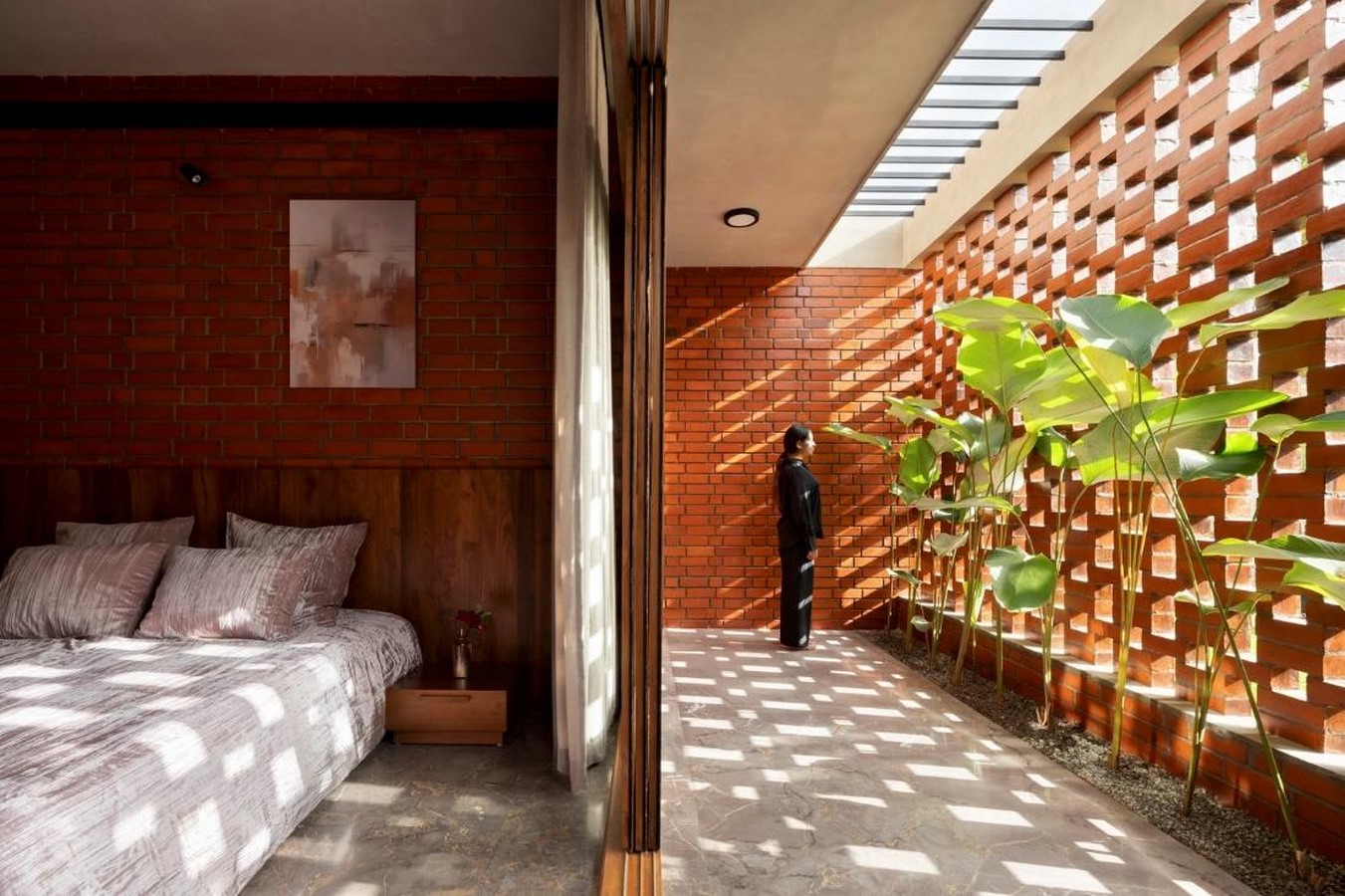
When designers sit down to plan a space, they conduct a thorough review of the requirements. The purpose of space planning is to create a comfortable space where occupants can spend hours. Light, layout, and navigation directly affect the mood and purpose of the space. Lighting for the desired use, layout with low ICD, and clear navigation can put less stress on the mind. Planning, the initial phase of design, is crucial as it can influence the mood and behaviour of the user.
References:
- Harrouk, C., 2020. Psychology of space: how interiors impact our behavior? ArchDaily, 20 March. Available at: https://www.archdaily.com/936027/psychology-of-space-how-interiors-impact-our-behavior
- Marymount University (2025) Designing for well-being: the role of interior architecture in mental health. Available at: https://marymount.edu/blog/designing-for-well-being-the-role-of-interior-architecture-in-mental-health/
- Nasir, O., 2024. The psychology of space: how architecture impacts human behavior, Parametric-Architecture.com, 24 October. Available at: https://parametric-architecture.com/how-architecture-impactshuman-behavior/
- Saadat, D., Yaghoubi, T., Eyvaznejhad, G. & Nabati, K., 2015. The effect of natural light in design of residential spaces in Traditional and contemporary Tabriz homes, Proceedings of International Conference on Architecture, Structure and Civil Engineering (ICASCE-2015), Antalya, Sept 7-8, 2015. Available at: https://www.researchgate.net/publication/372078742_The_effect_of_natural_light_in_design_of_residential_spaces_in_Traditional_and_contemporary_Tabriz_homes
- Slone, E., Burles, F., Robinson, K., Levy, R.M. and Iaria, G., 2014. Floor plan connectivity influences wayfinding performance in virtual environments. Environment and Behavior, 47(9), pp.1023–1053. Available at: ResearchGate.
Image References:
- ArchDaily, 2020. Psychology of Space: How Interiors Impact Our Behavior [online image]. Available at: https://www.archdaily.com/936027/psychology-of-space-how-interiors-impact-our-behavior/5e74a2c4b35765492a000501-psychology-of-space-how-interiors-impact-our-behavior-photo
- ArchDaily, 2025. Architectures of Care: Healing Spaces Across Cultures [online image]. Available at: https://www.archdaily.com/1029247/architectures-of-care-healing-spaces-across-cultures/68000f7019181301866138f1-architectures-of-care-healing-spaces-across-cultures-image
- ArchDaily Spaces & Technology, 2023. Equilibrando função e estética: Incorporando luz natural e ventilação em arquitetura [online image]. Available at: https://images.adsttc.com/media/images/651f/6132/6fa7/bc5e/a716/2c9a/slideshow/equilibrando-funcao-e-estetica-incorporando-luz-natural-e-ventilacao-em-arquitetura_13.jpg?1696555325