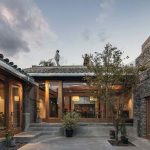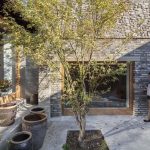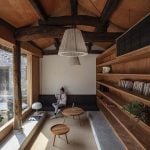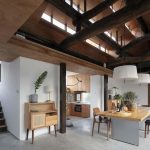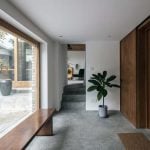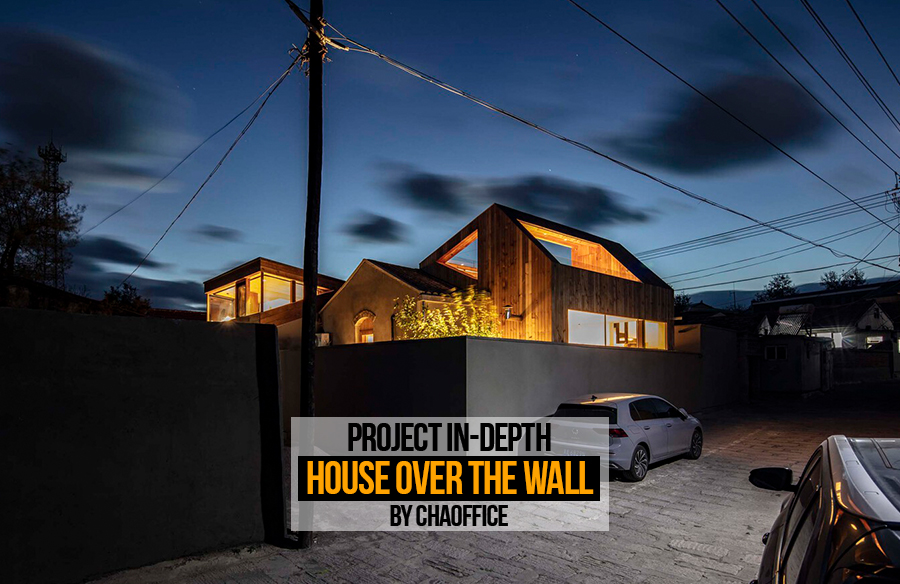
House over the Wall, situated in China’s Taihang Mountain range, is a spacious vacation retreat, designed by Chaoffice. This space stands as a testament to the power of adaptations. It was transformed from an abandoned abode to a site for vacation homes, lacing the stories of the past with light and space to make them relevant in the current context.
The Story Behind the Wall
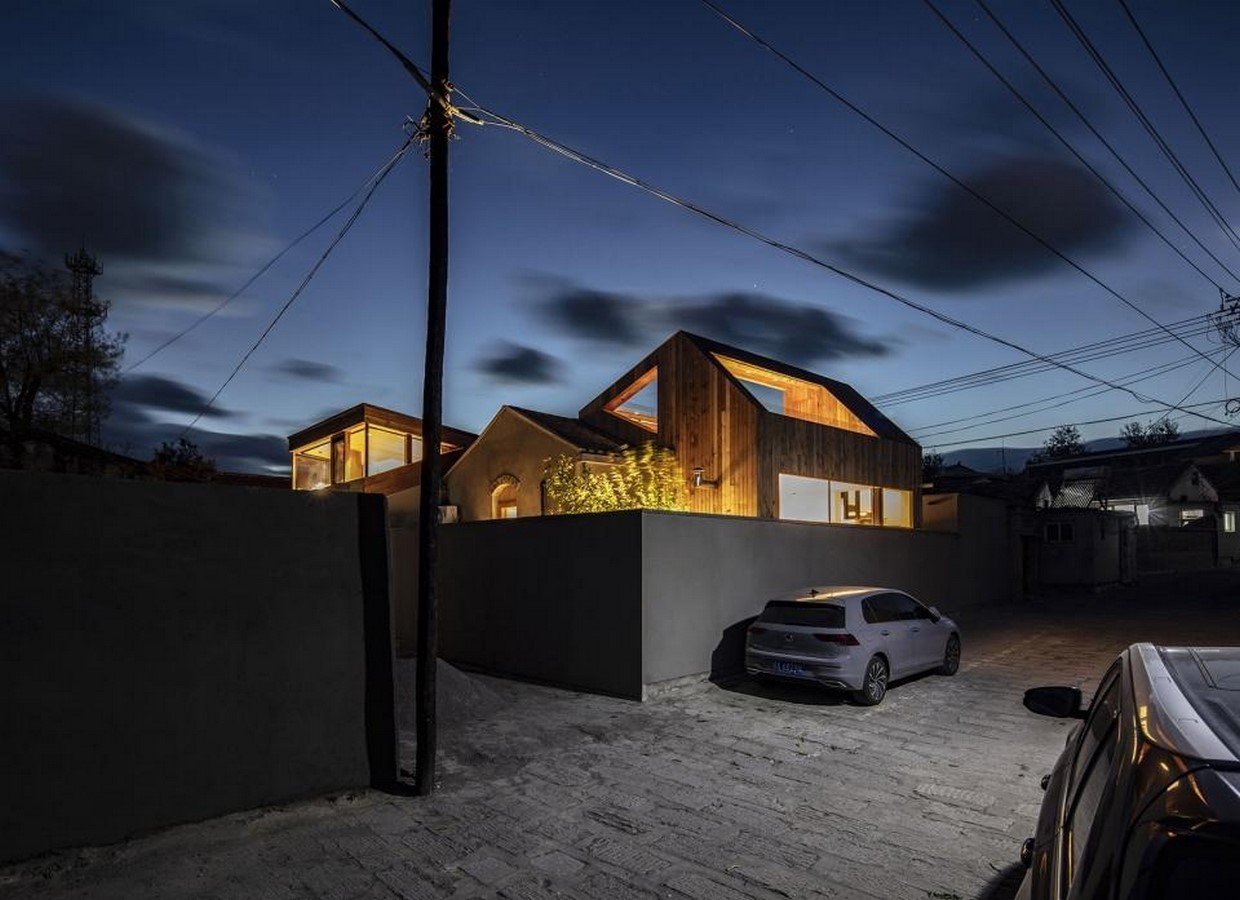
Initially, the House over the Wall was the home of a family of doctors, which was kept in the family for many generations. Settled in the small Junxiang village in China, the house was destroyed in a fire during the Second World War and was consequently rebuilt by the Japanese military, serving as the site for a temporary prison. The prison was built with high, impenetrable walls, and a central courtyard that was shaded by a sloping roof. The yard was the only place that filtered in natural light but being encased by high walls, it was cast in deep shadows. The project was surrounded by darkly enclosed houses, adding to the sense of gloom that was cast over the prison.
At the termination of the War, the Chinese government returned the property to its rightful owners, but soon the family abandoned the house. The house, which was transformed into a prison, transitioned back into a home. Several years later, the house was finally converted into a vacation home made with natural materials, bright light, and a sense of openness.
The Design
The site conditions were not the most ideal for the latest conversion. The easier approach for the architects would have been to demolish the existing structure and start anew. However, Chaoffice chose to preserve the important segments that would reflect the structure’s unique spatial design and deep history. This meant that the enclosure – the high walls built to imprison, was kept intact and incorporated into the new design language. The concept now revolves around the idea of a “prison break”, maintaining the sense of shelter and security that the roof and tall walls provide.
The older structure, made of brick and stone, is supported by the addition of steel structures, which enabled the architects to keep the original form while also strengthening the building. The stone façade and original brickwork are replicated, and the sloping roofs are recreated. The original gatehouse, shadow wall, and roof brickwork are retained as part of the new construction.
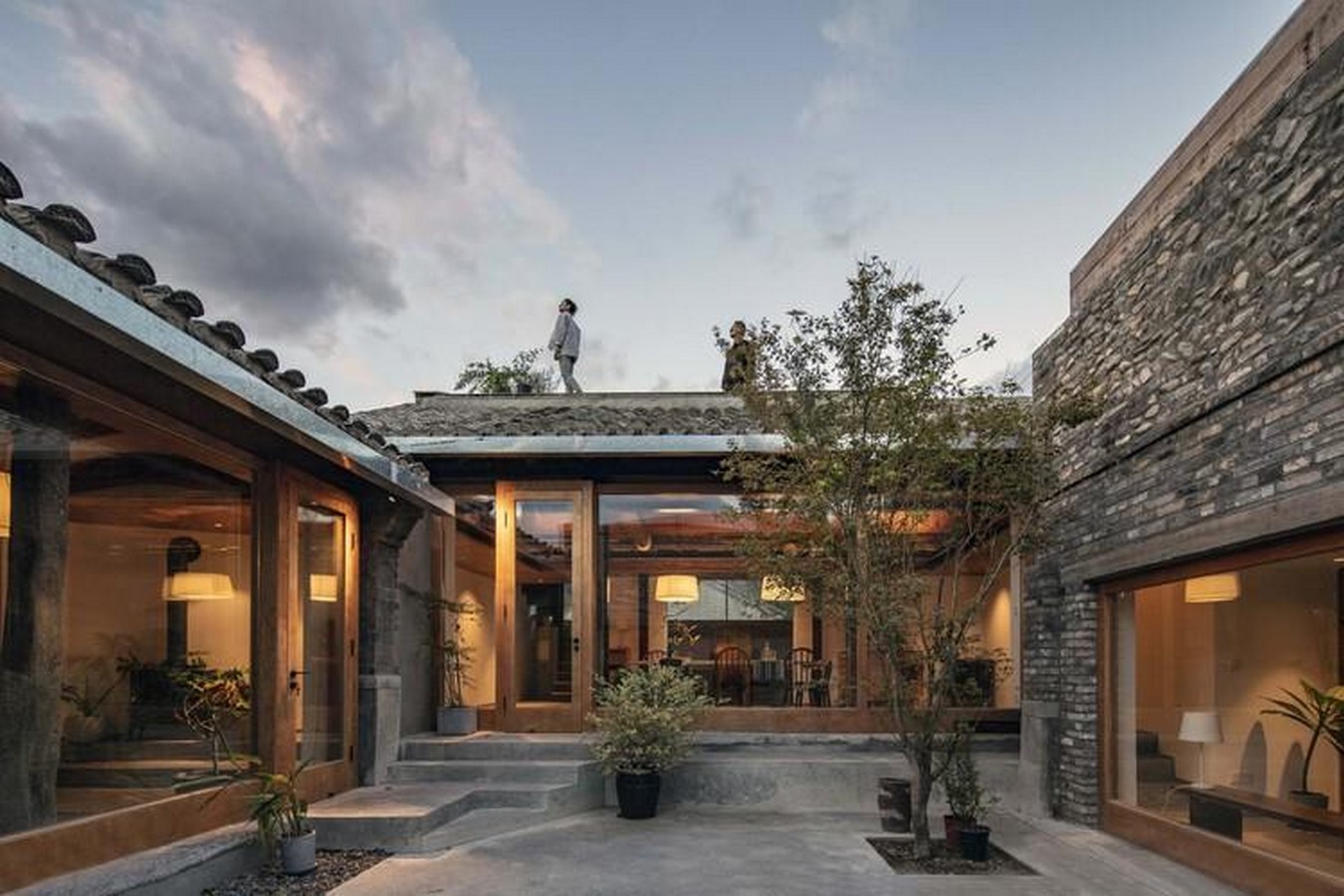
In the House over the Wall, Chaoffice breathes in a new refreshed open system of diverse spaces. On the ground level, new rooms are incorporated to function as connectors, something the Chinese architecture studio referred to as “new orders”. The above floors are infused with three new “parasitic organisms”. The ‘basket’, ‘suitcase’, and ‘cabinet’ all provide natural light and fresh air below, as well as a line of vision and activity to the rooftop, opening up the courtyard to reconnect with the encompassing scenery.
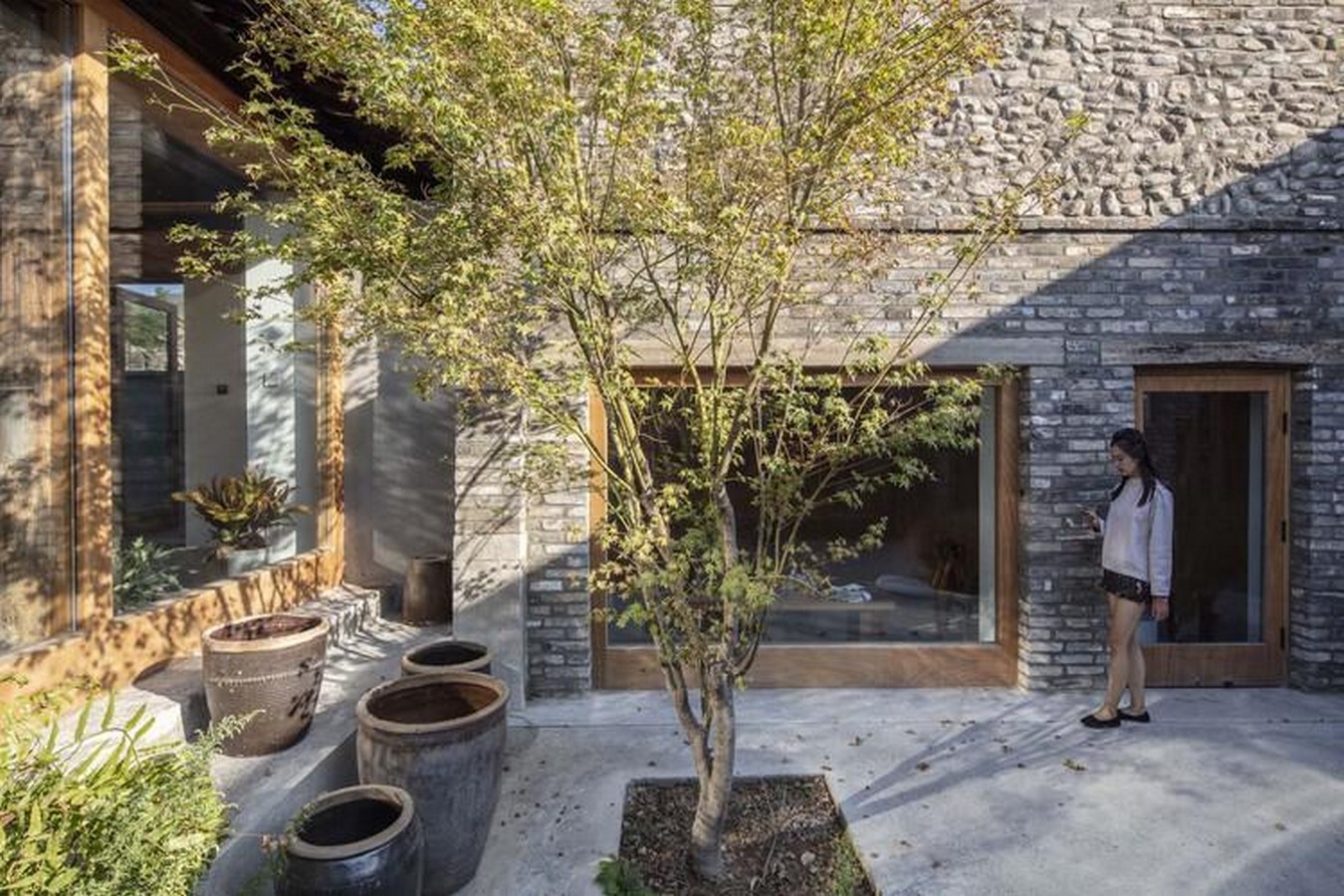
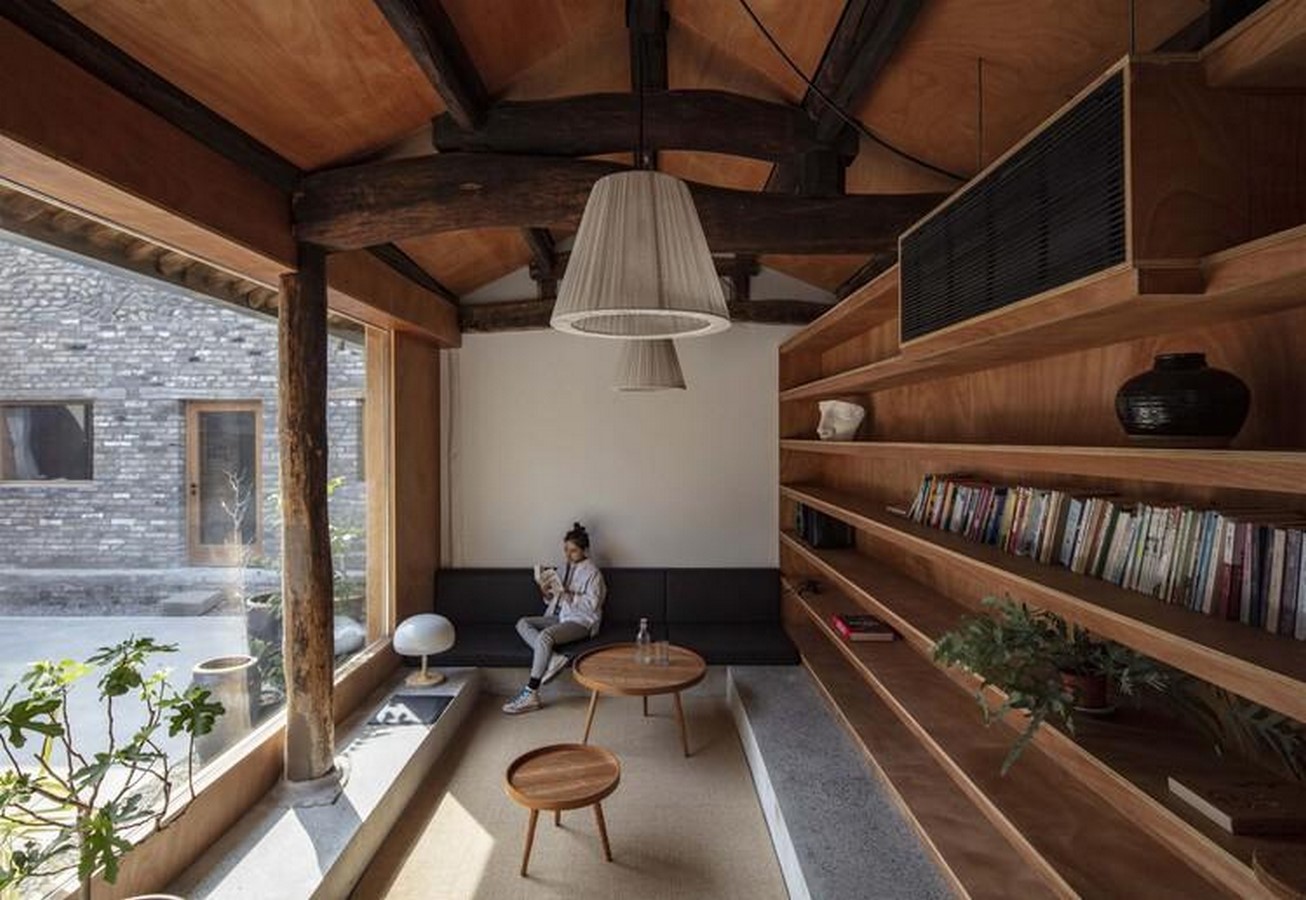
The façade which faces the inner courtyard is opened up by adding large panels of glass, replacing the wooden frames and brick walls. The design attempts to create a new system buried beneath the high walls. The incorporation of skylights in the roof reverses the dark interiors of the rooms as the sun filters in and reflects on the white walls throughout the day.
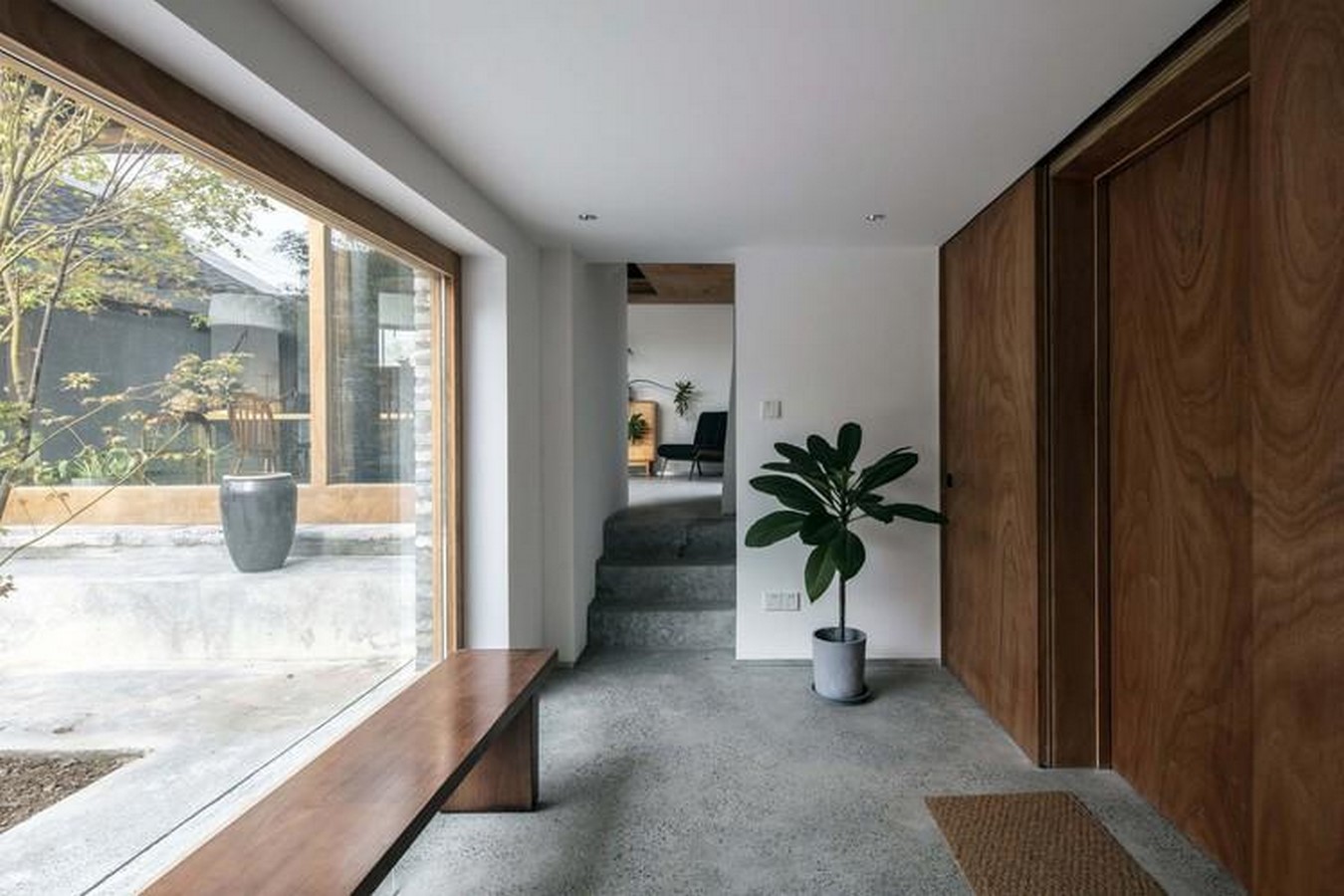
The residents and guests can access the House over the Wall from the south side of the building. In addition to its function as a lobby by the entrance, a row of sliding doors to the south conceal storage, an equipment room, a laundry room, and a stairwell leading to the second-floor ‘suitcase’ suite. Meanwhile, private bedrooms are located in quieter corners with their individual yards or on the second floor, set back from the high walls, receive abundant sunlight, and are oriented for views overlooking the mountains.
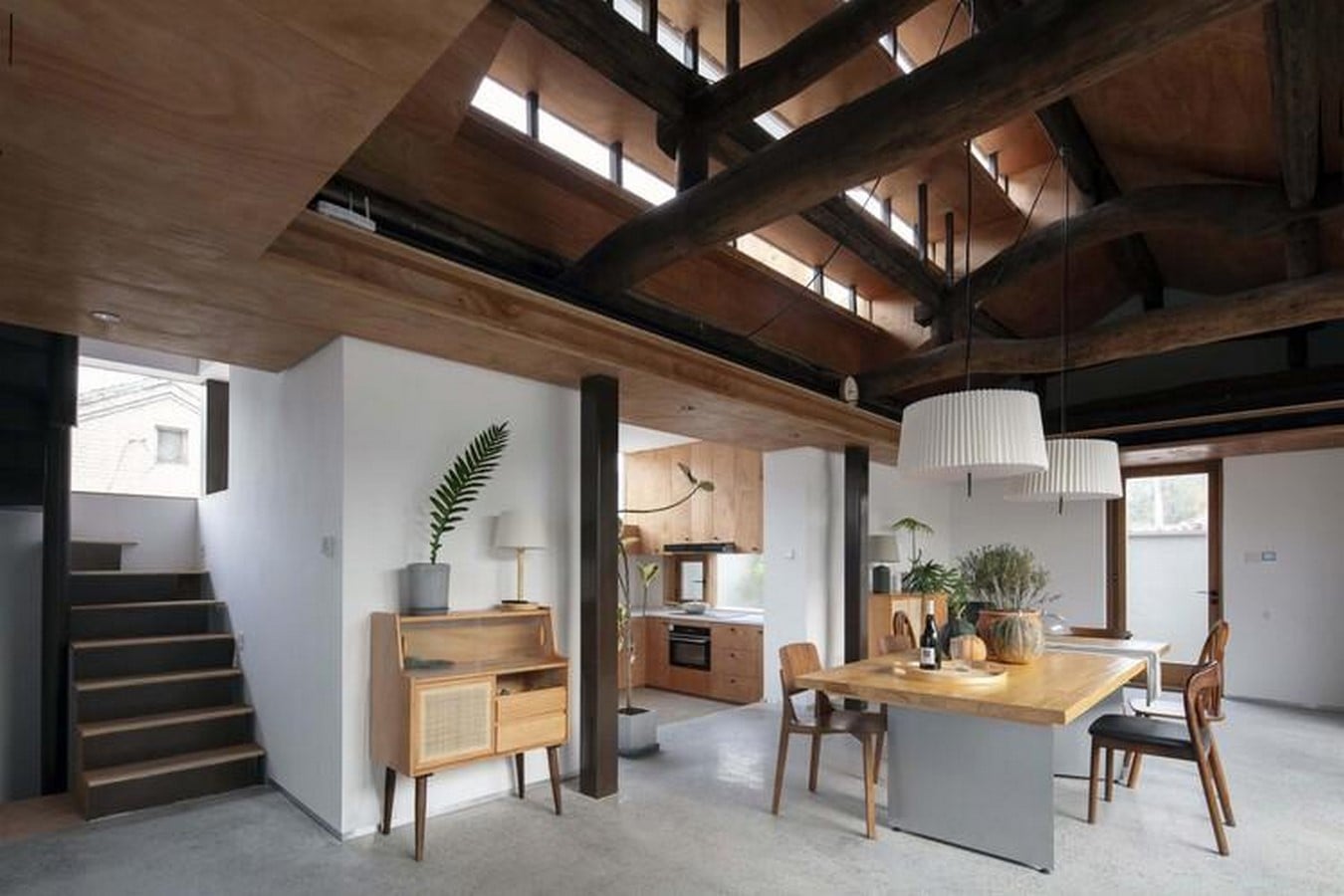
The main housing area, accessed by entering through the corridor of the west building, includes a large dining room that opens into the courtyard. The west building is the core site of public spaces. The site over the east wall becomes an extension of the building, with an open kitchen under a high window looking over the street.
References:
Chen, C. (2022) House over the Wall / Chaoffice, ArchDaily. Available at: https://www.archdaily.com/992169/house-of-mountain-birds-chaoffice (Accessed: 12 April 2025).
Cheng, Z. (2022) Chaoffice revives abandoned wartime prison as tranquil holiday home in Chinese Village, designboom. Available at: https://www.designboom.com/architecture/chaoffice-revives-abandoned-wartime-prison-tranquil-holiday-home-chinese-village-11-14-2022/ (Accessed: 12 April 2025).
House over the wall by Chaoffice (no date) 谷德设计网. Available at: https://www.gooood.cn/house-over-the-wall-by-chaoffice.htm (Accessed: 12 April 2025).