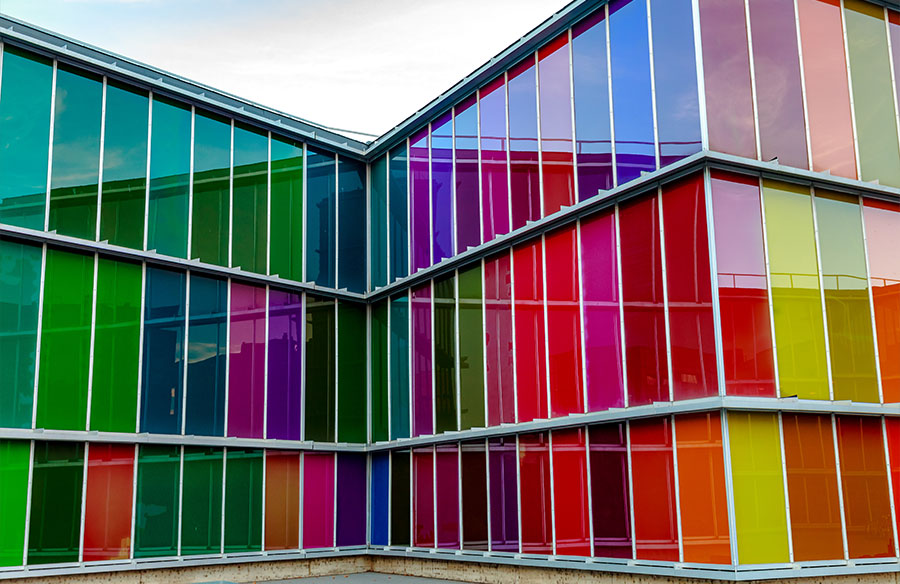
Perspex acrylic is one of the most versatile materials used in modern architecture. Known for its durability and ability to adapt to various designs, it can elevate any building project. Whether you’re working on a commercial structure or a creative installation, Perspex can add a contemporary touch. In this article, you will learn the seven tips for incorporating perspex acrylic into architecture projects.
1. Embrace Its Transparency
If you’re designing a building that focuses on natural light, using Perspex can help achieve that goal. It allows light to pass through, making rooms feel brighter and more welcoming. This material is often used for windows, skylights, or even walls that aim to maintain a connection with the outdoors. By maximizing the transparency of Perspex, it’s possible to bring a fresh and modern feel to any structure.
2. Use Perspex for Bold Design Elements
Always remember that Perspex can be used creatively to form striking accents or focal points. Think about incorporating it into unique features like stair railings or ceiling panels. Due to its flexibility, Perspex can be molded into various shapes, from sleek curves to sharp angles. With a wide range of colors and finishes available, the material can take on different looks depending on the project’s style.
3. Experiment with Light Effects
By using colored or frosted Perspex, it’s possible to achieve different kinds of visual effects as natural or artificial light shines through. For example, using backlit Perspex panels can transform a simple wall into a radiant feature, casting soft, ambient lighting across the space. In addition to that, the material can be used to create custom light fixtures that highlight specific areas, enhancing the overall design.
4. Combine with Other Materials for Contrast
While Perspex is an attention-grabbing material on its own, combining it with other materials can create interesting contrasts. Mixing Perspex with traditional materials like wood or stone brings a modern twist to classic elements. For instance, pairing a Perspex staircase railing with a wooden handrail can blend the old with the new. The result is a breathtaking visual contrast that adds dimension to the design.
5. Prioritize Durability
In architecture, durability is crucial, especially in high-traffic areas or outdoor installations. Unlike glass, which is prone to breakage, Perspex is impact-resistant and more likely to withstand the test of time. For exterior applications, such as facades or outdoor signage, Perspex’s ability to resist the elements makes it an excellent choice. Also, it’s resistant to UV light, ensuring that the material won’t fade or discolor.
6. Focus on Sustainability
Using Perspex acrylic is a sustainable choice for modern architecture projects when used thoughtfully. The material is made from recyclable resources, making it an environmentally friendly option. By opting for Perspex, it’s possible to reduce the environmental impact of the building project. Plus, its resistance to wear means that fewer replacements are needed, which contributes to less waste in the long run.
7. Consider the Ease of Maintenance
One of the significant advantages of Perspex is its ease of maintenance. Unlike glass, which can easily collect fingerprints and smudges, Perspex maintains a clean and sleek appearance with minimal effort. Aside from that, the material’s smooth surface means dust and grime are less likely to cling to it. That’s why, when it comes to cleaning, doing a simple wipe-down is often enough to restore its clarity.
Build Bright. Choose Perspex!
Incorporating Perspex acrylic into modern architecture projects can maximize functionality and aesthetic of a space. From its transparent qualities that allow natural light to flood in, to its ability to combine with other materials for unique design, Perspex is worth considering. Whether you’re designing a commercial building or a creative installation, Perspex can bring a modern touch while offering long-lasting benefits.