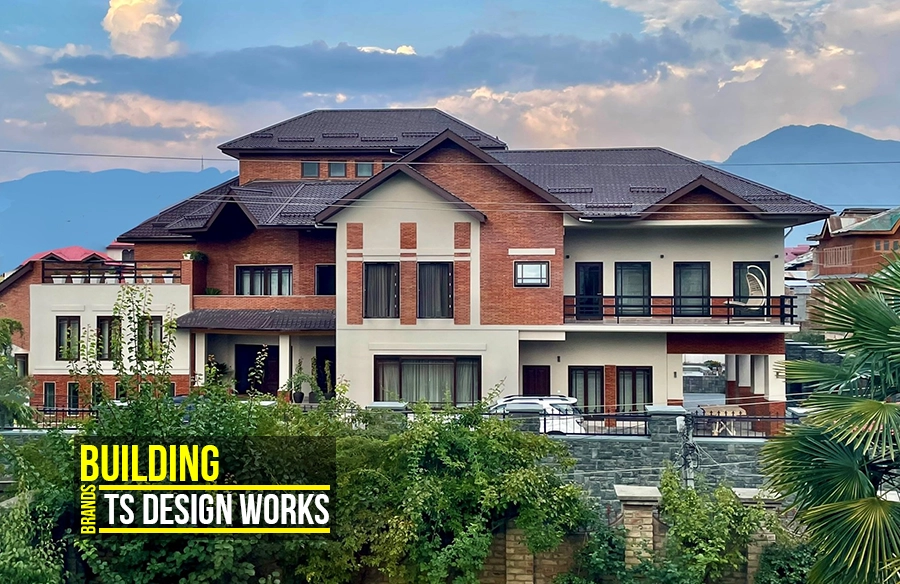
The Power of Design-Led Branding
In today’s highly competitive global market, architecture and design firms must cultivate strong identities that extend beyond delivering functional spaces. Successful studios are recognised not only for the projects they produce but also for the philosophy, innovation, and narrative embedded within their work. Building a brand in architecture requires consistency, clarity of vision, and the ability to respond meaningfully to evolving social and environmental contexts.
One firm that reflects this approach is TS Design Works. Through thoughtful design strategies, a strong emphasis on sustainability, and a commitment to contextual architecture, TS Design Works has established a reputation that embodies both creativity and responsibility. The firm’s journey illustrates how a design practice can gradually evolve into a recognised brand while remaining grounded in its core principles.

This article explores the evolution of TS Design Works, its design philosophy, and the strategies that have enabled the firm to establish a distinctive presence within the architecture and design industry.
Origins of TS Design Works
Every architectural brand begins with a vision. TS Design Works was founded on the belief that architecture should remain deeply connected to people, place, and the environment. Rather than focusing solely on aesthetics, the firm prioritises design solutions that respond to real human needs and ecological concerns.
From the outset, TS Design Works positioned itself as a practice that integrates functionality, sustainability, and contextual sensitivity. This approach helped the studio distinguish itself in an industry where many firms compete primarily through visual spectacle. By emphasising thoughtful design and long-term impact, the firm gradually built credibility among clients and collaborators.

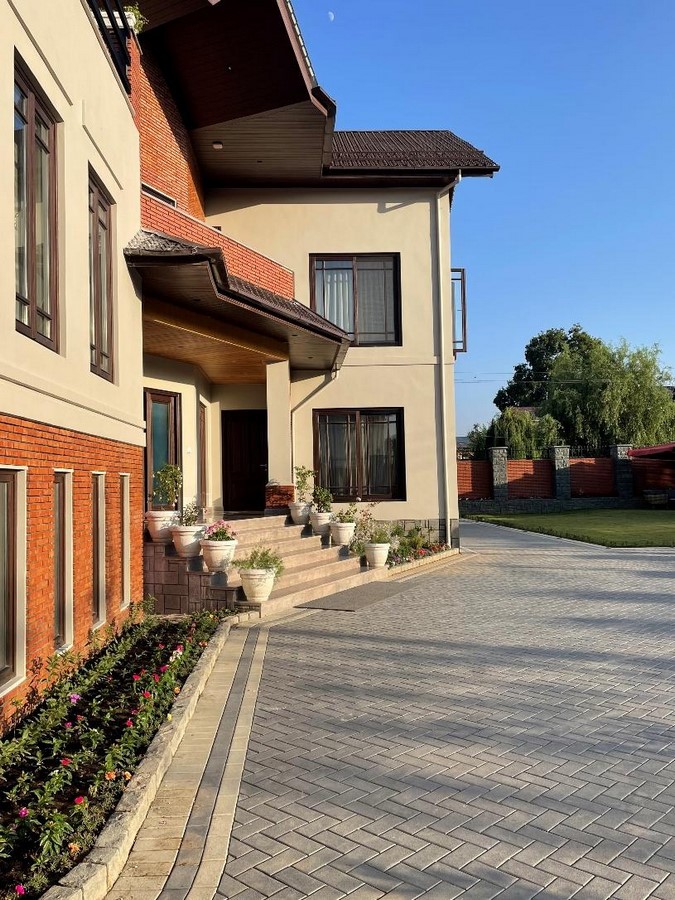
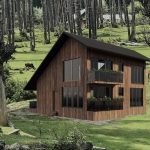
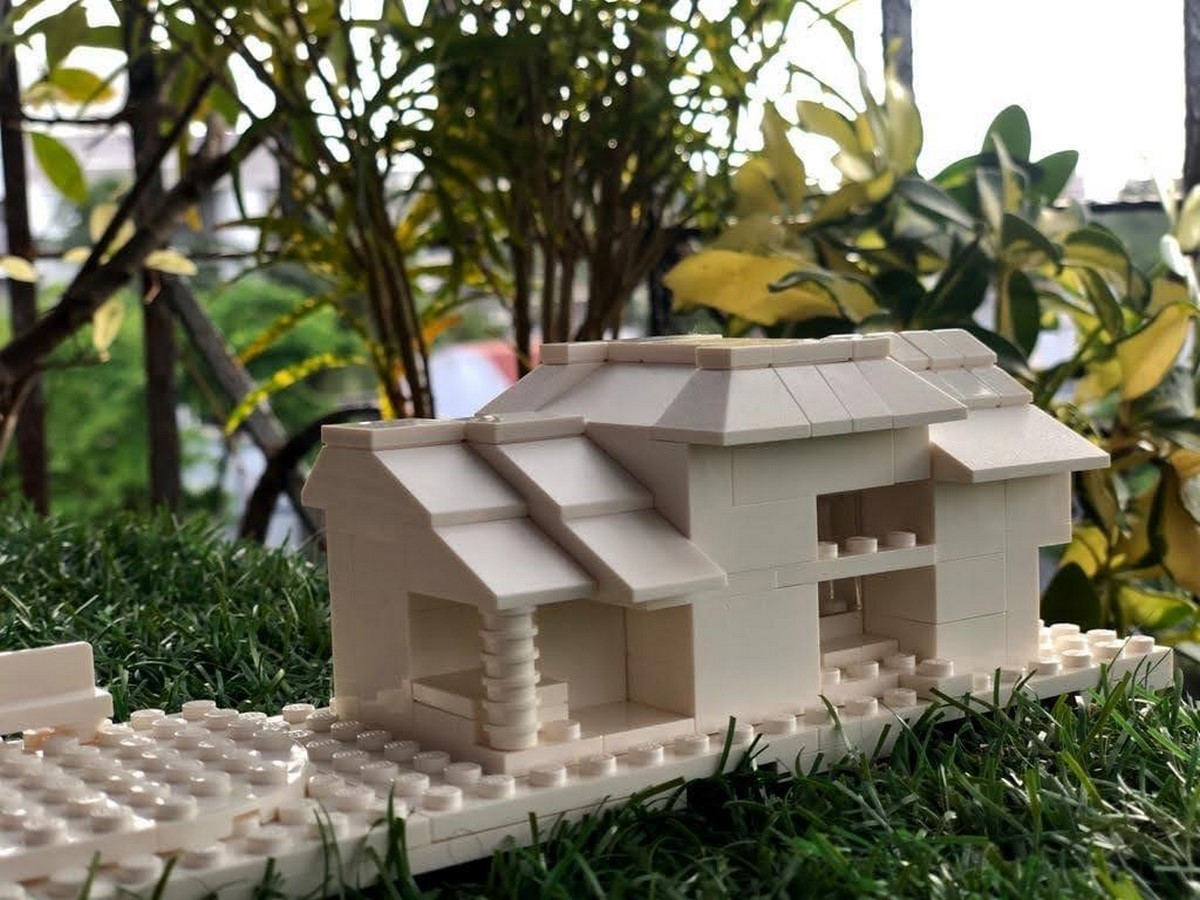
Projects by TS Design Works often respond carefully to their surrounding environment, integrating architecture with landscape, climate, and local context.
The early projects undertaken by TS Design Works focused on creating spaces that were efficient, environmentally responsible, and responsive to local contexts. Over time, these foundational values shaped the firm’s identity and became an integral part of its brand narrative.
Design Philosophy: Human-Centred and Sustainable
At the core of TS Design Works lies a design philosophy centred on sustainability and human experience. The firm believes that architecture should not merely provide shelter but also enhance the quality of life for those who inhabit the space.
This philosophy manifests through several key principles:
Contextual Sensitivity
TS Design Works emphasises the importance of understanding the site, climate, and cultural context before developing a design proposal. Rather than imposing a predetermined style, the firm allows each project to evolve organically in response to its surroundings.
This approach ensures that buildings integrate harmoniously with their environment while reflecting the character and identity of the local context.
Sustainable Design
Environmental responsibility plays a significant role in the firm’s work. TS Design Works actively incorporates strategies such as natural ventilation, daylight optimisation, efficient material usage, and climate-responsive design.
By prioritising sustainability, the firm aligns its practice with broader global concerns related to climate change and ecological balance.
User Experience
Beyond environmental considerations, the studio also focuses on how people interact with spaces. Circulation patterns, spatial hierarchy, and visual connectivity are carefully studied to create environments that feel intuitive, comfortable, and engaging.
This emphasis on user experience further strengthens the firm’s reputation for creating thoughtful, responsive, and well-functioning architecture.
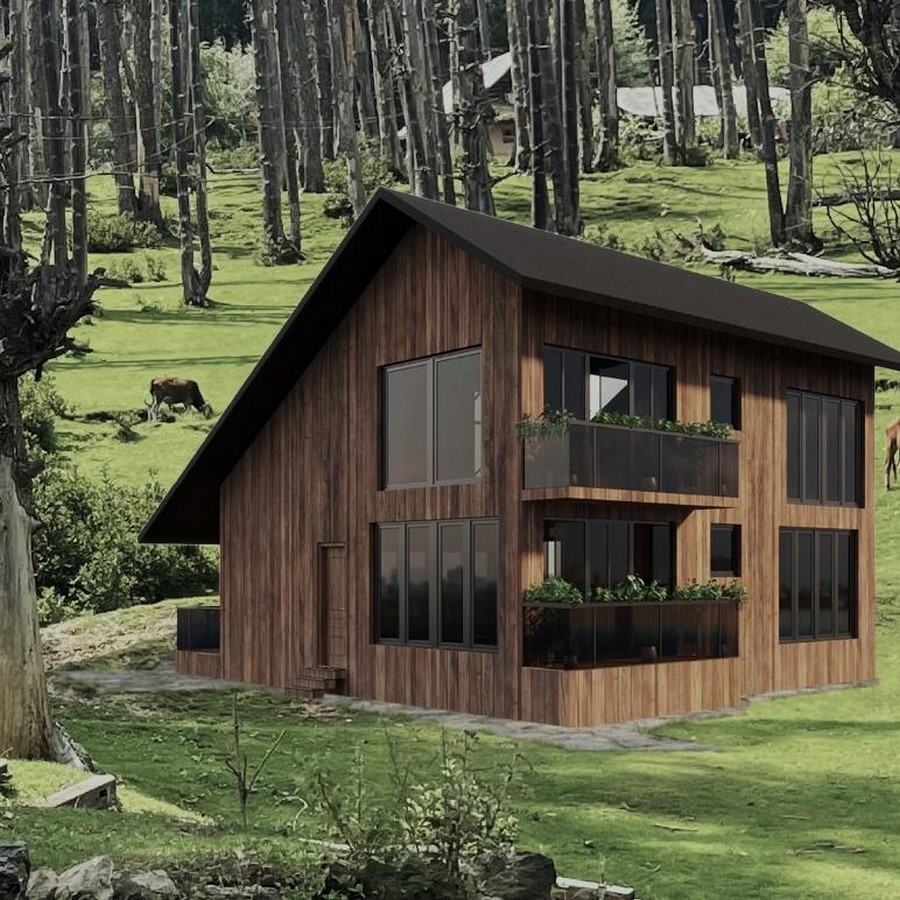
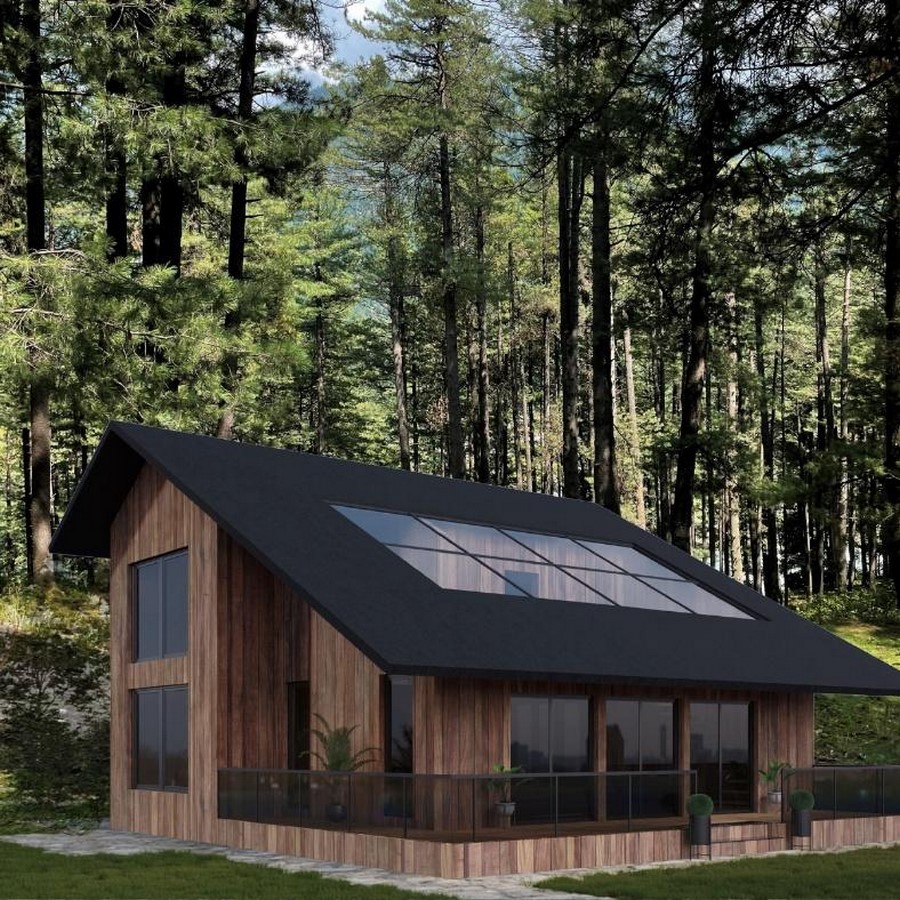
Passive design strategies such as natural ventilation, daylight optimisation, and material efficiency form an integral part of the design process at TS Design Works.
Establishing a Distinctive Identity
For any architecture practice, building a brand involves more than producing successful projects. It requires the ability to communicate a consistent identity through design language, project selection, and public engagement.
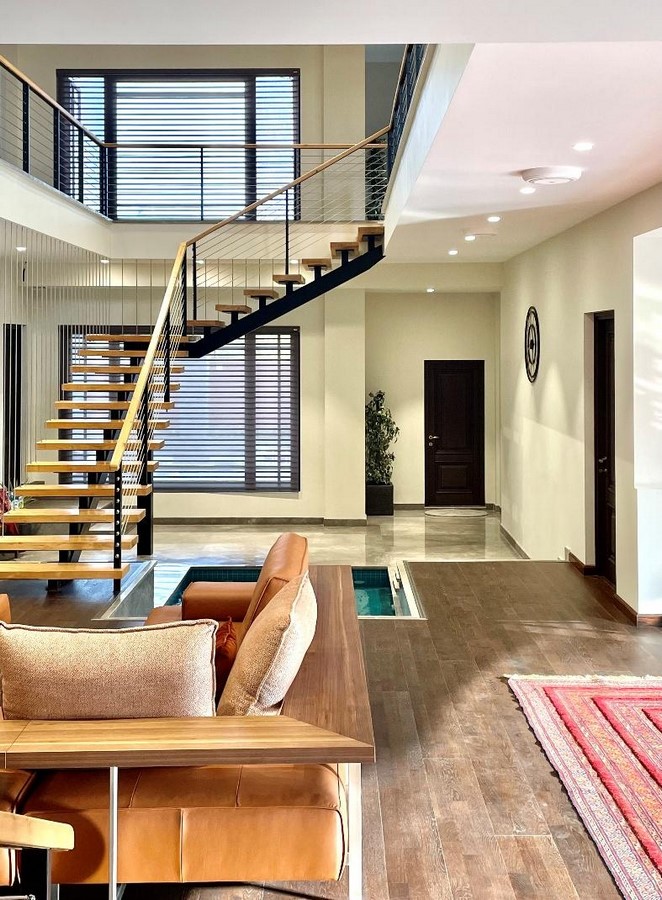
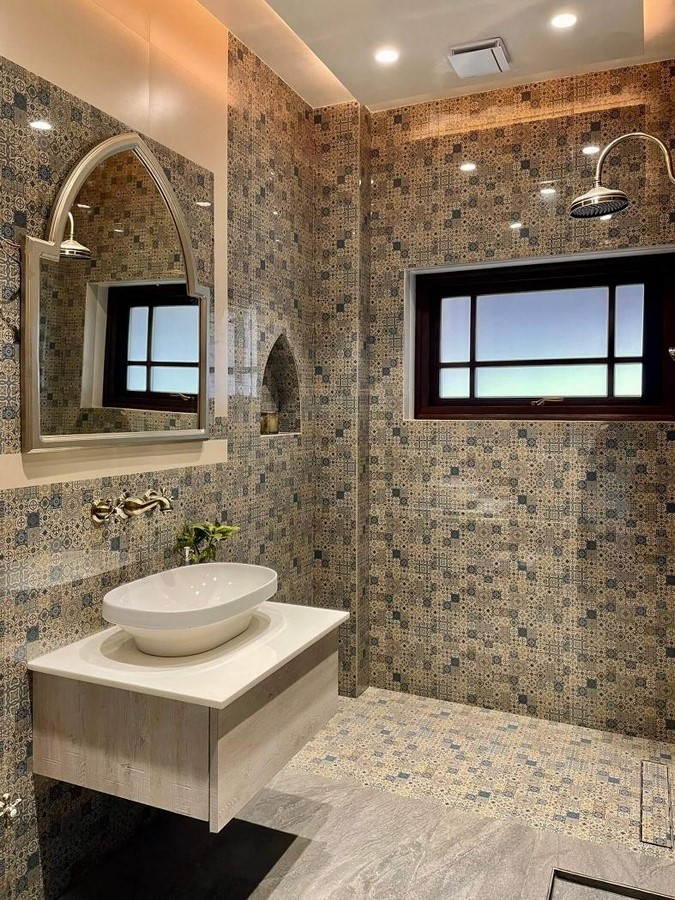
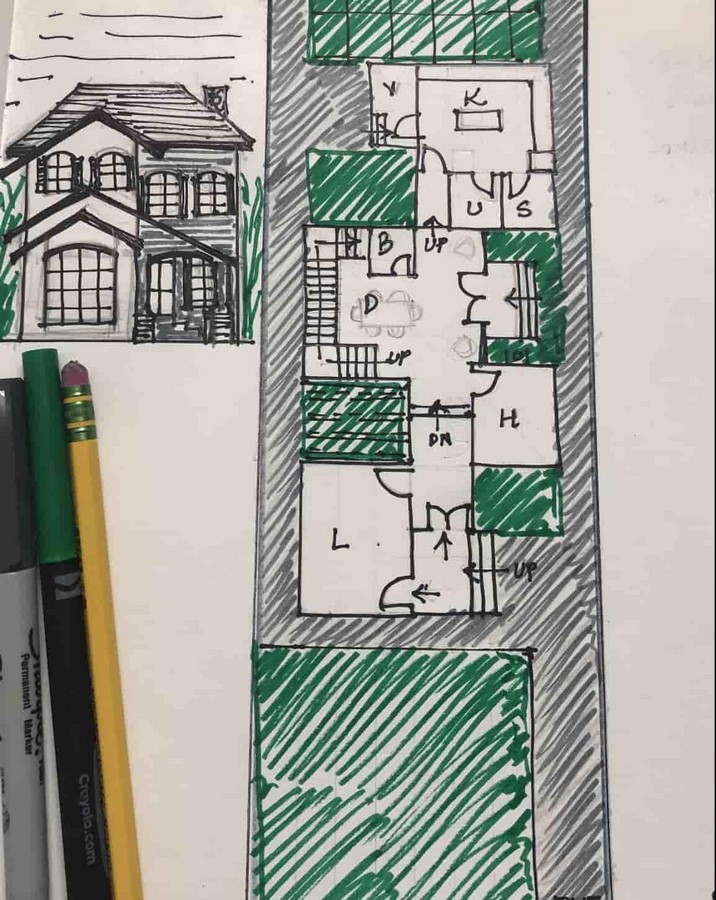
Thoughtful spatial planning ensures that interiors enhance comfort, functionality, and everyday user experience.
TS Design Works has successfully established such an identity through several strategies.
Consistency in Design Values
One of the most important aspects of brand building is consistency. TS Design Works consistently integrates sustainability, contextual awareness, and functional clarity into its projects.
Even when working across different project types—residential, commercial, or institutional—the firm maintains a coherent design philosophy. This consistency enables clients and collaborators to recognise the studio’s distinctive design approach.
Visual and Conceptual Clarity
Another important element of branding is visual clarity. TS Design Works presents its projects with clear narratives that articulate the design concept, environmental strategy, and spatial experience.
This ability to communicate design ideas effectively strengthens the firm’s professional image and allows its work to reach a broader audience.
Building Trust with Clients
Brand reputation is also shaped by relationships with clients. Through transparent communication and dependable project delivery, TS Design Works has developed long-term collaborations with a range of stakeholders.
Trust remains a fundamental component of a brand’s identity in architecture, as successful projects often rely on strong partnerships among architects, clients, and consultants.
Adaptation in a Changing Industry
The architecture industry has undergone a significant transformation in recent decades. Advances in digital technology, increasing environmental awareness, and shifting social needs have reshaped how architects approach design.
TS Design Works has adapted to these changes by embracing new tools and methodologies while remaining grounded in its foundational principles.
Integration of Technology
Digital design tools, simulation software, and Building Information Modelling (BIM) have become essential components of contemporary architectural practice. TS Design Works integrates these technologies to enhance design precision, optimise building performance, and streamline project coordination.
Technology enables the firm to explore innovative design possibilities while maintaining efficiency throughout the design and construction process.
Responding to Sustainability Challenges
As global attention toward environmental sustainability continues to grow, architecture firms must develop solutions that minimise environmental impact. TS Design Works addresses this challenge through climate-responsive design strategies and environmentally responsible material choices.
By aligning its practice with sustainability goals, the firm reinforces its relevance within the evolving architectural landscape.
The Role of Storytelling in Brand Building
Another important factor in the success of TS Design Works is its ability to communicate compelling stories through architecture. Every project developed by the firm reflects a narrative that connects people, place, and purpose.
Storytelling allows architecture to move beyond mere functionality and become a meaningful cultural expression. For TS Design Works, this narrative-driven approach strengthens the emotional connection between spaces and their users.
It also contributes to the firm’s broader brand identity by presenting architecture as a thoughtful and socially responsible discipline.
Lessons from the Success of TS Design Works
The growth of TS Design Works offers several valuable insights for emerging design practices seeking to build their own brand identity.
Define Clear Core Values
A strong architectural brand begins with clearly defined values. By prioritising sustainability, contextual sensitivity, and user experience, TS Design Works established a clear guiding framework for its projects.
Maintain Consistency
Consistency in design philosophy and communication plays an essential role in building recognition and credibility. Over time, clients and collaborators begin to associate the firm with a distinct design approach.
Embrace Innovation
Adapting to new technologies and evolving industry trends enables design practices to remain competitive, efficient, and forward-thinking.
Focus on Long-Term Impact
Architecture has a lasting influence on communities and environments. Firms that prioritise long-term value and responsible design often develop stronger reputations over time.

Architecture as a Brand Narrative
In an increasingly globalised design industry, architectural practices must develop strong and meaningful identities in order to stand out. TS Design Works demonstrates how a firm can transform its philosophy and design values into a distinctive and recognisable brand.
Through its commitment to sustainability, contextual awareness, and user-centred design, the firm has positioned itself as a thoughtful and responsible contributor to the built environment.
Ultimately, the story of TS Design Works illustrates that architecture is not only about constructing buildings but also about shaping experiences, communities, and narratives. By aligning design practice with clear values and consistent communication, architecture studios can build brands that resonate far beyond the projects they create.
References:
https://tsdesignworks.co/