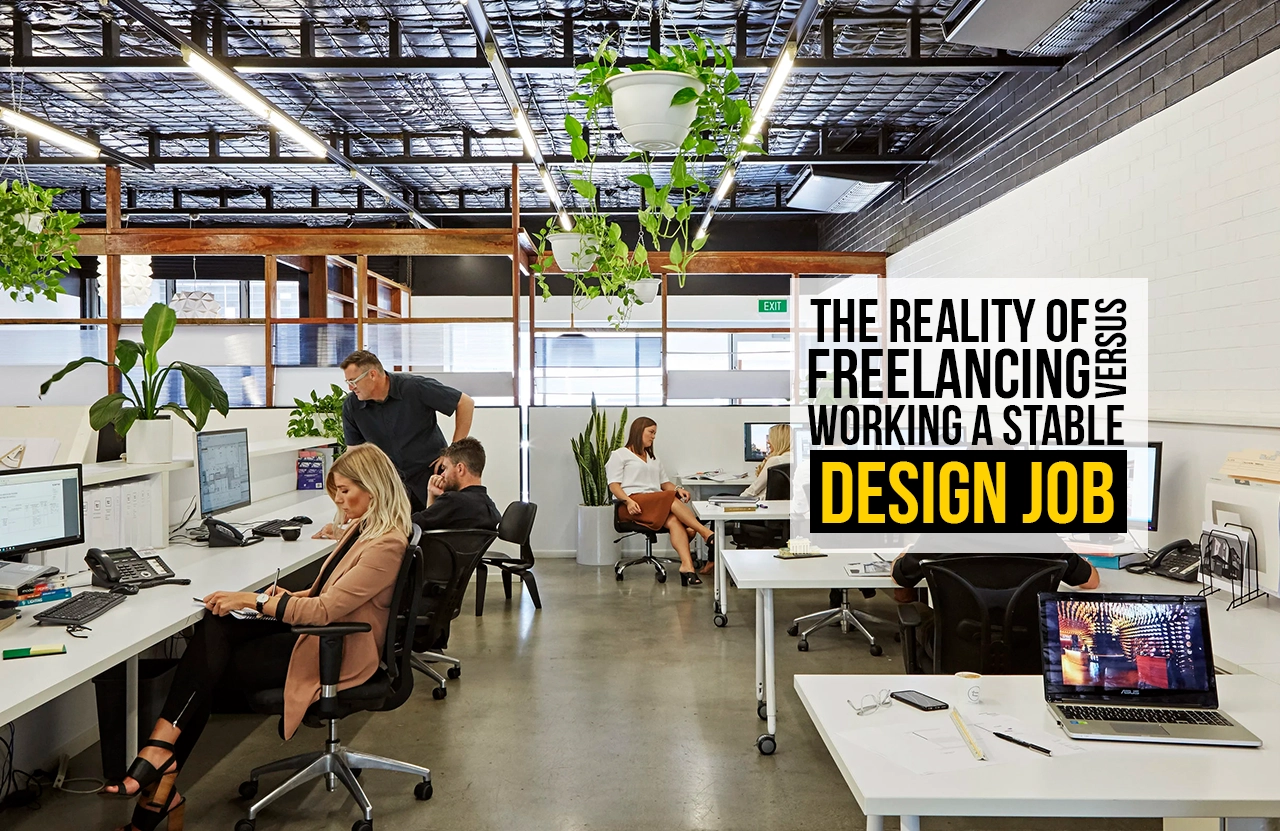
The contemporary design profession is often viewed as a choice between two contrasting modes of practice: Freelance and stable employment. While both are frequently romanticized, freelancing offers a sense of freedom through personal will, whereas employment provides security; their realities are influenced by economic pressures, labor structures, and shifting industry expectations. Rather than being neutral career options, both models reveal deeper tensions within the design field, especially regarding authorship and the commodification of creativity.
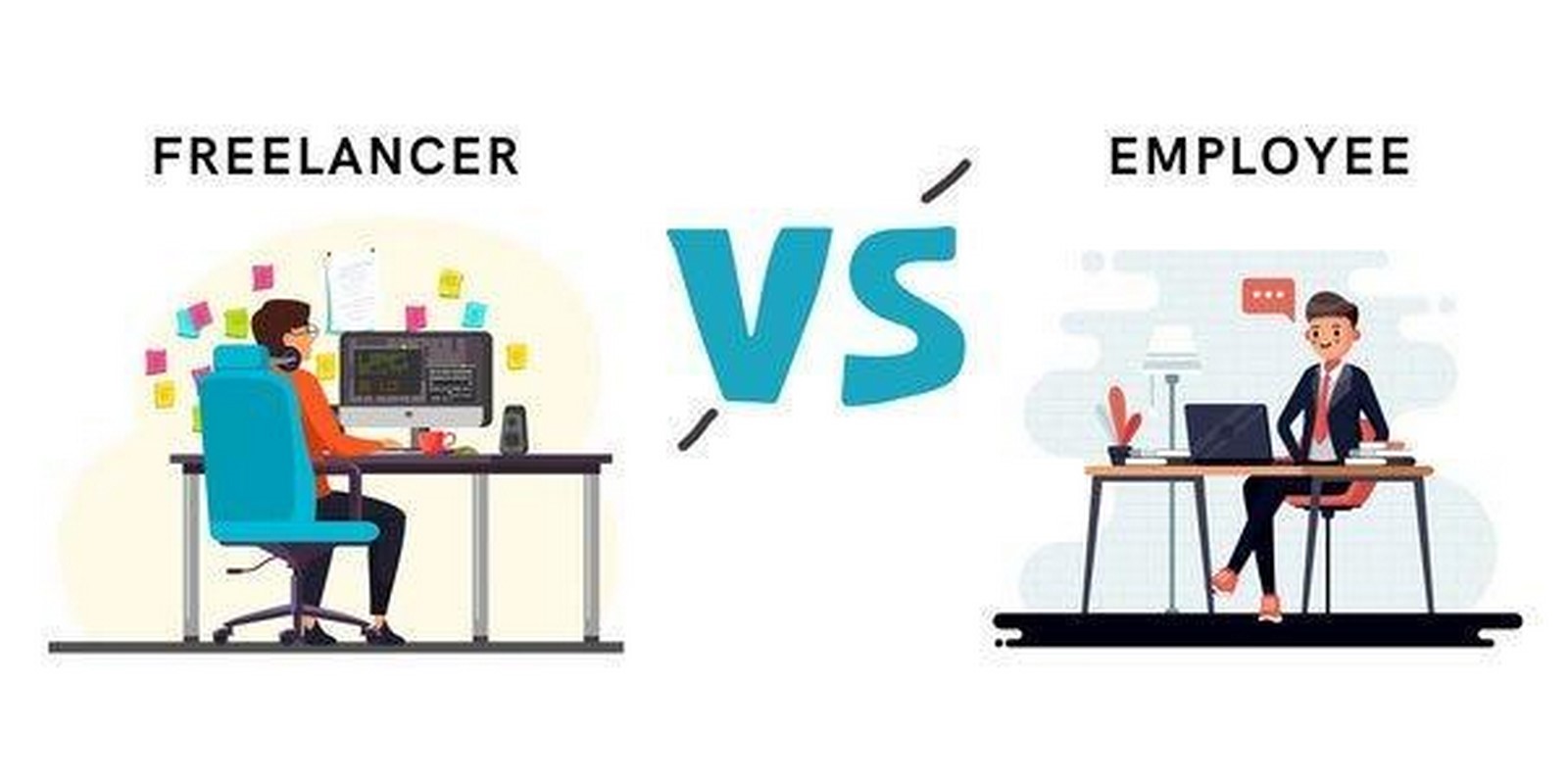
Freelancing

Freelancing is commonly described as a self-driven model, granting designers autonomy over their work, time, and creative direction. This narrative is especially attractive in design education, where individuality and authorship are emphasized. (see fig 2). Yet, this perception often ignores the structural conditions shaping freelancing. Freelancers operate in a highly competitive market, requiring constant self-promotion and adaptability. In this environment, a designer becomes not just a creator, but also a marketer, negotiator, and business manager. This shift reflects a broader neoliberal framework that places the responsibility for success or failure on the individual, with minimal institutional support.
Financial instability is the biggest setback for freelancers. Unlike salaried employment, freelance work is dependent on securing continuous projects, often without any guarantee of income or long-term contracts. Delay in payments, underpricing, and client dependency further intensify this instability. By promoting competitive bidding and cutting costs, platforms that claim to promote freelance opportunities often contribute to the depreciation of design labor. Because of this, designers can end up taking a low-income job to gain experience and recognition, leading to a cycle of unstable employment. Through this, it always raises a critical question about the sustainability of freelancing as a long-term career model, especially for those without financial safety nets.
Stable Design Employment
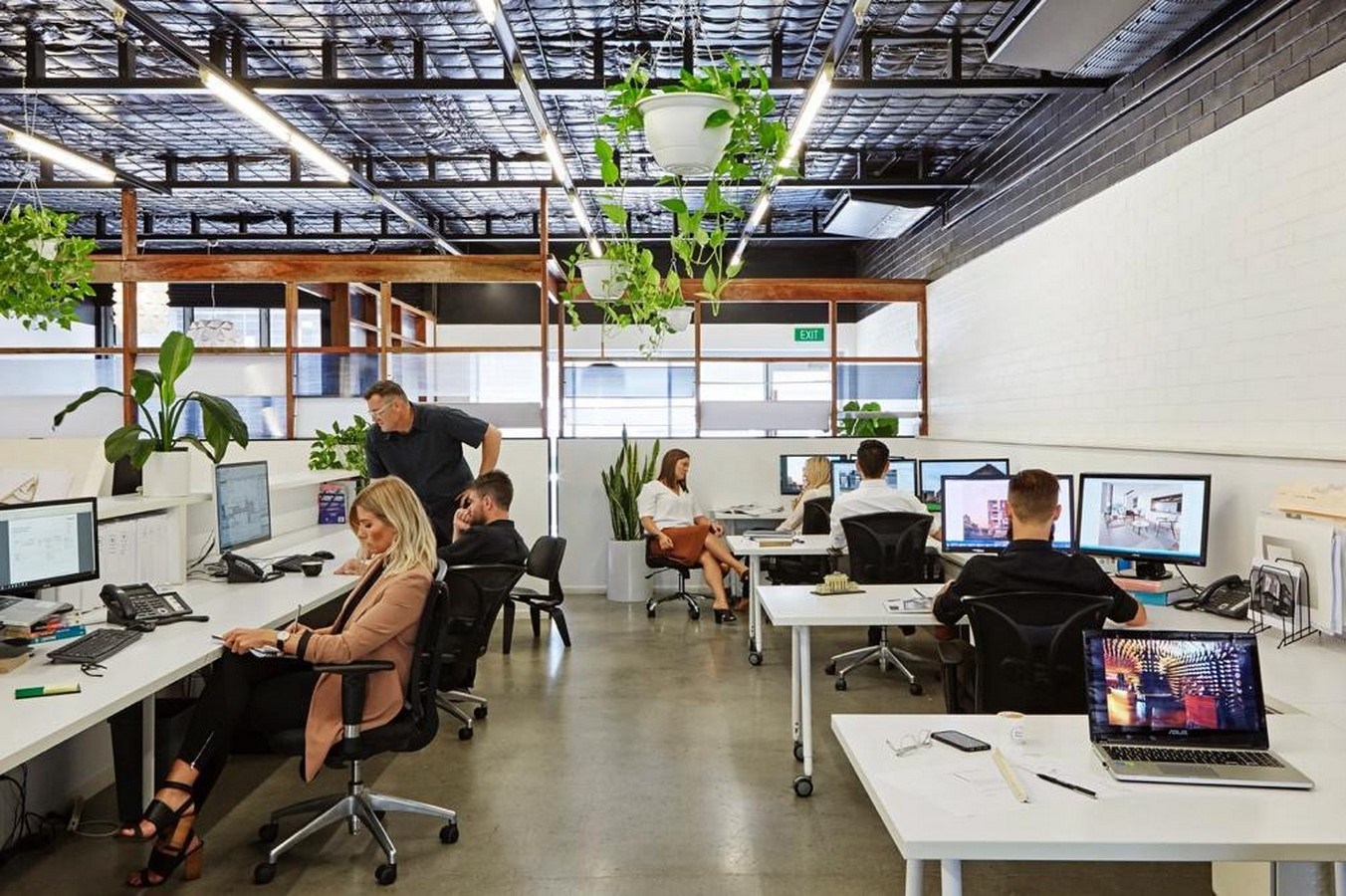
In contrast, stable design employment (see fig. 3) is mainly associated with financial security, professional development, and access to resources. Design firms provide a structured environment where responsibilities are distributed among the teams, allowing designers to solely focus on their creative role. For early-career designers, this structured decorum can be very beneficial as it offers mentorship, technical training, and exposure to how to deal with complex projects. In fields such as architecture, where large-scale collaboration is essential, stable employment enables participation in projects that would be difficult to undertake independently.
However, the idea of stability in design employment is becoming more and more challenging. Long working hours, strict deadlines, less income, and unpaid overtime are a few reasons for working in a company, especially in architecture and creative studios. Salaries offer stability, but they don’t always ensure fair working conditions. Designers’ creative agency may be constrained by pressure to adhere to client expectations or firm-specific styles. In this perspective, employment can be viewed as a system that controls and standardizes creative production in addition to being a source of stability.
Furthermore, authorship is frequently broken up by the hierarchical structure of design firms. Although most projects are collaborative, leading designers or firms get the most of the credit. Even though junior designers may contribute the most to the project, but get the least credit and lack authorship. This situation presents design as a social but hierarchical process, challenging the concept of design as an individual art form. For some designers, the lack of acknowledgement can lead to dissatisfaction, particularly when compared to the independence of freelancing.
Comparison Between the two:
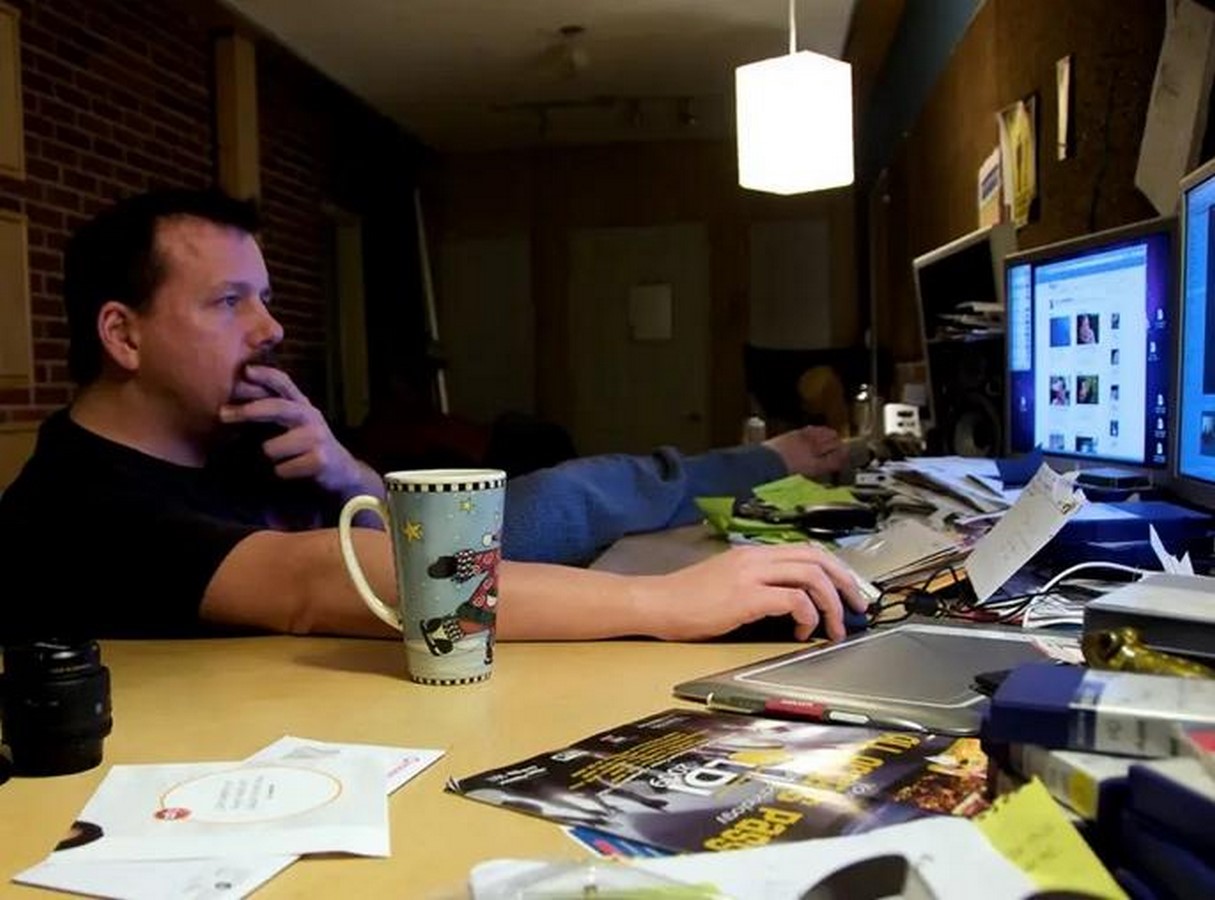
In this compariosn work-life balance presents another level of complication. Freelancing is often linked with flexibility, yet this flexibility may result in the erosion of boundaries between professional and personal life, as shown in fig 4. The absence of structured office roles may lead to extended working periods and burnout to meet the deadline and maintain clients’ requirements. In contrast, stable jobs offer defined schedules, and the culture of overtime within the design industry often complicates this advantage. Late nights and deadline-driven workflows are normalized, suggesting that stability does not necessarily equate to improved well-being.
Critically, changes like design work are reflected in both stable jobs and freelancing. The increasing digitization of the industry, combined with global rivalry, has completely changed how designers operate and are respected. Freelancing aligns with the rise of the gig economy, where flexibility is prioritized over security, often at the expense of worker protections. Stable employment, while offering more security, is not immune to these pressures, as firms adapt to competitive markets by increasing productivity demands and reducing costs.
Rather than viewing freelancing and employment as two juxtaposed services, it is more accurate to see them as interconnected conditions within the same economic system. Many designers switch between these occupations at different points in their careers or work simultaneously as freelancers as well as full-time employees. This hybridity is a reflection of the unpredictability of the design industry as a whole, where flexibility has become essential.
The realities of freelancing and stable design employment challenge the simplified narratives that are frequently linked to either path. Although freelancing offers the possibility of independence, it is intricately linked to uncertainty and self-exploitation mechanisms. Whereas stable employment offers resources and structure, it can also restrict the opportunity for creativity and create hierarchical labor politics. The intricacies of practicing design in the current cultural and economic context are demonstrated by both approaches. For designers, the decision between these paths is less about choosing freedom or security and more about navigating a profession that continually negotiates between the two.
Reference List:
Fig 1: Catalyst, C. (N.D.) Freelancing vs. Traditional Employment. Available at: https://medium.com/@clickcatalysts/freelancing-vs-traditional-employment-which-path-is-right-for-you-ebbedaf942e9 (Accessed on 20 March 2026)
Fig.2 Macallan, T. (202. 1)How a Freelance Architect differs from an Architecture Firm. Available at:
https://ancorathemes.com/2021/03/25/how-a-freelance-architect-differs-from-an-architecture-firm/
(Accessed on 21 March 2026)
Fig 3: Tonic Architecture. Available at: https://www.tonic.cc/studio (Accessed on 20 March 2026)
Fig 4: Feloni, R. (2014) 7 Tips For Freelancers to Stay Organized. Available at:
https://www.businessinsider.com/how-freelancers-can-stay-organized-2014-3 (Accessed on 19 March 2026)