In the nineteenth and twentieth centuries, utopian housing complexes, towns, model villages, etc., were developed by architects like Frank Lloyd Wright and Le Corbusier to combat the terrible effects of the industrial revolution. When injustice, segregation, discrimination, etc., are experienced by a minority group, we address social justice. For many years, architecture has been the least diverse industry. As a result, the plans for our cities and urban fabrics were created to be inflexible, impervious, and highly principled. In contrast to the restrictive design planning approach, social justice architecture puts the user at the center of the design process and forms around them while adhering to fundamental architectural principles. The fortunate thing is that the society that we live in is progressively becoming more receptive to uncomfortable changes and appeals to certain practices, ideologies, and ideals.
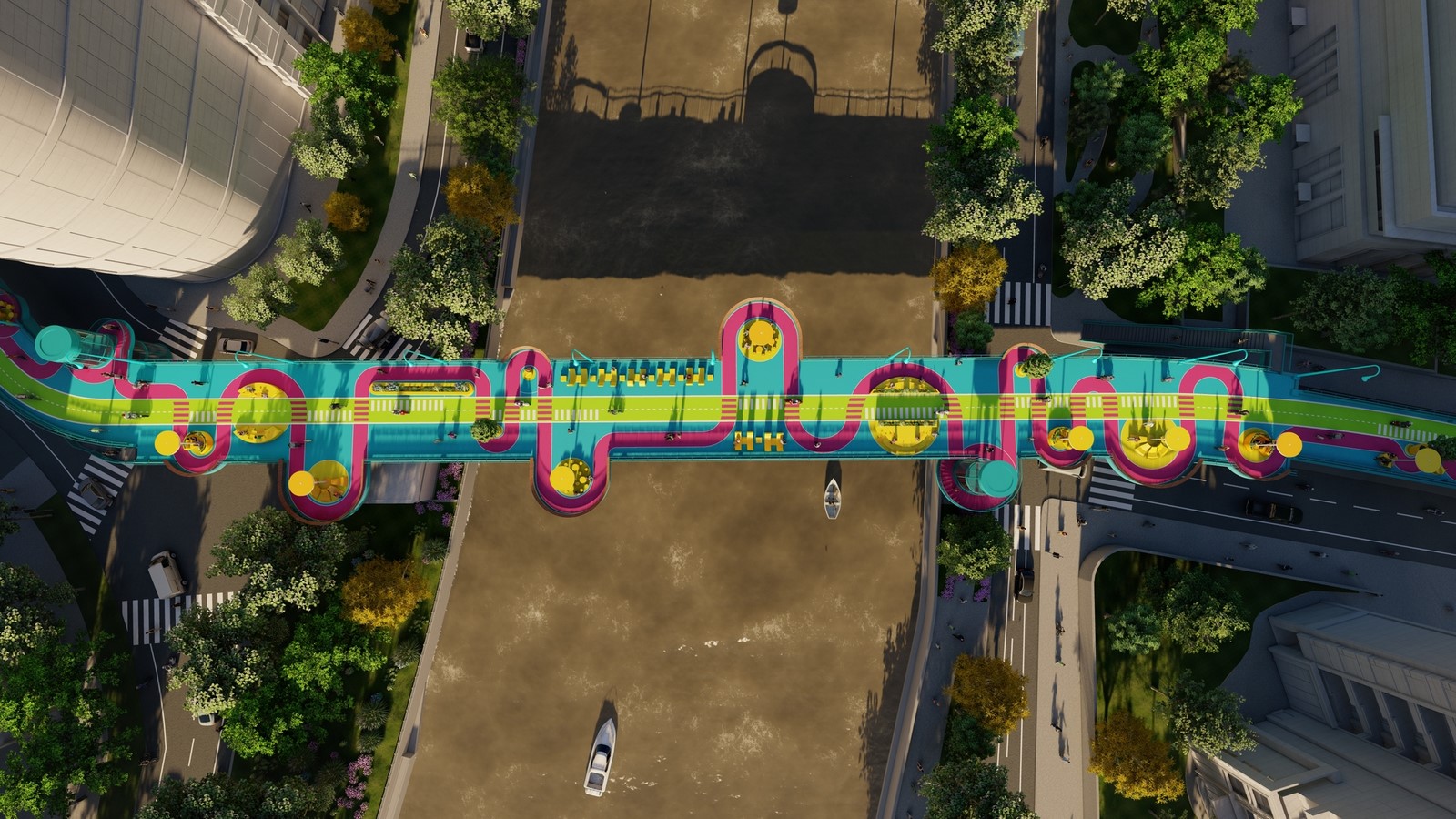
When we consider social justice architecture, we consider designing without bias for the people and the marginalized. However, when a social cause and architecture converge, architects are compelled to use the resulting medium to create a strong statement for society.
Social Impact Architecture
Why social justice? It is imperative to establish a common ground where everyone equally benefits from prospects and privileges that are legitimately theirs as any other person in a society when individuals are divided by race, gender, age, wealth, religion, nationality, and mental or physical ability. By designing environments that are open to everyone, architects break down the barriers that society has put in place. Architecture for social justice is intended to help its users evolve from a state of inequity or segregation to one in which they feel included, involved, and factored into the equation. This goal goes beyond just adding another structure to the built environment. A social justice system must be able to benefit not only its users but also the entire community.
Architecture for minority groups
Minority groups suffer the most from social injustice as it directly results from everything society shirks responsibility for. We observe the purposeful marginalization of minority groups, which is the perfect example of the phrase “out of mind, out of sight,” rather than logically and gradually narrowing the gap that has grown considerably.
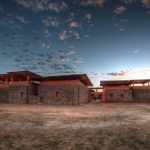
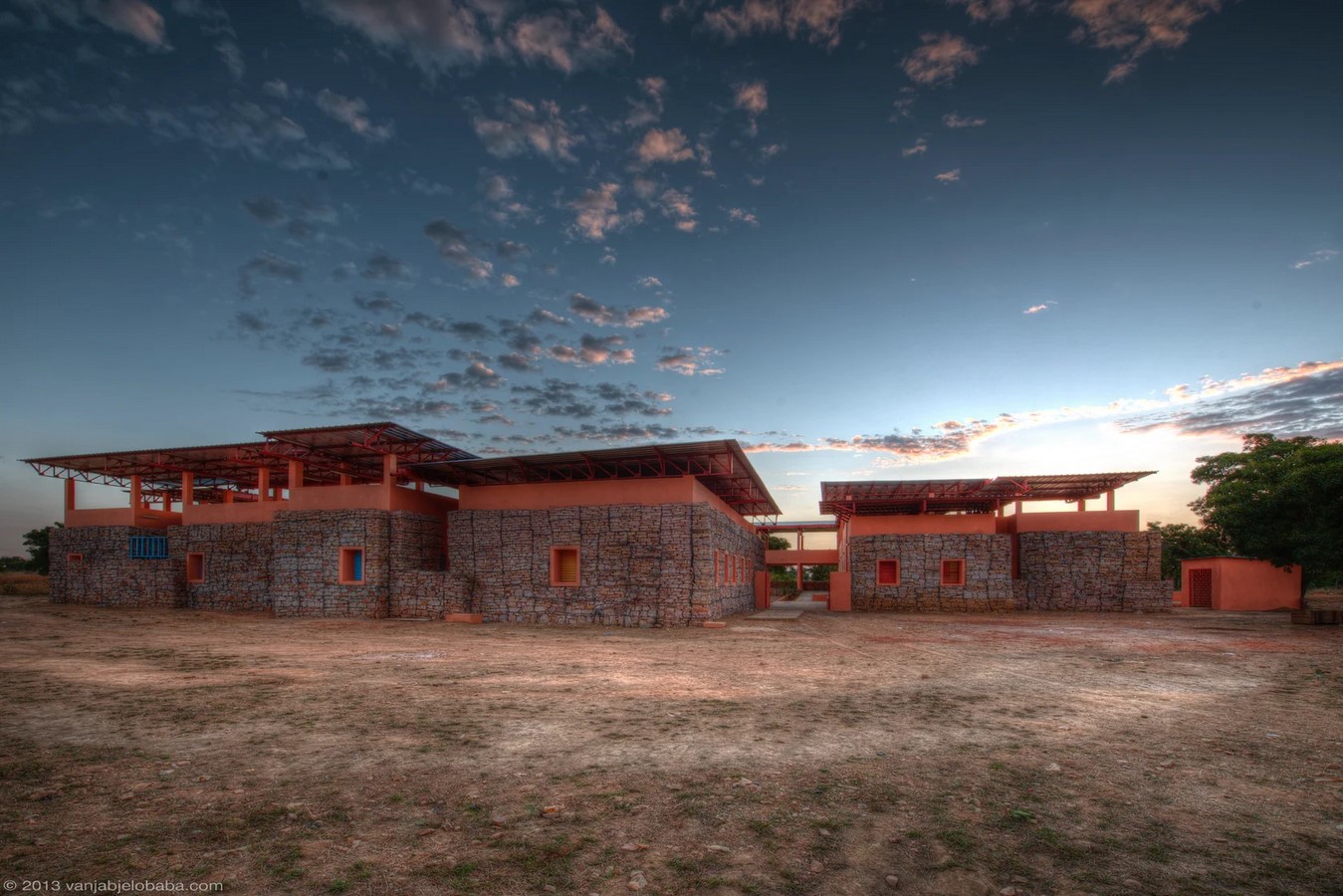
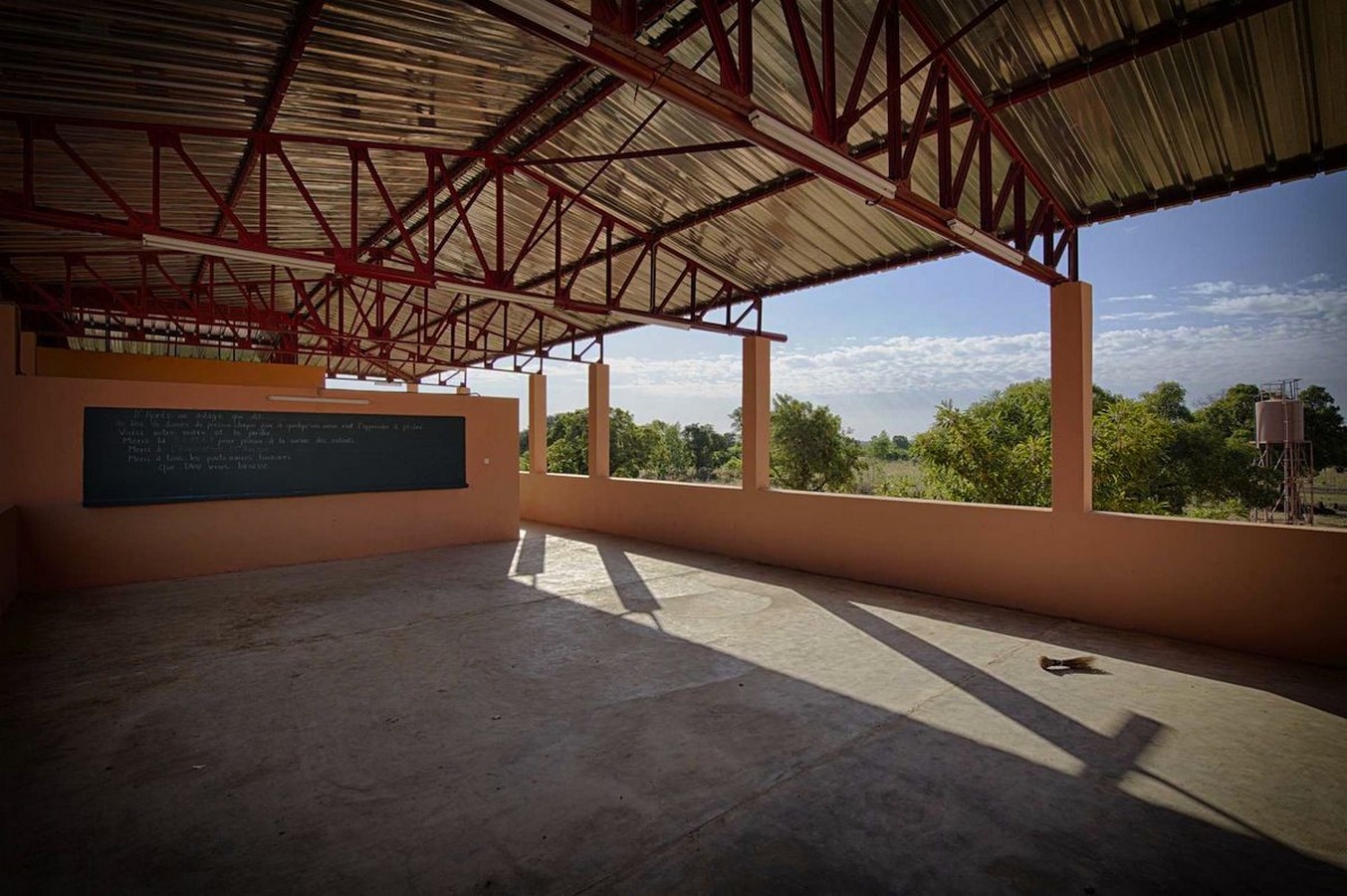
- Orphanage Falatow Jigiyaso DIALAKOROBA (MALI), F8 Architecture
The project was created with a sustainable mindset to resist fans or air conditioning because the host location is in the sub sahelian area, which has harsh weather conditions. The project’s highlights include:
- Lowering solar heat gain.
- Increasing thermal wall mass.
- Implementing a year-round passive cooling and natural ventilation system.
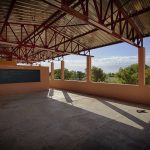
The orphanage was completed in 2012 and encompassed staff and child dormitories, a minor medical facility, administrative offices, restroom and shower facilities, a kitchen, and a dining area. On the first level, there are patios and classrooms for kid-friendly activities.
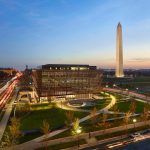
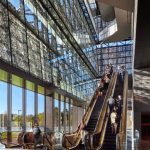
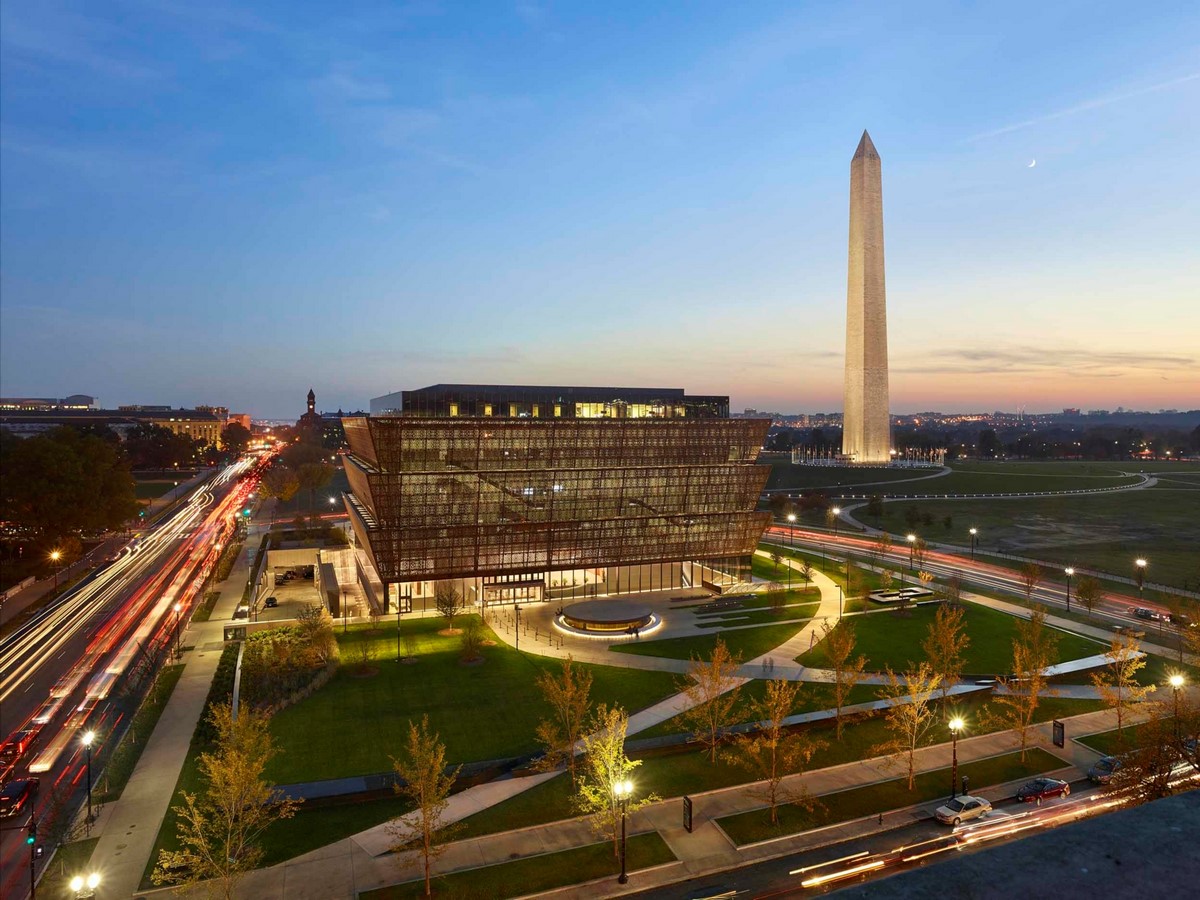
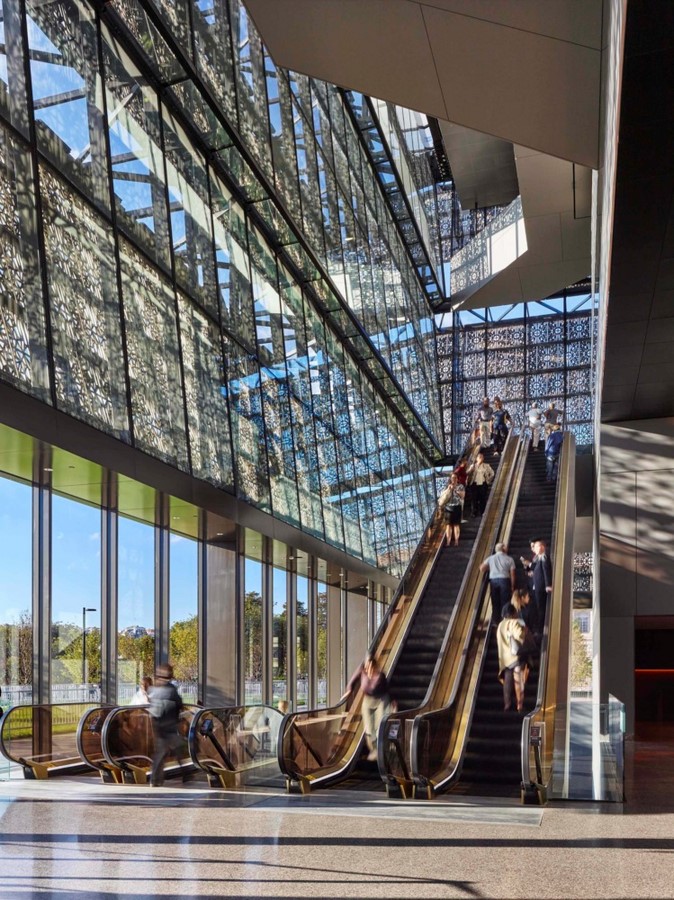
- Smithsonian National African American Museum of History and Culture (United States), Adjaye Studio, Freelon Adjaye Bond / SmithGroup
In architect David Adjaye’s words concerning the project, “…The African American story is about one culture having empathy for another. The museum’s open exploration of history, culture, and society is intended to explore important facets of the human condition and the importance of understanding however painful, is inherently present in providing a venue for various readings of American history and demographics. Those may be.” As a result, the initiative marks the end of a prolonged struggle to acknowledge the black community’s significance in American society’s social fabric.
The museum was completed in 2016. A historical nod to African American craftsmanship may be seen in the beautiful bronze lattice that envelops the whole structure. It’s reasonable to assume that the museum, in a manner, envisions what a municipal design from the twenty-first century could potentially be expected.
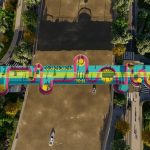
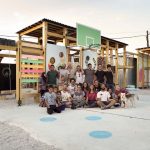
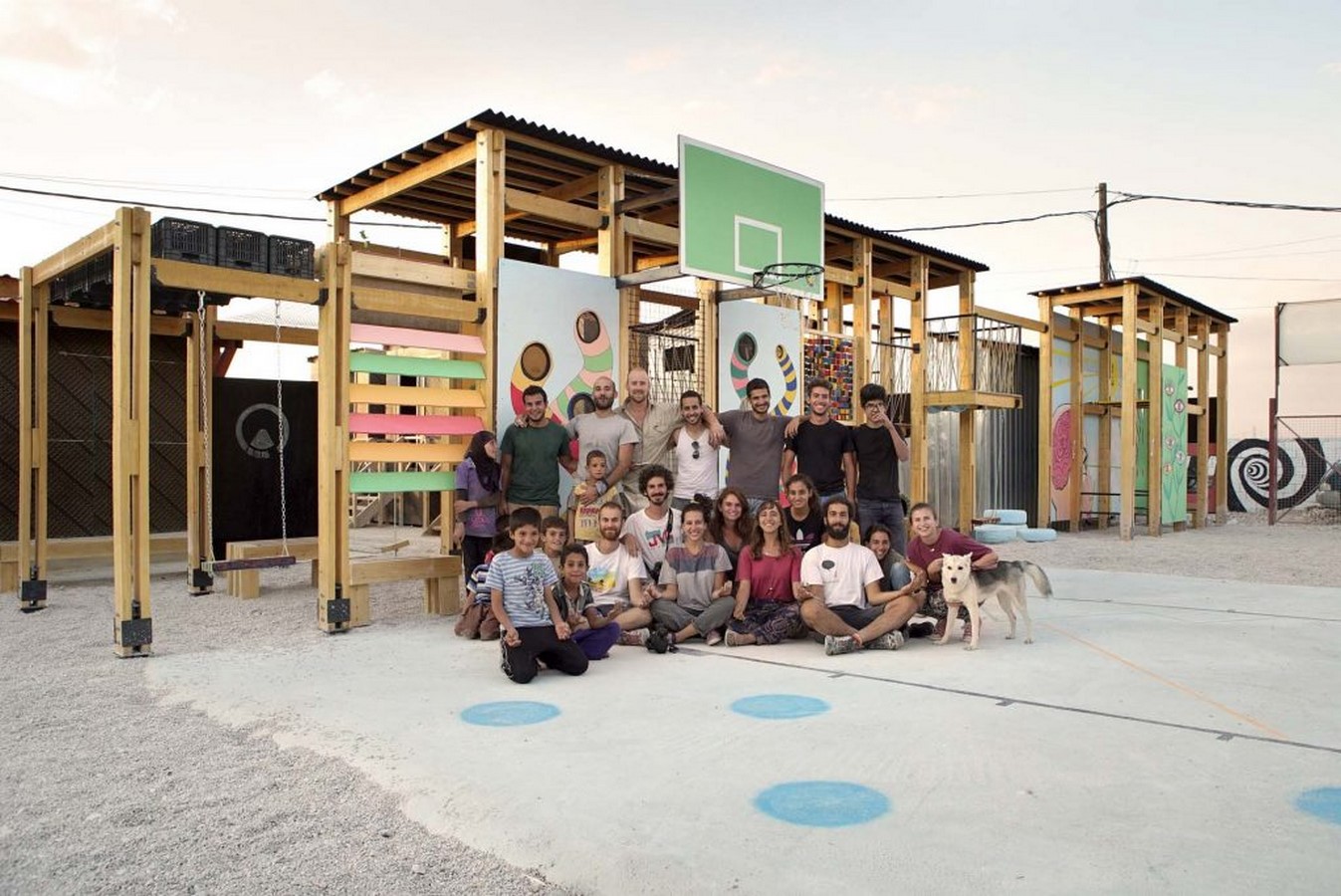
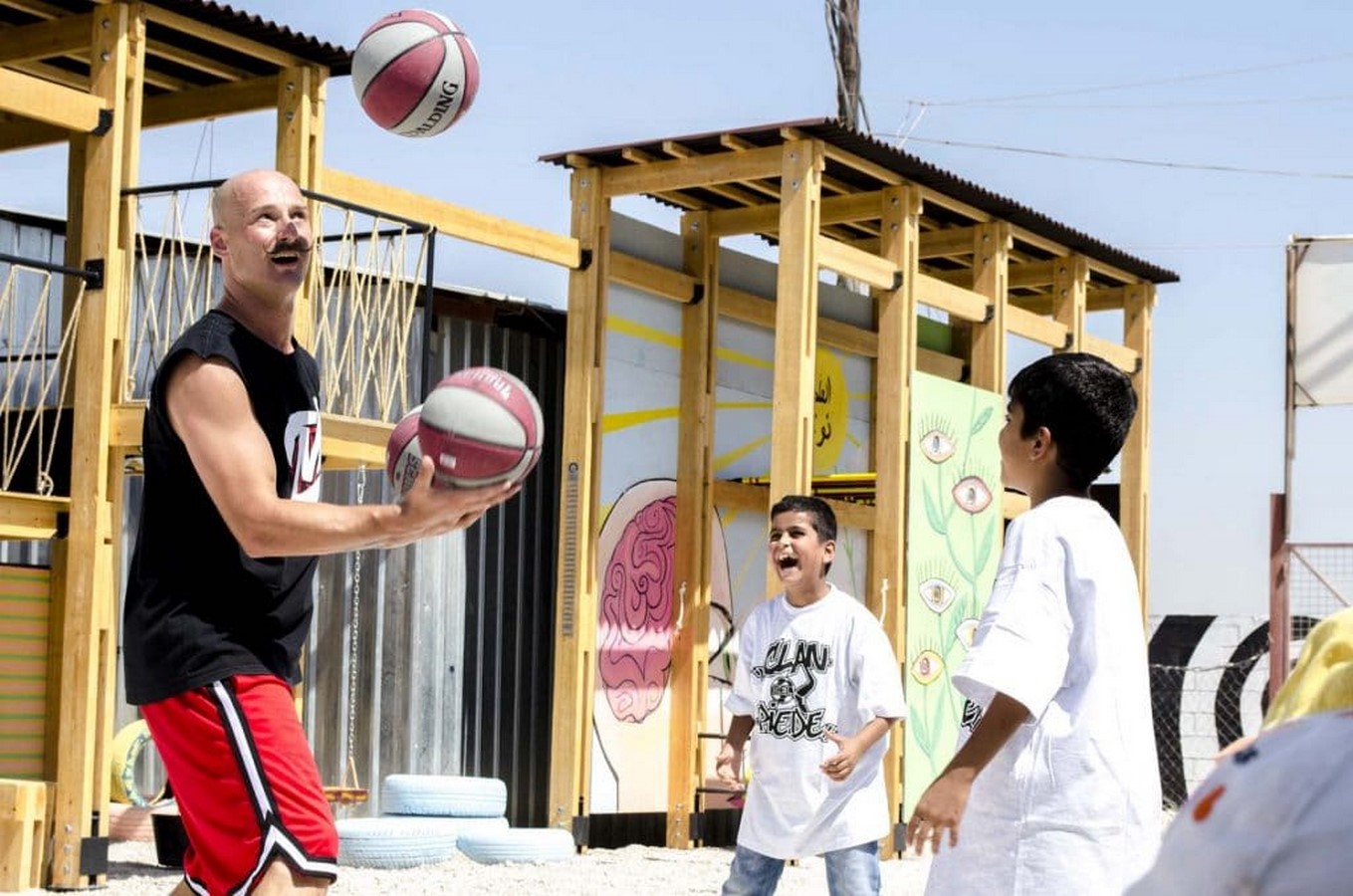
- The Ibtasem playground (Lebanon), CatalyticAction
A pilot playground was constructed in 2015 for Syrian refugee children in Lebanon. Most informal refugee settlement programs worldwide overlook children’s right to play, leisure, and recreation (Article 31 of the UN Convention for the Rights of Children). The project’s goal is to give displaced kids a secure and engaging learning environment, which was only made possible by the users’ emotional engagement (children, teachers, and volunteer actors). Other firms in remote nations were ultimately motivated by the initiative to use comparable design strategies.
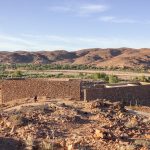
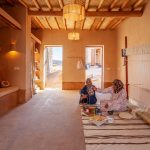
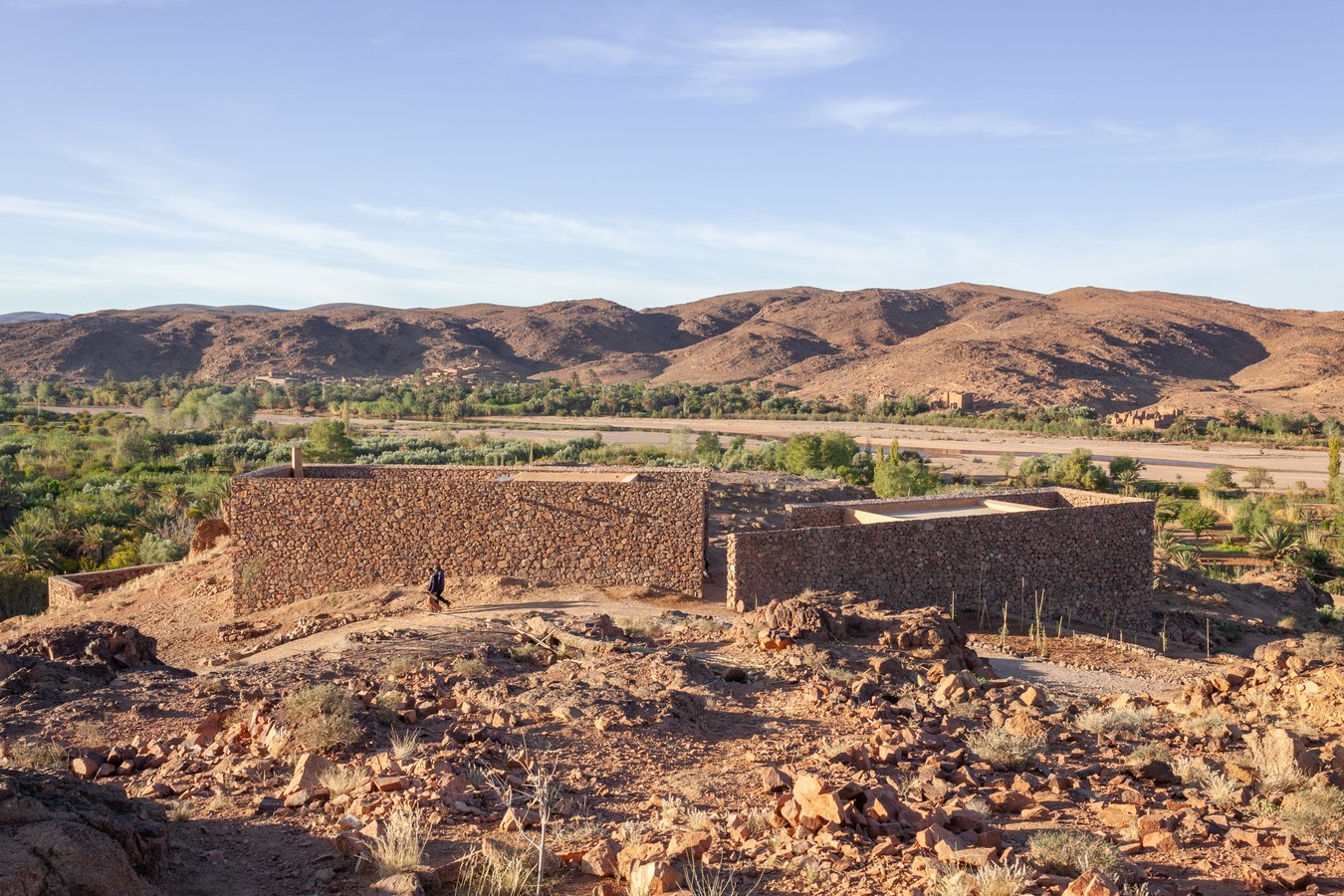
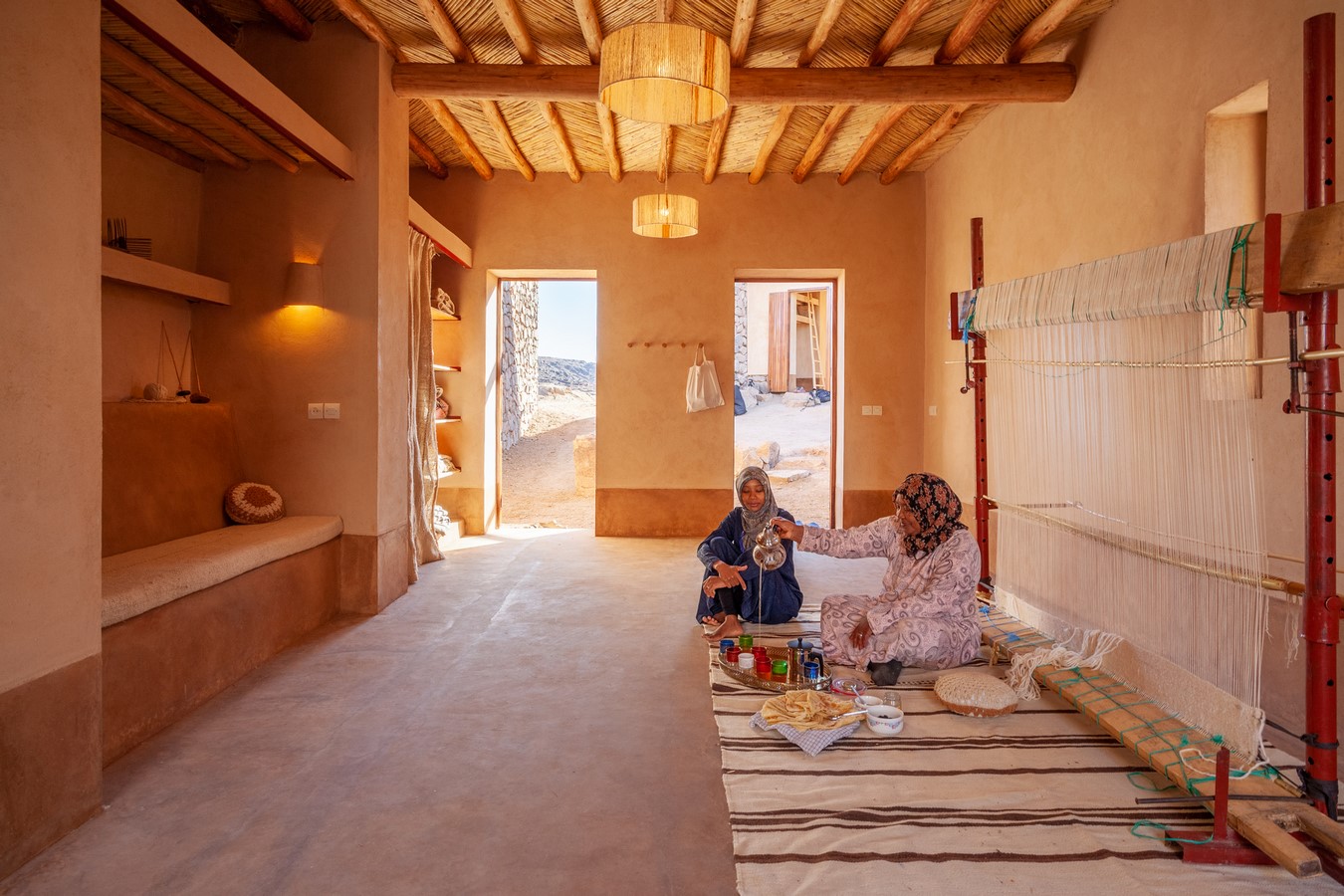
- The Women’s House of Ouled Merzoug (Morocco), Building Beyond Borders
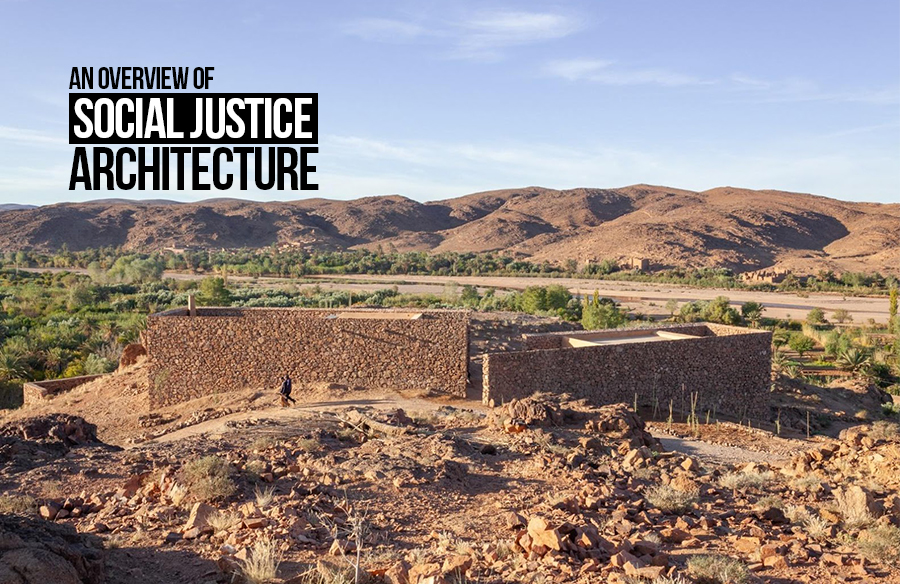
There is a women’s home in the little earthen town of Ouled Merzoug, constructed on land donated by the locals to the recently established women’s organization. Building Beyond Borders completed it in 2019. Under the scope of a postgraduate certificate program, UHasselt SEE coordinated the initiative. The home serves as a meeting, working, and educational space in the heart of the community, and it was constructed in close cooperation with local women. It’s where women can exhibit their crafts to benefit the public and visitors. The two modules that make up the building were placed strategically next to the hill’s ridge. The women’s house was integrated into the neighborhood context.
The discussion of social justice has been continuous in the twenty-first century and is likely to involve social inclusion. For social injustice to be remedied one project at a time, it is essential to acknowledge its existence. A system of oppressive architecture was then used to build conquered nations, which explains why most of them still have difficulty adjusting to the social justice ideology. Social justice architecture strengthens minorities in oppressed civilizations in addition to establishing places without constraints for everyone.
References:
- William Bates (2019). Social Justice by Design – Architect. [online]. Available at: https://www.architectmagazine.com/aia-architect/aiaperspective/social-justice-by-design_o [Accessed date: 21/Jul/2022].
- Orphelinat Falatow Jigiyaso – Architizer. [online]. Available at: https://architizer.com/projects/orphanage/ [Accessed date: 21/Jul/2022].
- Smithsonian National Museum of African American History and Culture – Adjaye Associates. [online]. Available at: https://www.adjaye.com/work/smithsonian-national-museum-of-african-american-history-and-culture-nmaahc/ [Accessed date: 22/Jul/2022].
- IBTASEM Playground | Triggering positive change – Catalyticaction.org . [online]. Available at: https://www.catalyticaction.org/ibtasem-playground/ [Accessed date: 22/Jul/2022].
- The Women’s House of Ouled Merzoug / Building Beyond Borders Hasselt University – ArchDaily. [online]. Available at: https://www.archdaily.com/937147/the-womens-house-of-ouled-merzoug-building-beyond-borders?ad_medium=office-landing&ad_name=featured-image [Accessed date: 23/Jul/2022].