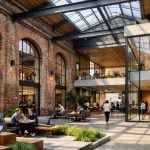
A former factory worker returning to his workplace decades later might be relieved to find that the building is still there. The large windows still bring light into the space, and parts of the old structure are instantly recognisable. Yet everything feels unfamiliar as well. The machines that once filled the production floor have disappeared, replaced by rows of desks and people working on laptops. The noise of machinery has been replaced by the low hum of conversation and the occasional clatter of coffee cups. He knows he has returned to the same building, but the place itself feels strangely unfamiliar. The factory he remembers now exists only in fragments.
It is this uneasy balance between recognition and loss that sits at the centre of adaptive reuse. Former factories, warehouses, mills, and power stations are increasingly being transformed to accommodate new functions, allowing buildings to remain useful long after their original purpose has disappeared. Yet these projects raise an important question. When industrial buildings are given a second life, how much of their first should remain visible?
Beyond Survival
Adaptive reuse is often celebrated because demolition isn’t involved and elements of the building are kept intact. Former factories become offices, warehouses become markets, and industrial structures that might otherwise have been abandoned are given a new purpose. The survival of a building and the survival of its heritage are not necessarily the same thing. This raises the question that sits at the heart of adaptive reuse; if the purpose, people and activities of building has changed, what exactly has been kept as it used to be?
A factory isn’t just significant simply because it remains standing. Its value comes from what it once contributed to the city. In fact industries represent a period of technological development, and labour. The building is inseparable from the activities that took place within it and the people who occupied it. When these connections become impossible to recognise, preservation begins to mean something very different from remembrance. This creates an uncomfortable possibility. A project may succeed in keeping a building standing while simultaneously erasing much of what made that building worth preserving in the first place. If visitors can no longer recognise a former factory as a factory, adaptive reuse begins to raise questions that demolition alone cannot answer.
798 Art District and the Question of Identity
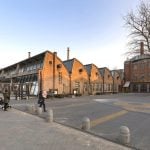
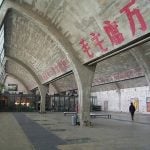
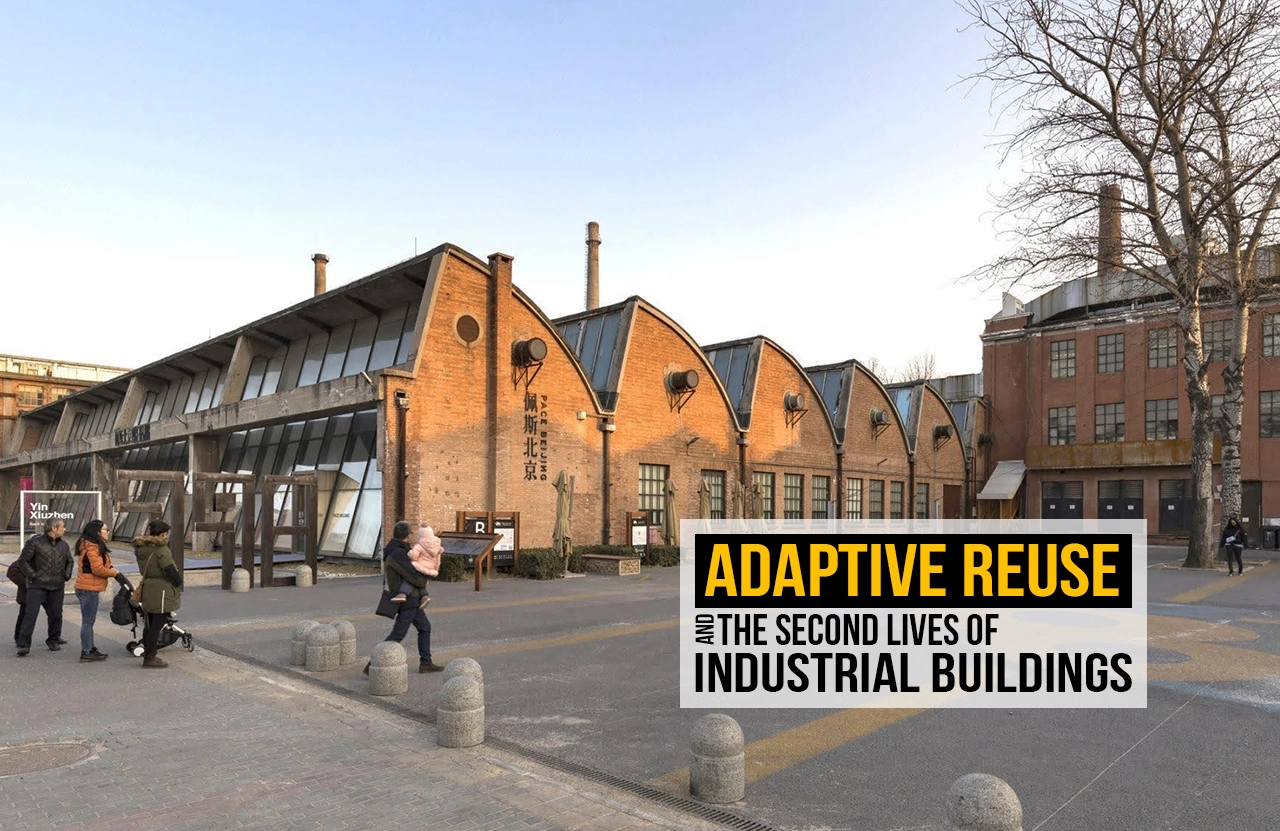
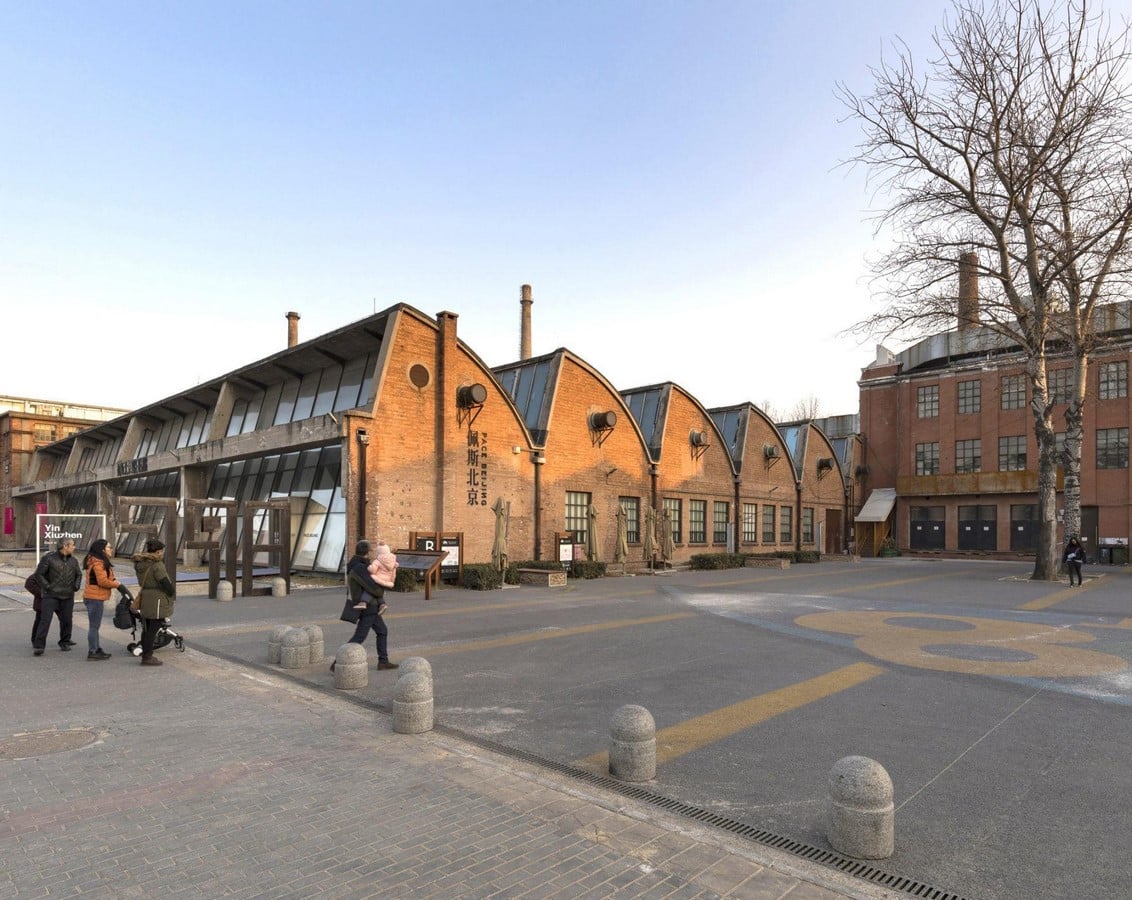
The tension between preservation and transformation is visible in Beijing‘s 798 Art District. Originally constructed as part of a state-owned industrial complex, the factories that once supported manufacturing now accommodate galleries, cafés, studios, bookshops, and cultural venues. Visitors arrive to experience contemporary art rather than industrial production, yet traces of the district’s former life remain visible throughout the site. The sawtooth roofs, expansive factory halls, exposed structures, and industrial character continue to reveal aspects of its previous identity. The district does not function as a factory complex anymore, but it hasn’t completely abandoned its industrial past either. Walking through 798 today means experiencing both histories simultaneously. It is an arts district, yet it remains recognisably industrial.
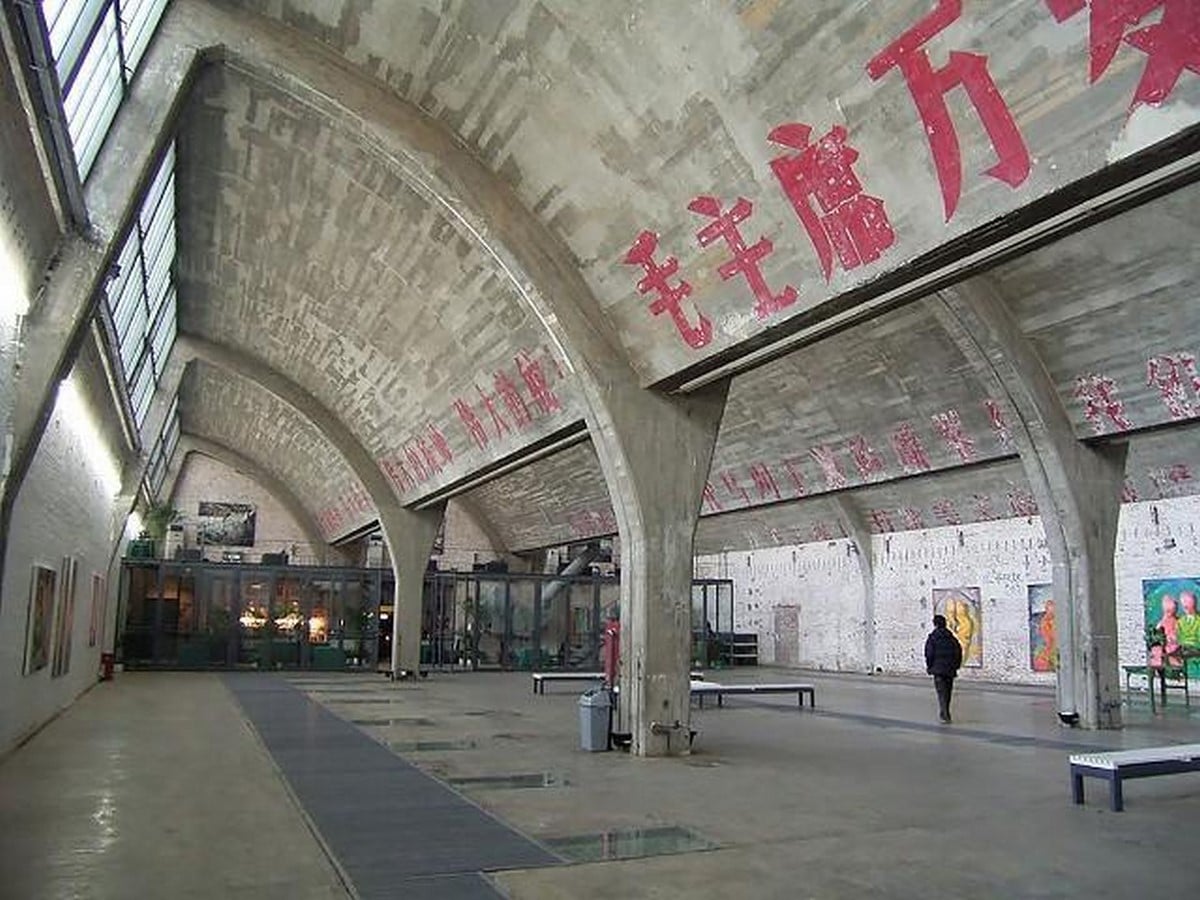
Projects such as 798 suggest that adaptive reuse is not simply about preserving buildings but about deciding what remains visible after change occurs. The factories have acquired a new identity, yet enough of the industrial fabric survives for visitors to understand that the district existed long before it became an arts destination. The success of the project lies not in resisting change, but in allowing change to occur without completely erasing what came before.
More Than a New Function
The success of adaptive reuse projects should not be measured solely by whether a building remains occupied. A former factory converted into offices, housing, or cultural space has undoubtedly avoided demolition, but preservation involves more than extending a structure’s lifespan. It also involves retaining enough of a building’s identity for its history to remain visible. The former factory worker from the opening does not need to find the machines still operating, nor does the building need to remain exactly as it was. Change is unavoidable. Yet there should still be enough of the old factory present for him to recognise the place where he once worked.
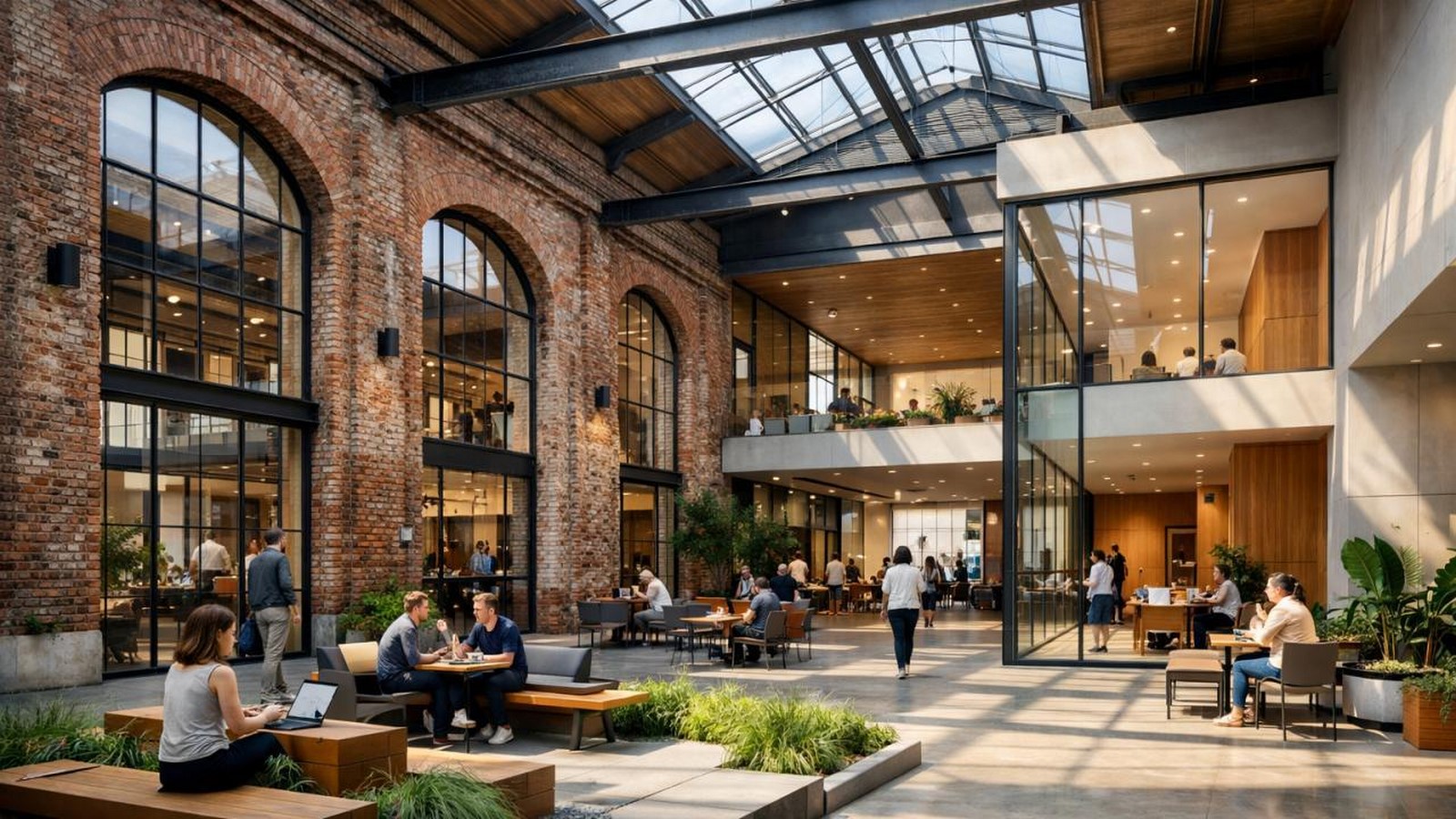
Projects such as 798 Art District demonstrate that industrial buildings can accommodate new uses without completely severing their connection to the industries that created them. Adaptive reuse is often described as giving buildings a second life. Perhaps a more useful way of understanding it is as an attempt to ensure that a building’s first life does not disappear entirely. The most meaningful examples are not those that preserve industrial buildings exactly as they were, but those that allow their industrial heritage to remain visible as new stories begin to unfold within them.
References:
Malpas, J. (2018) Building Memory: Ontology in Architecture. urbanNext.
Rethinking The Future (2024) Silent Stories: Adaptive Reuse as a Language of Memory.
Sasaki (n.d.) 798 Arts District Vision Plan. Photograph. Available at: https://www.sasaki.com/projects/798-arts-district-vision-plan/ (Accessed: 13 June 2026)
Kazankai (n.d.) 798 Art Zone, Beijing [Photograph]. Available at: https://www.kazankai.org/media/cl/a368 (Accessed: 13 June 2026)
Kadheeja, R. (2025) Adaptive Reuse: Transforming Old Buildings for Modern Needs. LinkedIn. Available at: https://www.linkedin.com/pulse/adaptive-reuse-transforming-old-buildings-modern-rifana-kadheeja-vk-ndjmc (Accessed: 13 June 2026)