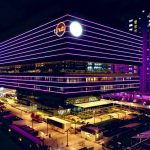
La Biennale is hosted in Venice and is often described as the Olympics of the art world. This annual event is open to the public for six months, from May to November. Each year, it alternates between art and architecture. The event traditionally comprises three parts: the central pavilion, curated by an artistic director; national pavilions from various countries; and officially approved, independently organised exhibitions by artists.
For 2025, the Biennale’s curator, architect Carlo Ratti, introduced the theme: Intelligens: Natural. Artificial. Collective. The word ‘gens’ is derived from the Latin word gens, which means ‘people’. Here, it refers to an inclusive future of intelligence that extends beyond AI. The exhibition is structured around four subthemes: Transdisciplinarity, Living Lab, Space for Ideas, and Circularity Protocol.
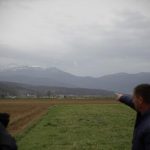
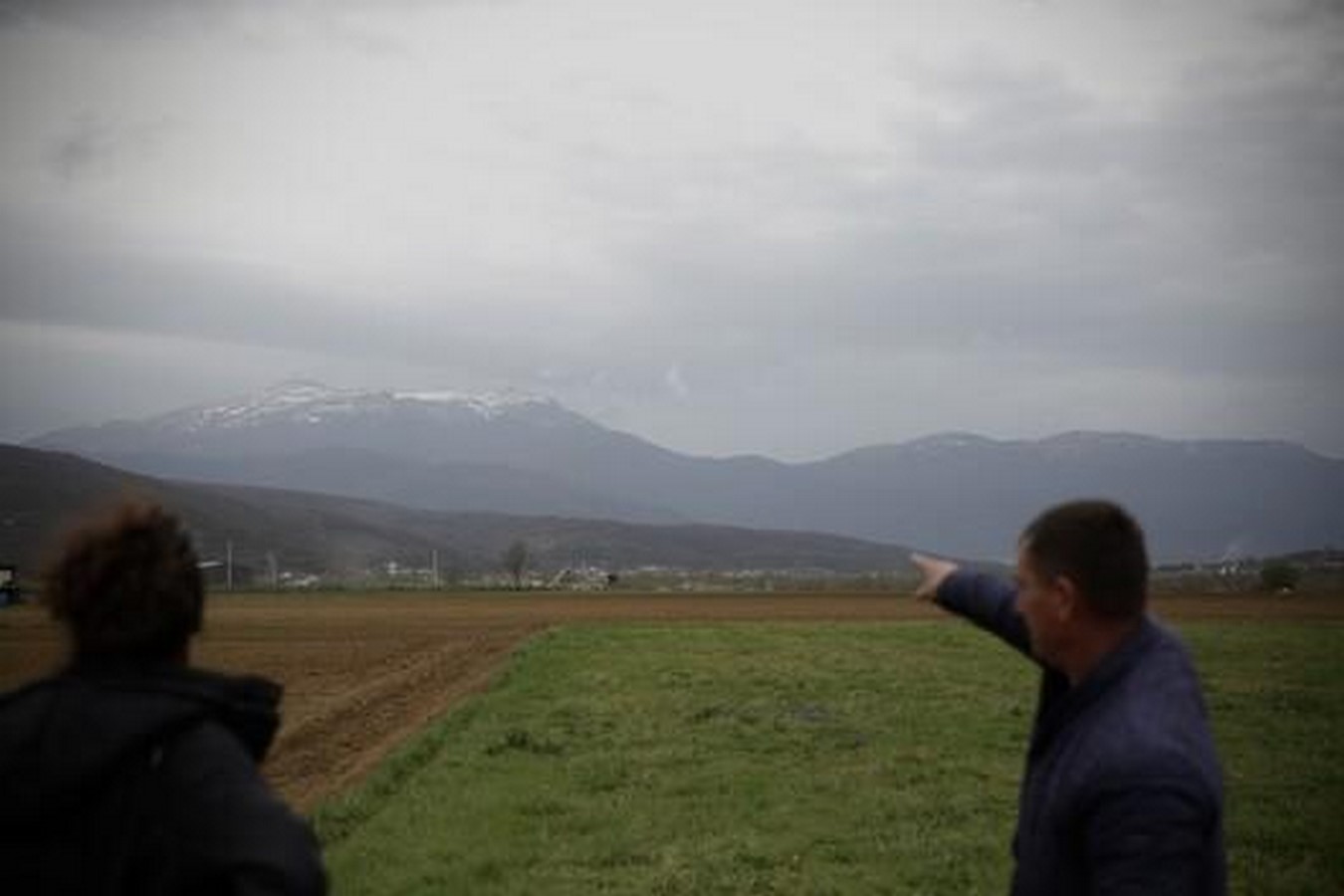
Kosovo, one of the youngest nations in Europe, gained its independence in 2008. It is a landlocked country, making half of it essentially agricultural land; thus, farming is central to both employment and the economy. Despite this, according to reports, farm productivity and efficiency remain low, revealing a paradox of underutilised potential.
Lulebora nuk çel më- Emerging Assemblages: Kosovo’s 2025 Pavilion
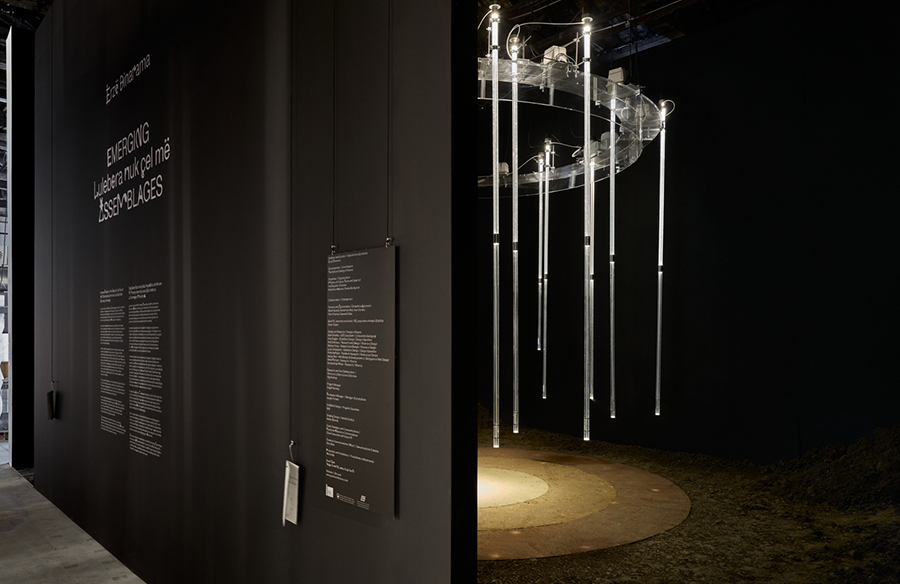
Kosovo’s pavilion at the Venice Biennale 2025, curated by Erzë Dinarama, a researcher, architect, and designer, addresses this rupture. For generations, farmers have relied on sensory cues such as the smell of damp earth after early rains, the bloom of wildflowers marking sowing time, or the scent of ripened fruits signalling harvest. Climate change has prompted an ecological shift in Kosovo’s agricultural landscape, disrupting these sensory cues. Crops once central to the region, such as chamomile, wheat, and peppers, no longer flourish, and the introduction of new, less traditional crops like kiwis and figs has followed. The installation materialises this disconnect between inherited knowledge systems and the ecological realities. It points to a deeper issue, namely the increasing instability and reduced dependability of these seasonal markers once vital to agriculture.
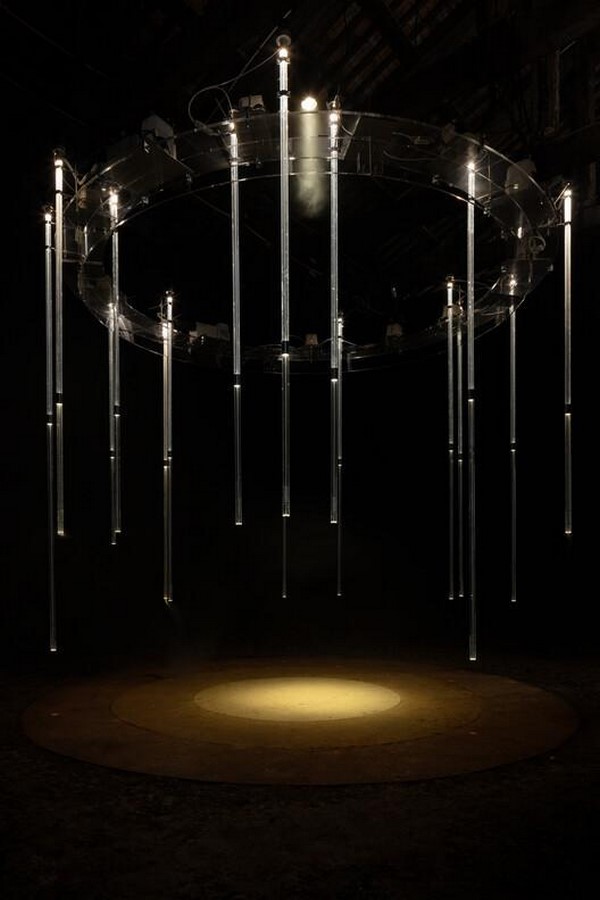
The floor of the pavilion features two different soils: dark, fertile topsoil and mineral-rich strata drawn from different Kosovar plains. The former embodies mutability and adaptability, and the latter represents a resistance to change. Together, they suggest that soil, like culture and knowledge, is never static, but constantly reshaped by environmental forces.
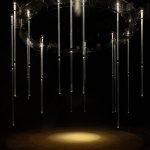
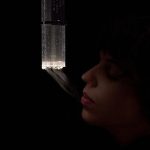
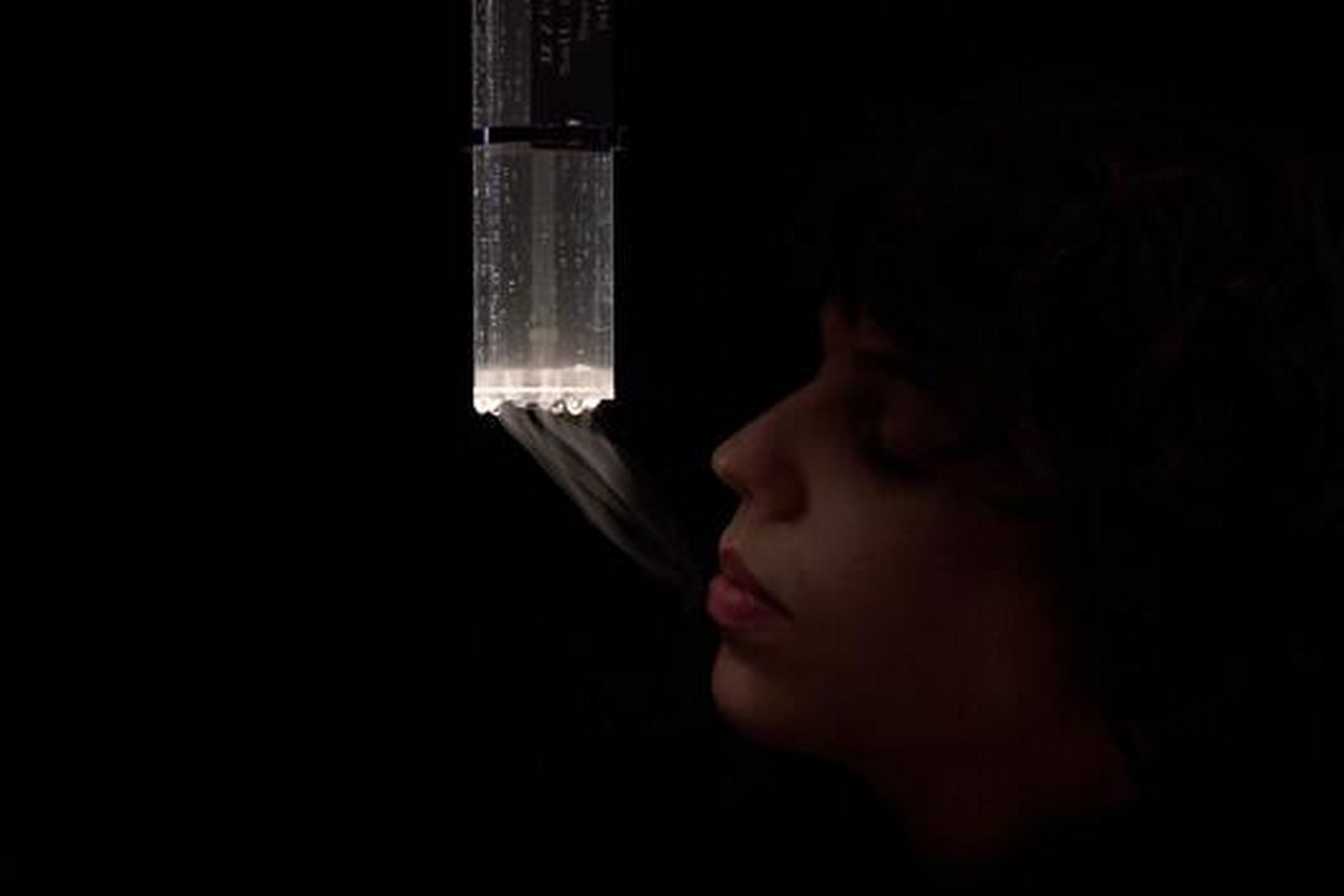
Located centrally is an olfactory calendar that expresses this shift through smell. There are no dates on this calendar, only ecological thresholds, moments identified by farmers as essential to a crop’s life cycle. Smell, described as ‘the most intimate and least quantifiable of human senses’, narrates the stories of the vanishing crops. This unconventional calendar portrays time not as fixed units but as a cycle of change.
The circular structure of the pavilion reinforces this concept, evoking life’s cyclical rhythms and the transformations that shape them. Visitors experience this exhibit not only as a rupture but also as a realisation of the potential reconfiguration, where sound and smell remind them of the intelligence of the senses.
The project also extends into a web-based platform that continues the research beyond the pavilion. Fieldwork, essays, and reflections are gathered and analysed, then compiled into a publication that further expands its spatial and intellectual scope.
This pavilion is the outcome of a collaboration among various stakeholders, researchers, designers, environmentalists, and, most importantly, farmers. They together transformed this ecological shift into a tangible and experiential format. It explores the humaneness of a fragile agricultural landscape and presents it in the light of knowledge and the most human form of intelligence, the senses.
Citations:
- Aton, Andrew Russeth,Francesca, et al. “What Is the Venice Biennale? Everything You Need to Know.” ARTnews.com, 16 Apr. 2024, www.artnews.com/art-news/news/what-is-venice-biennale-1234703040/.
- Piñeiro, Antonia. “Kosovo Pavilion at the Venice Architecture Biennale Explores Shifting Agricultural Landscapes through Soil and Scent.” ArchDaily, 21 Aug. 2025, www.archdaily.com/1033326/kosovo-pavilion-at-the-venice-architecture-biennale-explores-shifting-agricultural-landscapes-through-soil-and-scent.
- “The Republic of Kosovo Pavilion at the Venice Biennale 2025.” ArchDaily, 6 May 2025, www.archdaily.com/1029847/the-republic-of-kosovo-pavilion-at-the-venice-biennale-2025.
- WA Contents. “Pavilion of the Republic of Kosovo Will Explore Kosovo’s Shifting Landscapes at the Venice Biennale.” World Architecture Community, 2 May 2025, worldarchitecture.org/architecture-news/fhmen/pavilion-of-the-republic-of-kosovo-will-explore-kosovo-s-shifting-landscapes-at-the-venice-biennale.html.