India is a country that is home to many distinct cultures and religions. This country is always considered a case example of interculturality. It is experiencing rapid urbanization and development. The opportunities for growth and progress are however leading to cross–cultural gentrification and economic disparities. This article delves into the concept of Cross-Cultural Gentrification in Indian cities and examines how it contributes to economic disparities.
What is Cross-cultural Gentrification?
The phrase “Cross-cultural Gentrification” is a combination of two concepts with juxtaposition meanings: cross-culture and gentrification. To fully comprehend the concept of cross-cultural gentrification, it is necessary to first grasp the meaning of these two words.
Cross-cultural involves relating to or comparing two or more cultures. Here, there is knowledge of various cultural values, norms, ethics, and traditions, as well as an openness to learn about various cultures, which allows the cultural boundaries of the various cultures to be partially permeable and have cross-cultural contact. Different cultural groups have an understanding and are willing to learn from each other, despite sticking to their roots. However, while this awareness and acknowledgment might alter an individual, it cannot affect society as a whole.
India is renowned for its fervent celebration of festivals that have significant cultural value, hence serving as a notable illustration of cross-cultural practices. These festivities provide an opportunity for individuals to establish connections, surpassing cultural divisions and promoting the values of respect and comprehension among diverse populations.
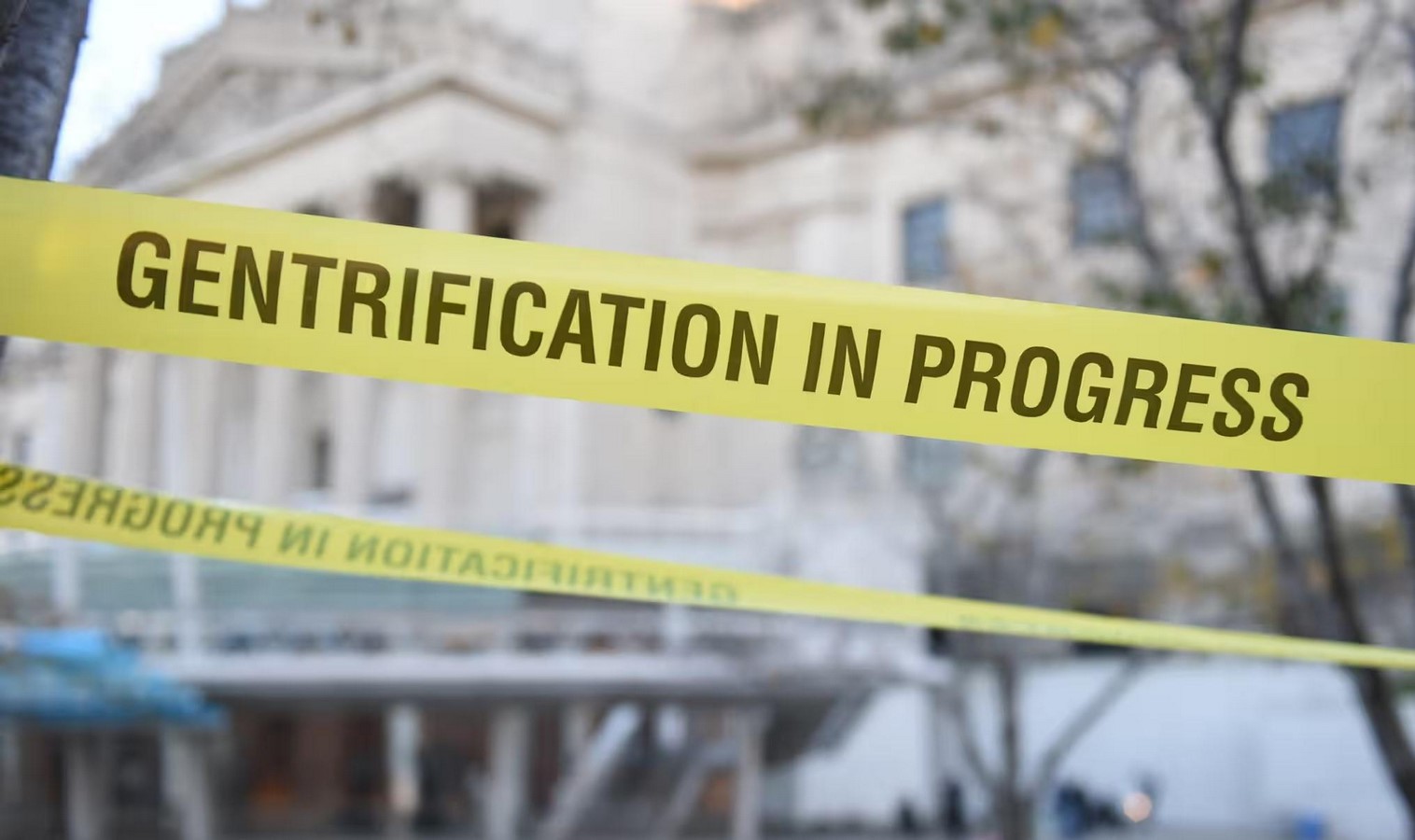
Gentrification refers to the urban revitalization process that alters the socioeconomic structure of a neighborhood by attracting affluent individuals and businesses. This enforcement of weak social capital has a detrimental impact on the local inhabitants, local economy, and businesses, as well as disrupts socio-cultural values.
Thus, “Cross-Cultural Gentrification” may pertain to a scenario whereby gentrification transpires in a manner that has a substantial influence on several distinctive cultural groups inside a certain locality. This phenomenon may include the relocation or marginalization of various ethnic groups when more affluent residents or companies establish themselves, possibly resulting in the erosion of cultural variety and identity within the local community.
The consequences of cross-cultural gentrification can be both positive and negative. On the one hand, it may result in urban renewal, improved infrastructure, and increased property values. However, it can also displace long-term residents, disrupt local communities, and widen economic disparities between different socio-economic groups.
What do Economic Disparities mean?
Economic disparities are defined as differences/ inequality in income and wealth within a society. Professor Himanshu at Jawaharlal Nehru University says “What is particularly worrying in India’s case is that economic inequality is being added to a society that is already fractured along the lines of caste, religion, region and gender.”
Economic disparities can be of two types: The first one refers to the natural one, where there is an uneven distribution of resources and opportunities that create deep distinctions. While the second one stems from poor services, gentrification, and inconsideration which are usually curable. It can be caused by multiple factors and amongst all Cross-cultural gentrification is one of them. Let us see how.
Factors contributing to Economic Disparities due to Cross-cultural gentrification
Cross-cultural gentrification often contributes to economic inequalities within urban areas, especially in India where there are multiple different cultural groups. The influx of affluent individuals into rejuvenated communities results in a rise in economic influence, hence generating a surge in the need for high-end services and luxury commodities. Expensive restaurants, antique shops, fancy bars, lounges, boutiques, specialty food stores, and cafes—designed to draw affluent residents to the neighborhood mark the replacement of older businesses that serve the poor and working-class communities, such as liquor stores, check cashing storefronts, furniture rental enterprises, and pawn shops, ultimately requiring this community to drive outside of their neighborhood to meet their requirements (Mirabal, 2009).
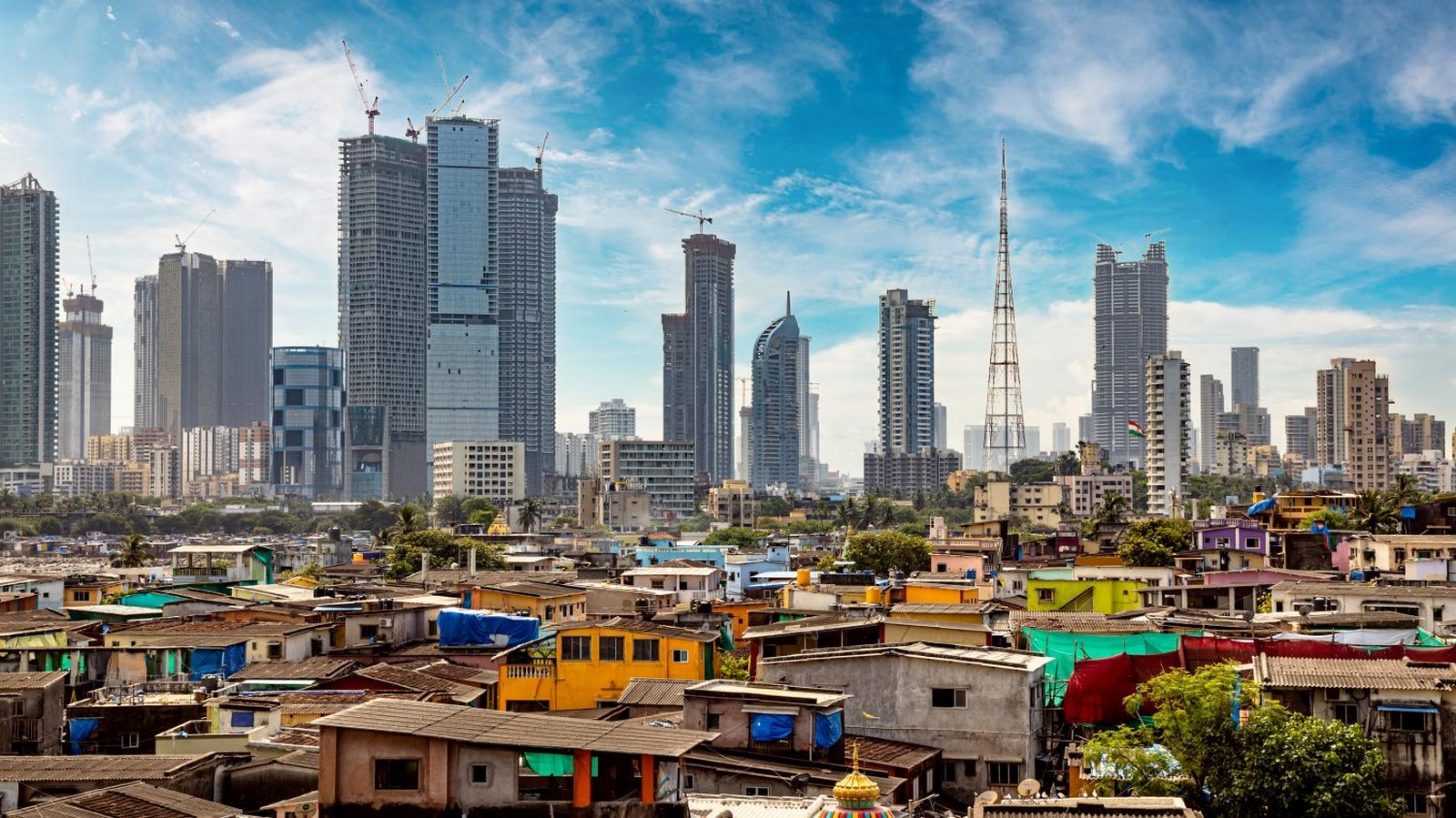
The escalation of living expenditures in the region poses challenges for current inhabitants in their ability to cope with the mounting financial burdens enforcing displacement and thus disrupting the social fabric. Moreover, the influx of investment in high-end businesses may not translate into equal economic opportunities for all residents, particularly those from marginalized cultural communities. It also affects the local cultural practices.
As gentrification attracts more investments in public infrastructure and services, these enhancements may primarily benefit newer, wealthier residents, leaving original residents with insufficient access to essential services such as healthcare, public transportation, and community facilities.
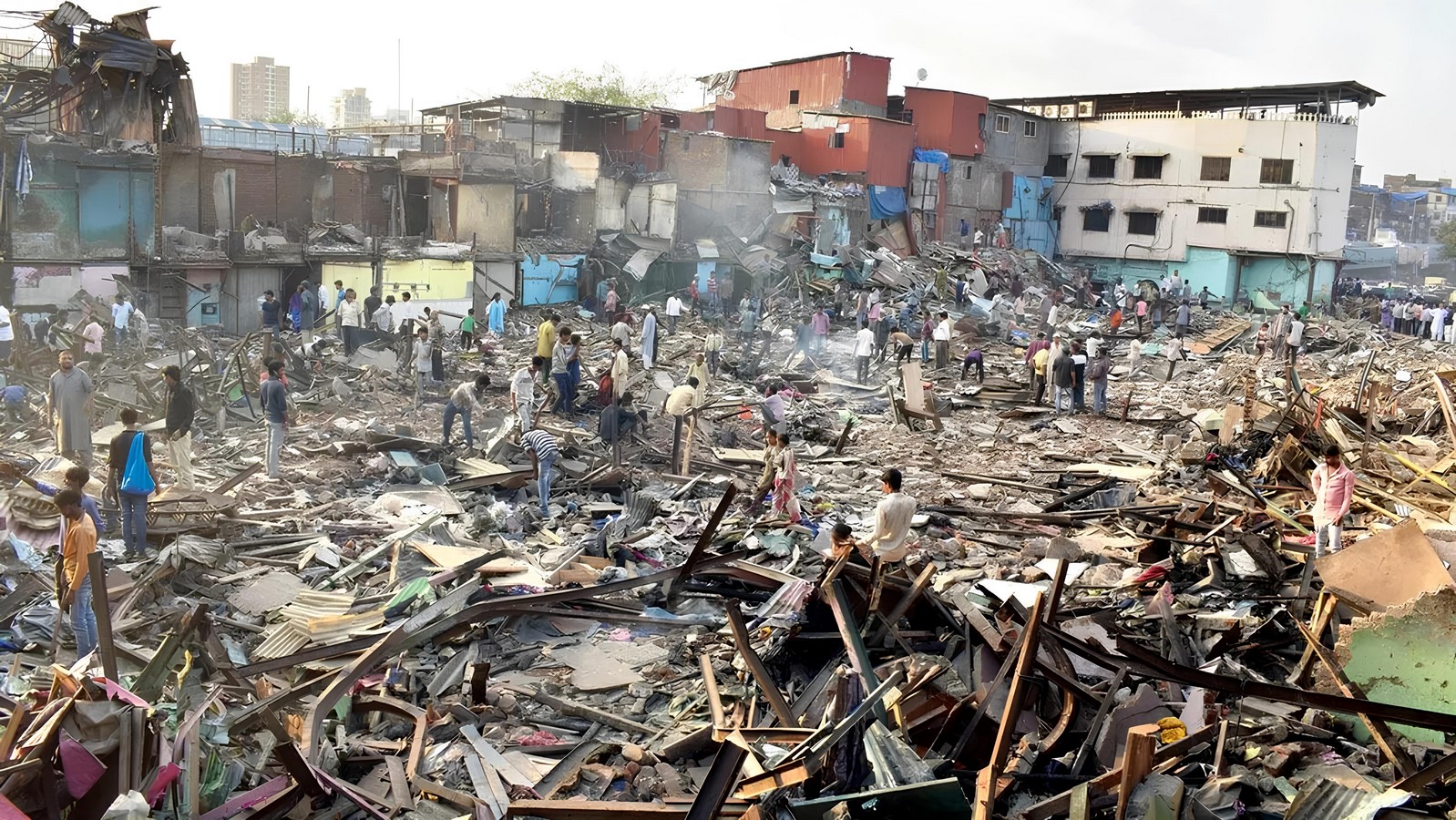
Thus, displacement, the rising cost of living, inequality in the local business, inaccessibility to public amenities, disruption of neighborhood-based organizations and social networks, and many more are the factors of cross-cultural gentrification contributing to the economic disparities. These further lead to homelessness, poverty, inequality, and many more.
How are Cross-cultural gentrification and Economic Disparities in Indian cities different from that of other cities of the world?
Indian cities are renowned for their remarkable diversity of culture, characterized by the coexistence of several languages, faiths, and customs within metropolitan environments. The phenomenon of cross-cultural gentrification in Indian cities encompasses the movement of persons from various economic origins, including those of higher socioeconomic status, as well as those from distinct cultural and linguistic groupings. The phenomenon might give rise to distinctive obstacles and prospects in the realm of safeguarding cultural identity amidst the process of neighborhood alterations. The existence of various castes and tribes complicates this issue even more.
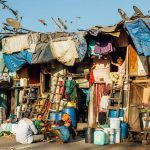
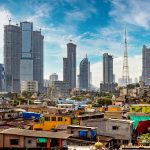
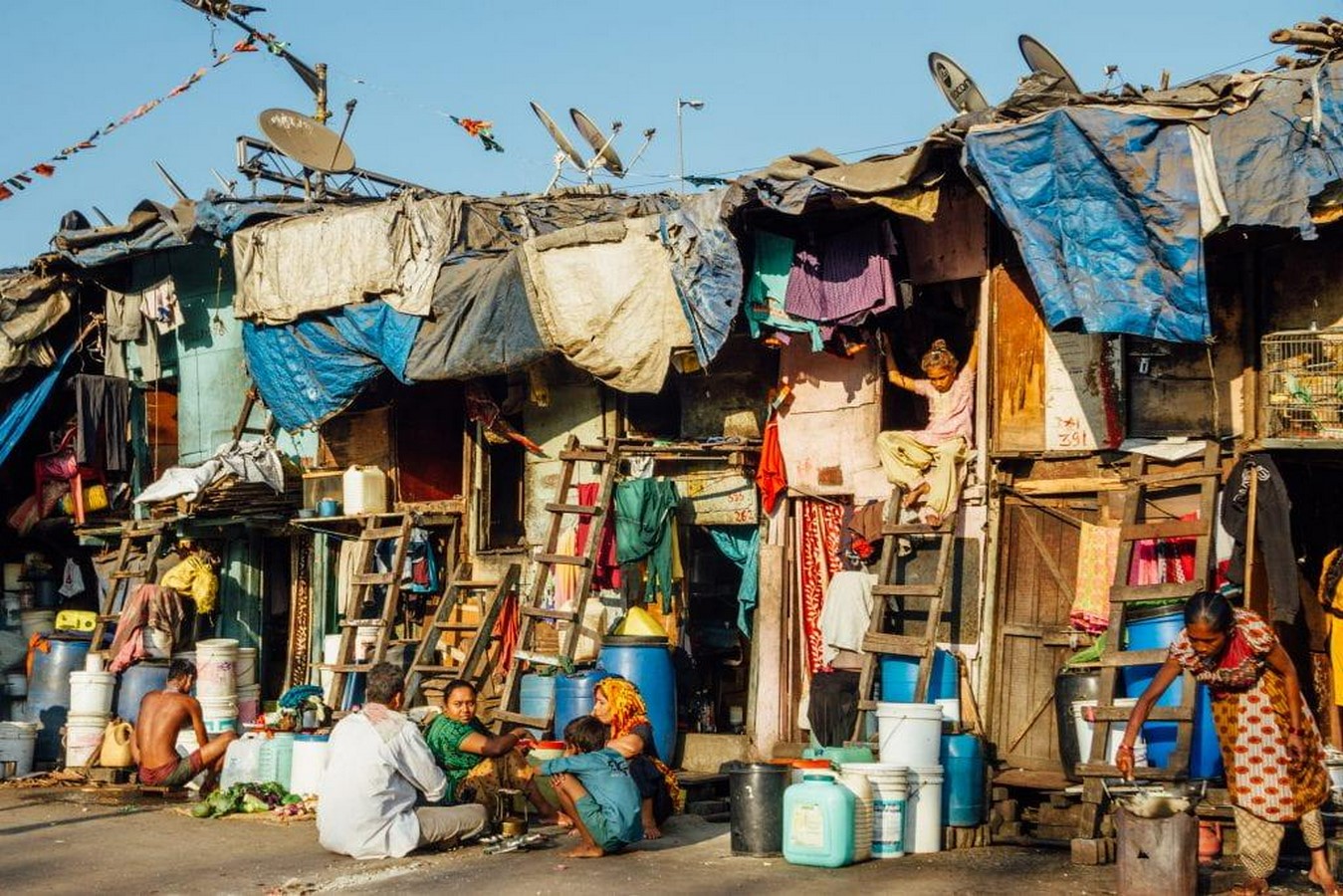
Indian cities have a large population living in informal settlements and slums, where economic disparities are already pronounced. Gentrification may impact these areas differently than it would in cities with different housing and urban development structures.
Conclusion
The mitigation of economic disparities resulting from cross-cultural gentrification requires a meticulous approach to urban planning, community involvement, and specific policy measures. Local authorities and relevant parties need to give utmost importance to promoting inclusive development, to guarantee that individuals who have been in a particular area for an extended period are not marginalized during neighborhood revitalization. The objectives above may be realized by implementing cost-effective housing efforts, providing assistance to local enterprises, allocating resources to educational and skill enhancement projects, and adopting inclusive community-driven planning approaches that consider the need of all community members.
References
- Borges, J. (2022) Demolishing slums is hurting the economy, Mid-day. Available at: https://www.mid-day.com/sunday-mid-day/article/demolishing-slums-is-hurting-the-economy-23225218 (Accessed: July 31, 2023).
- Doshi, S. (2015) “Rethinking gentrification in India: displacement, dispossession and the spectre of development,” Global Gentrifications. Bristol, England: Bristol University Press, pp. 101–120. doi: 10.46692/9781447313496.007.
- Economic disparities (no date) Berkeley.edu. Available at: https://belonging.berkeley.edu/economicdisparities.
- Fontinelle, A. (2020) What is economic inequality? Definition, causes, and key statistics, Investopedia. Available at: https://www.investopedia.com/economic-inequality-4845459.
- India: extreme inequality in numbers (2022) Oxfam International. Available at: https://www.oxfam.org/en/india-extreme-inequality-numbers.
- Intercultural Cities: COVID-19 Special page – Intercultural cities programme – www.coe.int (no date) Intercultural cities programme. Available at: https://www.coe.int/pt/web/interculturalcities/covid-19-special-page.
- Kamalvanshi, V. and Kushwaha, S. (2021) “Economic inequality: Measures and causes,” in Encyclopedia of the UN Sustainable Development Goals. Cham: Springer International Publishing, pp. 135–146.
- The state of inequality in India report 1 (no date) Competitiveness.in. Available at: https://competitiveness.in/wp-content/uploads/2022/05/Report_on_State_of_Inequality-in_India_Web_Version.pdf.