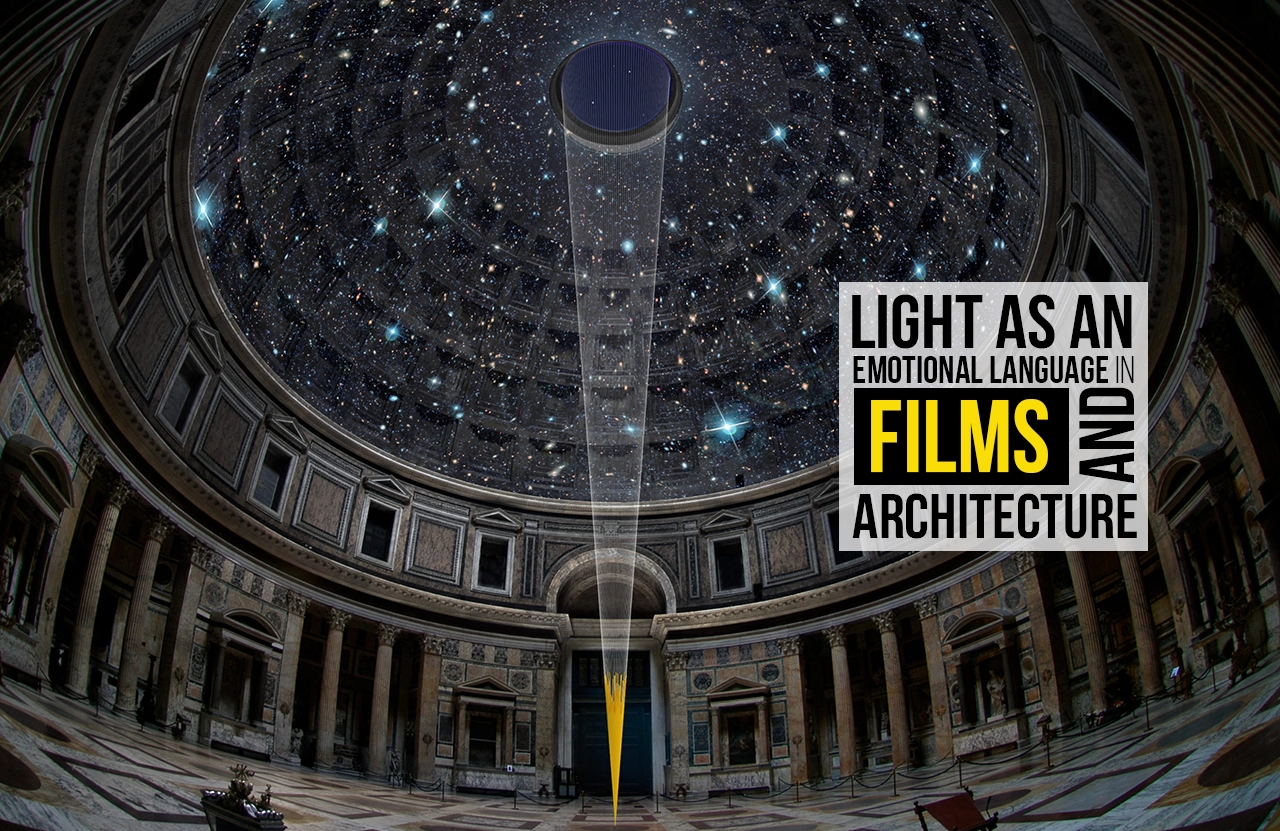
Light is one of the most powerful visual tools. It does much more than just helping people to see; it sets the mood, shapes emotions, directs attention, and greatly influences how people experience a space. Light is considered one of the most important entities in any form of visual communication. For a long time, filmmakers have used light to communicate feelings to the viewers. In movies like The Godfather, the use of dark shadows and low lighting creates mystery and power; in Sinners, lighting creates a haunting, emotionally charged atmosphere. The film often uses dark scenes with focused light sources, strong contrasts, and warm fire-lit tones against deep shadows. This creates feelings of tension, mystery, danger, and intimacy all at once. In most scenes, the set is decided, and lighting is prioritised to create the necessary mood and feel. Similarly, in architecture, lighting plays an important role. It influences how people feel and perceive a space. A building is not only experienced through its walls, roof, floors and materials, but also in how light interacts with all these elements
By learning from filmmakers, architects can better realise the importance of light and how to use it as an emotional language rather than just a necessity.
Contrast Between Light and Shadow
One of the biggest lessons architects can learn from filmmakers is the use of contrast between light and shadow. In film, drama and emotional tension are often achieved by the use of contrast. Bright foregrounds and subjects against dark backgrounds can make them appear powerful, mysterious or attractive.

Architecture can use this same principle. A building where every space is evenly lit may feel flat and uninteresting. But a transition from a dim entrance into a bright courtyard can create surprise and emotional release. This technique is seen in traditional temples where the circulation spaces are darker and open into illuminated sanctums, making the light feel sacred and powerful. By controlling contrast, architects can create drama, highlight the important pieces and make spaces engaging.
Directional Lighting and Focus
In films, light is carefully controlled in terms of where it comes from, the brightness, the tone and intensity of light, as the direction, colour and depth of light affect the viewer’s emotions. Side lighting may create mystery by hiding part of a face. Top lighting can feel intense or divine, while backlighting creates silhouettes and emphasises the object. In cinema, lighting is often used to direct the viewers – where to look and what to feel.
Architects can use lighting in similar ways. Openings, skylights, clerestory windows, and light wells can guide natural light toward specific points in a building to emphasise them.
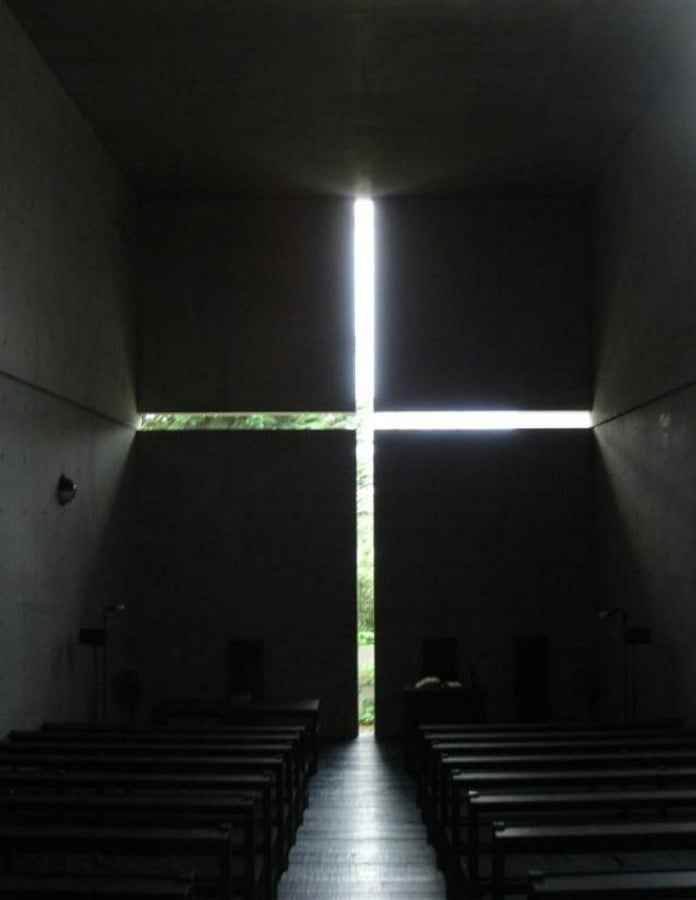
A famous example is Tadao Ando’s Church of Light, where a cross-shaped opening lets in a dramatic amount of light, creating a focal point. The light itself is one instead of a cross.
Museums also use carefully directed lighting to draw attention to artworks. In buildings, light can be played with for it to become a guide, directing movement and emphasising important spaces.
Warm and Cool light
Another lesson from filmmaking is the emotional effect of light’s colour and temperature. Light with warm, golden tones induces a feeling of comfort, intimacy and nostalgia in the viewers. Cool, white light can make them feel distant, lonely, clinical, or suspenseful. Filmmakers use these tones intentionally to manipulate how the viewers emotionally respond and connect to the movie scenes.
This technique can be used in architecture too, to connect with the users. Restaurants use warm lighting to create comfort, encouraging the users to relax. Homes use warm tones in living rooms and bedrooms to create a sense of cosiness. On the other hand, hospitals and offices often use cooler lighting for clarity and alertness.
Light Changes Over Time
Natural light is not constant and fixed, it changes over time according to the time and season. It induces a different feeling in the viewer’s at different times. Morning light represents hope or new beginnings, sunset creates nostalgia, and darkness can build suspense.
Buildings also experience changing light throughout the day and across the seasons. Architects should design for this movement of light rather than treating it as a fixed entity.
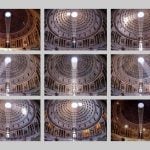
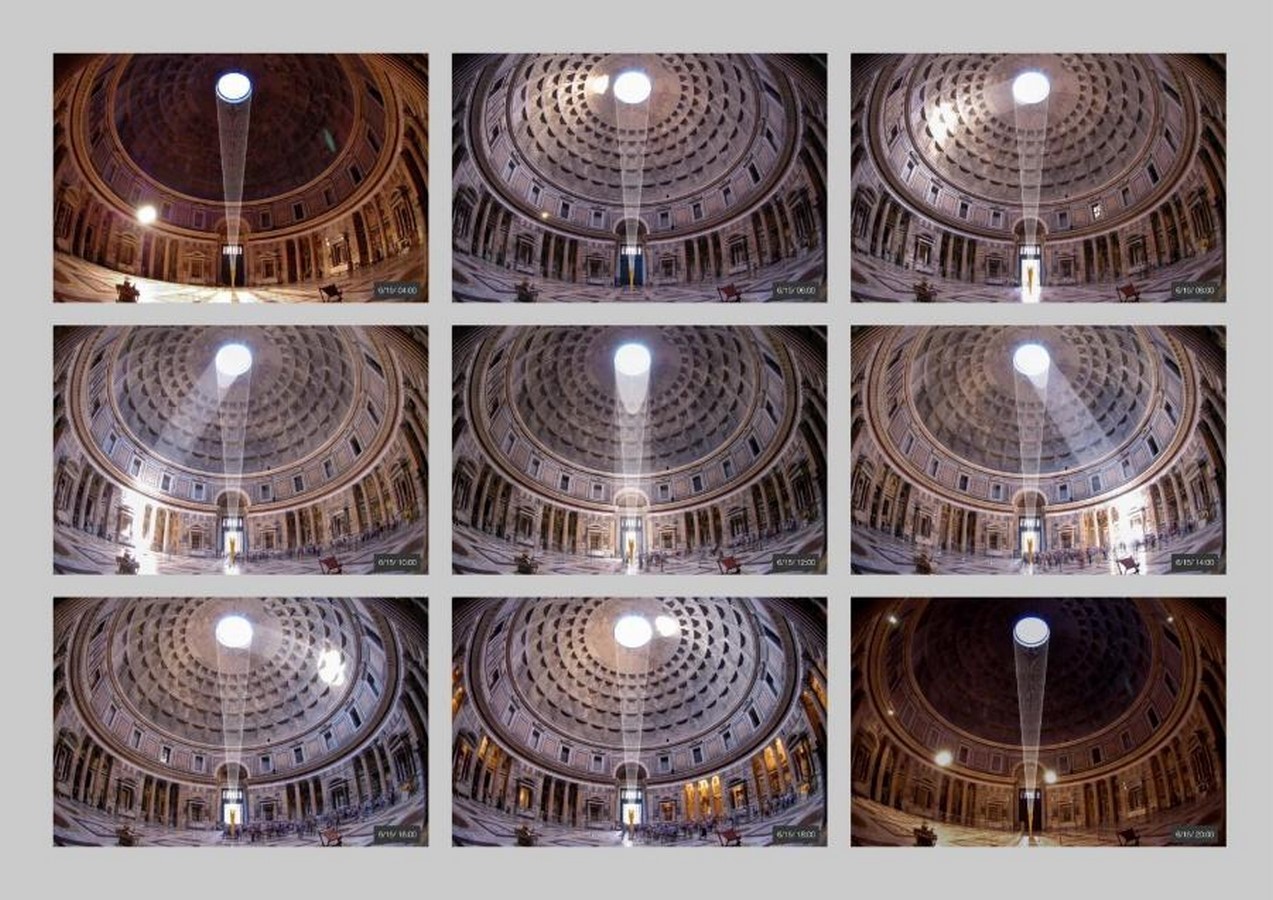
A beautiful example of this is the Pantheon in Rome. The oculus in the roof casts different focus and shadows, according to the movement of the sun. This creates a constantly changing emotional and visual experience.
Similarly, courtyards, skylights, verandahs, and window openings can also cast different patterns at different times. Morning sunlight may energise a room, while evening light can make it feel calm and reflective. Spaces arranged responding to this changing quality of light makes more function and emotional experience out of the spaces.
The Beauty of Shadows
In architecture, shadows are often seen as something to reduce or eliminate, as they are considered dark and negative spaces. But in movies, the shadows are treated just as important as the light. Shadows create mystery, depth, softness, and emotional richness. Moreover, they enhance the light and make the viewers realise its importance.
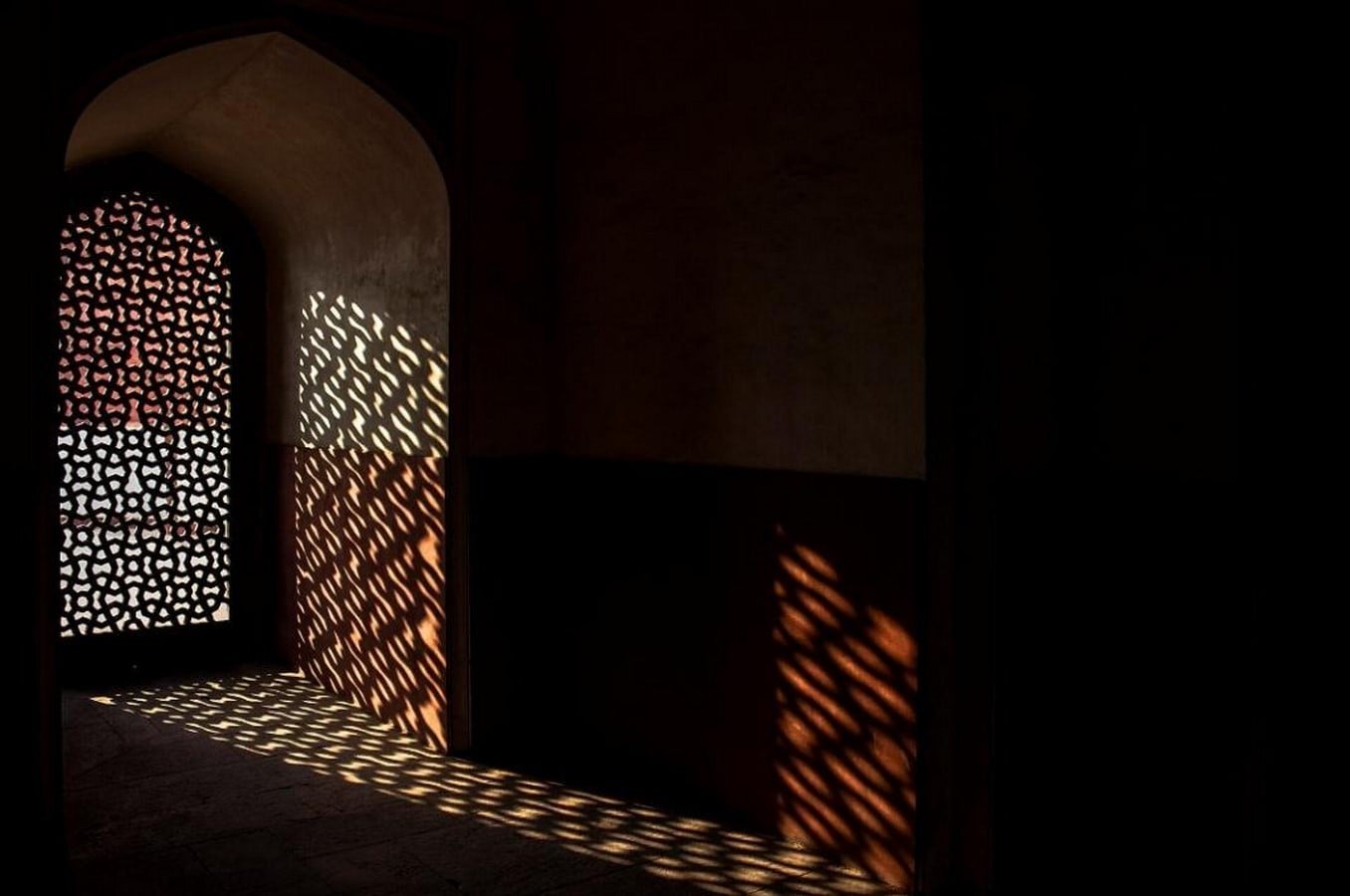
Architecture, too, can celebrate shadow. The jaalis used in buildings create beautiful patterns of light and shadow. Here, without the shadow the light cannot form a pattern and be appreciated. Similarly, perforated walls, louvres, and textured facades can create layers of shadow that make a building feel dynamic and alive. A space with no shadow often feels flat, while shadows add depth and emotional character.
Lighting and Memory
Many of the most memorable scenes in cinema stay in our minds because of their unique and attractive lighting. Candle-lit scenes in period films create warmth and intimacy. The neon-lit rainy streets in the movie Blade Runner created a futuristic emotion in the viewers that remains as an iconic memory even after decades.
Architecture also creates memories through light. People remember how sunlight entered a childhood home, or the glow of evening light in a verandah, or coloured light filtered through stained glass in a church. Light makes emotional memories because it affects not just sight but feeling. When light creates an atmosphere and identity, a space becomes memorable.
Light as an Emotional Material
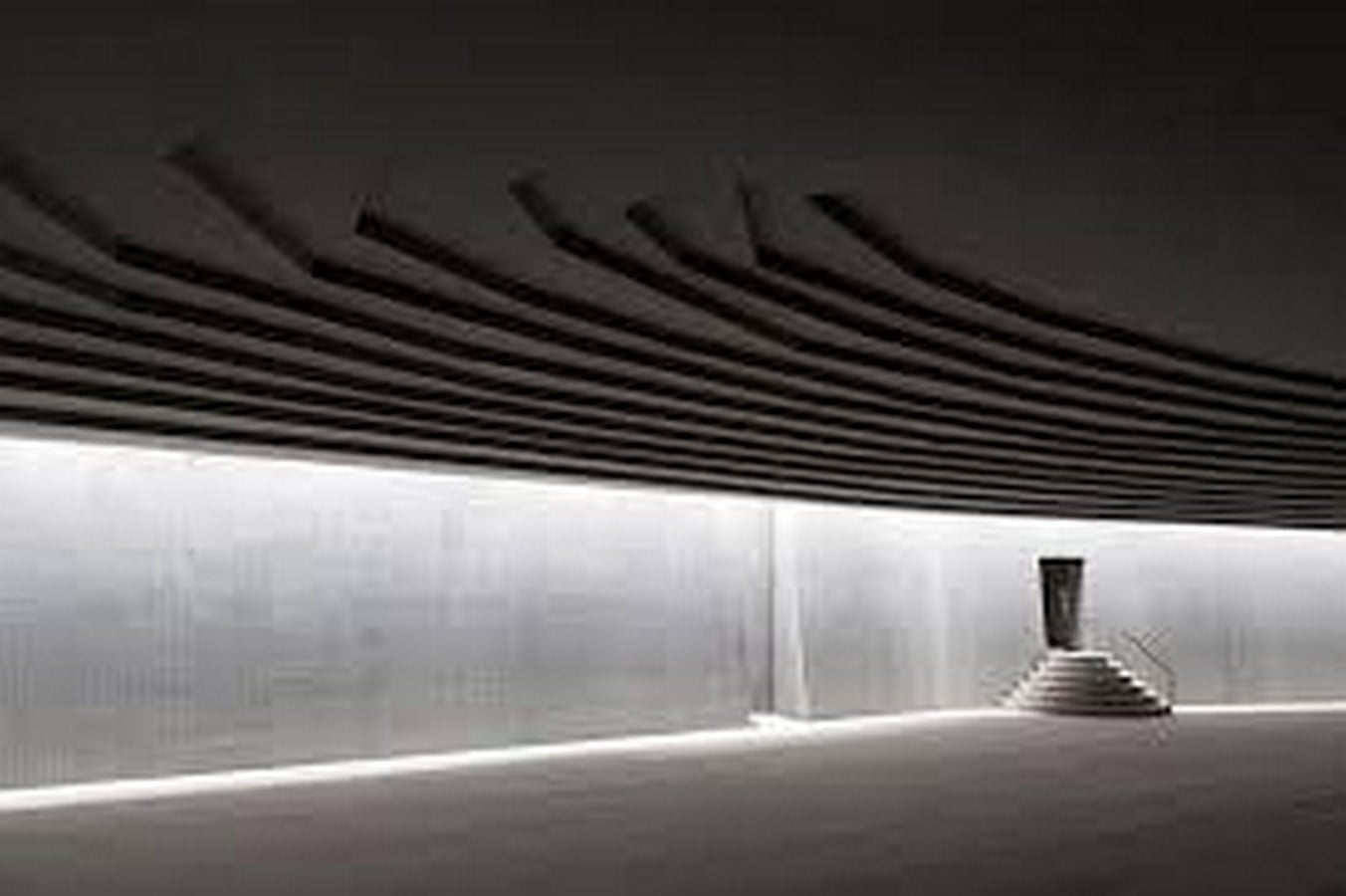
Filmmakers have long understood and proved that light can create mood and move people deeply without the help of words or actions. Architecture can also be greatly influenced by this cinematic language of lighting. Buildings are not to be thought of as a mere structure to be occupied and used as per the requirements. They are emotional experiences created by the atmosphere – light, wind, sound.
Just like a scene in a film can be memorable due to how light makes the viewer feel, so can a building be memorable due to how light interacts with the spaces. Filmmakers can be a source of inspiration for architects as they design spaces that are not only functional but also appealing and vibrant. Both filmmakers and architects work with the same invisible material, light, to shape the human experience.