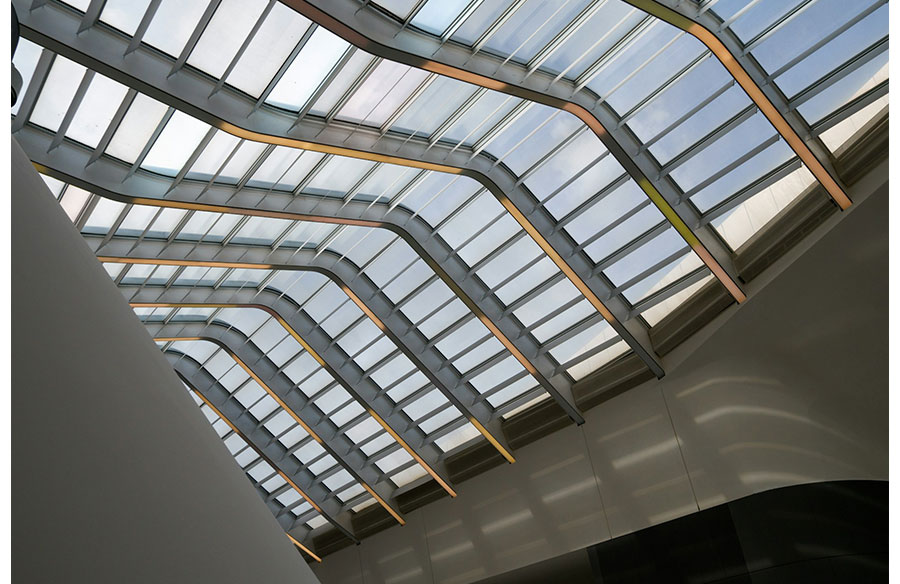
Daylight can make a building feel bigger, calmer, and easier to work in. For architects and construction teams, the hard part is bringing that light through the roof without turning the detail into the weak link.
Glass is familiar, but it is heavy and unforgiving when something goes wrong overhead. LEXAN solid sheet is often specified when you want a tough, buildable glazing choice that still supports clean design.
What changes when the roof glazing material changes
Material choice affects more than the drawing. Here you will see how a glazing panel influences handling, sequencing, and long-term risk on real projects.
On site, rooflights fail in predictable ways: chipped corners during lifts, cracked edges from over-tight fixings, and leaks where interfaces were rushed. A sheet that tolerates impact better gives crews more breathing room, especially when weather windows are short. That can mean fewer emergency replacements and less rework on the roofing package.
For architects, the payoff is fewer compromises in the final layout. If a glazing system is straightforward to fabricate and install, contractors are less likely to request last-minute changes that shift sizes or positions. You also get clearer conversations with clients about maintenance and expected wear, which helps protect your intent after handover.
LEXAN solid sheet in plain language
This section keeps the material talk practical. You will learn what LEXAN solid sheet is and what it enables in skylight and roof glazing details.
LEXAN solid sheet is a solid polycarbonate panel supplied in flat sheets that can be cut and fabricated into rooflight glazing. It is used for skylights, barrel vaults, canopies, and other overhead glazing where impact performance and manageable weight matter. Because it is a solid sheet, it pairs well with framed systems and custom shapes.
The success factor is good fabrication discipline. Clean edges, correct hole sizes, and compatible gaskets help the sheet perform without stress points at fixings. The common pitfall is treating it like glass and locking it too tightly in the frame. A detail that allows movement is often the difference between a clean install and a call-back.
Practical benefits for skylights and roof glazing projects
These benefits show up in day-to-day decisions during design, procurement, and installation. They are written with contractors and architects in mind, not only in lab terms.
Better impact tolerance in exposed roof zones
Roofs get hit by hail, tools, and occasional foot traffic mistakes. LEXAN solid sheet is widely chosen because it can take impacts that would chip or shatter more brittle glazing materials, which is useful above circulation areas and facilities with regular roof access. It also reduces the chance that one accident turns into a safety incident and a rushed replacement. Good support spacing and a flat, even frame still matter, so check spans early rather than “solving” it late with thicker panels.
Lower weight that makes lifting and detailing easier
Lower weight changes the build in small but valuable ways. Handling is safer, lifts can be simpler, and there is often less pressure on supporting members and connections. On refurbishment work, that can help you stay within existing roof capacity without heavy strengthening. It also shortens the period where the building is weather-exposed, because teams can close up openings faster and with fewer handling steps.
Design freedom for curved rooflights and long runs
Many daylight concepts want curves or continuous lines that are awkward with flat glass. LEXAN solid sheet can be formed within defined limits, which supports barrel vaults and arched rooflights without excessive segmentation. For example, a LEXAN sheet panel can help you achieve a smooth curve with fewer joints than a faceted glass layout, depending on span and support spacing. Fewer segments often means fewer joints, and fewer joints usually means fewer leak paths, as long as drainage and edge support are properly planned.
A short checklist for specifying and installing LEXAN roof glazing
Use this as a quick alignment tool in design reviews and pre-start meetings. It helps translate material choice into clear drawings, procurement notes, and site method statements.
Most rooflight problems come from mismatched assumptions between the roof contractor, the glazing fabricator, and the designer. When you agree the basics early, you reduce the chance of site improvisation at the edge detail. That protects both performance and appearance.
- Confirm sheet thickness against the planned support spacing and roof loads.
- Allow for thermal movement in the frame and do not trap the sheet.
- Specify compatible gaskets and sealants for polycarbonate contact.
- Detail edge finishing and hole sizing to avoid stress points.
- Define cleaning and safe access expectations for handover.
Common pitfalls that cause leaks, noise, or premature wear
This section highlights the issues that most often lead to call-backs. The fixes are usually small, but they need to be baked into the detail, not patched during installation.
Thermal movement is the big one. Polycarbonate expands and contracts more than glass, so the frame must allow that movement without forcing the sheet to bow. Sensible clamp pressure, the right gasket strategy, and clearance where needed solve most issues. If you see a detail that locks the panel on all sides, revisit it before fabrication starts.
Interfaces with the roof build-up are the second frequent cause of trouble. Rooflights interrupt water flow and can collect dirt if the surrounding falls and upstands are not coordinated. Check drainage paths, confirm upstand heights, and protect the membrane interface during installation. Those steps reduce leak risk and keep the glazing cleaner over time.
Access planning is the final piece. If the roof will be walked on for plant maintenance, plan walkways, guards, or clear no-step zones around the glazing. Even a tough sheet is not a substitute for safe roof management. When access is planned, you protect the rooflight and reduce avoidable damage claims.
Skylights and roof glazing specs for contractor-ready installs
If you want roof glazing that performs well in practice, start with how it will be built and maintained. LEXAN solid sheet can be a strong option when you need impact tolerance, manageable weight, and workable forming for roof geometry. It still needs good detailing, especially around movement allowances and roof interfaces. When architects and contractors align on those points early, rooflights become a straightforward package instead of a repeat snag item.