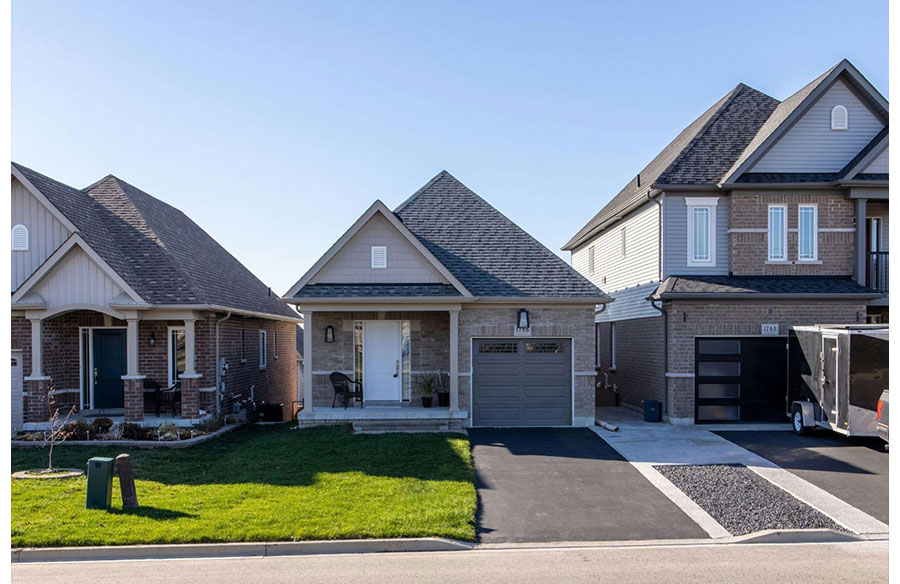
Buying a home is one of the most exciting milestones in life. It’s not just about finding a place to live – it’s about finding a space that suits your needs, fits your lifestyle, and aligns with your future goals. Whether you’re a first-time homebuyer or looking for a change, the process can feel overwhelming. There’s a lot to consider, from location and budget to style and features. This guide is designed to help you navigate the essential steps of buying a home and set you on the path to finding the perfect fit for you.
Step 1: Define Your Must-Haves
Before you start searching for homes, it’s important to define what you’re looking for. Take some time to consider your priorities and make a list of what you absolutely need in a home versus what would be nice to have.
Think about the number of bedrooms, bathrooms, and the overall size of the home. Are you someone who needs an office space or a large kitchen for entertaining? Do you need extra storage space or a garage? Think also about the layout – do you prefer an open-concept space or more defined rooms? Defining these needs will make it easier to filter out properties that don’t meet your criteria.
Don’t forget to consider the home’s condition as well. Are you open to doing renovations, or do you prefer something move-in ready? Knowing your limits when it comes to maintenance and repairs is an important part of the process.
Step 2: Set a Realistic Budget
One of the most critical steps in buying a home is understanding how much you can afford. Your budget will guide your search and help you narrow down your options. When setting a budget, don’t just focus on the listing price – factor in additional costs such as property taxes, homeowners’ insurance, closing costs, and maintenance.
It’s also essential to get pre-approved for a mortgage before starting your search. Pre-approval helps you understand how much you can borrow so that you can look at homes within your price range. It also shows sellers that you’re serious and financially prepared to move forward with a purchase.
Step 3: Consider Your Location Preferences
Where you live has a significant impact on your daily life, so it’s crucial to think about the location before choosing a home. Different areas offer varying lifestyles, amenities, and opportunities, so it’s worth researching neighborhoods that fit your needs.
Urban areas typically provide easy access to entertainment, dining, and job opportunities, while suburban areas offer more space and a quieter environment. Think about your proximity to work, public transportation, schools (if you have children or plan to), grocery stores, parks, and medical facilities. Walkability and access to nearby services can improve your quality of life in a neighborhood.
If you’re considering suburban areas, many options across the country provide a good balance. In the Dallas-Fort Worth area, for instance, cities like Plano and Frisco offer great schools, a family-friendly atmosphere, and convenient access to the city’s amenities. Additionally, Wylie is a growing suburb that offers a peaceful environment while still being close to Dallas. If you’re interested in exploring new homes in Wylie, you’ll find a wide range of options for every style and budget, allowing you to enjoy suburban living without straying too far from city conveniences.
Step 4: Work with a Real Estate Agent
A real estate agent is an invaluable asset during your home-buying journey. They have access to listings, market insights, and negotiation skills that can help you find the perfect home. A good agent will listen to your needs and guide you to properties that meet your criteria.
Having a real estate professional by your side also makes navigating the paperwork and closing process much easier. They can explain everything from the offer to the inspection and closing details, ensuring you don’t miss any crucial steps.
Step 5: Attend Open Houses and View Properties
Once you’ve identified a few properties that match your criteria, it’s time to see them in person. Open houses are a great way to explore homes and get a feel for the space. While touring homes, pay close attention to the condition of the property. Look beyond the cosmetic features like paint color and décor; focus on the structure, appliances, plumbing, and electrical systems.
Ask about the home’s age, the last renovation, and any issues that may require immediate attention. This will help you avoid any unpleasant surprises later. If you’re particularly interested in a home, don’t hesitate to schedule a private showing for a closer look.
Step 6: Consider Future Growth
When purchasing a home, it’s essential to consider not only your current needs but also your future ones. Will your family grow over time? Are you likely to stay in the area for many years? Consider whether the home you’re eyeing will continue to meet your needs in the next five or ten years.
It’s also helpful to look at the area’s growth potential. Are new businesses or developments coming to the area? Will the neighborhood improve with time, or could it decline? Looking into the long-term prospects for the location can help you make a smarter investment and avoid buying into an area that may not appreciate.
Step 7: Make an Offer and Negotiate
When you find a property you like, it’s time to make an offer. Your real estate agent will help you determine a competitive offer based on the current market value and similar homes in the area. They’ll also advise on whether the listing price is reasonable or whether it should be adjusted.
Negotiation is a key part of the home-buying process. It’s not uncommon for sellers to counter an initial offer, especially in competitive markets. Be prepared for back-and-forth discussions, and keep your budget in mind during negotiations. Your agent will be instrumental in ensuring the terms of the deal are favorable to you.
Step 8: Close the Deal
Once your offer is accepted, the closing process begins. This includes completing inspections, securing financing, and finalizing the paperwork. A home inspection is an essential step that helps you uncover any potential problems with the property, which can be used as leverage for further negotiations if necessary.
Once everything is sorted out and the deal is finalized, you’ll sign the final documents, make your payment, and officially own your new home. It’s an exciting moment that marks the culmination of a journey, but it’s also the beginning of a new chapter in your life.
Conclusion
Buying a home is a complex process, but by taking the time to define your priorities, set a budget, and work with professionals, you can make the experience smoother and more enjoyable. Consider all aspects of your future living situation – from location to size and condition – so that you can find a home that meets both your current and future needs. Whether you’re looking in bustling cities or peaceful suburban areas like Wylie, the key is to find a place where you can feel comfortable, secure, and truly at home.