Natural light has become an essential part of contemporary architecture. Bright, open interiors are often linked to comfort, functionality, and visual appeal, making modern window design an important element in both residential and commercial spaces. Beyond simply allowing daylight indoors, windows influence how interiors feel, function, and connect with outdoor surroundings.
From creating a sense of openness to improving ventilation and supporting flexible layouts, thoughtfully planned modern window design plays a major role in shaping how modern interiors are experienced.
Why Does Natural Light Matter in Interior Spaces?
Natural light significantly affects how comfortable and inviting a space feels. Interiors with sufficient daylight often appear brighter, larger, and more welcoming, creating a pleasant environment for everyday living and working.
Spaces with good natural lighting can offer several advantages, including:
- A brighter and more open atmosphere
- Reduced dependence on artificial lighting during the day
- Better visual comfort throughout interiors
- A stronger connection with outdoor surroundings
In homes, natural light can make living rooms, kitchens, and bedrooms feel warmer and more spacious. In offices, cafés, retail stores, and hospitality environments, bright interiors often contribute to a more productive and welcoming atmosphere. As architecture increasingly favours openness, modern window design now focuses on larger glazed areas and strategic window placement to maximise daylight and improve indoor comfort.
How Modern Window Design Enhances Interiors
Windows influence far more than just aesthetics. Their placement, size, and overall structure directly affect how interiors function and feel.
Creates a Greater Sense of Openness
One of the biggest advantages of modern window design is its ability to make interiors feel larger and more visually connected.
Contemporary window systems often provide:
- Wider outdoor views
- Better daylight penetration
- Cleaner and brighter interiors
- Reduced visual barriers between indoor and outdoor spaces
Slim-profile aluminium windows have become increasingly popular because they allow larger glass surfaces while maintaining a sleek and minimal appearance. This helps maximise sunlight without making interiors feel enclosed. Many premium systems are also designed with ultra-slim frames to improve views and increase glass coverage.
Supports Better Indoor Comfort
A well-planned modern window design helps distribute natural light more evenly throughout interiors, creating brighter and more comfortable living and working spaces.
This can improve:
- Everyday comfort in homes
- The atmosphere of bedrooms and workspaces
- Visual warmth in hospitality settings
- The overall experience for occupants
In modern commercial environments, natural light is often prioritised because it helps create spaces that feel more inviting for both employees and visitors. Some advanced window systems are also designed to improve usability and comfort.
Must Read:- Why French Windows are the Best Choice for Natural Airflow
Enhancing Airflow for Better Indoor Comfort
Natural light works best with proper airflow. Good ventilation helps keep indoor spaces comfortable, especially in warmer climates or smaller urban homes. Modern window systems are now designed to improve airflow while maintaining a clean and stylish appearance.
Some benefits of proper ventilation include:
- Better air circulation indoors
- More comfortable living and working spaces
- Improved airflow in compact areas
- Greater everyday comfort and convenience
When windows are placed thoughtfully, they can improve natural airflow and reduce the need for artificial cooling. Many premium window systems are also designed to improve ventilation further. For example, brands like TOSTEM offer pre-engineered window solutions with slim sliding and casement designs that support better airflow. Their systems also include highly transparent pleated insect screens that allow fresh air to circulate while helping keep insects out and maintaining clear outdoor views.
The Growing Preference for Larger Openings
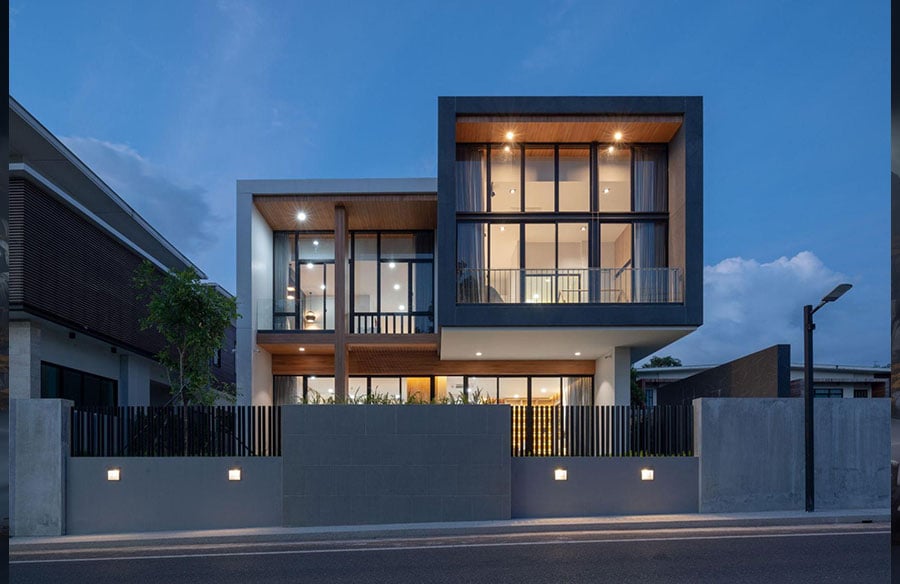
Contemporary architecture increasingly favours expansive openings that maximise daylight and strengthen the relationship between indoor and outdoor spaces.
Larger windows can offer several benefits, including:
- Increased access to natural light
- Wider outdoor views
- A brighter and more spacious appearance
- Better indoor-outdoor connectivity
Because aluminium is lightweight yet structurally strong, it allows for slimmer frames and larger glazed sections without compromising durability. This makes aluminium an increasingly preferred material in modern window design, particularly for contemporary homes and commercial buildings.
How Folding Doors Complement Modern Window Design
Alongside windows, folding doors have become increasingly popular in contemporary architecture because they help create seamless harmony with nature.
These systems are commonly used in:
- Garden-facing living areas
- Balconies and patios
- Restaurants and cafés
- Contemporary residential spaces
When paired with modern window design, folding doors help maximise daylight, improve openness, and create a seamless transition between indoor and outdoor spaces.
Supporting Flexible Living Spaces
Open-plan living continues to influence architectural trends. By combining modern window design with folding doors, interiors can feel more adaptable, connected, and visually balanced.
This flexibility works especially well in:
- Family living spaces
- Dining areas with outdoor access
- Entertainment zones
- Commercial environments prioritising openness
As design preferences continue evolving, adaptable spaces are becoming more desirable in both homes and workplaces.
Conclusion
The influence of modern window design extends far beyond appearance alone. Thoughtfully selected systems can improve natural light, support ventilation, and create interiors that feel brighter, larger, and more comfortable. When paired with complementary features such as folding doors, modern window solutions can help create spaces that feel open, functional, and visually connected. By balancing aesthetics with performance, modern window design continues to play an important role in shaping contemporary interiors that prioritise comfort, usability, and visual appeal.