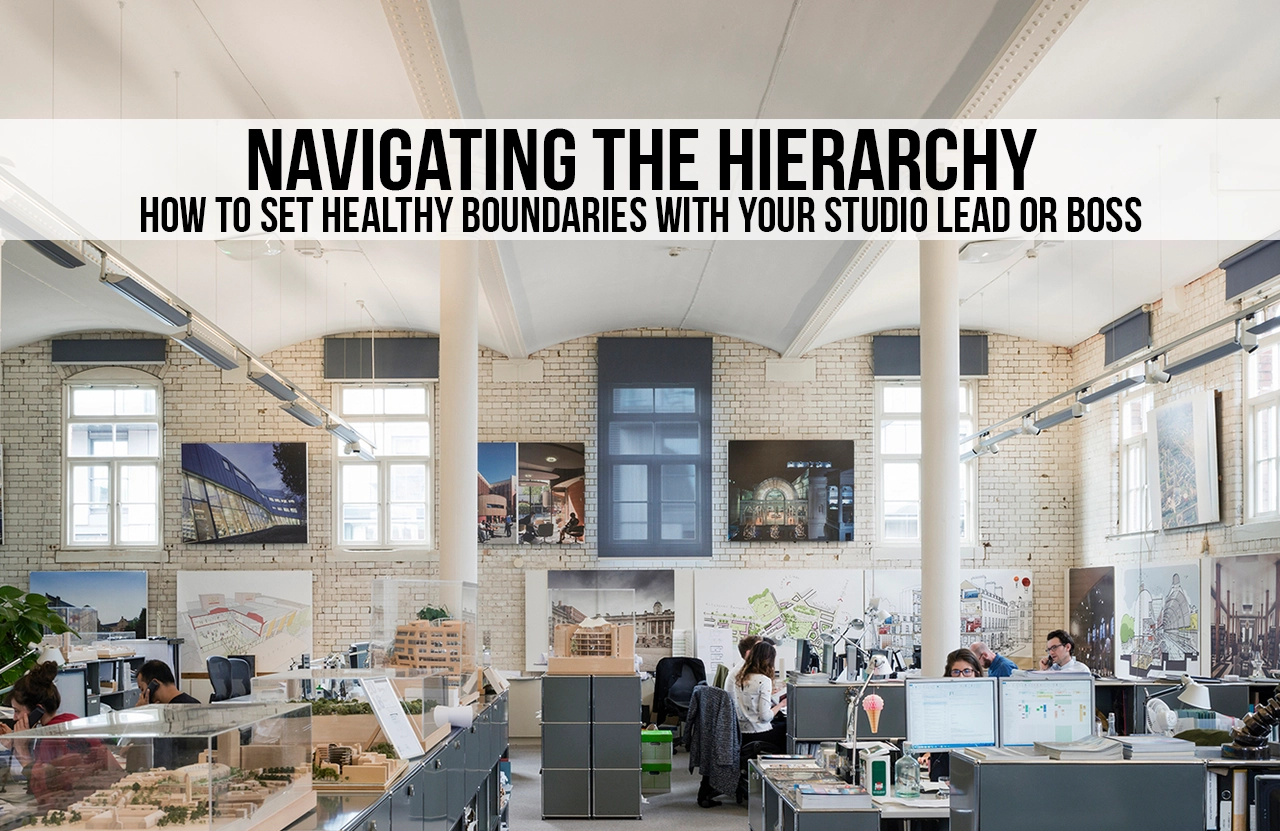
Sailing through the intense environment of the design studios and even the corporate offices , it is often found that it leads to the fading away of lines between professional commitments and an individual’s well -being . Setting some boundaries to avoid these lines fading away is not about only being “difficult” but about setting up a sustainable framework for high quality work.
Defining the Perimeter: Understanding Professional Boundaries
Often, junior professionals and student interns feel intense pressure to agree to every command and order from their lead professionals and boss. This pressure usually stems from a fear of appearing unprofessional or uncommitted. However, saying ‘yes’ to everything can lead to a ‘no’ elsewhere, affecting an individual’s sleep, mental health, and the quality of existing tasks.
One must understand to break the cycle and understand the need to shift one’s perspective. Not always should the boundaries be considered walls, but the gates that control the flow of one’s energy . Self-recognizing the fact that one’s time is a finite resource is a first step towards communicating one’s values to the people who are superior to you.
Communicating Capacity Over Compliance
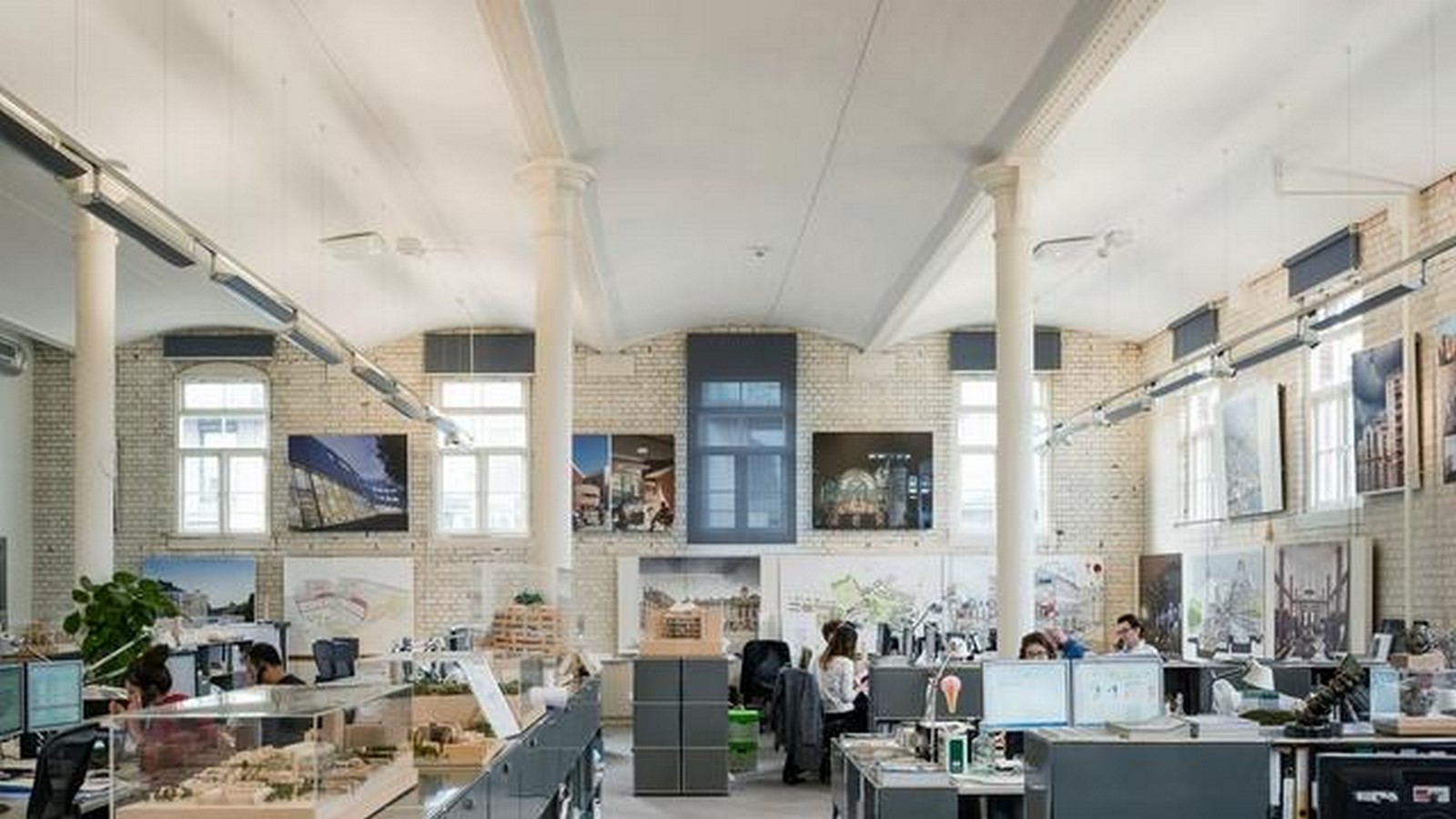
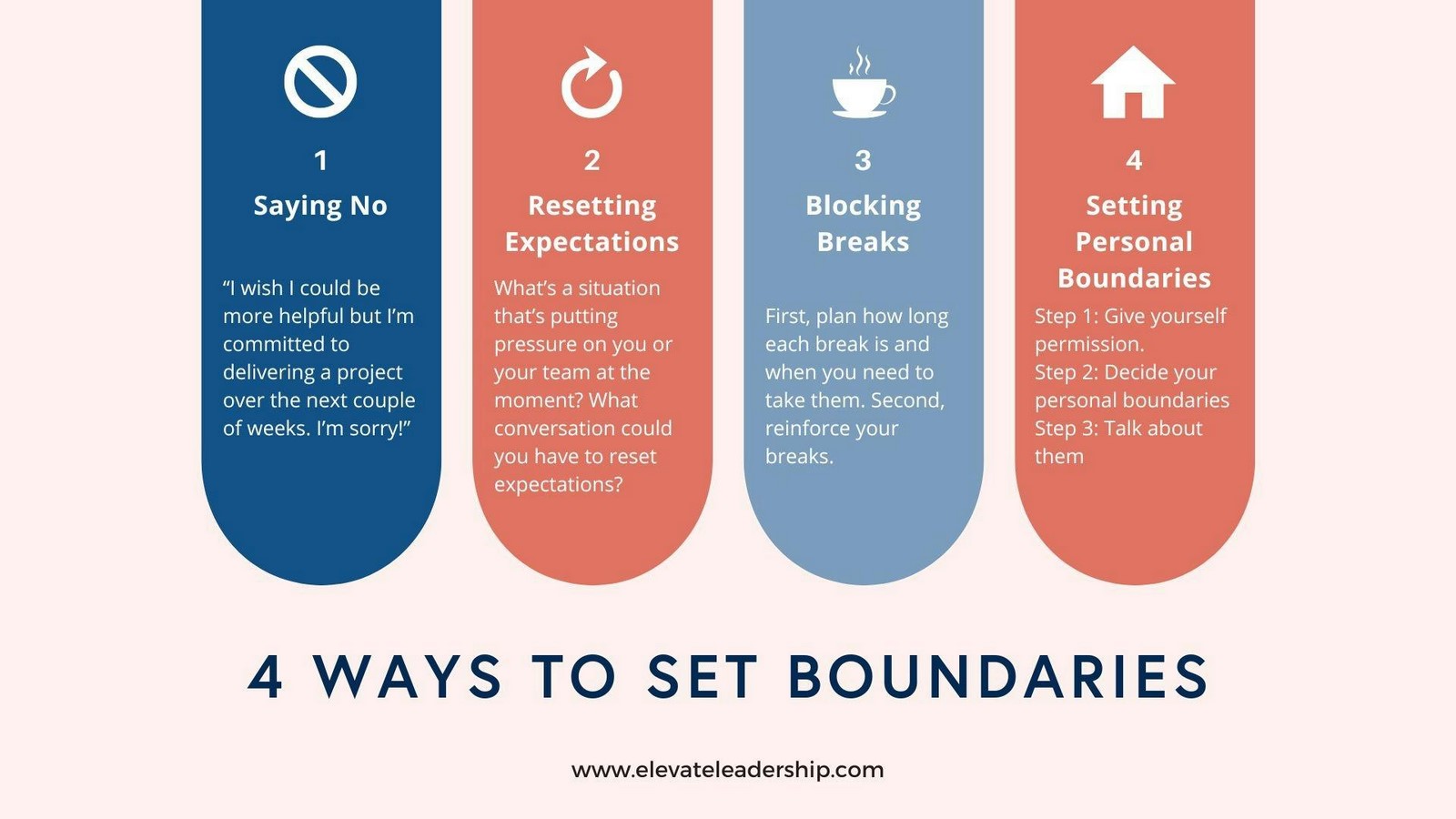
Design studios often demand overtime to handle high workloads. When a studio boss asks for urgent help, it may feel instinctive to accept. Instead, use the “Priority Pivot”: clearly communicate your existing tasks. This transparency allows your lead to make informed decisions and shows you are focused on broader project timelines, not simply refusing work.
In many studios, work tasks can intrude on personal space. Instant messaging and meeting tools also require clear digital boundaries to allow for mental breaks. Reviewing the contract’s working hours helps set these limits. For example, if working hours end at 6 pm, it’s important to make a habit of not responding to non-emergency communications after that time (Raiden and Caven, 2010). Regularly updating work status on official platforms, such as setting Teams to deep work mode, can signal to supervisors that messages are not being ignored, but that focus is directed toward scheduled tasks.
Managing Feedback and Creative Criticism
Requesting specific, actionable objectives helps maintain a professional distance from the ego, allowing you to process criticism as a tool for growth rather than a personal attack.
In design studios, boundaries are not just professional talks and commitments but also the emotional setting of an individual . Critiques are often the standard part of the design process , but they should never cross into personal disparagement. If a lead’s feedback becomes unproductive and overly harsh , it is important to control the conversation and get back to the work . Requesting some specific, actionable objectives helps to maintain a professional distance from the ego, allowing one to process criticism as a tool for growth rather than a personal attack. ( Opara,2025)
These boundaries are tested the most during a weekend and a holiday. One can prevent his /her boss from approaching during personal time by proactive planning . In this planning strategy, one sends a handover note before leaving for a break . This note details where the projects stand and who to contact for what emergency. This eliminates the “excuse” for a Lead to reach out to an individual while one is away. By using this strategy, an individual puts themselves in a position that is considered responsible for mitigating the potential risks in one’s absence ( Newsonen,2025)
Long- Term Impact : From Burnout to Brilliance
When a professional individual either a mid level employ or an intern, sets boundaries strategically , his/ her value for the firm or company gradually increases . A tired and disengaged employee is much more prone to make mistakes and lacks the necessary spark for innovative tasks and creations. While a professional employee who strategically manages the energies within the work environment is much more reliable , focused , and capable of sustained excellence towards the tasks . Setting the professional boundaries with the boss and seniors is an ongoing negotiation and not a one- time event. By valuing one’s own time , an individual teaches others as well to do the same and highly maintain professionalism.
For a modern designer, the ability to clearly set boundaries and resource needs , it is much more critical than technical proficiency or design intuition. Architecture, being a field of scope creep and high pressure deadlines, requires its workers to learn how to set boundaries for their time and mental clarity . However, self – advocating for personal freedoms ensures the sustainability of the creative process. Setting the healthy boundaries with studio leads , architects protect personal space, which is required for deep work and regenerating thinking. Far from the frictional conflicts, the professional assertiveness signals a commitment to high quality work output with long term reliability. Mastering this skill allows designers to move beyond mere compliance, positioning them as a strategic collaborator who can lead projects without sacrificing personal well-being.
Reference List
- Caven and Raiden (2010): https://www.academia.edu/3031372/Work_life_balance_among_architects
- Newsonen, S. (2025) https://www.psychologytoday.com/us/blog/the-path-to-passionate-happiness/202512/a-guide-to-healthy-boundaries
- Opara, N. (2025) : https://medium.com/@thrivingatworkwithnonye/how-to-set-boundaries-with-your-boss-the-professionals-guide-to-respectful-resistance-scripts-10834386dfff
- Fig1 –(Goodwin,2024) http://archdaily.com/tag/architecture-studio