What compels a user or designer to traverse a space? Spaces one inhabits or passes by become all the more interesting when a narrative is followed, thereby lending them meaning, functionality, and emotion. “A narrative is a string of connected events told with effect.” (Buday, 2017a)

How well the user interprets and understands the spaces, such that they begin to feel one with the space, is what measures the success of the architectural story or narrative.
What does architectural storytelling talk about? It’s a combination of physical form, design principles, and visuals that culminates in the use of design as a medium. Every element introduced in the design is not for nought. It carries an emotion, a memory, and a unique experience.
“Architecture is the art of creating spaces that provoke thought and inspire human connection” – Bjarke Ingels
Architecture as a Landmark
A built structure often has a narrative rooted in its cultural heritage, community values and aspirations. This same structure is witness to multiple events in history and thus evolves over time, maybe in the way it is used or modified to suit the current situation. Throughout this process, it becomes a key landmark for users to identify the area. (Phansalkar, n.d.)
Example of Architecture Carrying a Strong Narrative
-
Jewish Museum in Berlin, designed by Daniel Libeskind:
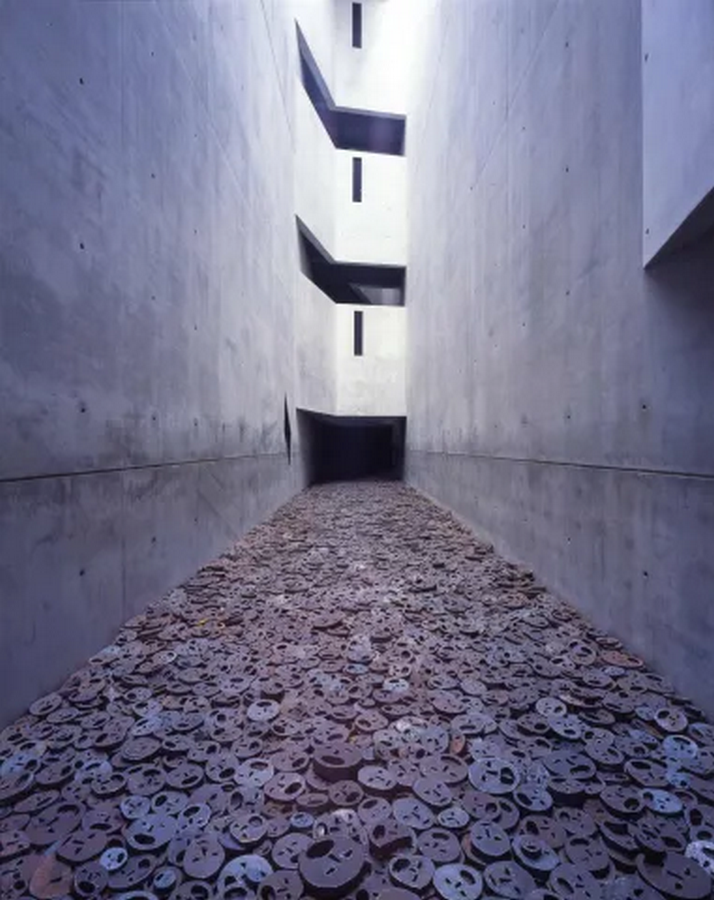
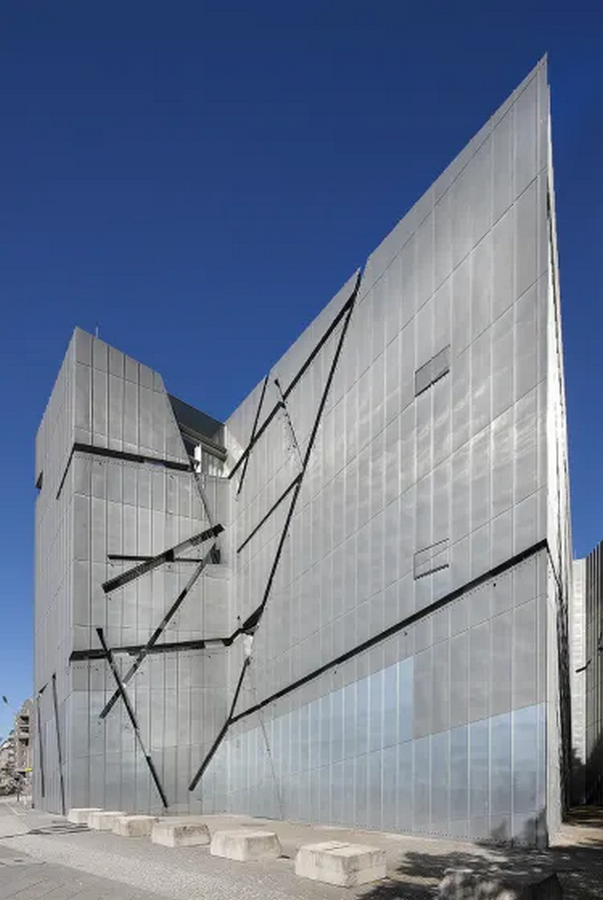
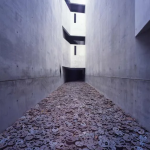
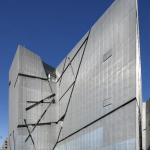
This museum seeks to recount German-Jewish history. It’s an experience reflecting the harrowing experience of the Jews during the Holocaust. Open to interpretation by its users, the built form leaves them feeling disoriented and insecure. The museum’s floor plan follows two main lines: a visible zigzag and an invisible straight line. Empty spaces called ‘voids’ are present at the points where the two lines intersect. (Jewish Museum Berlin, 2019)
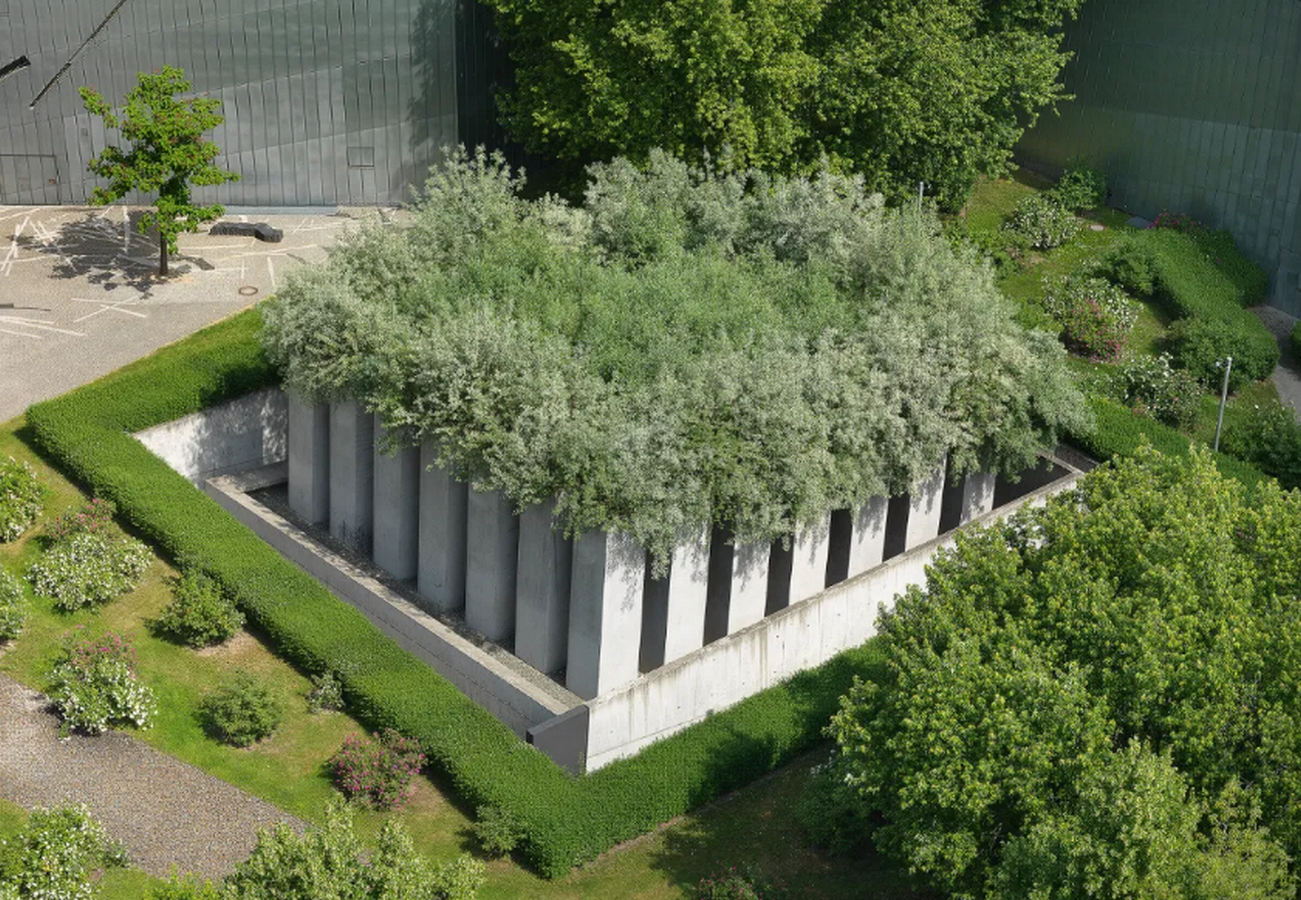
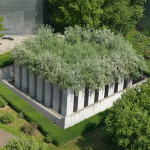
Voids resemble the feeling of physical emptiness of the annihilated lives of the Jews. The crisscrossed lines of windows on the exterior facade make the viewer wonder about the individual floor levels. The Garden of Exile is the culminating space present outside the Libeskind building. The ground of this garden is slanted to the point that users feel dizzy and unsteady. This spatial experience is meant to recall the feeling of instability by the Jews forced out of their homes. (Jewish Museum Berlin, 2019)
Elements that help in strengthening the narrative of a built structure are the following:
Local Building Materials
One’s choice of building material reflects the sensory journey the designer wishes the user to experience. In addition to being sensorial, these materials are one of the elements of architectural storytelling that influence the comfort and mood of the space. (mw8rndr1111, 2025)
Imagine walking into a space with bare feet touching the cool stone of a residence’s verandah. As one crosses the threshold, the grooves of the wooden frame indicate the presence of an opening. The gaze now slowly shifts to the lime-plastered walls, which dance with the light in their patterns. It now travels to the soft corner of the courtyard, bound by intricately carved wooden pillars.
This experience described above is shaped by the materials the design dictates, thus helping the building revolve around a narrative and create an experience.
Floor Plans and Design Concepts
A reference point often exists in the process of creating anything; something that grounds one’s design to its needs, the surrounding environment, etc. Here, a building floor plan serves as a mode of navigation for architectural storytelling, a reference point.
Design concepts are not static; each iteration improves the level of detail and depth of the experience. Design concepts allow the overall feel, mood, and material and texture selection to emerge in the process, ultimately culminating in a floor plan.
Spatial Experiences
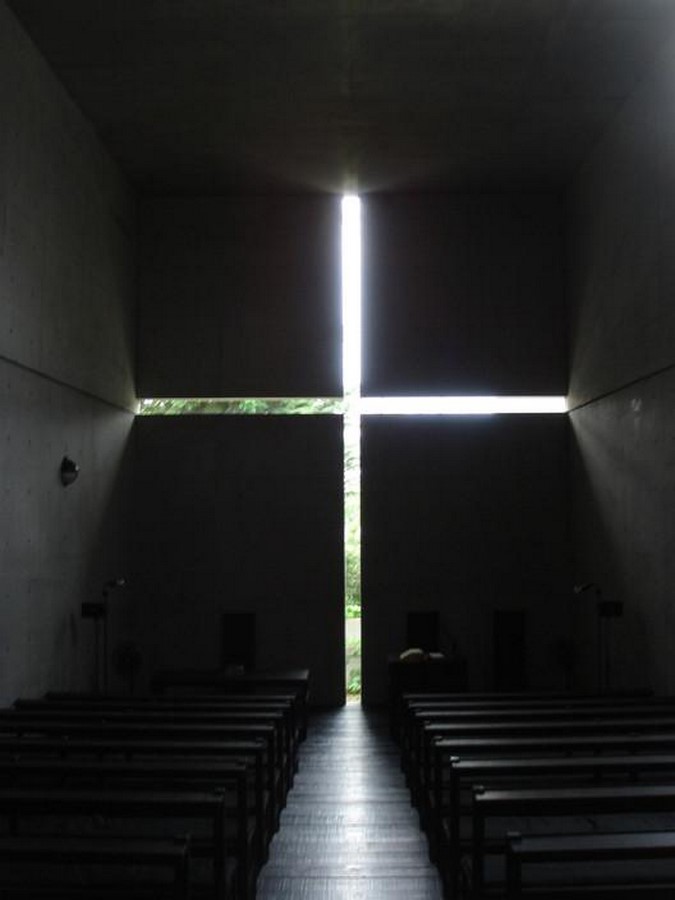
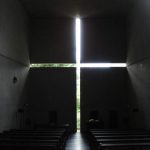
Spatial experiences can be drawn from natural light, as seen in Tadao Ando’s Church of Light, where two simple slits in the building’s facade allow a spiritual feeling to engulf the user, purely guided by their emotions and the space.
Similarly, Therme Vals by Peter Zumthor makes use of the interaction between physical forms of two elements – stone and water. In doing so, it leads to rediscovering one’s relationship with nature.
Architectural storytelling fosters appreciation, understanding, and preservation of the spaces around people.
Designing spaces with a strong purpose and a reflection of their surroundings enables the creation of a strong narrative or architectural story to guide the process. By putting the most relevant aspect of the design first, followed by the second, and so on, i.e., “What is followed by Why, followed by Details.” (Buday, 2017a)
This order of storytelling keeps the listener curious to know more about the project’s details.
Architectural Storytelling is an ever-evolving medium in the present world, whether digitally, hand-drawn, material exploration, building techniques, landscape elements, etc., all conveying an intent to users and evoking the right emotions in the spaces created. To truly experience the essence of a built environment is to appreciate the wonderful combination of all the supporting elements that go into architectural storytelling.
- Online sources
Citations for websites:
Avinash Dehru (2016). Building Stories – the architectural design process as narrative – Conference paper. [online] Academia.edu. Available at: https://www.academia.edu/22547517/Building_Stories_the_architectural_design_process_as_narrative_Conference_paper?auto=download [Accessed 25 Feb. 2026].
Buday, R. (2017a). The Art of Architectural Storytelling, or How to Present a Building. [online] Academia.edu. Available at: https://www.academia.edu/34474209/The_Art_of_Architectural_Storytelling_or_How_to_Present_a_Building [Accessed 25 Feb. 2026].
Jewish Museum Berlin (2019). The Libeskind Building. [online] Jewish Museum Berlin. Available at: https://www.jmberlin.de/en/libeskind-building.
Kothari, A.P. (2025). Beyond Function: The Power of Storytelling in Creating Memorable Design Experiences. [online] Medium. Available at: https://medium.com/@Architects_Blog/beyond-function-the-power-of-storytelling-in-creating-memorable-design-experiences-17c877f4ff5d [Accessed 25 Feb. 2026].
mw8rndr1111 (2025). Render Art Małgorzata Widaj. [online] RNDR. Available at: https://renderartstudio.com/our-stories/the-art-of-architectural-storytelling/ [Accessed 25 Feb. 2026].
Phansalkar, R. (n.d.). STORYTELLING THROUGH ARCHITECTURE Building an Archive of Stories. www.academia.edu. [online] Available at: https://www.academia.edu/30871963/STORYTELLING_THROUGH_ARCHITECTURE_Building_an_Archive_of_Stories.
Team Kaarwan (2024). Architectural Narratives: The Art of Storytelling in Design. [online] Kaarwan blogs. Available at: https://www.kaarwan.com/blog/architecture/architectural-narratives-the-art-of-storytelling-in-design?id=1267.
- Images/visual mediums
Citations for images/photographs – Print or Online:
Team Kaarwan (2024). Architectural Narratives: The Art of Storytelling in Design. [online] Kaarwan blogs. Available at: https://www.kaarwan.com/blog/architecture/architectural-narratives-the-art-of-storytelling-in-design?id=1267.
Jewish Museum Berlin (2019). The Libeskind Building. [online] Jewish Museum Berlin. Available at: https://www.jmberlin.de/en/libeskind-building.