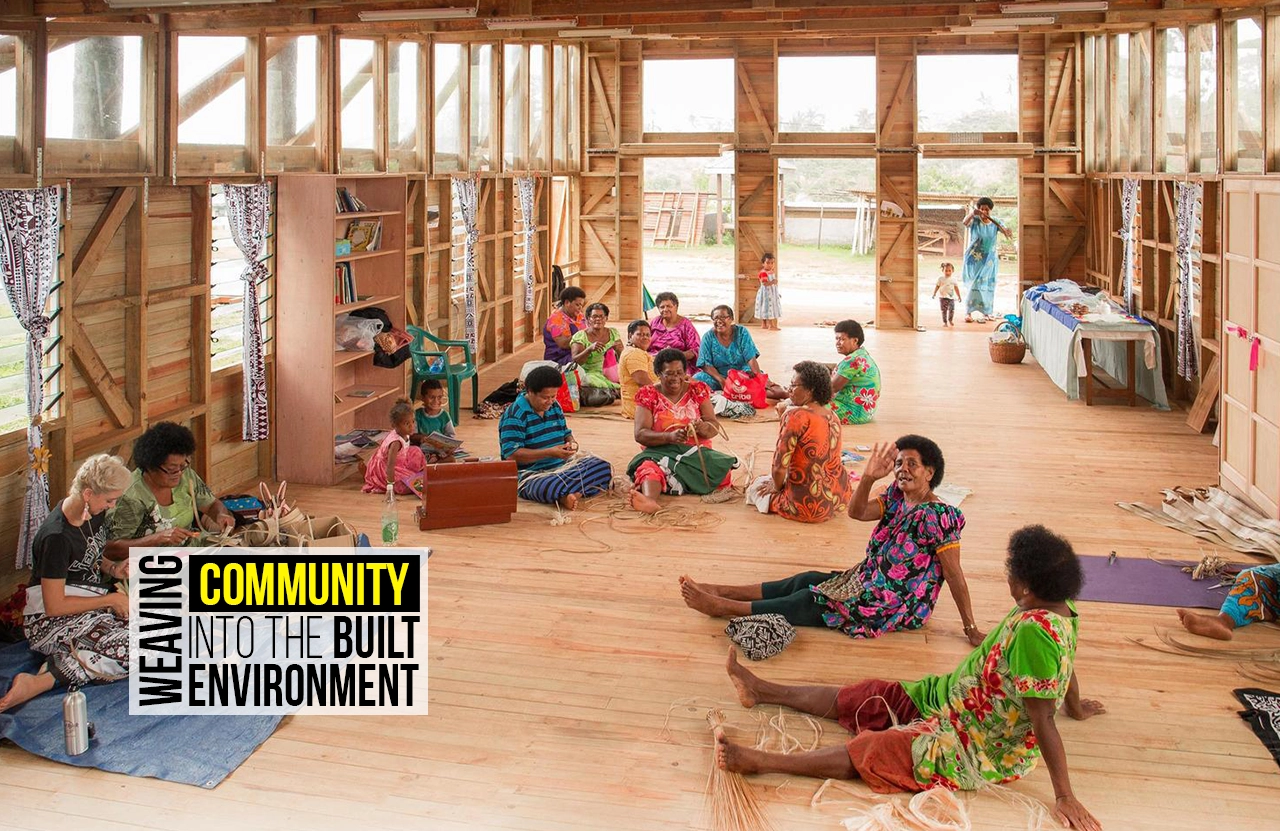
The built environment is more than just a collection of buildings, roads, and other infrastructure; it is the material expression of social relations, cultural values, and shared dreams. Throughout history and across different eras, communities have both shaped and been shaped by the environments in which they live. However, in the current age of rapid urbanisation, globalisation, and technological change, the nexus between community and the built environment is rapidly becoming more fractured. This article examines how community can be deliberately integrated into the built environment through community engagement, placemaking, and sustainable development. Using theoretical perspectives and case studies from a variety of different contexts, including examples from India and around the world, this article explores the concepts of spatial morphology, social capital, and the use of transitional and liminal space. This article contends that the integration of community with the built environment is not simply an aesthetic imperative but a socio-spatial one that can have a profound impact on well-being and identity.
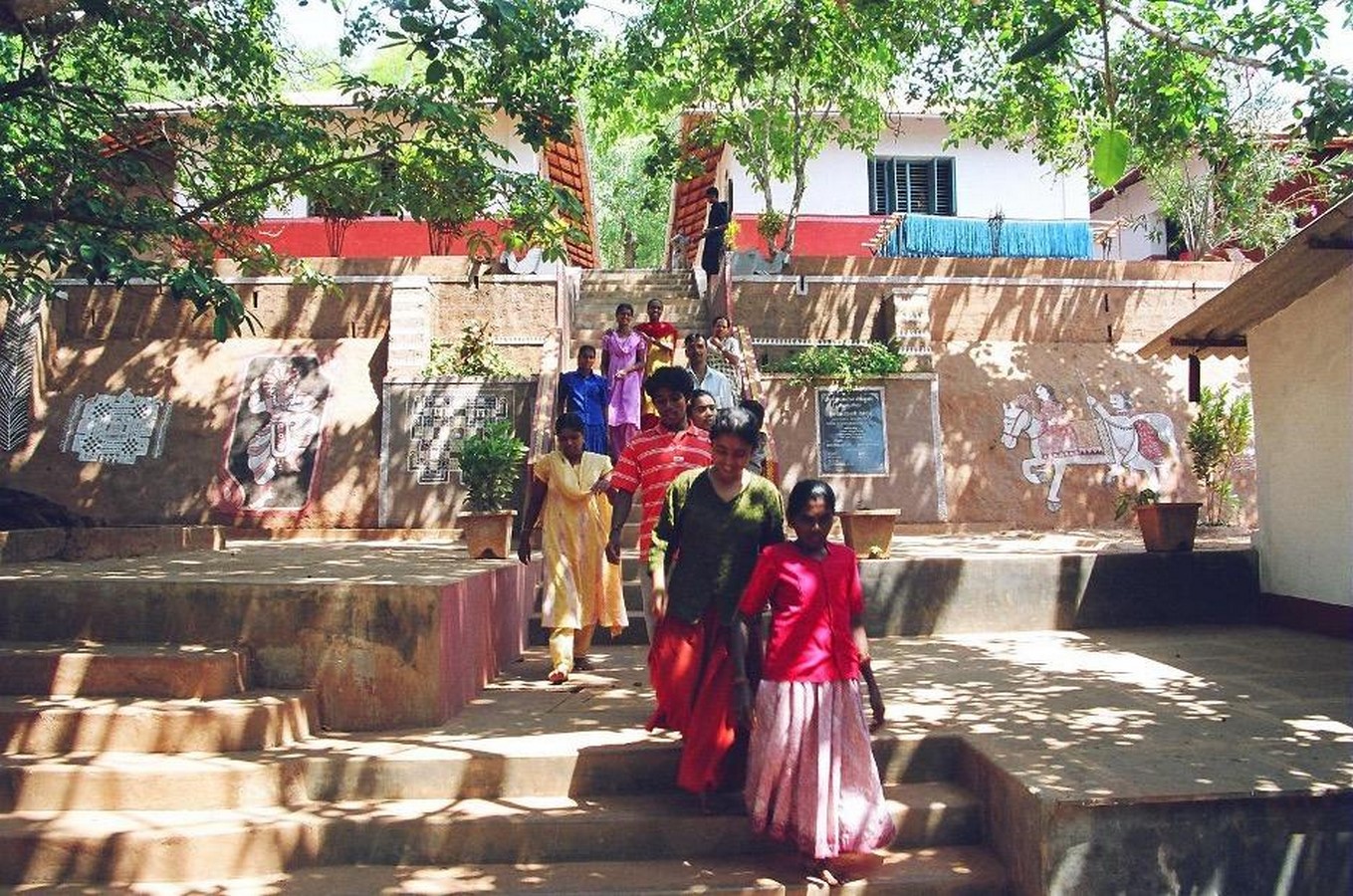
It is about people, relationships, culture, and belonging. (Weaving Livelihoods in Times of Climate Crisis: The Role of Rural Youth-based Collectives_©Land Portal, n.d.
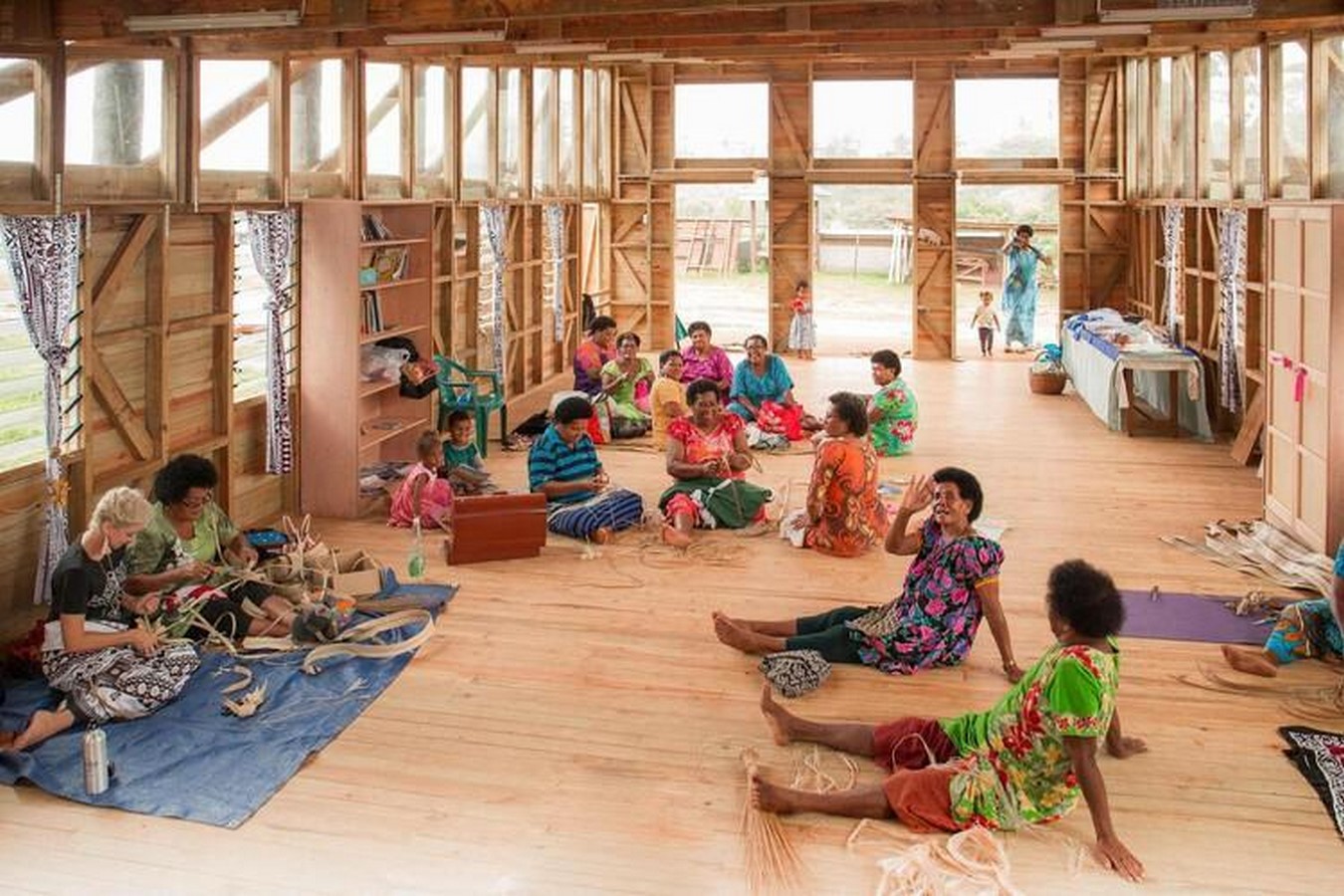
The built environment is an expression of human design. Streets, homes, public spaces, religious buildings, and markets reflect the values and ideals of the people who plan, build, and occupy them. Nevertheless, modern urbanisation trends tend to emphasise efficiency, profit, and display rather than social cohesion. As cities expand and rural areas are transformed, communities tend to feel disengaged from their environment.
The concept of “weaving community into the built environment” implies a conscious and inclusive process of spatial design that aims to cultivate a sense of belonging, interaction, and shared identity. Instead of viewing buildings and infrastructure as separate entities, the built environment is perceived as a social system. The difficulty is to design spaces that support social relationships, diversity, and local conditions.
In traditional settlements in India, for instance, in the historic pols of Ahmedabad, spatial arrangements were made to encourage neighbourly interaction. Similarly, the canal-side neighbourhoods of Venice illustrate how environmental limitations can create community-oriented urban morphology.
These examples show that community-oriented design is not new or utopian but has its roots. This article explores how current architectural and planning practices can re-embed community in the environment, especially in rapidly urbanising areas.
Understanding the Built Environment
The built environment is a term that refers to all man-made physical environments, such as buildings, infrastructure, landscapes, and urban spaces (Roof & Oleru, 2008). It ranges in scale from the interior of domestic spaces to regional planning schemes, and has impacts on social behaviour, economic activity, and the environment.
Researchers such as Rapoport (1969) have argued that built forms are cultural artefacts, which are determined by social norms, climate, materials, and technology. Urban researchers such as Jacobs (1961) have argued that a living built environment requires diversity, density, and street life. More contemporary research has promoted human-centred urban design, as advocated by Gehl (2010), which focuses on pedestrian movement and social interaction.
From a socio-spatial perspective, the built environment has three related functions:
Physical function: Shelter, infrastructure, and services.
Symbolic function: Representation of cultural identity and collective memory.
Social function: Facilitating or obstructing interaction, inclusion, and community building.
When the built environment fails to support its social function, it risks becoming alienating. Gated communities, mono-functional zoning, and automobile-centric planning can fragment urban life, reducing opportunities for spontaneous social encounters.
Community as a Spatial Phenomenon
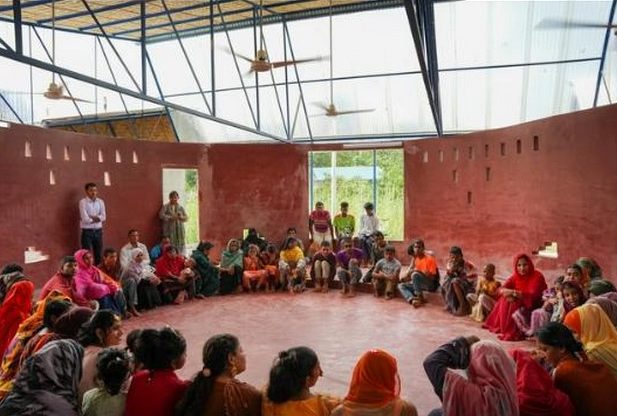
Community is more than a statistical category; it is a set of relationships that are rooted in shared spaces. Sociologists have defined community through the concepts of social capital, trust, and collective efficacy (Putnam, 2000). The physical environment is a conduit through which these relationships are actualised.
- Social Capital and Space
Spaces such as markets, parks, and community centres are interaction nodes. These spaces are designed in a way that determines who interacts and how. For example, the Sabarmati Riverfront project in Ahmedabad shows how the redevelopment of urban peripheries can create new public spaces, although there are controversies about the inclusivity and displacement effects.
- Liminal and Transitional Spaces
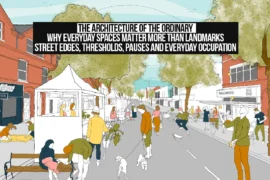
Liminal spaces, or spaces that exist between the private and public realms, are essential in integrating community into the physical environment. Verandahs, courtyards, and street frontages are semi-public spaces that facilitate informal social interactions. In Indian towns, these spaces facilitate social surveillance and support.
The significance of such spaces is evident in historic cities like Ujjain, where temple precincts, ghats, and bazaars operate as layered social environments. These spatial transitions support rituals, commerce, and daily life simultaneously.
- Historical Lessons: Community-Driven Environments
Historically, communities have collectively influenced their built environment. Vernacular architecture is rich with lessons for community-driven design and climate-resilient design.
- Vernacular Settlements
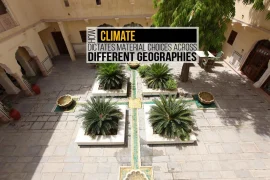
In Kutch and Kerala, traditional housing is adapted to climatic conditions and social organisation. The scale of the community, from personal spaces to shared areas, enables kinship ties and community activities.
- The Neighbourhood Unit
In the early twentieth century, Clarence Perry’s idea of the neighbourhood unit proposed organising residential areas around schools and community centres. Although modernist planning rigidly expressed this concept, the philosophy of proximity leading to social bonding remains valid.
- Jane Jacobs and Urban Diversity
In her book *The Death and Life of Great American Cities* Jacobs (1961) challenged the large-scale urban renewal projects that destroyed community bonds. Jacobs advocated mixed-use development and street-level activity as a means of creating a vital community. Her work is current in the placemaking movement.
Participatory Design and Community Engagement
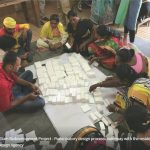
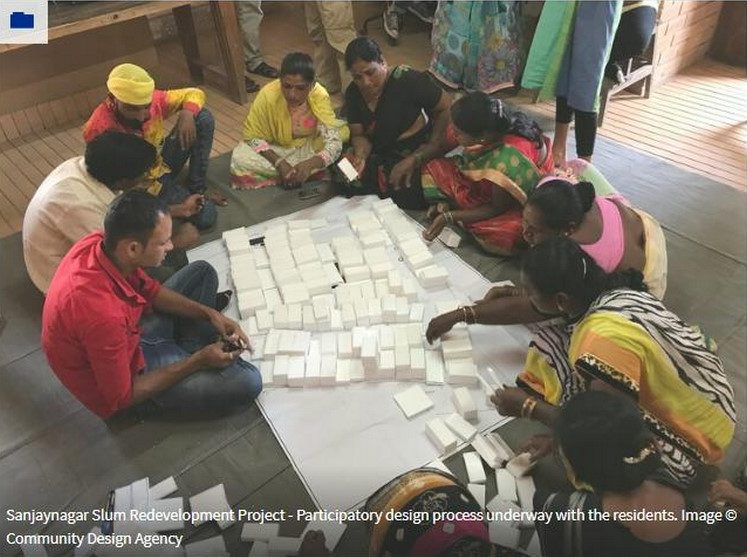
Incorporating community into the built environment demands inclusive processes. Participatory design allows residents to express their needs, desires, and cultural practices.
- Co-Design Methodologies
Design workshops, charrettes, and ethnographic studies allow designers to gain insight into experiences. In informal settlements, participatory mapping may uncover social infrastructure that is not considered in official plans.
- Case Study: Incremental Housing
Incremental housing projects based on participatory housing designs, such as those created by Alejandro Aravena, illustrate how incremental design enables residents to modify and customise their dwellings. This acknowledges the dynamic nature of the built environment, rather than treating it as static.
- Indian Context
Community-driven projects in Indian cities such as Hyderabad have demonstrated how community members can impact heritage conservation and street renewal. Community engagement ensures that projects do not forget cultural history but are also open to change.
- Public Space as the Fabric of Community
Public space is the most visible link between the community and the environment.
- Placemaking
Placemaking is a bottom-up approach to public space design to express local identity. Markets, events, and street art are used to create a sense of ownership.
- Parks and Well-being
Studies have shown that accessible green space is linked to better mental health and community cohesion. In high-density environments, small neighbourhood parks can act as critical community hubs.
- Waterfront Regeneration
Waterfront redevelopment schemes may aim to re-establish a connection between communities and natural environments. However, inclusivity should be the guiding principle for such projects to prevent socio-spatial exclusion.
Sustainability and Resilience
Integrating community into the built environment also supports sustainability. Community networks support resilience in emergencies by facilitating information sharing and resource access.
Climate-resilient design, renewable energy, and water-sensitive urban design practice support environmental sustainability. When communities are involved in these projects, there is greater stewardship.
Inclusivity and Universal Design
An inclusive built environment supports diverse age, ability, and socio-economic groups. Universal design practices support accessibility and dignity for all users.
Gender-sensitive planning acknowledges the role of safety, lighting, and visibility in women’s mobility. Child-friendly cities focus on playgrounds and pedestrian safety.
Technology and the Digital Layer
Digital technologies are transforming the built environment. Smart city projects promise efficiency, but should not neglect community needs in the pursuit of technology.
Digital tools can support participatory governance, allowing citizens to offer feedback and develop solutions.
Educational Implications
Architectural education needs to emphasise community engagement. Studio projects should combine fieldwork, community research, and social analysis.
Students need to learn to read about the built environment not only as form but also as experience.
Policy and Governance
Decentralised governance and transparent decision-making processes are important in building trust in the community.
It is recommended that city policies address mixed-use development, housing affordability, and transport to accommodate the required level of social diversity.
Built environments are not only reflective of communities but also shape them in significant ways.
Built environments can play an important role in strengthening relationships, fostering identity, and enhancing well-being when they are designed in consideration of their cultural, social, and environmental contexts.
On the other hand, they can also contribute to alienation when they are designed in response to economic and technological demands.
Weaving the community into the built environment requires interprofessional and ethical engagement.
Ultimately, the built environment must transcend its materiality to become a “living framework” for collective life in which streets are “stages” of interaction, buildings are “vessels” of memory, and public spaces are “arenas” of shared belonging.
References
Gehl, J. (2010). Cities for people. Island Press.
Jacobs, J. (1961). The death and life of great American cities. Random House.
Putnam, R. D. (2000). Bowling alone: The collapse and revival of American community. Simon & Schuster.
Rapoport, A. (1969). House form and culture. Prentice-Hall.
Roof, K., & Oleru, N. (2008). Public health: Seattle and King County’s push for the built environment. Journal of Environmental Health, 71(1), 24–27.
Weaving livelihoods in times of climate crisis: The role of rural youth-based collectives | Land Portal. (n.d.). Land Portal. https://landportal.org/blog-post/2025/12/weaving-livelihoods-times-climate-crisis-role-rural-youth-based-collectives
Gattupalli, A. (2024, September 3). Participatory Planning: Shaping Cities through Community Engagement. Arch Daily. https://www.archdaily.com/1009635/participatory-planning-shaping-cities-through-community-engagement
Participatory Design | Tag | Arch Daily. (n.d.). Arch Daily. https://www.archdaily.com/tag/participatory-design