Films have long been a form of entertainment for nearly 150 years. It is a human tendency to document or make one’s mark in the world; present in various forms, either through visual art, performing arts, literary arts, applied and decorative art, to name a few; among which cinema and film hold a position. Movies offer the possibility of delving into an alternate universe, experiencing a range of emotions, challenging one’s thought process, etc. A movie cannot be termed such without the initiation of an idea, a quick thought taking shape in one’s mind. It’s a narrative built around certain characters, a setting, daily observations, key events, past-present-future environments, etc. Consequently, for a movie to resonate with its viewers, certain factors play prominent roles in the process of making this form of entertainment.
How does one critique this form of creativity without losing out on the plot of it?
Surely, each viewer perceives a film differently, and for some who wish to voice their critique, it’s a way to reach out to avid film enthusiasts, inviting them to participate in the critique, share their opinions, or express their like-mindedness about the movie.
Basic Process of Filmmaking
Every film that arrives on screen originates from an idea. It is after this that individuals use various methods to iterate on these ideas, such as collecting catchy newspaper or magazine articles, jotting down a conversation they overheard, or noting the personalities of people on the street or of fascinating people they had met in person. The following are a few key essentials that help lead into the next step. (New York Film Academy, 2018)
Script
A script is where the story, setting, and dialogue are all put together into a sequence based on the characters, places and emotions one had in mind earlier. Constructing the scenes leading up to the movies’ plots allows a rough draft of the overall narrative to take shape. The script, though drafted, is often kept open to changes during the filmmaking process, as this allows actors to pitch ideas for improvising certain scenes or dialogues.
Storyboard
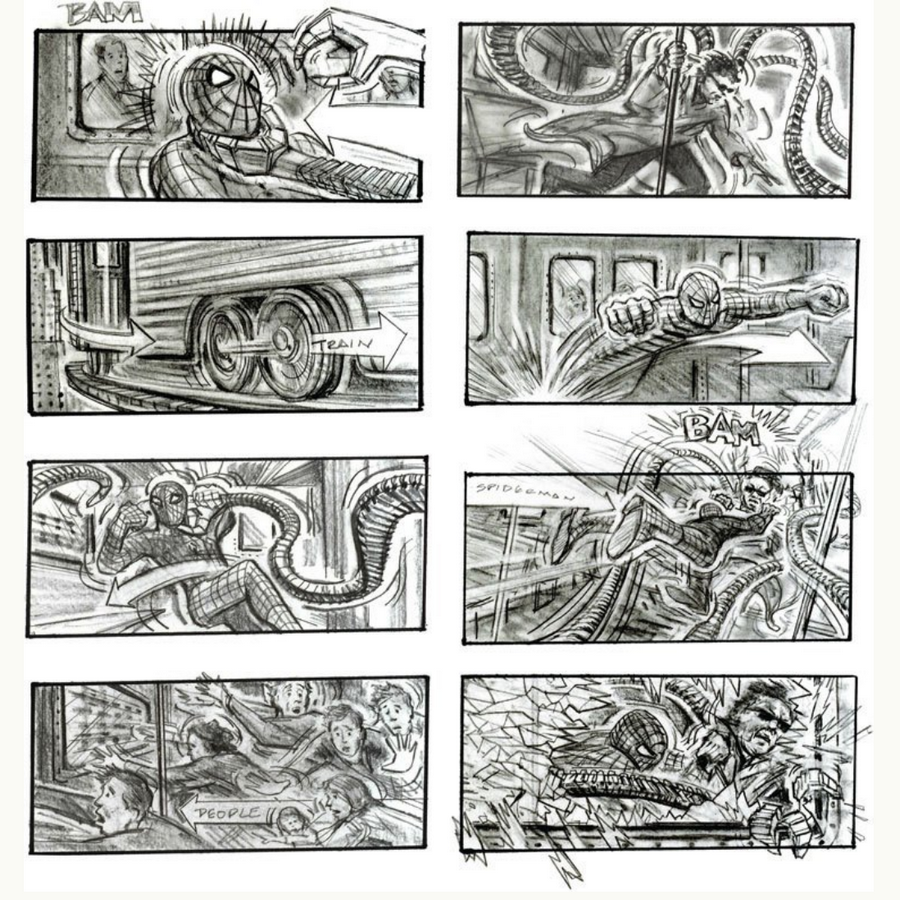
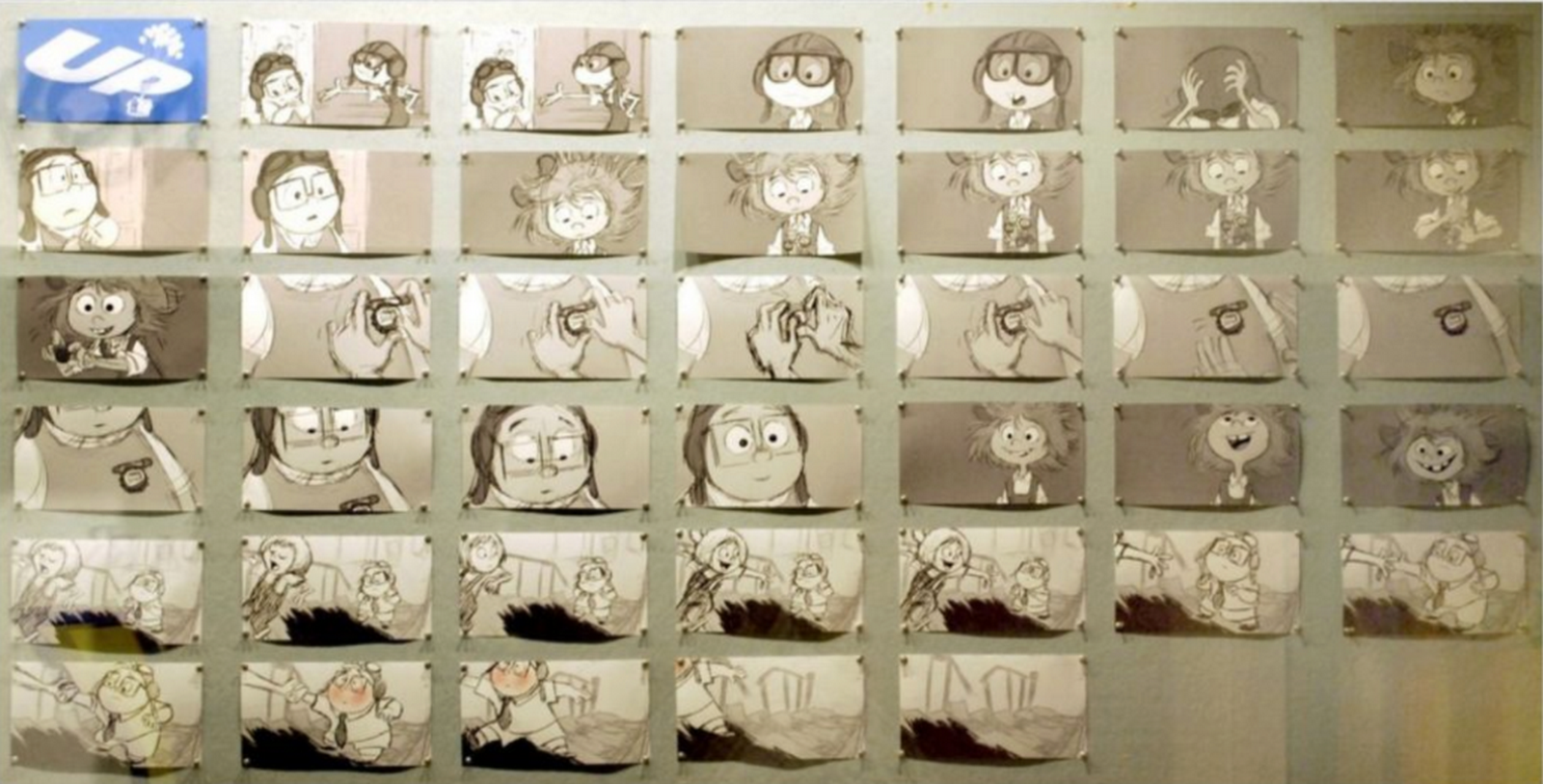
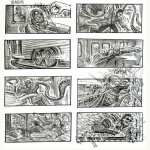
One of the critical aspects of filmmaking is storyboarding, which lets one plan shots visually in sequence. This process helps one carefully decide on the best camera angle, range of motion in the shot, proximity of characters, lighting, shot sizes, etc. Storyboarding helps communicate a movie’s plot through a visual medium, whether digital or hand-drawn.
Cast, Crew and Location
With a storyboard, script and ideas in hand, the team executing this sequence comes into picture. Constructing sets for the film is another creative endeavour, and having a strong crew to facilitate this eases the filming process. While choosing locations, they should also accommodate the cast and crew and allow the storyboard, scenes, and plot to take shape.
Filming and Post Production

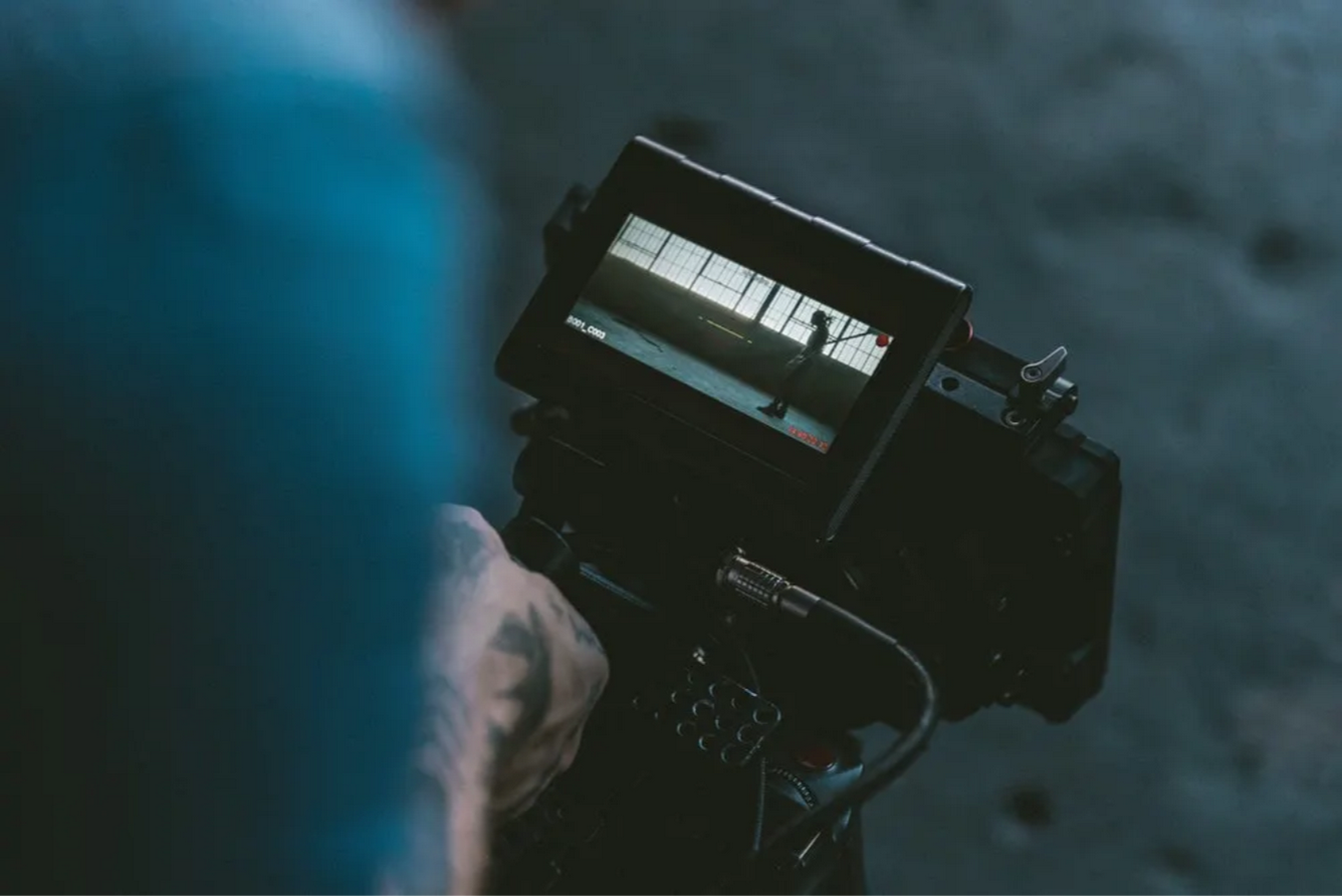
It all now comes down to filming the script, along with a precise schedule for each shot and its subsequent details. It is also here that the practicality of a scene is tested; in writing, the scene may be just a minute long, but in the final version, it tends to be more than an hour due to the preparations that go into making the shot.
Post-production is a stage that involves editing all the footage, producing a rough cut of the movie, and adding all the necessary effects, such as sound, music, visuals, and colour correction. Though time-intensive, this end process is what makes the results worth the while. (New York Film Academy, 2018)
Structuring the Critique of the Art
Once aware of the basic stages of filmmaking, structuring the critique of the art involves the following factors. It’s important to view the film multiple times and not fixate on an opinion on the first viewing, as this helps one surrender to the film’s raw experience.
While viewing the film a second time, it’s more effective to step back from the plot and begin observing the film’s focus elements. This observation can take the form of noting the film’s thematic content, as well as its editing, music, lighting, genre, and other elements. (Writing Studio, n.d.)
Process of Writing the Critique
Every film that arrives on screen originates from an idea. It is after this that individuals use various methods to iterate on these ideas, such as collecting catchy newspaper or magazine articles, jotting down a conversation they overheard, or noting the personalities of people on the street or of fascinating people they had met in person. The following are a few key essentials that help lead into the next step.
A strong introduction highlighting basic information about the film, such as the title of the film, the director’s name. It should draw attention to the central analysis one has chosen to focus on. This lays the foundation for one’s analysis by identifying the film’s genre and whether the director has chosen to focus on a combination of genres. (Dimitri, 2025) (Liat, 2025)
Director’s take and Casting
By diving into understanding their previous work, one can begin to outline the themes they might have explored along the way. The critique can also point out the director’s casting choices, noting how well their skills reflect the characters in the plot. Understanding the relation between the characters and the actors chosen to play them showcases the effort put into matching the written roles. (Dimitri, 2025)
Plot and Storyline
To better grasp the importance of the plot of a movie, here is a comparison drawn between an architectural marvel, a form of creativity and a film, another mode of creativity. Consider an architectural wonder which stands out due to its characteristic features, a reflection of its surroundings, culture, people, designer’s concept, etc. Now, this very structure can be perceived differently by its users, passersby, and designers. The point is that each individual has a different approach or perception of what catches their eye.
Similarly, one could begin their critique of a movie by examining the story’s development and the director’s approach to creating a structure for the film, which keeps viewers hooked in their seats.
(Liat, 2025)
Characters and Acting
How deep or well-researched a character is, speaks of the thought that has gone into choosing certain personalities to shape the character. Now this is where the cast matters to achieving the plot. A character written for a movie cannot fully come into being without the efforts of the individuals who play that role; their ability to breathe life into the character and evoke the necessary emotions in the audience.
Sound and Music
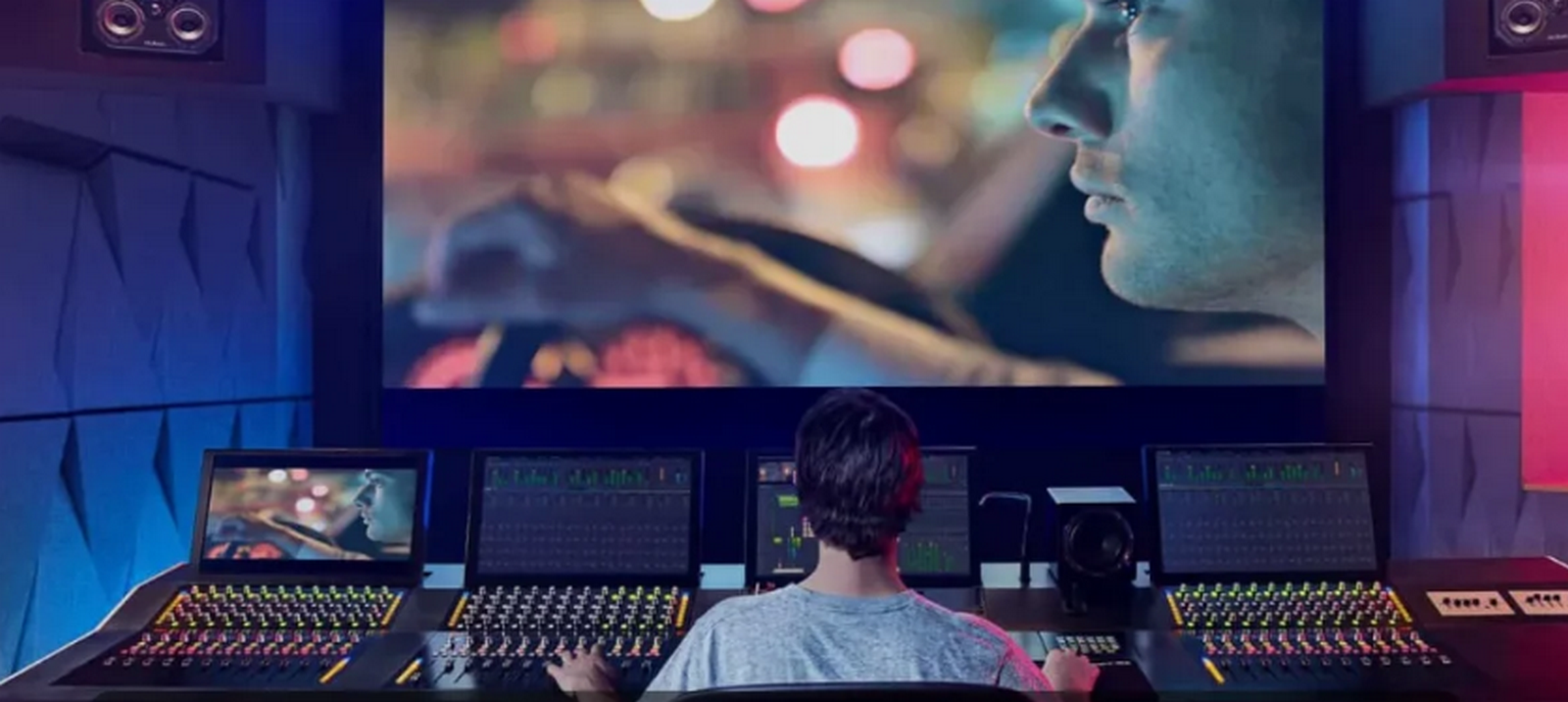
A movie doesn’t feel enthralling without the music or sound effects. These are elements that add to the overall tone and emotion of the plot. One could pinpoint the scenes in the movie where its use complements the overall visuals.
Since most readers may not have seen the film before, providing a plot summary without revealing too many details will spark just enough curiosity and help them grasp the film’s overall theme, tone, and feel. This can be followed by an analysis focusing on the core elements that go into making the film, which will eventually encourage readers to either watch the movie or refrain from doing so, depending on how the critique is structured around the plot. How one structures the above depends entirely on the chosen central approach to the critique. (Liat, 2025)
Films are one of the areas that draw attention to the multiple elements that individuals are constantly surrounded by, but sometimes forget about their presence and meaning in their lives. Serving as a platform to showcase and throw light on unique perspectives and skills, key events, be it crime, history, psychological disorders, dystopian settings, or places of travel and its related culture; films offer individuals a chance to develop perceptions on these aspects, have discourses on the many questions in their mind, and be reminded of what it means to truly experience life to its fullest.
Forming a compelling critique of films without losing sight of the plot ensures that discourses take place, whether at workplaces, in residences, or in public spaces, and enables multiple fields to collaborate on their ideas and techniques to build a better version than yesterday.
- Online sources
Citations for websites:
Dimitri (2025). Mastering the Art of Film Critique: A Guide to Intelligent Analysis – Eye On Films. [online] Eye On Films. Available at: https://eyeonfilms.org/mastering-the-art-of-film-critique-a-guide-to-intelligent-analysis/ [Accessed 13 Feb. 2026].
Liat, N. (2025). MASTERING THE ART OF MOVIE REVIEW ESSAYS: A COMPLETE GUIDE TO WRITING WITH IMPACT – Stage and Cinema. [online] Stage and Cinema. Available at: https://stageandcinema.com/2025/01/08/mastering-the-art-of-movie-review-essays/ [Accessed 13 Feb. 2026].
New York Film Academy (2018). Student Resources. [online] Student Resources. Available at: https://www.nyfa.edu/student-resources/the-beginners-guide-to-the-filmmaking-process/ [Accessed 13 Feb. 2026].
Reich, J. (2017). 3. What Are the Mechanics of Story and Plot? [online] Geneseo.edu. Available at: https://milnepublishing.geneseo.edu/exploring-movie-construction-and-production/chapter/3-what-are-the-mechanics-of-story-and-plot/ [Accessed 13 Feb. 2026].
Taylor, E. (2024). Evolution Of Filmmaking | How To Make A Film In The 21st Century. [online] Boiling Point Media. Available at: https://boilingpointmedia.com/blog/from-silent-movies-to-modern-day-blockbusters-the-timeline-of-film-evolution/ [Accessed 13 Feb. 2026].
Writing Studio, D. (n.d.). Film Review. [online] Duke University . Available at: https://twp.duke.edu/sites/twp.duke.edu/files/file-attachments/film-review-1.original.pdf [Accessed 13 Feb. 2026].
- Images/visual mediums
Citations for images/photographs – Print or Online:
ankesh (2022). The Science of Filmmaking. [online] RV University. Available at: https://rvu.edu.in/the-science-of-filmmaking/ [Accessed 13 Feb. 2026].
Mission (2018). 12 Rules of Directing. [online] Medium. Available at: https://medium.com/the-mission/12-rules-of-directing-c14c6e34da4d [Accessed 13 Feb. 2026].
Leighfield, L. (2019). The best 28 storyboard examples | Boords. [online] Boords.com. Available at: https://boords.com/storyboard-examples [Accessed 13 Feb. 2026].
LTM Creation (2025). The Hidden Power of Post-Production in Filmmaking – ltmcreation. [online] ltmcreation. Available at: https://ltmcreation.com/the-hidden-power-of-post-production-in-filmmaking/ [Accessed 13 Feb. 2026].