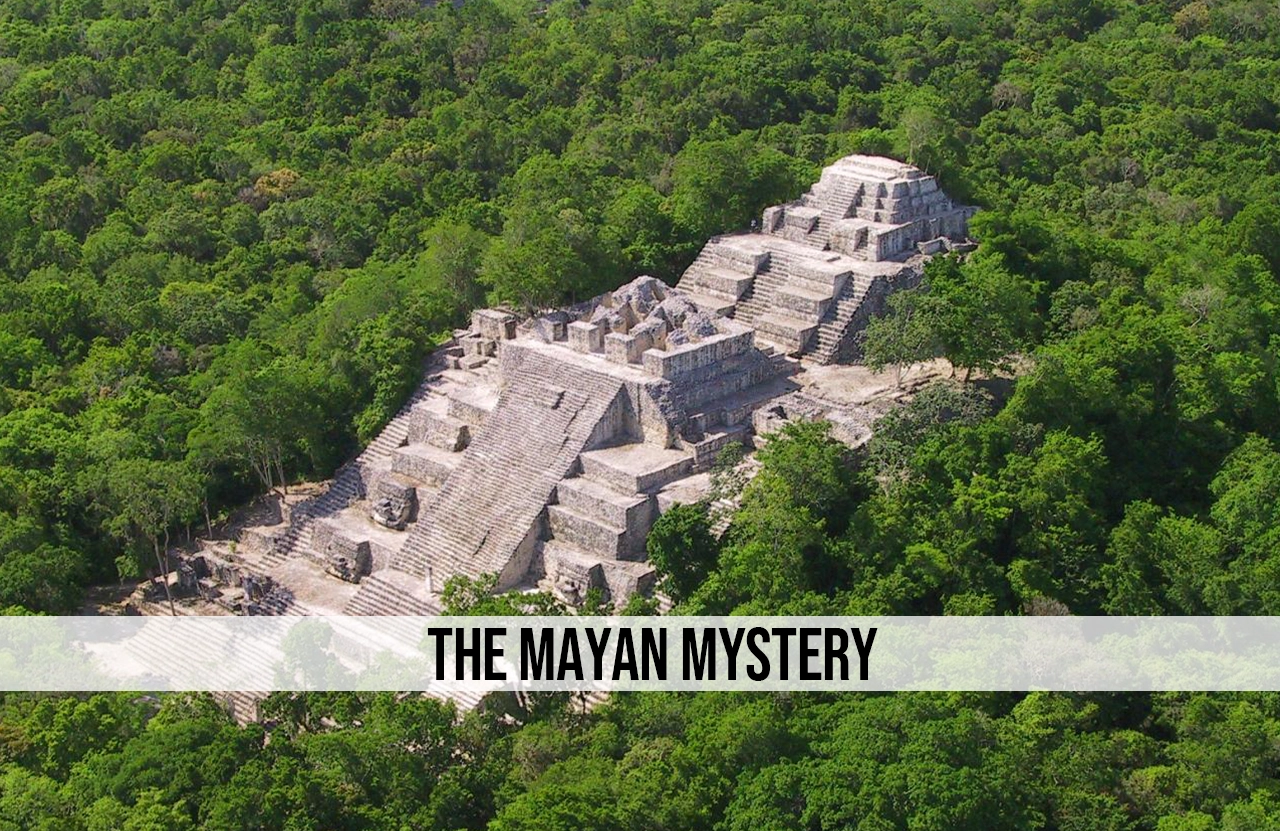
Historical significance of Maya Civilisation
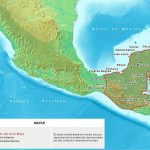
The Maya Civilisation was a prehistoric Mesoamerican society of indigenous people, dated between 2000 BC and 1697 AD. They were known for advanced systems of writing, art, astronomy, mathematics and architecture located across modern-day Mexico, Guatemala, Belize, and Honduras. The use of hieroglyphs on buildings and monuments encourages archaeologists to dive deeper into the mystery of this advanced civilisation, who were fond of astronomy and celestial cycles. They created elaborate calendar systems linked to religious life. They also created some of the tallest man-made structures in Mexico; the monumental scale of pyramids adorned with sculptures and symbolic imagery showcases this once-flourishing dynasty in Central America.
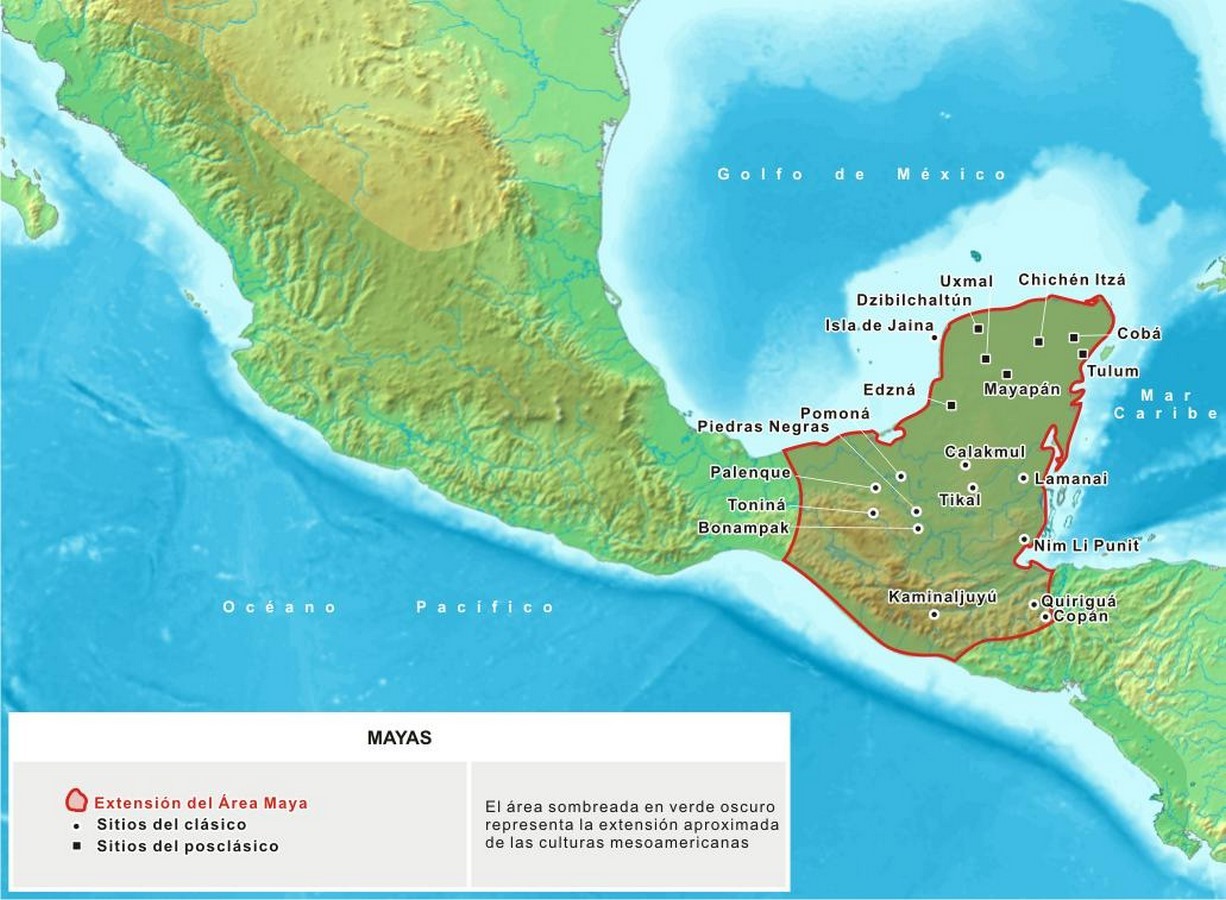
Archaeologists Discovering Mayan Ruins
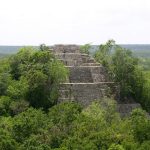
Mayan Ruins have been a topic of interest among archaeologists and discoverers. Some of the prominent sites include Chichén Itzá (Yucatán), famous for El Castillo pyramid and other ceremonial buildings; Palenque, Coba, Calakmul and Sakt zi. They are famous among tourists for monumental stepped pyramids, temple tombs and detailed sculptures silently telling the stories of this lost era. Mayan ruins provide an insight into an exceptionally advanced and long-lasting civilisation that abruptly collapsed; the rise and fall of the Maya can also offer critical lessons on sustainability, climate change and urban development.
Outside Mexico, one of the greatest ancient Maya cities is Tikal (Guatemala), known for its huge pyramids and plazas. Studies have shown their technical advancement in agriculture like water management systems and farming terraces, as well as their understanding of climatic conditions. The change in environment and subsequent drought could be some of the leading factors for the end of Maya civilization, teaching alarming lessons to modern-day society. Around 900 AD, a sudden collapse was seen, offering insights into social and political aspects leading to the fall of a complex society.
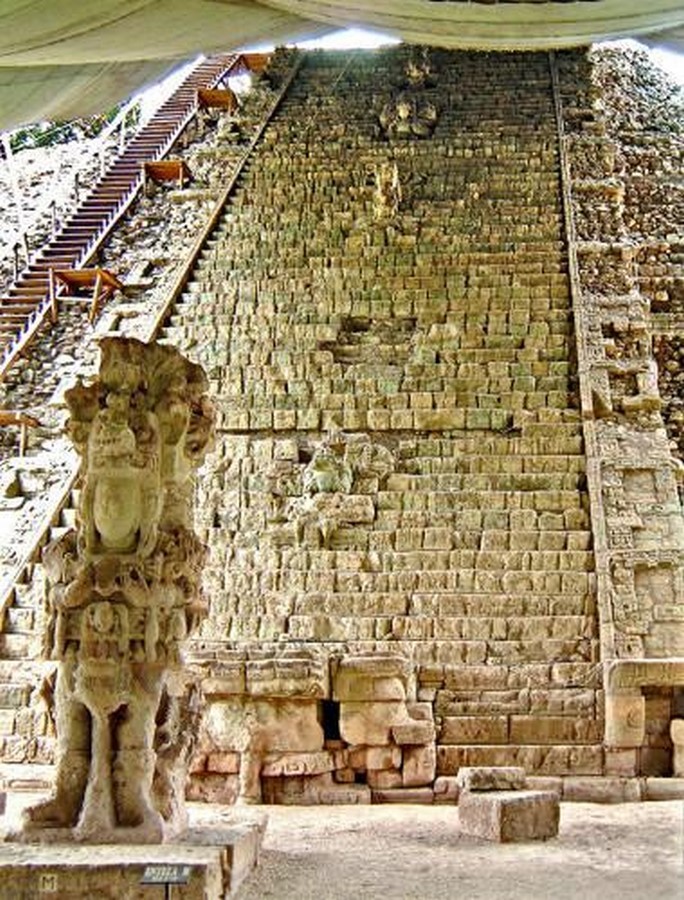
The sculptures and hieroglyphs inscribed on building blocks offer a wealth of information about their history and belief systems. Archaeologists work to preserve these sites, which are vital to Central America’s heritage and the past of their indigenous population.
Beyond pyramids, the researchers are also fascinated by the infrastructure built by the Mayan people, including causeways, reservoirs and canals without using heavy machinery, raising curiosity on technological advancements of the past.
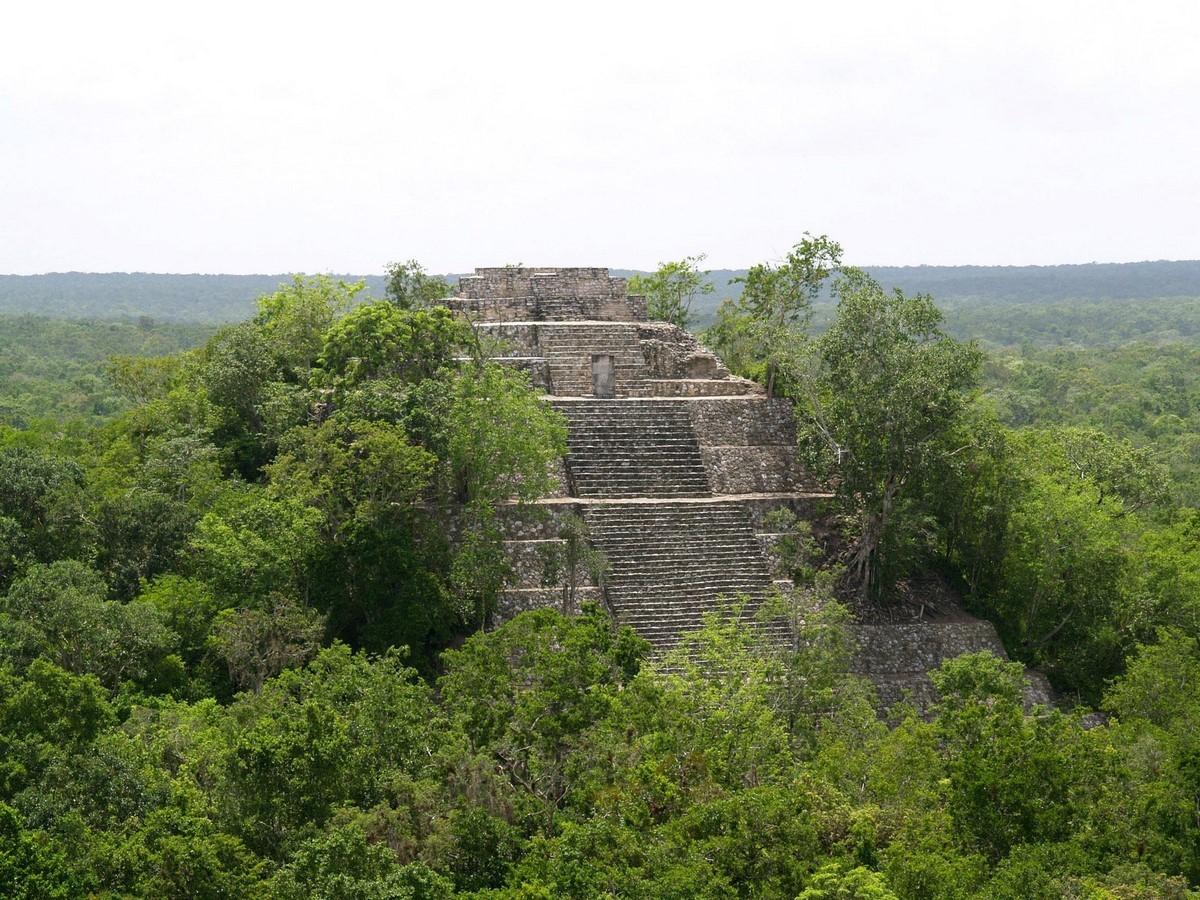
New technological advancement aiding historical rediscovery
One of the key challenges for archaeologists was studying the ruins without meddling with them. Analysing the arrangement of building blocks was difficult without twisting and turning them. This exercise wasn’t in the best interest of preserving the ruins, hence archaeologists desperately needed non-invasive methods to study the samples better.
Modern technology, particularly LiDAR (Light Detection and Ranging), has revolutionised this field, uncovering thousands of hidden structures and revealing that the Maya civilisation was far more densely populated and interconnected than previously understood. Archaeologists discovered houses, palaces, elevated highways, and defensive fortifications, pointing out that they were “megalopolises” hidden beneath a natural canopy of dust and nature.
Another modern tool called GPR (Ground Penetrating Radar) is used to detect buried foundations, tunnels and burials, throwing important light on urban planning and growth structure of the ancient cities. The advancement in research through the use of these modern tools can offer important insight into urban, social and economic growth patterns of these ancient cities.
3D printing replicas aiding the Mayan Ruins
3D printing, also called additive manufacturing, is a process of creating a physical object by building it layer by layer from a digital 3D model. In archaeology, the digital model is usually created using photogrammetry, laser scanning and LiDAR data. This technology is not used to replace the original artefact, but to study it, without damaging the original fragile artefacts. These 3D printed replicas provide an exact duplicate of the original, which could be twisted and turned more freely without the fear of destroying evidence of the past. This helps to better understand the structural and architectural techniques behind the gigantic monuments. It’s almost like reverse engineering, where researchers play a vital role in understanding the possible thought process and technique behind the construction of these pyramids and other structures.
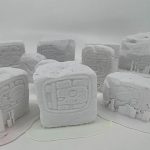
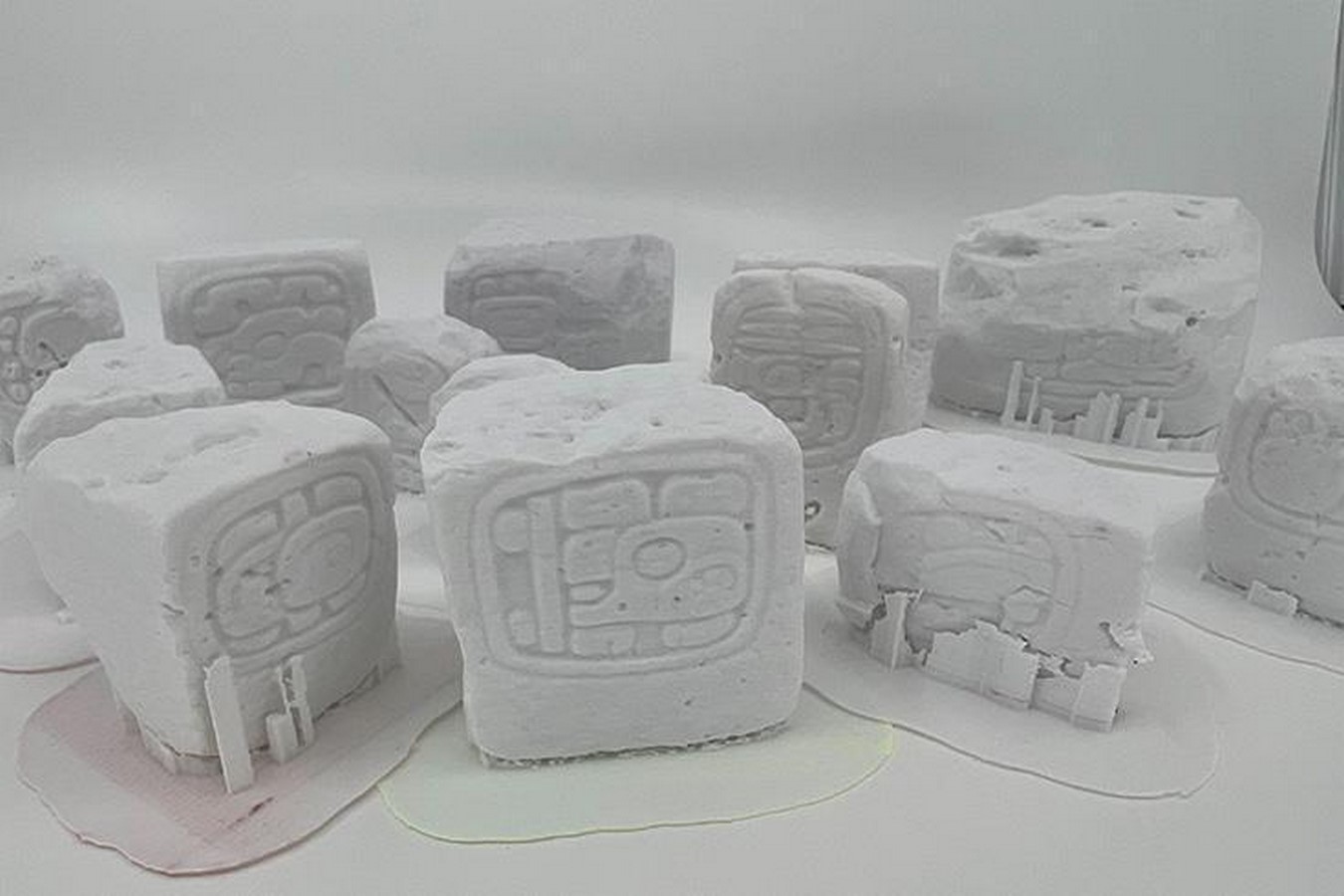
Archaeologists print lightweight replicas of carved stones, glyph blocks or architectural fragments. Without handling heavy originals or transporting them from their original site, these replicas could be circulated and analysed across different parts of the world. One of the prominent topics of interest in Mayan civilisation was their stone inscriptions. These writings were mismatched and jumbled in various sites, which researchers, with the help of printed replicas, can now reassemble like puzzles. This practice can provide important insights from the past, helping us better understand the lifestyle and beliefs of the Maya civilisation. From a conservation point of view, 3D printed replicas provide the flexibility of rigorously studying the artefacts before even touching the original ruins.
These replicas also provide an opportunity to educate young generations and help them connect better to their history.
Casestudy
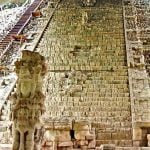
One such casestudy is the Hieroglyphic stairway blocks, Maya Lowlands in Quintana Roo, Mexico. The Glyphic stone blocks were 3D scanned and documented. The idea was to make a point cloud based on the scanned data, which was converted into a low-poly model. After several scans and point cloud data, a high-poly model was formed, which gave a digital model of the original artefact. This process also aids in effectively documenting the heritage for future generations. Once a digital 3D model was generated, an exact 3D replica was produced on a smaller scale for the ease of handling and model-making. Researchers physically tried and tested the replicas to study the narrative order, historical events and architectural placement. These 3D printed replicas played a crucial role in aiding this study, which was otherwise impossible to carry out due to sheer scale of the original artefacts. Also, it protected the fragile limestone blocks from further chipping away.
The Mayan Mystery
The Maya civilisation of Mesoamerica continues to surprise the world with its ancient wonders, hidden beneath the dense jungle and coastal cliffs. They hold extraordinary knowledge of human civilization spread across architecture, astronomy, mathematics and ritual life, while many aspects of Maya society remain unresolved. For example, the true meaning of the carved glyphs and the extensive urban networks still holds deep mysteries beneath their stone surfaces.
Modern archaeology seeks not to erase this mystery, but to approach it with care and respect. Technologies such as 3D scanning and 3D-printed replicas have become powerful tools in this effort. Rather than rebuilding or altering the ruins, these methods allow researchers to study fragile structures, test restoration strategies, and interpret inscriptions without placing the original monuments at risk. By creating accurate replicas, archaeologists gain the freedom to explore possibilities while preserving the authenticity of the past.
As science advances and discoveries emerge, the Mayan ruins remain both a puzzle and a legacy, reminding us that even with our most advanced technologies, the past still speaks in whispers, inviting curiosity, humility, and wonder.
References:
Wikipedia Contributors. “History of the Maya Civilization.” Wikipedia, Wikimedia Foundation, 20 Sept. 2019, en.wikipedia.org/wiki/History_of_the_Maya_civilization.
“Ruinas Mayas de Chichén Itzá | El Castillo | El Caracol | Chichén Itzá.” Chichenitza.com, 2026, www.chichenitza.com/es/ruinas-mayas?utm. Accessed 4 Feb. 2026.
Wikipedia Contributors. “History of the Maya Civilization.” Wikipedia, Wikimedia Foundation, 20 Sept. 2019, en.wikipedia.org/wiki/History_of_the_Maya_civilization.
Wikipedia Contributors. “History of the Maya Civilization.” Wikipedia, Wikimedia Foundation, 20 Sept. 2019, en.wikipedia.org/wiki/History_of_the_Maya_civilization.
“File:Mayas.png – Wikimedia Commons.” Wikimedia.org, 23 Nov. 2006, commons.wikimedia.org/wiki/File:Mayas.png?uselang=es#/media/File:Mayas.png. Accessed 4 Feb. 2026.
Wikipedia Contributors. “History of the Maya Civilization.” Wikipedia, Wikimedia Foundation, 22 July 2025.
“3D Printing Mayan History with the Glyph Block Project.” Brandeis.edu, 2022, www.brandeis.edu/library/about/news/articles/3d-mayan-blocks.html. Accessed 4 Feb. 2026.
Heyworth, Robin. “Copán: The Hieroglyphic Stairway – a Scrambled Lineage.” Uncovered History, 30 July 2014, uncoveredhistory.com/honduras/copan/copan-the-hieroglyphic-stairway-a-scrambled-lineage/.