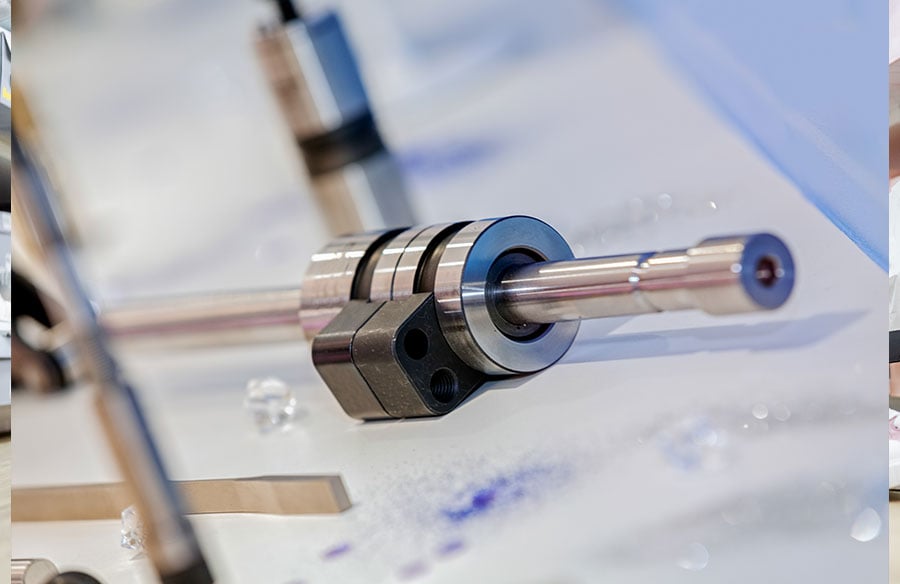
In printing and converting operations, creating consistent high quality is a competitive necessity. One of the key contributors to excellent print and die-cut performance is precision rotary tooling. These highly engineered tools play a pivotal role in every phase of printing and converting, ensuring that materials are processed accurately, consistently, and with minimal waste.
Precision rotary tooling refers to the tools and components that interact directly with substrates during high-speed rotary operations. Because these tools must maintain exact specifications under demanding conditions, their precision directly influences how well a press performs, how cleanly materials are cut or printed, and how consistent the end product appears. High-quality tooling delivers tighter tolerances and smoother interactions with the material, which translates to better overall print quality.
Consistent Registration and Accurate Reproduction
One of the biggest challenges in high-speed printing is maintaining consistent registration, the alignment of print elements across a roll or web. Slight deviations in tooling dimensions can cause color shifts, blurry images, or uneven borders, all of which undermine the visual impact of the finished product. Precision rotary tooling ensures that tools such as impression rollers, print cylinders, and dies are machined and maintained to exact specifications. This level of accuracy helps presses reproduce designs faithfully from start to finish, even on long runs or complex layouts, resulting in crisp, repeatable prints.
Reduced Material Waste and Fewer Defects
When tooling is manufactured and sharpened with precision, the fit and interaction between components and substrates improve significantly. This matters because close tolerances reduce misfeeds, miscuts, and material distortion. Accurately engineered rotary tooling minimizes friction, ensures even pressure distribution, and helps substrates advance smoothly through rotary presses and converting machinery. As a result, waste rates decline and more perfectly finished product comes off the line, improving efficiency and lowering production costs.
Enhanced Durability and Tool Life
Another benefit of precision tooling is its endurance under load. High-quality rotary tools are often crafted from premium steels and processed through advanced hardening and machining techniques. These steps ensure that tools retain their shape and sharpness for longer periods, reducing the frequency of tool changes and press downtime. Tools that wear evenly and predictably also produce more consistent results throughout their service life, preventing quality variations that can occur as tooling ages.
Optimized for High-Speed Operations
In many printing environments, speed and quality must go hand-in-hand. Precision rotary tooling not only enhances quality, it also supports high-speed production by reducing vibration and mechanical stress that commonly occur at greater throughput rates. Tools that are carefully balanced and manufactured to tight tolerances allow presses to run faster with fewer stoppages or adjustments, all while maintaining the fidelity of print and cut.
Conclusion
Print quality is influenced by many factors, but tooling often acts as the foundation upon which all others depend. Precision rotary tooling ensures that the mechanical aspects of printing and converting operate flawlessly, enabling sharper images, cleaner cuts, and more consistent outputs. Investing in high-quality, precisely engineered tooling not only elevates the visual and functional quality of printed products, it also enhances production efficiency, reduces waste, and supports long-term operational success. In a market where quality differentiates leaders from followers, precision tooling is a competitive advantage.