The Indian landscape of Architecture has historically evolved through climate-sensitive planning, local materials, cultural practices, and regional craftsmanship. From courtyard houses and temple complexes to stepwells and street-oriented settlements, architecture in India emerged as a direct response to place and people. However, contemporary urban development increasingly reflects global design trends, often mirroring architectural expressions seen in foreign countries. Glass façades, international styles, and standardised typologies dominate city skylines today. This growing visual similarity raises concerns about identity, relevance, and sustainability, prompting a critical inquiry into whether the Indian landscape of Architecture is losing its contextual roots in the pursuit of global modernity.
Globalisation and Changing Architectural Aspirations
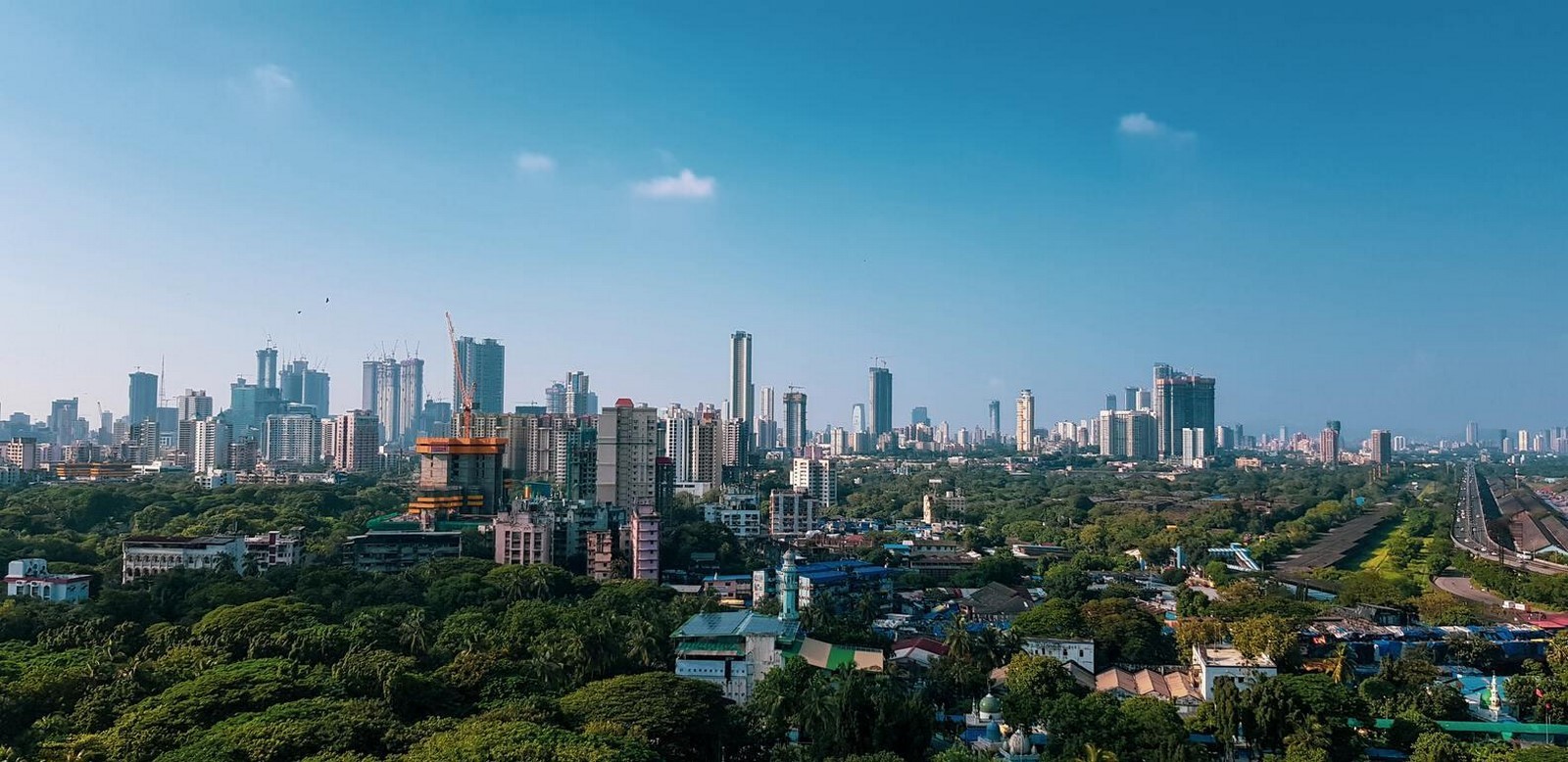
The influence of globalisation has significantly reshaped the Indian landscape of Architecture over the past few decades. Increased exposure to international media, global travel, and digital platforms has altered perceptions of what is considered modern, aspirational, and successful. Architectural styles from Europe, North America, and East Asia are frequently adopted in Indian cities as symbols of progress and global relevance.
Developers often equate foreign aesthetics with economic growth and urban sophistication. As a result, architectural forms are increasingly driven by visual appeal rather than contextual performance. While global exposure has expanded design possibilities, the uncritical replication of foreign models often disregards India’s climatic conditions, social patterns, and cultural diversity. This shift reflects a broader transformation where architecture becomes an image-led product rather than a context-driven solution within the Indian landscape of Architecture.
Homogenisation of Urban Skylines
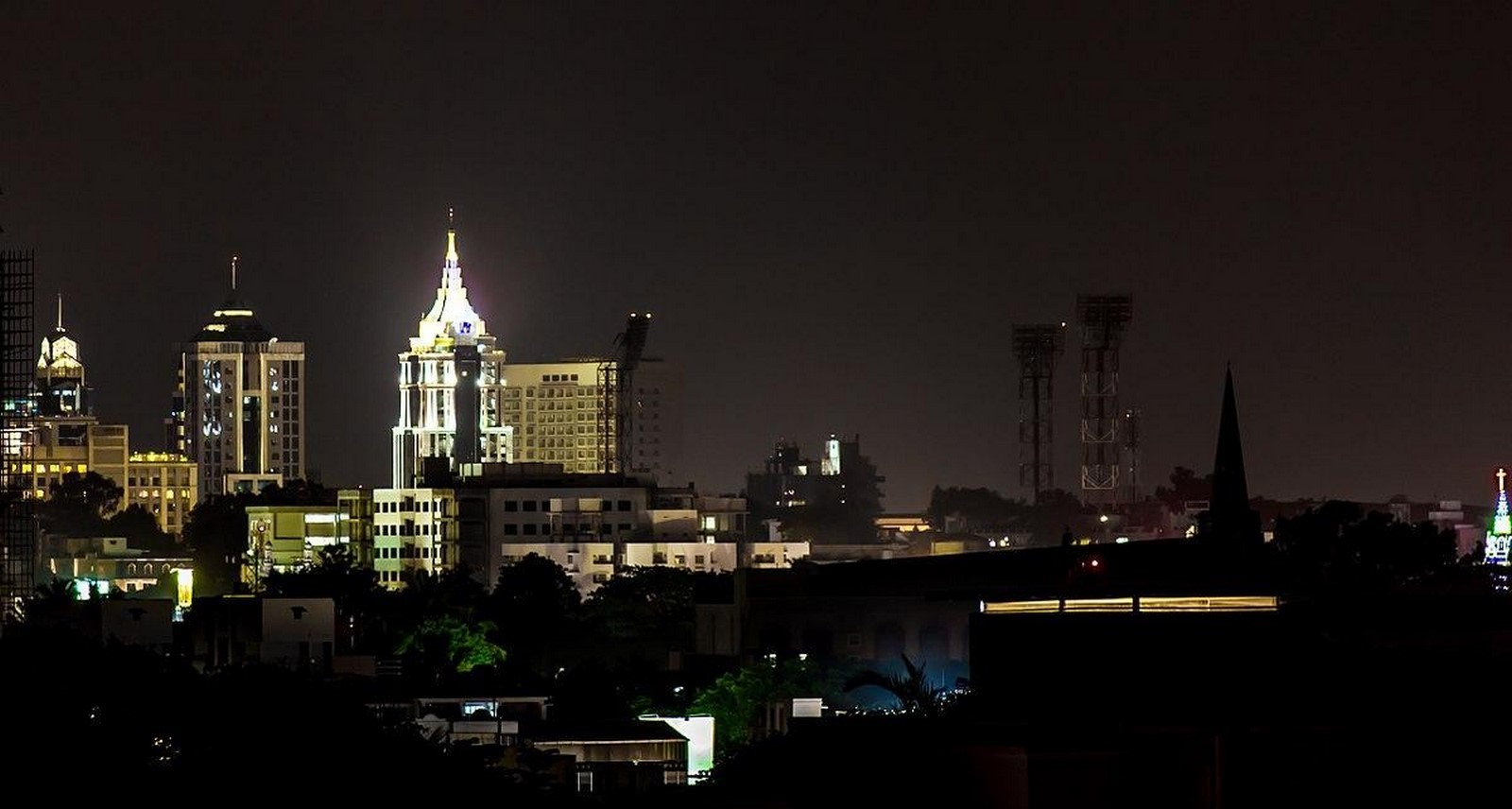
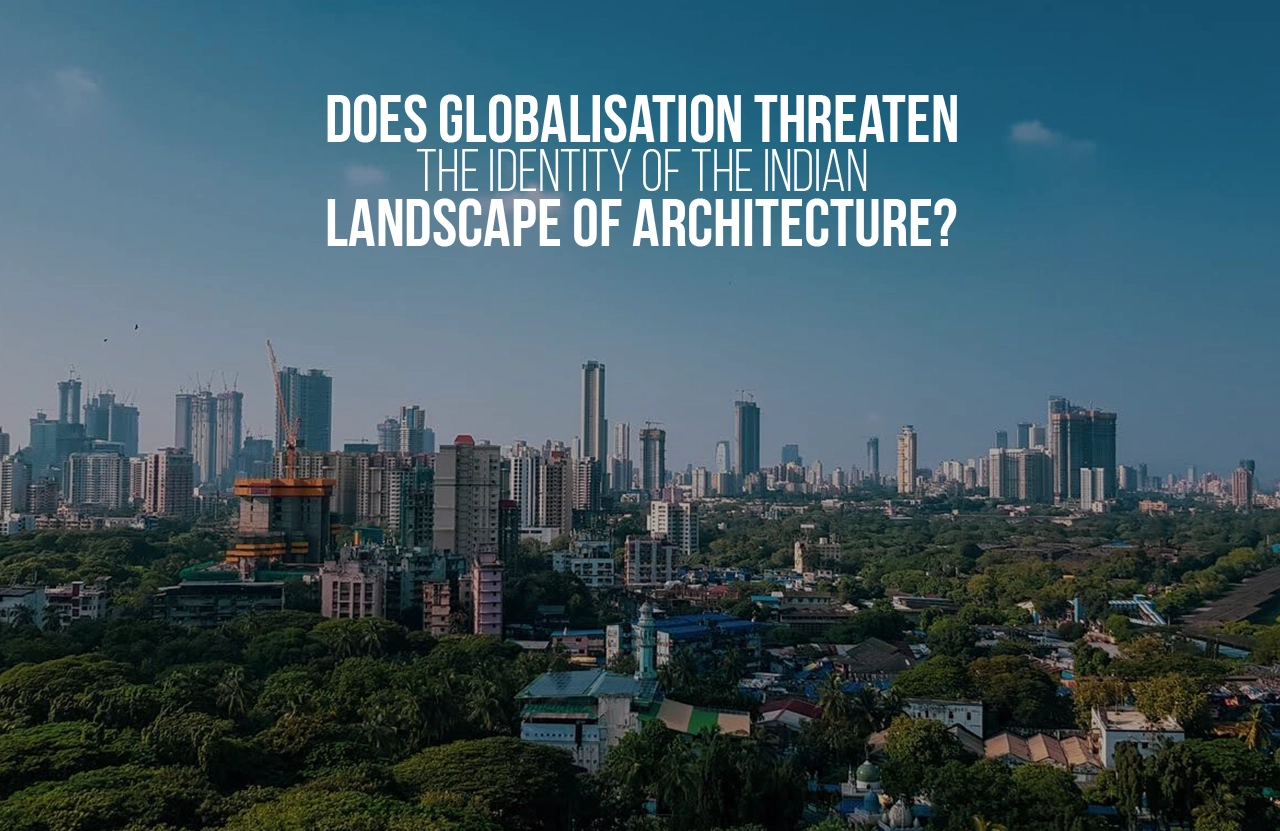
A noticeable consequence of global influence is the homogenisation of Indian cities. Whether in Bengaluru, Gurgaon, Hyderabad, or Pune, commercial and residential developments often appear visually similar. Curtain-wall façades, high-rise office blocks, and gated residential enclaves dominate urban growth corridors. This visual repetition diminishes regional identity and erases distinctions that once defined the Indian landscape of Architecture.
Historically, architecture across India varied significantly due to differences in climate, materials, and lifestyle. Today, standardised construction systems and imported design templates override these regional nuances. Buildings designed for temperate climates are replicated in tropical conditions, leading to increased energy consumption and discomfort. The loss of architectural diversity not only impacts visual identity but also undermines the environmental efficiency of the Indian landscape of Architecture.
Decline of Climate-Responsive Design
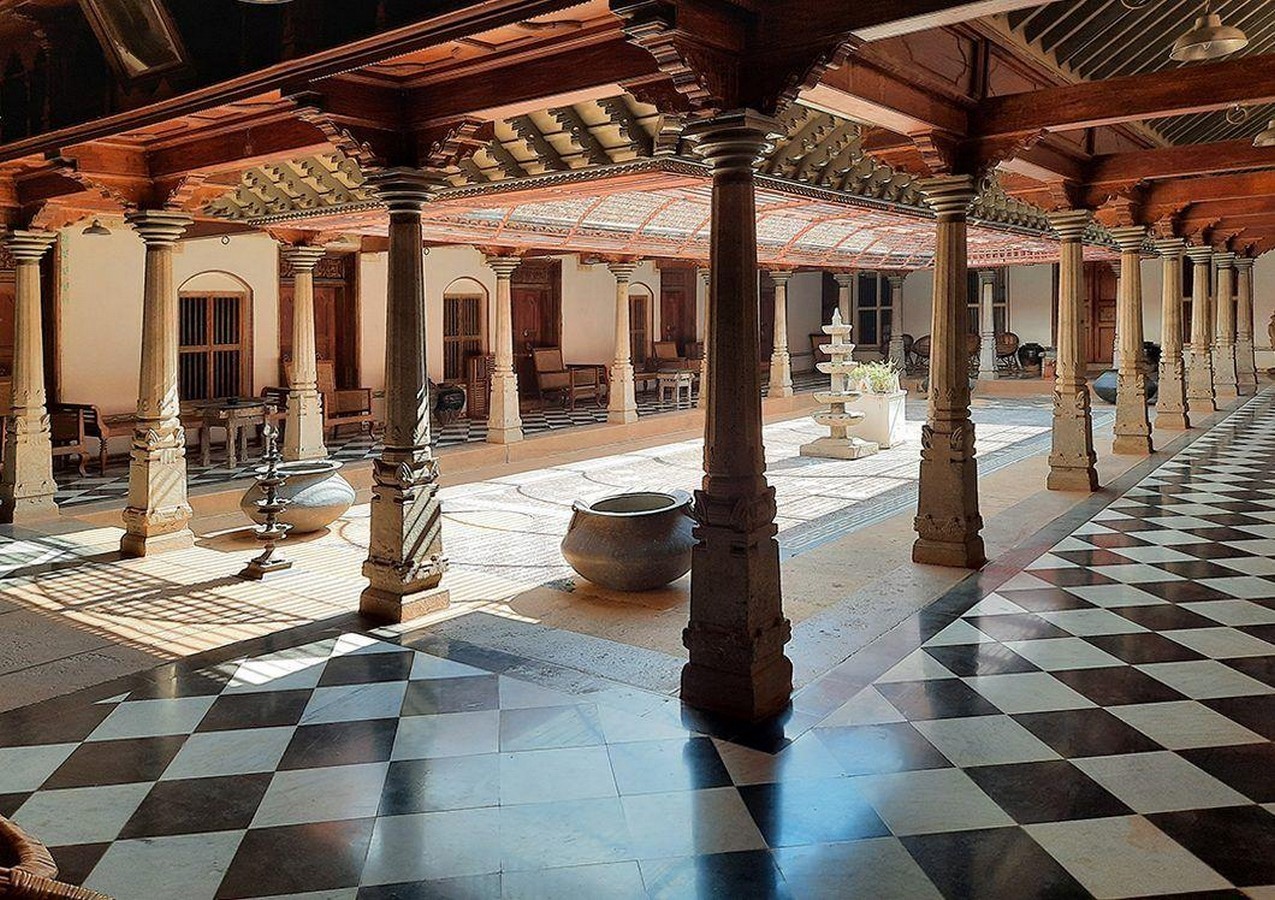
Traditional Indian architecture evolved through centuries of climatic understanding. Features such as courtyards, verandahs, jaalis, thick walls, and shaded streets moderated heat and facilitated natural ventilation. These strategies reduced dependence on mechanical systems while enhancing comfort. Such principles formed the backbone of the Indian landscape of Architecture.
In contrast, many contemporary buildings inspired by foreign precedents neglect climate responsiveness. Fully glazed façades, sealed interiors, and imported materials dominate modern developments. These design choices increase reliance on air-conditioning and artificial lighting, resulting in higher energy consumption. The shift away from climate-sensitive design highlights how imitation of foreign architecture can weaken the environmental performance of the Indian landscape of Architecture.
Cultural Identity and Spatial Expression
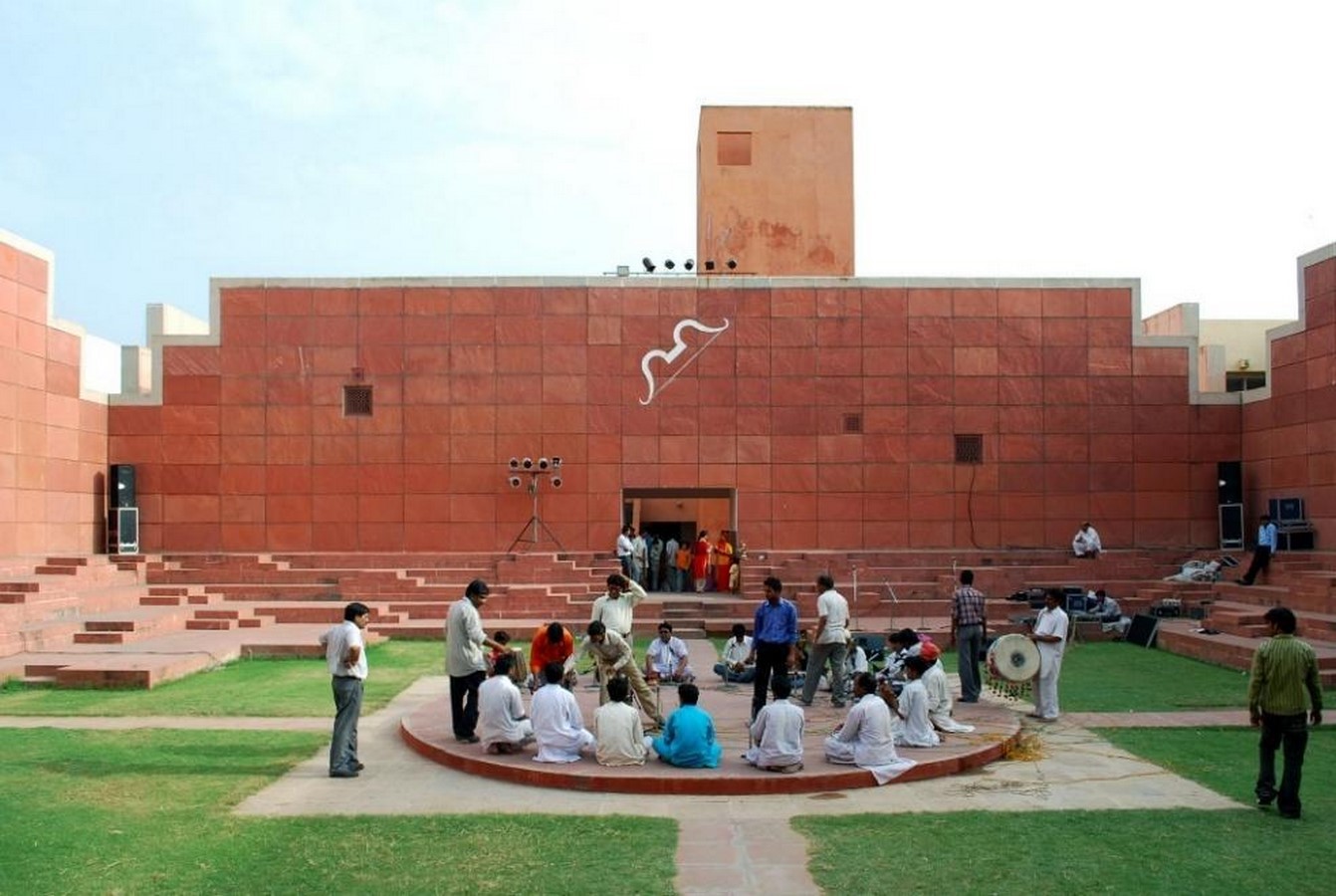
Architecture serves as a reflection of cultural values and social relationships. Traditional Indian settlements encouraged interaction through shared courtyards, streets, temples, and markets. Spaces were designed to support collective life and daily rituals. The Indian landscape of Architecture was deeply intertwined with social structure and cultural expression.
Contemporary developments, however, increasingly prioritise privacy, exclusivity, and inward-looking layouts. Gated communities and isolated towers, often inspired by global models, replace socially active public realms. This shift alters how communities interact and weakens cultural continuity. As architecture becomes more detached from everyday social practices, the Indian landscape of Architecture risks losing its role as a cultural framework rather than merely a built form.
Market-Driven Design and Developer Influence
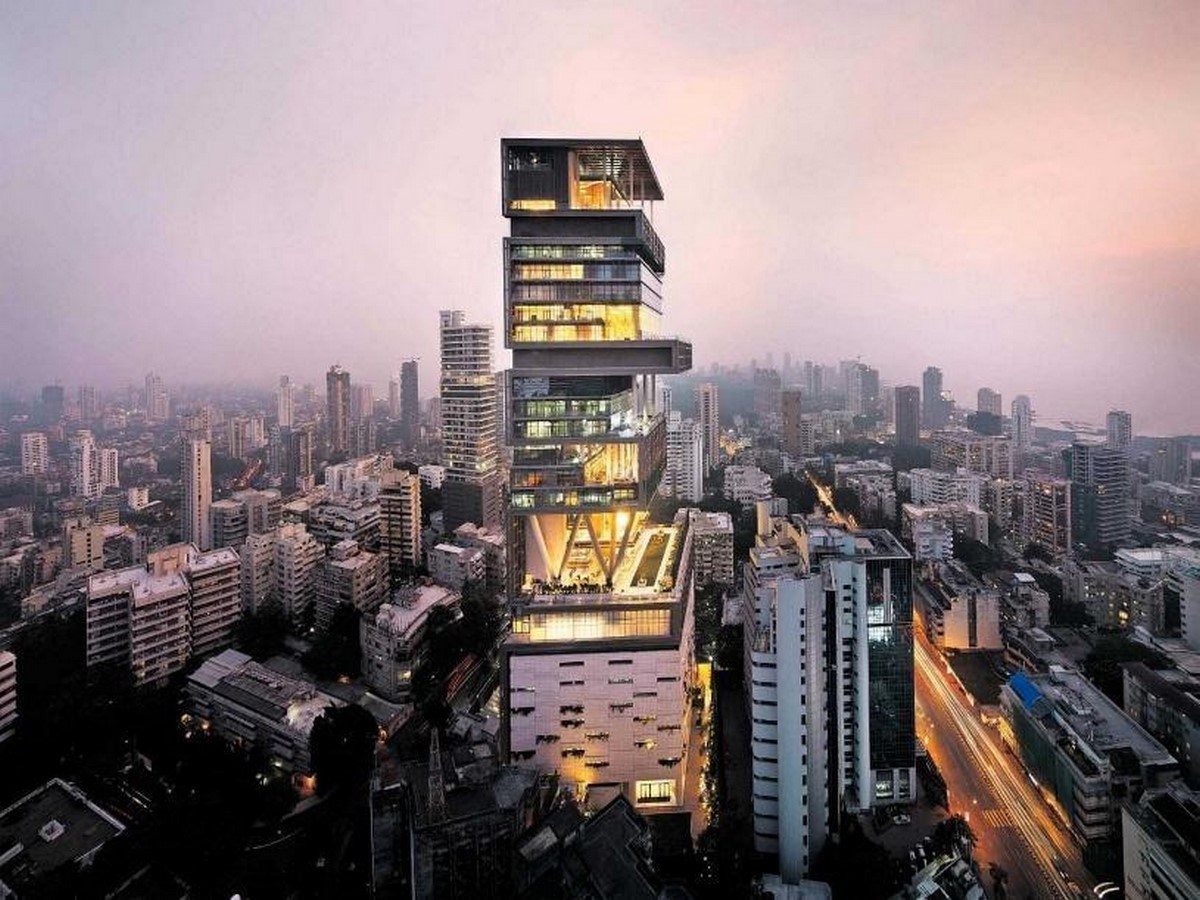
Real estate development plays a dominant role in shaping the Indian landscape of Architecture today. Market-driven priorities such as speed, profitability, and branding often dictate design outcomes. Foreign architectural imagery is commonly used to project luxury, exclusivity, and global living standards. Project names, façades, and promotional visuals frequently borrow from international references.
This approach often limits architectural experimentation rooted in local context. Architects operate within constraints imposed by commercial expectations, leaving limited room for culturally or climatically responsive design. When architecture is reduced to a marketable product, the Indian landscape of Architecture becomes vulnerable to superficial replication rather than meaningful innovation. This trend raises ethical questions about professional responsibility in shaping future urban environments.
Reinterpreting Tradition in Contemporary Practice
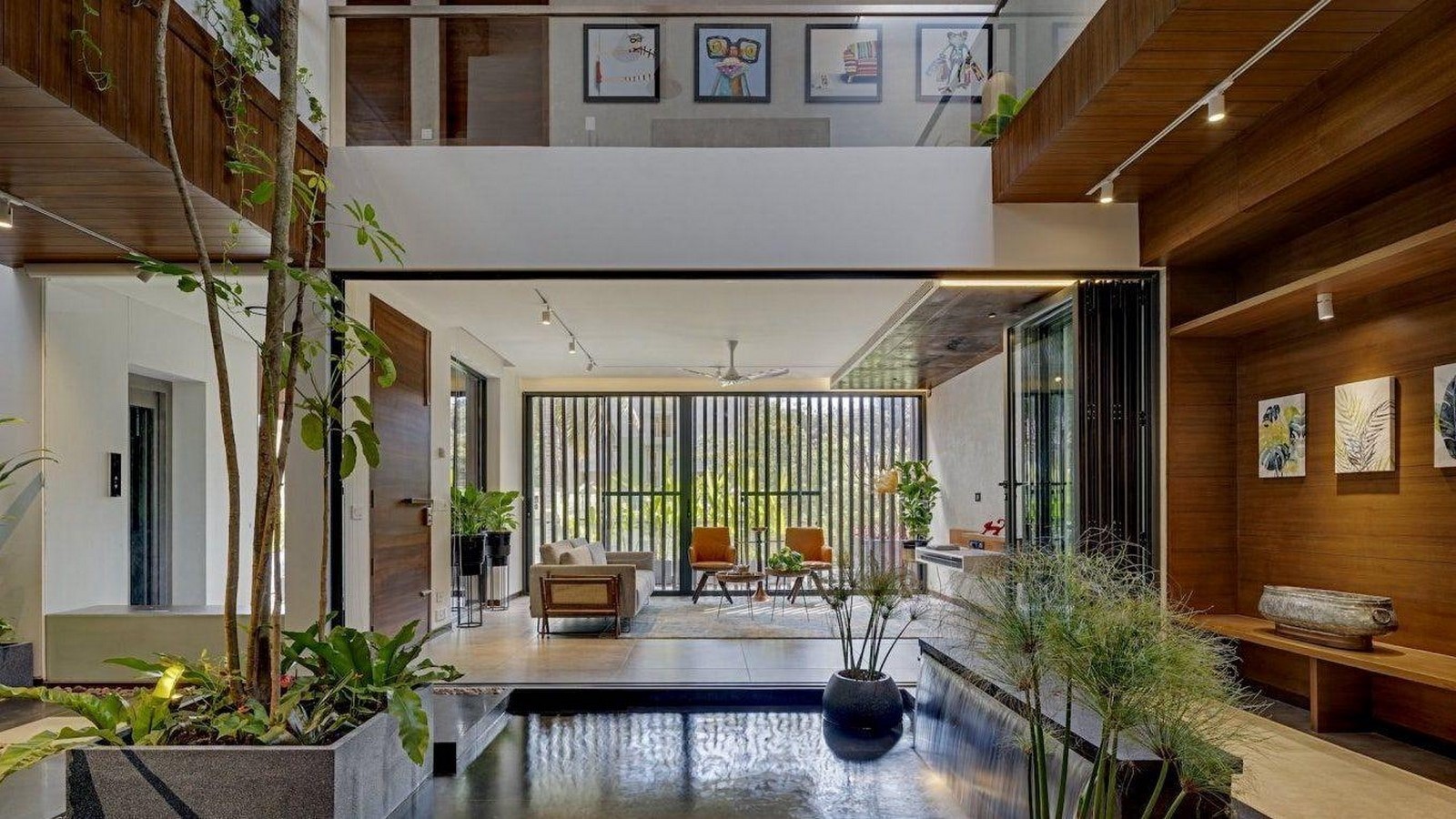
Despite prevailing challenges, several contemporary practices demonstrate that tradition and modernity need not be mutually exclusive. Many architects are reinterpreting indigenous principles using contemporary materials and construction techniques. Courtyards are adapted into vertical housing, shaded transitions appear in commercial buildings, and local materials are reimagined through modern detailing.
This approach allows the Indian landscape of Architecture to evolve without losing its contextual grounding. Rather than direct imitation of traditional forms, these projects abstract underlying principles such as climate responsiveness, spatial hierarchy, and community engagement. Such reinterpretations highlight a path forward where global knowledge enriches rather than replaces local identity.
The Way Forward for Indian Architecture
The future of the Indian landscape of Architecture depends on conscious design choices that prioritise context over imitation. Global influences are inevitable in an interconnected world, but their application must be filtered through local realities. Architecture must respond to climate, culture, density, and social diversity rather than imported ideals.
Architectural education, professional practice, and policy frameworks play a crucial role in shaping this direction. By fostering critical thinking, contextual research, and ethical responsibility, architects can ensure that the Indian landscape of Architecture remains both contemporary and rooted. Adaptation, rather than replication, offers a sustainable path forward.
The Indian landscape of Architecture stands at a critical juncture. While globalisation has expanded exposure and possibilities, unchecked imitation risks eroding cultural identity, environmental responsiveness, and social relevance. Architecture that merely mirrors foreign models often fails to serve local needs effectively. However, when global ideas are thoughtfully adapted, they can strengthen architectural expression rather than dilute it.
By drawing from indigenous wisdom and aligning it with contemporary innovation, the Indian landscape of Architecture can evolve into a distinct, resilient, and meaningful expression of place. The challenge lies not in rejecting global influence, but in ensuring that architecture continues to belong to the land, climate, and people it serves.