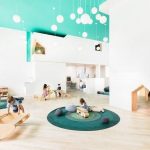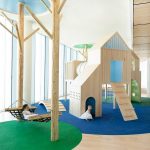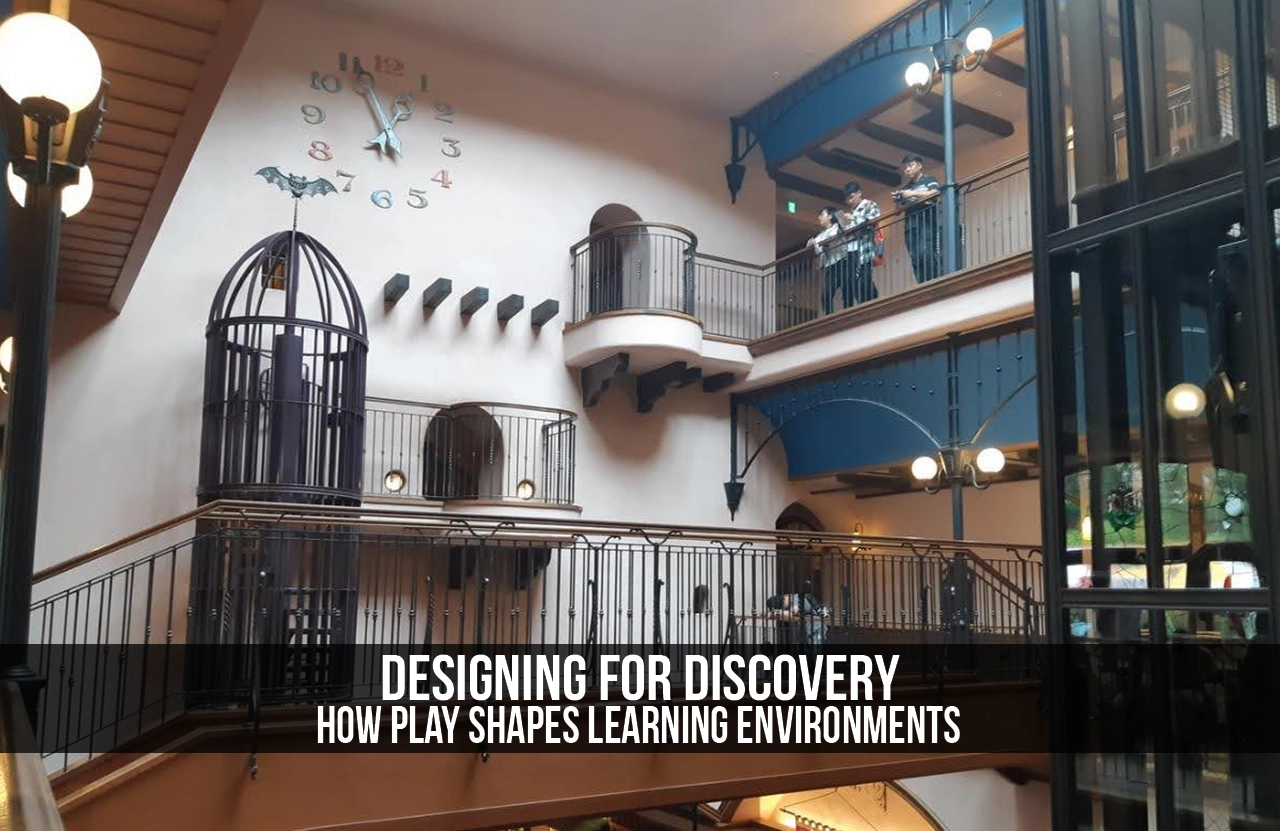
Learning is a lifelong process. Formally educated in school, informal education transpires through life experiences and the surrounding environments. Learning begins the moment a baby takes their first breath- the first lesson. Architecture can support learning through elements that help in building life skills. Every activity from morning to bedtime can be transformed into a playful learning experience. This article examines how design features contribute to developing learning skills.
Learning Environments
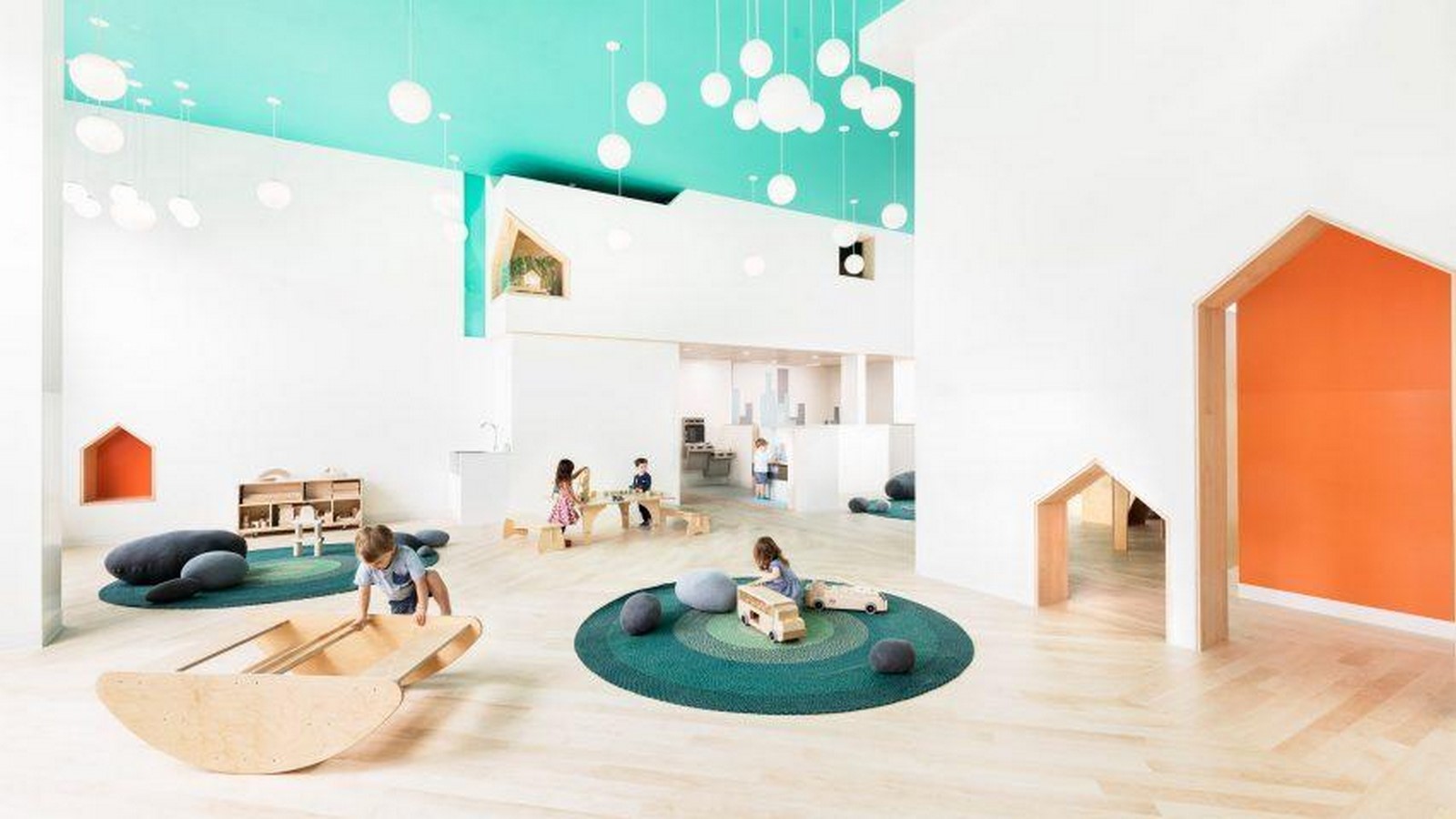
Architecture creates spaces; spaces that can comprise any function, including a learning environment. A conventional learning place is a school that includes classrooms and other activity zones. Areas designed for children support a child’s psychological, social, and physical development (Xu, 2023). Learning can be made playful by tailoring the designs for a child’s growth. Their unique physical, psychological, and cultural perception must be understood in design for them (Mousa, 2025). The Ismaila Puppet theatre project engages the children’s creativity by treating them as active participants rather than passive spectators (Mousa, 2025). When designing for learning, spaces must prioritise the main participant- the students.
Playgrounds
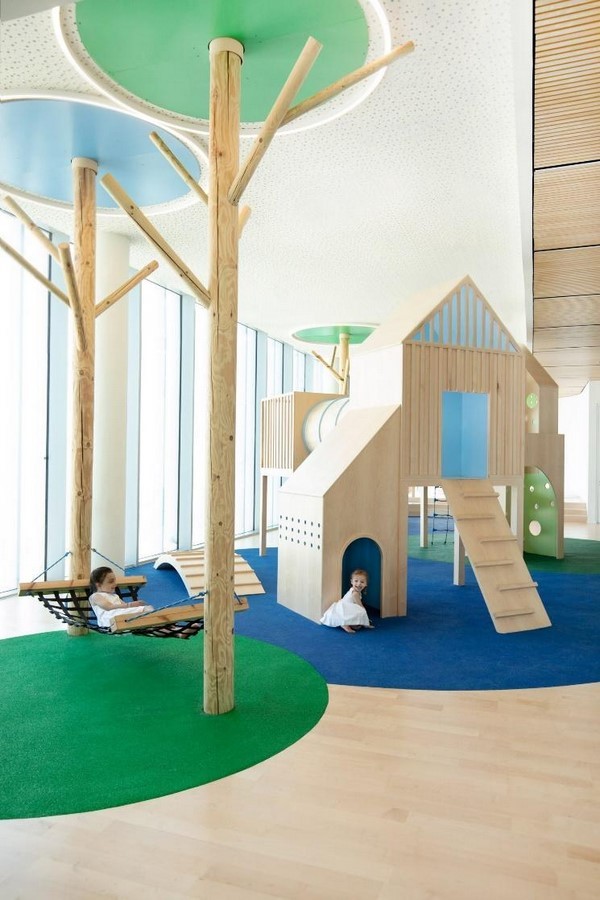
Amid a settlement or a happening urban context, a large open area that presents opportunities to play and explore can function as a playground for children. Free play or non-powered activities encourage active participation and imaginative engagement (Xu, 2023). Shanghai Fairy Children’s Paradise is a natural, unpowered play area with logs and rope nets promoting parent-child interaction (Xu, 2023). Allowing children the freedom to use their imagination can yield surprising results. In an urban area, the location of the playground must be carefully planned in consideration of the demographic context. While playgrounds have equipment such as swings, slides, and designated play areas, they must also account for the social context (Miller et al., 2021). The social context ensures that a child has access to peer groups of similar age.
Museums
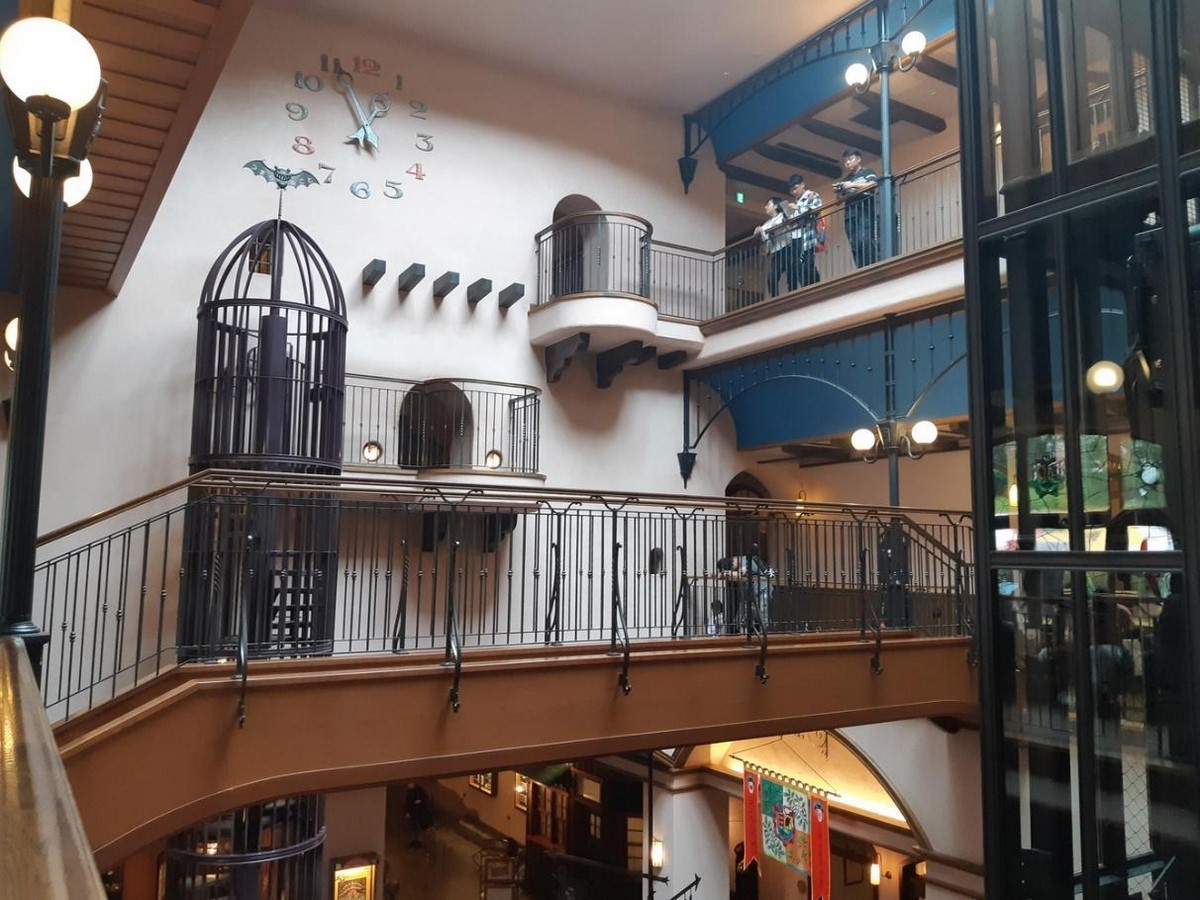
Irrespective of age, museums are always a place for learning. Increasingly, museums have started designating areas for children to learn through play. Interactive, playful exhibits facilitate knowledge transfer engagingly and enjoyably. Museums have also started aligning pedagogical programs with school curricula to enhance self-directed learning (Kalna, 2022). Digital advancements allow games and digital media in exhibits (Kalna, 2022). The new generation of students adapts well to digital media. Exhibits are designed to align with the scale and proportion of the children, ensuring inclusive designs.
Skill Development
Skills developed and assessed during early years tend to form a lasting foundation for future learning. Child-friendly play spaces support entertainment and learning (Xu, 2023). The play spaces contribute to supporting entertainment and skill development. As an urban development initiative in China, safe and stimulating play spaces for children are increasing to help them understand and engage with the world (Xu, 2023). Spaces for children must be flexible and interactive to allow for experimentation and imagination (Mousa, 2025). Gibson’s theory of affordances states that the environment must offer opportunities for a child’s ability to interact with it (Miller et al., 2021). Spaces designed for children must be planned with their needs and perspective as the focus. The incorporation of digital media in interactive museums encourages critical thinking, problem-solving, and creativity (Kalna, 2022). As current and upcoming generations need cognitive skills, the design must consciously incorporate their needs.
Design Elements
Design aids in the recognition of shapes, paths, and overall cognitive skill development for a child. Abstraction in geometric shapes helps the child engage with basic symbolic language, thus stimulating imagination and cognitive development (Xu, 2023). A well-designed play area guides the child in interpreting perceptual ability in their own language and understanding. Bubble Universe in Shenyang, China, is a playground space featuring geometric shapes and interconnected structures, natural elements, and offering opportunities for auditory experiences (Xu, 2023). A good design is not justified by its grandeur but by inspiration, wonder, and curiosity (Mousa, 2025). Allowing a mind to grow and explore through imagination encourages a child to think beyond the textbook.
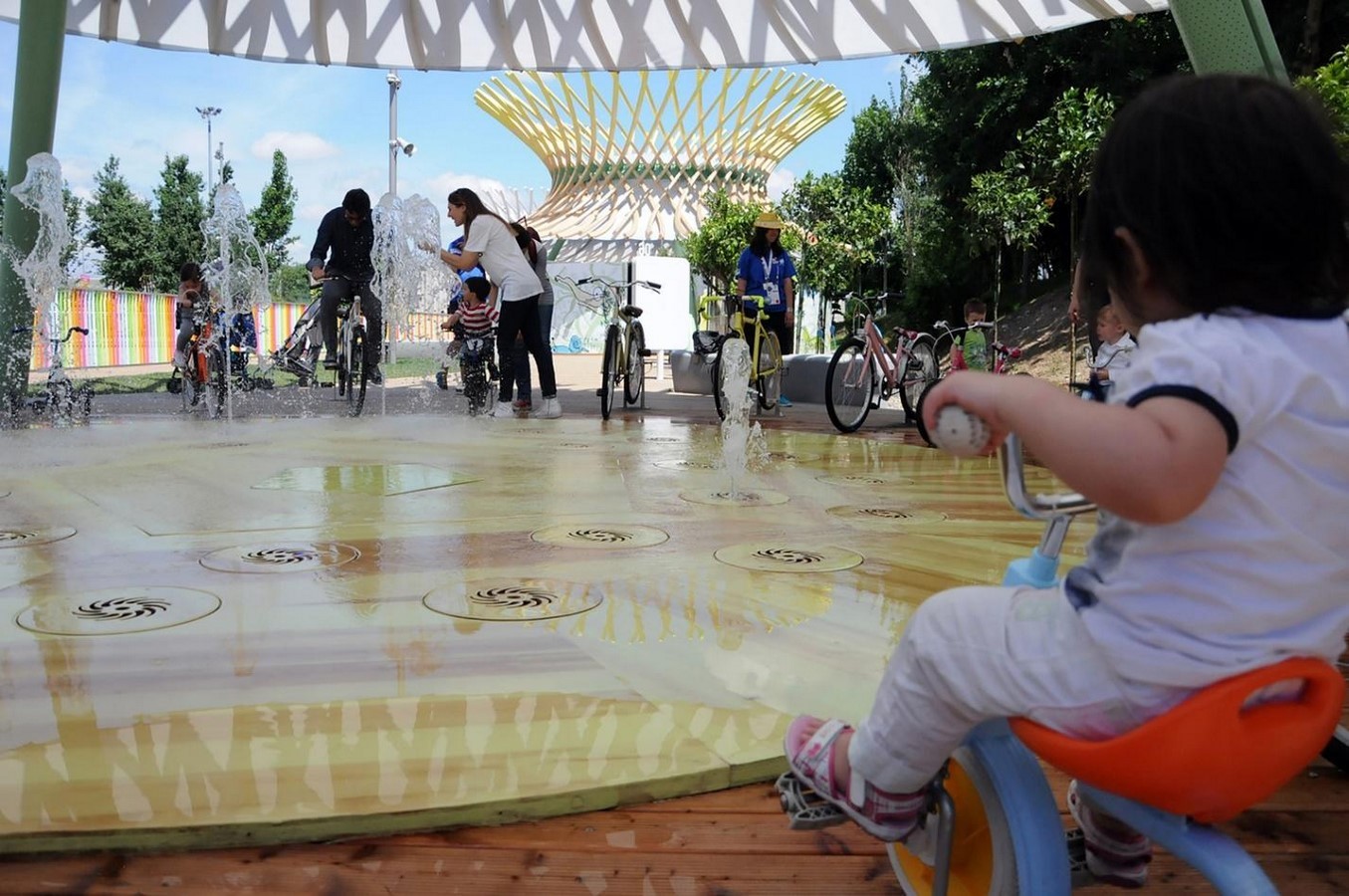
Paths and movements must attract a child’s attention and encourage exploration (Mousa, 2025). It would be surprising to observe how a child perceives and navigates through a path in ways that differ from its original intention. Architectural elements must tell stories that stimulate imagination (Mousa, 2025). When asked to sketch a scene, each child will have a different perception and artwork, often reflecting their imagination. The use of digital media and interactive elements in museum design exposes the children to visual, tactile, auditory, and digital experiences (Kalna, 2022). Engaging skills beyond visual ensures that a child is fully immersed while learning from the built environment.
For a long time, the spatial design focused on comfort and the needs of adults, the general target users. Recently, the development of child-centric spaces has become prevalent, specifically those that aid the development of children. Architecture can be moulded to support creativity and exploration in play spaces, which makes the learning experience playful. Learning spaces should not be confined to classrooms. They must extend to all the spaces that contribute to holistic child development, such as the playgrounds, museums, and other public spaces.
References:
- B. Kalna, S. (2022). Educational aspects of museum exhibition design. ResearchGate. Available at: https://www.researchgate.net/publication/362103791_EDUCATIONAL_ASPECTS_OF_MUSEUM_EXHIBITION_DESIGN [Accessed: 30 December 2025].
- Miller, L., Chappell, P., McDermott, C., O’Neill, M. and Ives, G., 2021. Social play on school and community playgrounds: A descriptive study of children’s interactions in different play settings. Frontiers in Psychology, [online] 12, 703940. Available at: https://www.frontiersin.org/journals/psychology/articles/10.3389/fpsyg.2021.703940/full [Accessed 30 December 2025].
- Mousa, M. (2025) Designing Childhood Spaces. Journal of Engineering Research, 9(Miller et al., 2021), pp. 1-12. Available at: https://digitalcommons.aaru.edu.jo/cgi/viewcontent.cgi?article=2032&context=erjeng
[Accessed: 30 December 2025].
- Xu, S., 2023. Analysis and design of child-friendly play spaces. [online] Available at: https://www.researchgate.net/publication/377731652_Analysis_and_design_of_child-friendly_play_Spaces [Accessed 30 December 2025].
Image References:
- Dezeen (2021) Mi Casita Brooklyn preschool by BAAO and 4|Mativ [online image], available at: https://static.dezeen.com/uploads/2021/08/baao-4-mativ-mi-casita-brooklyn-preschool-hero-1-2048×1152.jpg [Accessed 4 January 2026].
- Dezeen (2023) Indoor playground design in Tel Aviv by Sarit Shani Hay [online image], available at: https://static.dezeen.com/uploads/2023/03/indoor-playground-design-tel-aviv-sarit-shani-hay-israel_dezeen_2364_col_0-1704×2556.jpg [Accessed: 4 January 2026]
- ArchDaily (2025) Beyond the animation studio: Ghibli and Disney’s approach to child-centric theme park design [online image], 13 August. Available at: https://images.adsttc.com/media/images/6896/9e1c/a805/bb5c/ec3d/f144/slideshow/beyond-the-animation-studio-ghibli-and-disneys-approach-to-child-centric-theme-park-design_11.jpg?1754701375 [Accessed: 4 January 2026].
- ArchDaily (2015) Children Park at EXPO 2015 / ZPZ Partners [online], 05 August. Available at: https://www.archdaily.com/771353/children-park-at-expo-2015-zpz-partners/55c161f1e58ece593800008e-children-park-at-expo-2015-zpz-partners-image [Accessed: 4 January 2026].