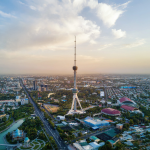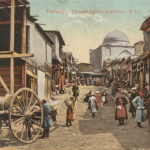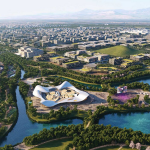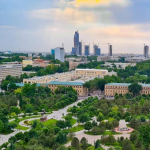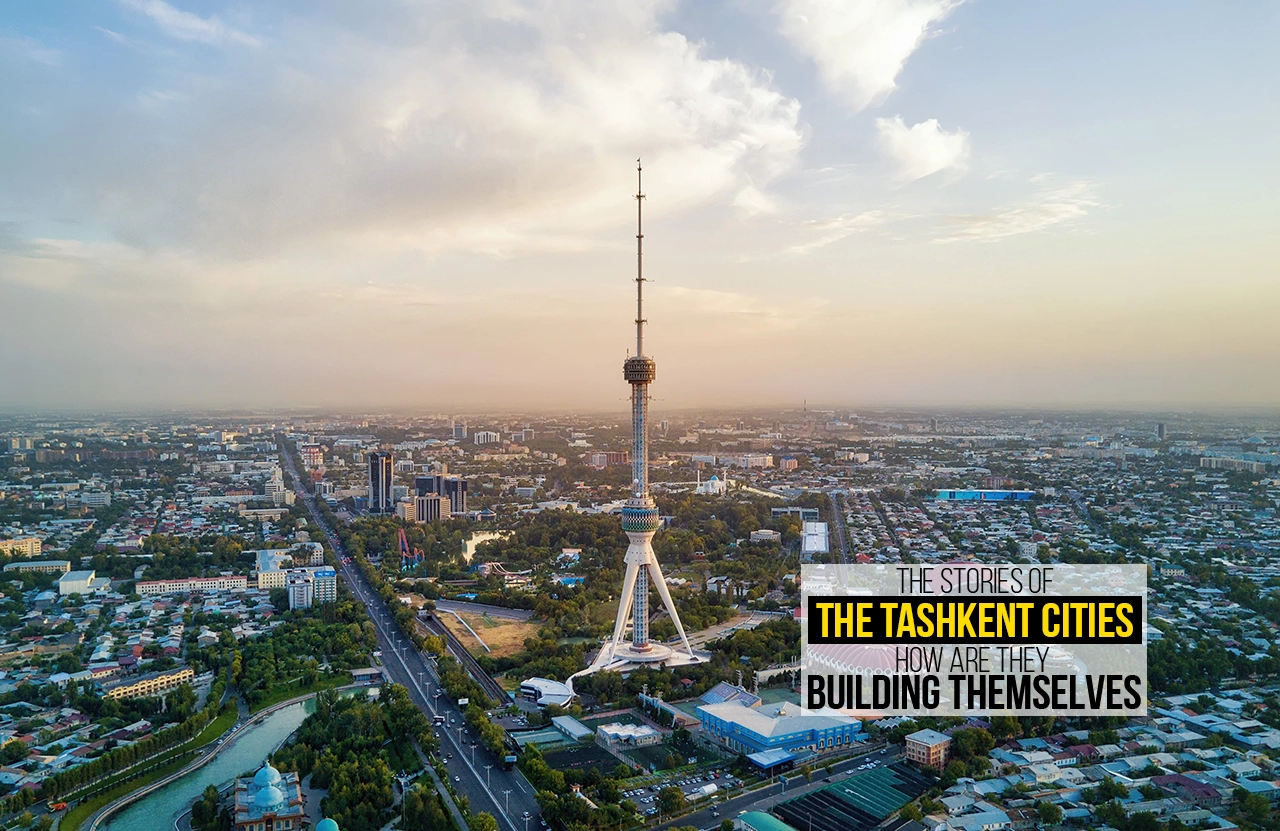
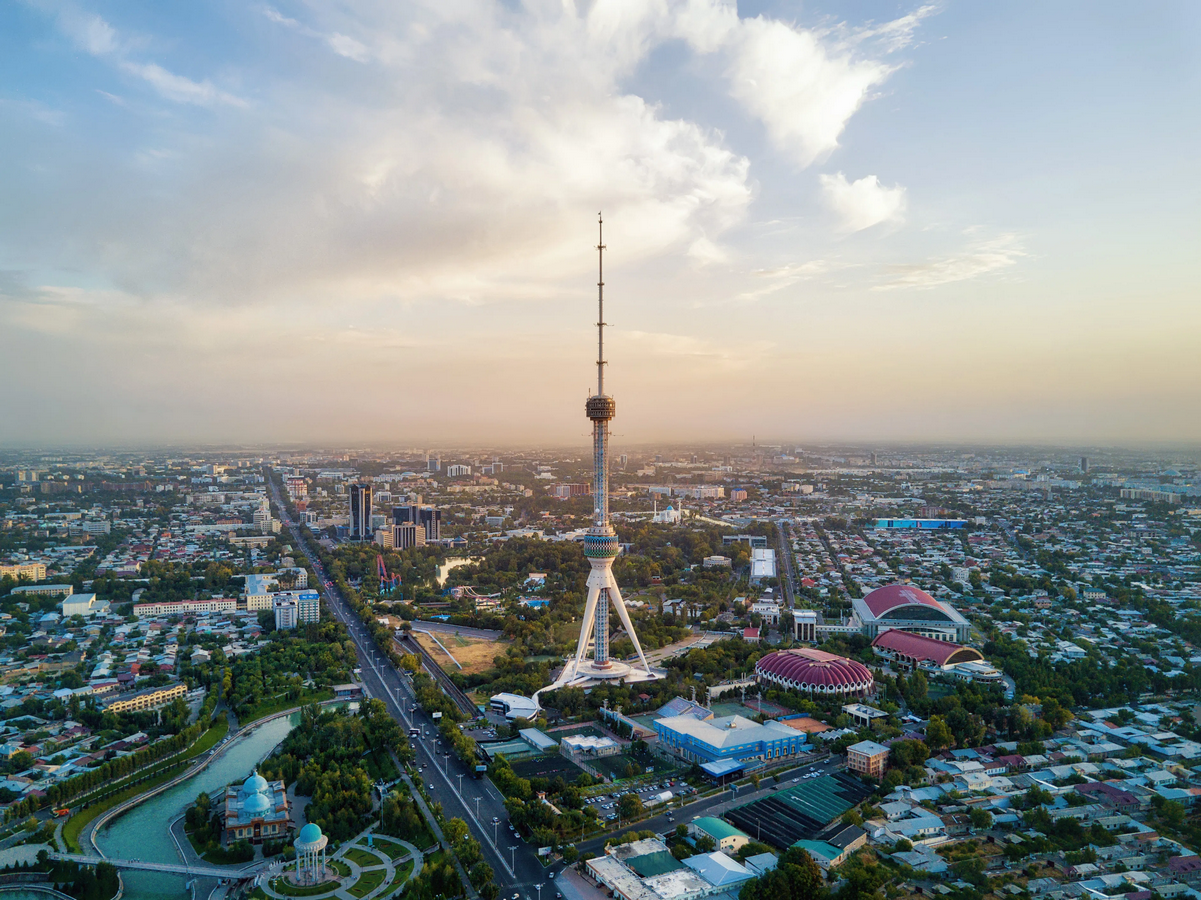
Tashkent is not a city that can be understood in one glance. It is built from many moments in time. Every street, building, and open space carries a memory of change. The city has been destroyed, rebuilt, expanded, and reshaped again and again. Today, Tashkent is still building itself, not only through large projects, but through everyday life.
A City Rebuilt After Loss
In 1966, a powerful earthquake damaged most of Tashkent. Large parts of the old city were destroyed. What followed was a massive rebuilding effort led by the Soviet Union. Architects and planners from across the country came together to rebuild the capital.
The new city was designed to be modern and organized. Wide roads replaced narrow streets. Large apartment buildings were built in planned residential areas. These areas included schools, shops, and parks so people could meet their daily needs nearby.
This rebuilding changed the way the city looked and felt. However, the architecture still responded to the local climate. Buildings had balconies and shaded spaces. Green areas were added throughout the city. Even within strict planning rules, Tashkent found ways to adapt.
Life Inside the Soviet City
Many of these Soviet-era buildings still exist today. At first, they may appear repetitive and plain. But life inside them tells a different story.
Over the years, residents changed their homes. Balconies were closed in. Walls were painted. Courtyards became places for children to play and neighbors to meet. Small shops appeared at the edges of buildings.
These everyday changes made the spaces more personal and alive. The city slowly became shaped by the people living in it. Architecture was no longer just something designed. It became something used, changed, and lived in.
Mahallas and Community Life
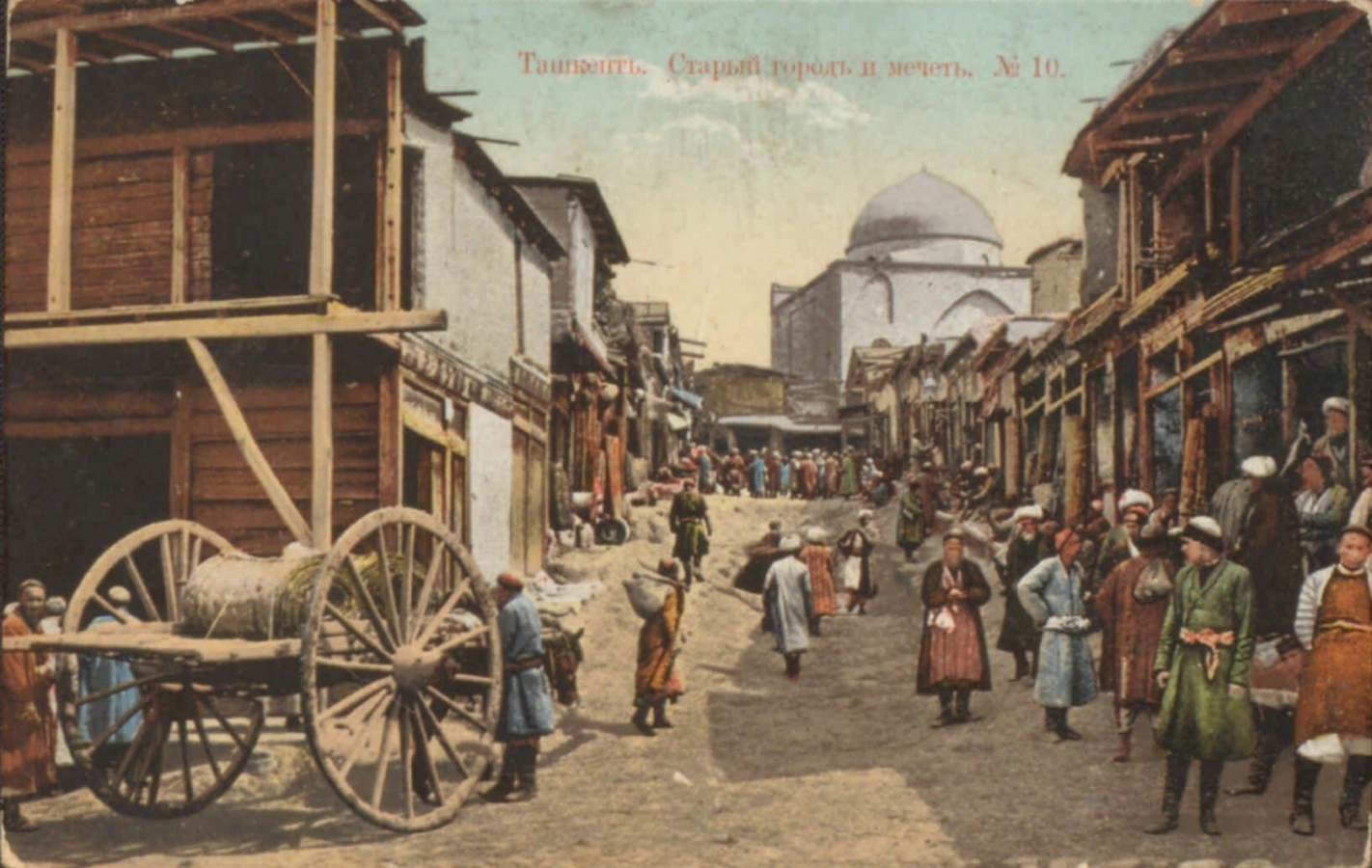
Alongside large apartment blocks, Tashkent also has mahallas. These are traditional neighborhoods built around strong community ties. Homes are usually low-rise and arranged around courtyards. Streets are narrow and shaded.
Mahallas offer comfort in a hot climate. Trees, walls, and enclosed spaces help reduce heat. More importantly, they support social life. Neighbors know each other. Daily activities happen close to home.
As the city grows, some mahallas are being replaced by new developments. Others continue to exist and influence the city’s character. They remind us that good architecture is not only about size or height, but about how people live together.
A New Identity After Independence
After Uzbekistan became independent in 1991, Tashkent entered a new phase. Architecture became a way to express national identity. New government buildings, museums, and public spaces were built in central areas.
These buildings often use traditional forms and decorative elements. Domes, arches, and patterns connect modern buildings with historical culture. The city center became more formal and symbolic.
While these buildings shaped the city’s image, everyday residential areas changed more slowly. This created a contrast between impressive public architecture and the daily spaces where people actually live.
The Rise of a New Tashkent
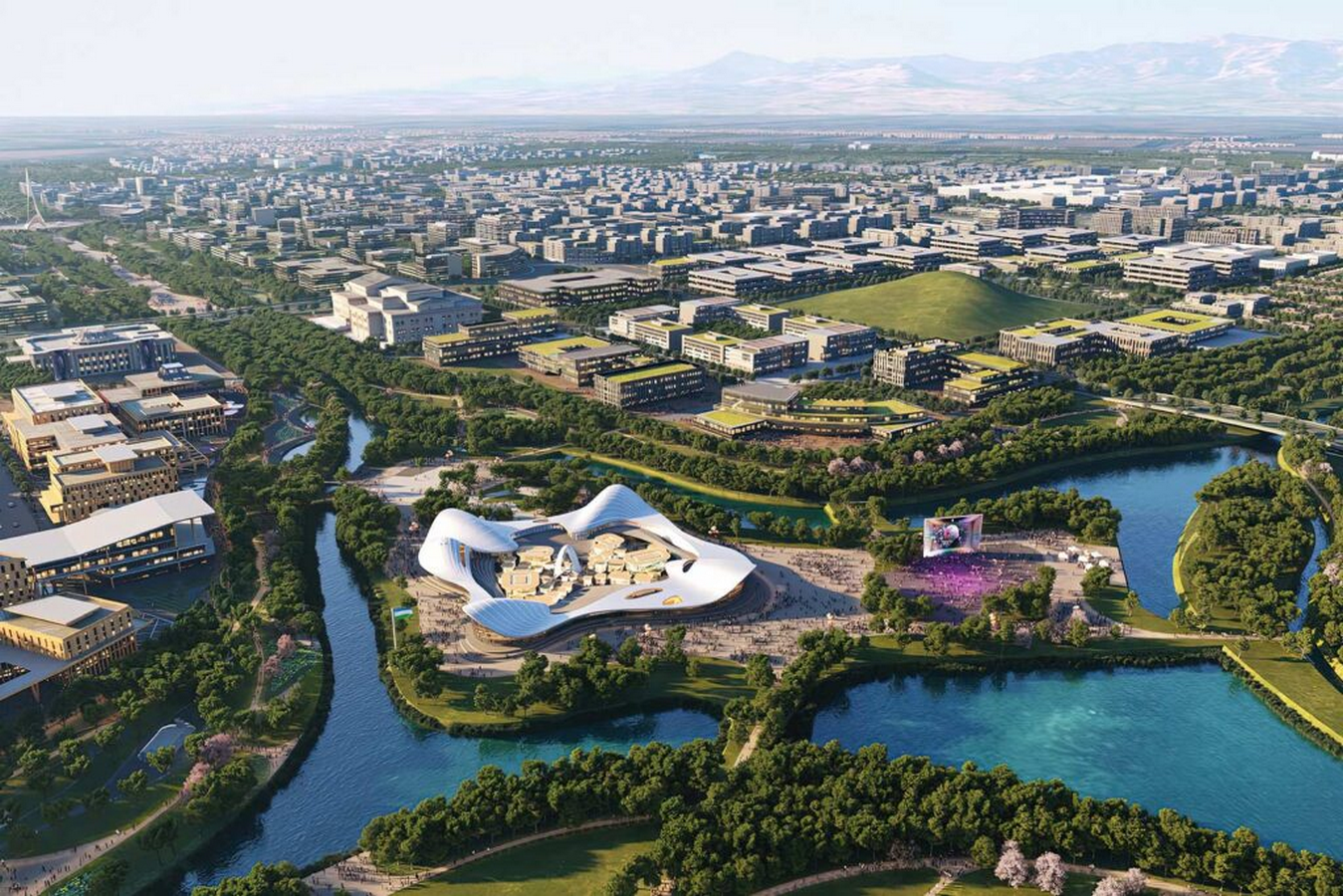
In recent years, Tashkent has been growing rapidly. New business districts, high-rise buildings, and luxury housing projects are appearing across the city. Construction is fast, and the skyline is changing.
Many new buildings use glass and modern materials. They aim to show progress and global connection. International investors and designers are now part of the city’s growth.
This rapid development brings challenges. Some new areas feel disconnected from existing neighborhoods. Others do not respond well to the climate. There is a risk that speed and appearance may become more important than comfort and belonging.
Climate and Green Spaces
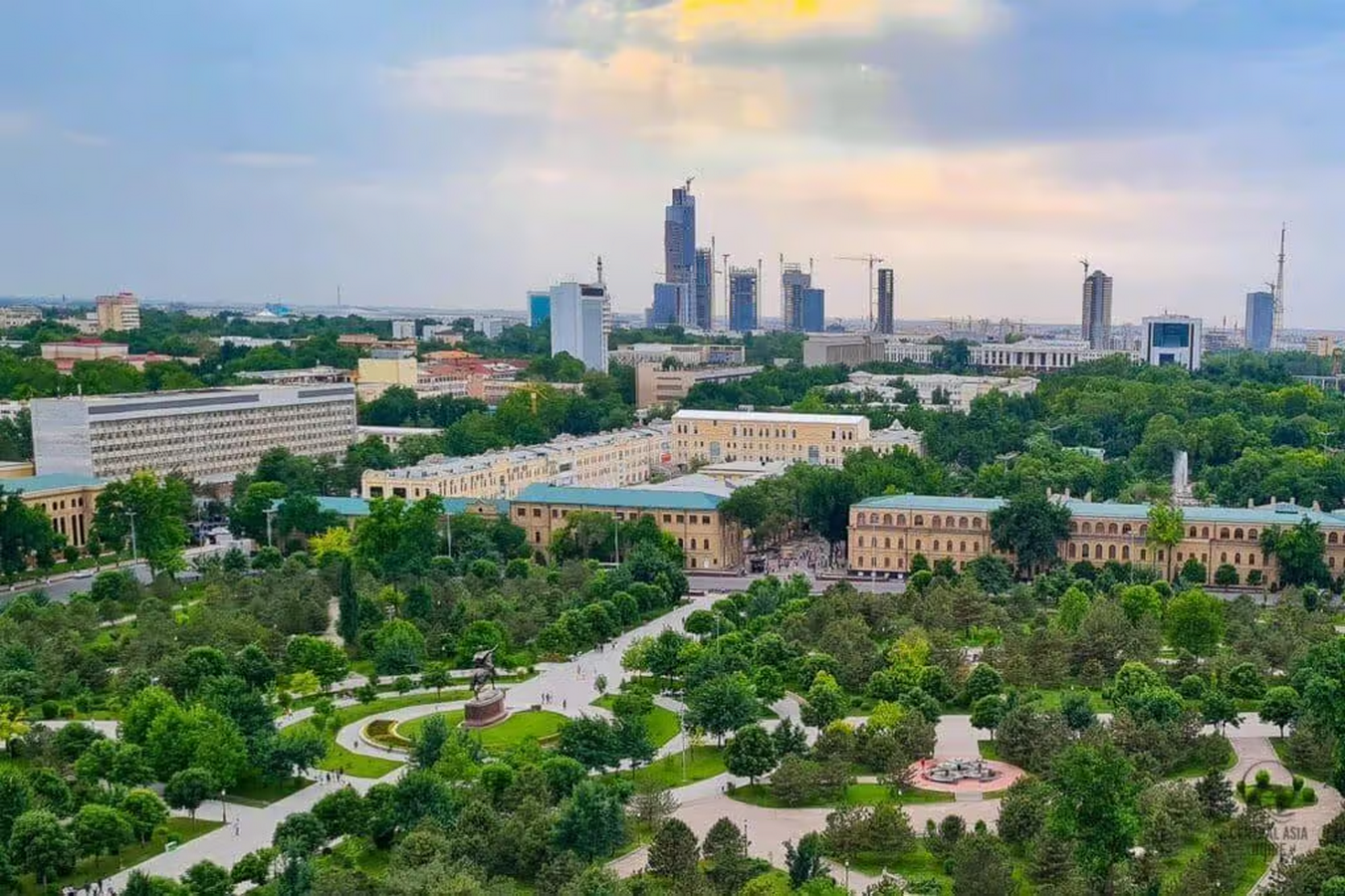
Tashkent has hot summers and cold winters. For a long time, architecture in the city responded carefully to this. Courtyards, thick walls, and shaded streets helped control heat. Trees played an important role in making the city comfortable.
Even Soviet planners gave importance to green spaces. Wide roads were lined with trees. Parks and gardens became part of daily life.
Today, some new developments rely heavily on air conditioning and glass facades. This often increases heat and energy use. The city now faces an important choice about how it builds in the future.
Tashkent is not shaped by planners alone. It is shaped by its people. Residents adapt their homes. Streets change through daily use. Old buildings find new purposes.
The city grows through small actions as much as large projects. Tradition and modern life exist together. The result is a city that feels layered and alive.
Tashkent is still becoming. Its architecture tells stories of loss, rebuilding, ambition, and everyday life. The city shows that architecture is not only about design, but about people and time.
Tashkent is not finished, and that is its strength. It continues to build itself through memory, adaptation, and human presence.