“The city of Mumbai does not wake up in a hurry; it makes itself up.”
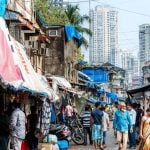
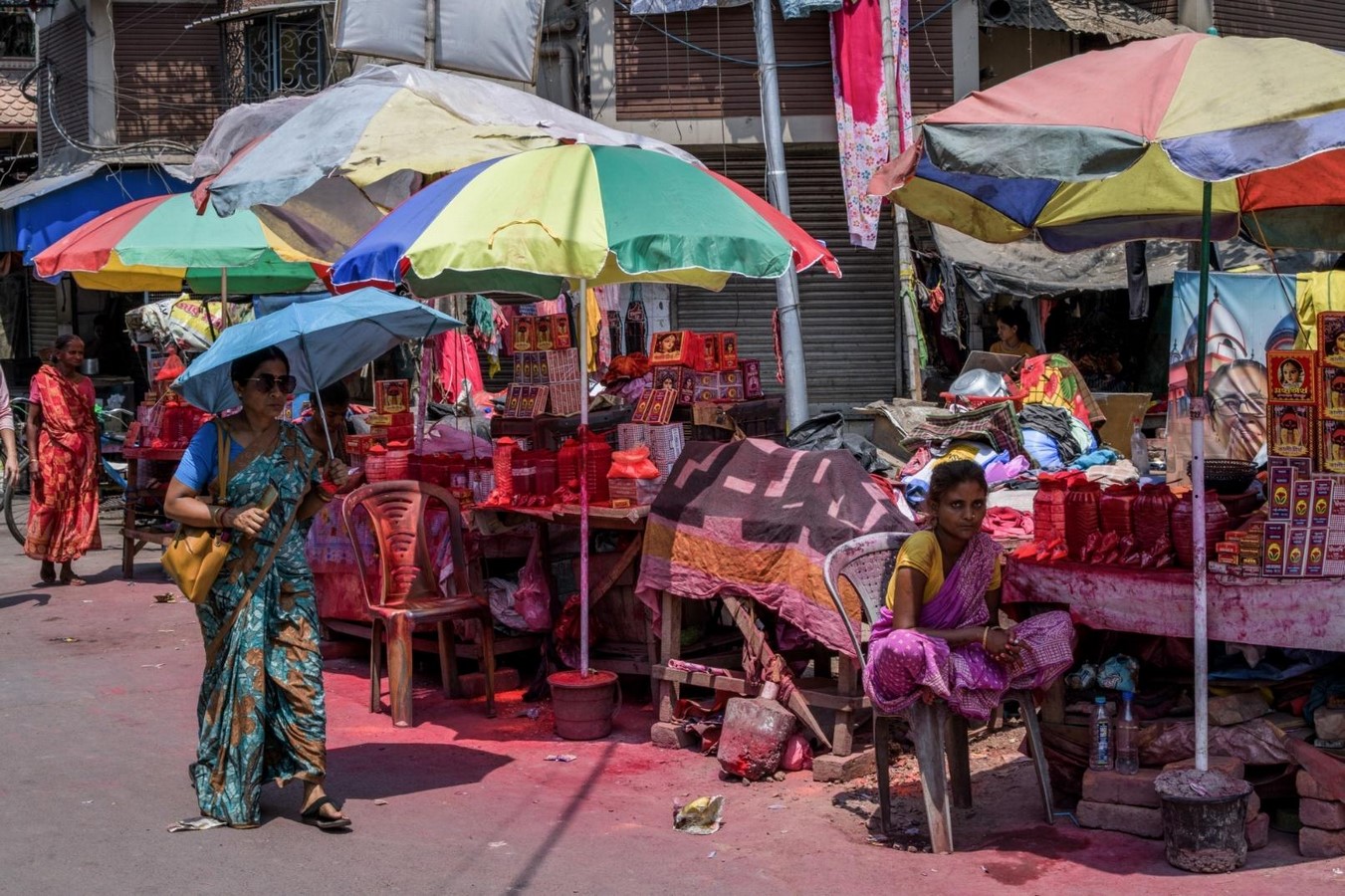
As April reaches Mumbai, something magical takes place in reverse. With temperatures that cap above 35 °C and humidity that encloses everything like a damp cloth, the city does not haught onto the streets but floods them. The footpaths in Mumbai become markets, shrines, and work areas every morning before the sun sets. By sunset, they vanish. It is a kind of architecture that lacks architects, as a bamboo pole, a tarpaulin sheet, and human ingenuity form a whole universe that rises and falls together with the sun.
The One-Meter Miracle
The vending vendors are not allowed to erect permanent stall structures. All that they can do is to protect with what is needful against the sun, the rain, or the wind. The space that can be occupied by a stall is 1m x1m on one side of the footpath. One square meter. That’s all. Ramesh sells vegetables in that improbable piece of ground. Fatima displays jewelry. Arjun is serving cut chai in small glasses. They are not only merchants but space mages.
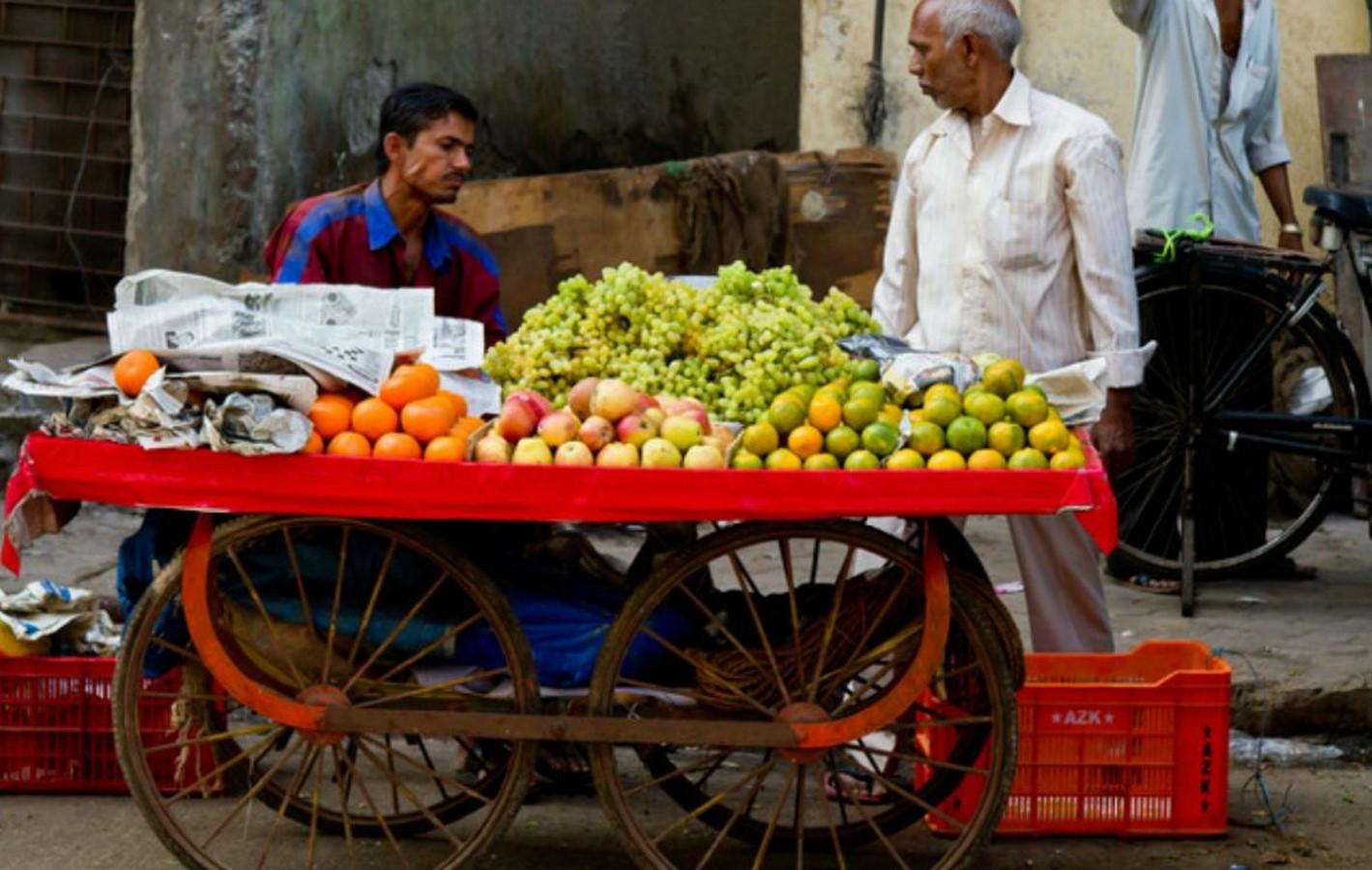
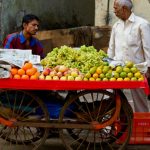
One can find kiwis in cardboard boxes, avocados in plywood boxes at his fruit stall that is built using reusable materials, such as bamboo, and is covered with bright umbrellas and tarpaulin sheets that will protect the person against the heat. The city of no one is recreated every morning. Tarpaulin rolls are turned into roofs. Bamboo poles become walls. Plastic boxes are stacked into shelving units. In minutes, they have created a whole marketplace where there was tarmac.
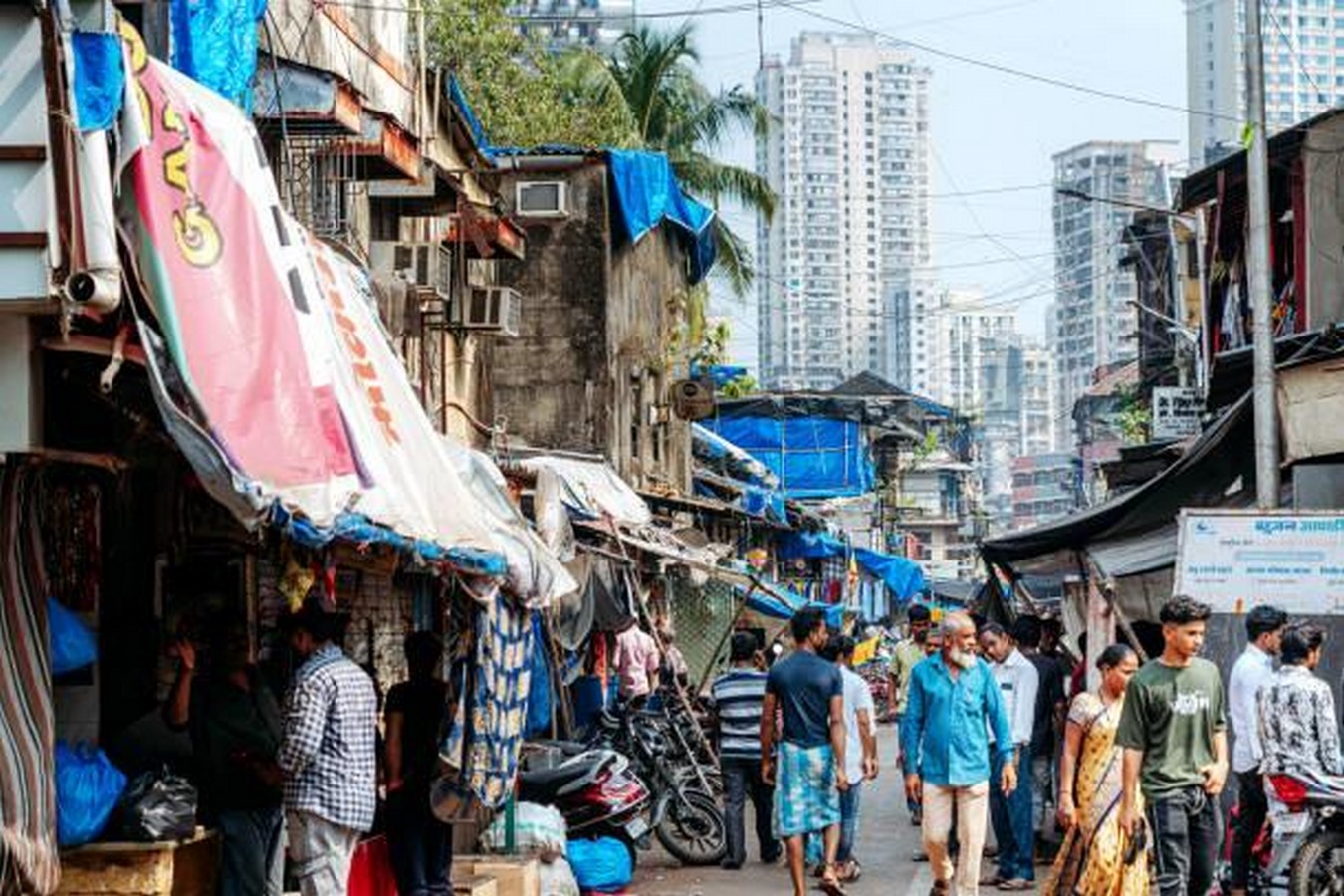
Such temporary commercial centres have a kind of primitive architecture that runs its roots deep into the Indian culture and economy. Nowadays, these spaces have developed into tight-packed labyrinths of temporary housing constructed of recycled sheets of tin, tarpaulin canopies, and poles of wood. You can call it informal, but there is nothing casual about architecture having to be perfect every day.
When the City Starts Sweating
Ramesh, a vegetable seller in Mumbai, has a working day of 10-12 hours in the streets selling perishable vegetables and fruits. He has to work in the unfavorable weather conditions of heat, monsoon, and mild winter. But it is not only hot, but it is the hostility of summer. The sidewalks give off heat, like hot grits. The air feels solid. Your shirt lies between you in a few minutes.
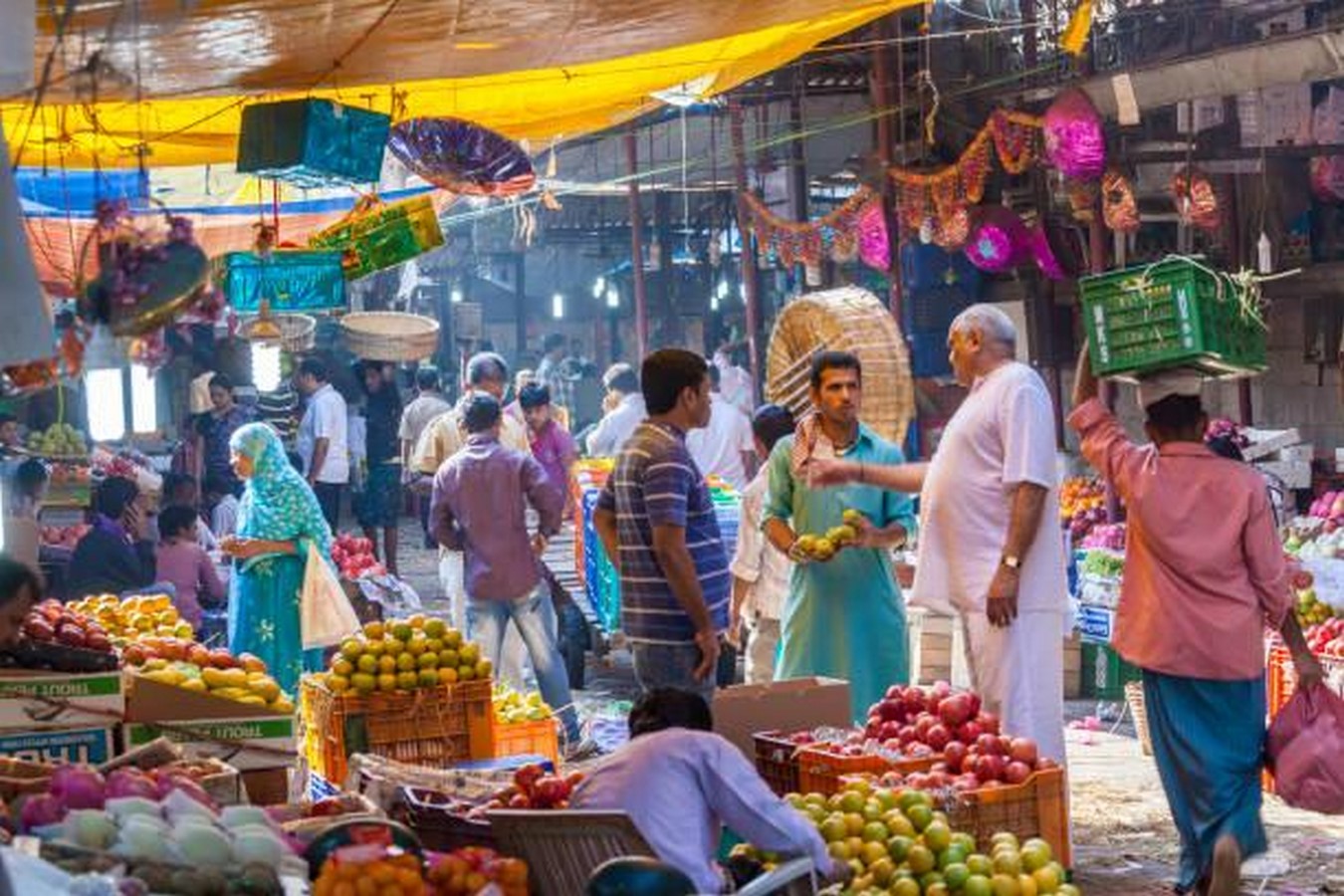
The vendors do not have access to drinking water amenities and bring their own bottled water from home. The majority of the vendors carry a massive umbrella shade. They even use a plastic sheet to cover their stalls occasionally to alleviate some of the pain. Observe them devise coziness: in shades upon shades–umbrella upon tarpaulin upon cloth–any cooler microclimates are made. The current of air off the Arabian Sea takes the position of this strategic positioning. Jute-covered ice blocks are a type of substitute refrigeration.
Vendors complain of heat burns, dehydration, dizziness, and heat strokes. Perishable goods are also affected by heatwaves, making them more costly. Sellers of fresh produce, dairy, and any other goods that are sensitive to heat are hit especially hard economically. The architecture deviates since it has to. When your bread and butter evaporates under the sun, you are a master of thermodynamics, with or without having heard the term.
Mango Season: Summer Goes Golden
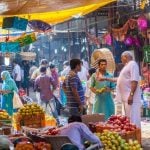
The season of the Alphonso manga usually commences at the end of March and lasts until mid-June. But the months of April and May are said to be the best season–the fruit then being the sweetest, tastiest, and most abundant. Mumbai, being a large trading center in mangoes, begins the mango season in January. Pride of tables are harvested between mid-April and June-end, Alphonsos. On your way along the fruit stands in and about the city, you will have all your senses taken captive by the handsome piles of Alphonsos so well-dressed up.
The obsession with the Alphonso is at par with the Bollywood and the sports season (during its short Indian summer season). Mothers also send cartons (petis) to the homes of the married daughters to sweeten up the in-laws. Famous markets are Crawford Market, Dadar Market, and Colaba, where good-quality Alphonso mangoes are also found. The fruit had been copied to London, at the Coronation of the Queen in 1953, at the famous Crawford Market in Mumbai, where the Alphonso stalls were standing.
Entire markets are growing overnight devoted to this one fruit. Vendors make dazzling displays, tiered platforms of Alphonso in Ratnagiri, Kesar in Gujarat–a whole lot of portable materials that can be taken down at night. Architecture is impermanent in statute and complex in need.
The Choreographed Chaos
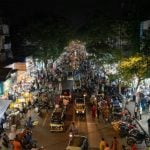
These bazaars turn the neighborhoods into organically choreographed pandemoniums of vendors, merchandise, and ordinary people. But mind–it is not anarchy at all. Each vendor is aware of where they fit. The placement of all poles is computed. Each tarpaulin area maximized water flow in case afternoon storms occurred. All products are placed in an open space and in a ventilated area.
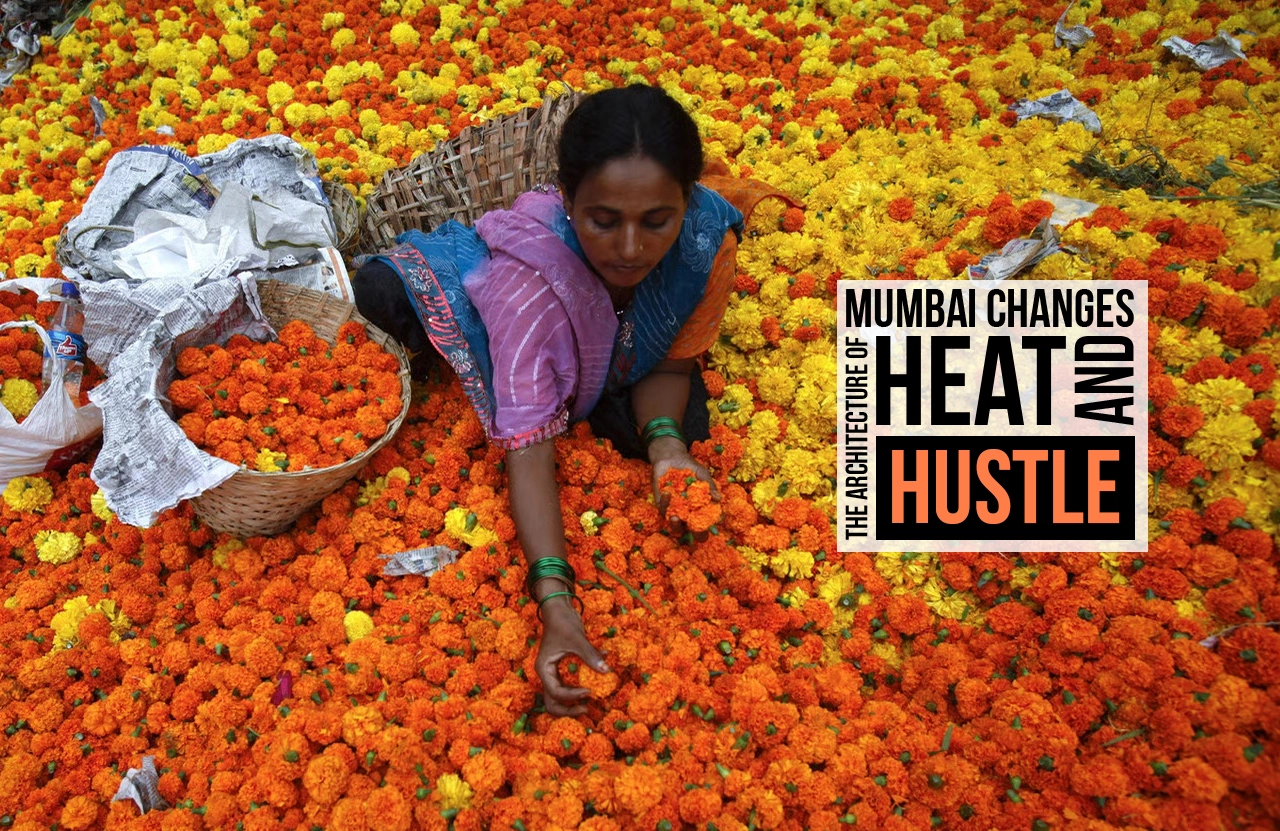
This is a Madam in Dadar station who sells flowers. She comes every morning at 5 AM, with parcels of marigolds, roses, and jasmine bundles in wrappings of last day newspapers. In two dozen minutes, she has built an aromatic shrine with nothing but a piece of string, a few nails driven into convenient cracks, and plastic buckets. She sells all and disappears by noon, when the flowers are wilting in the heat. Tomorrow, she’ll do it again. And the day after. And the day after.
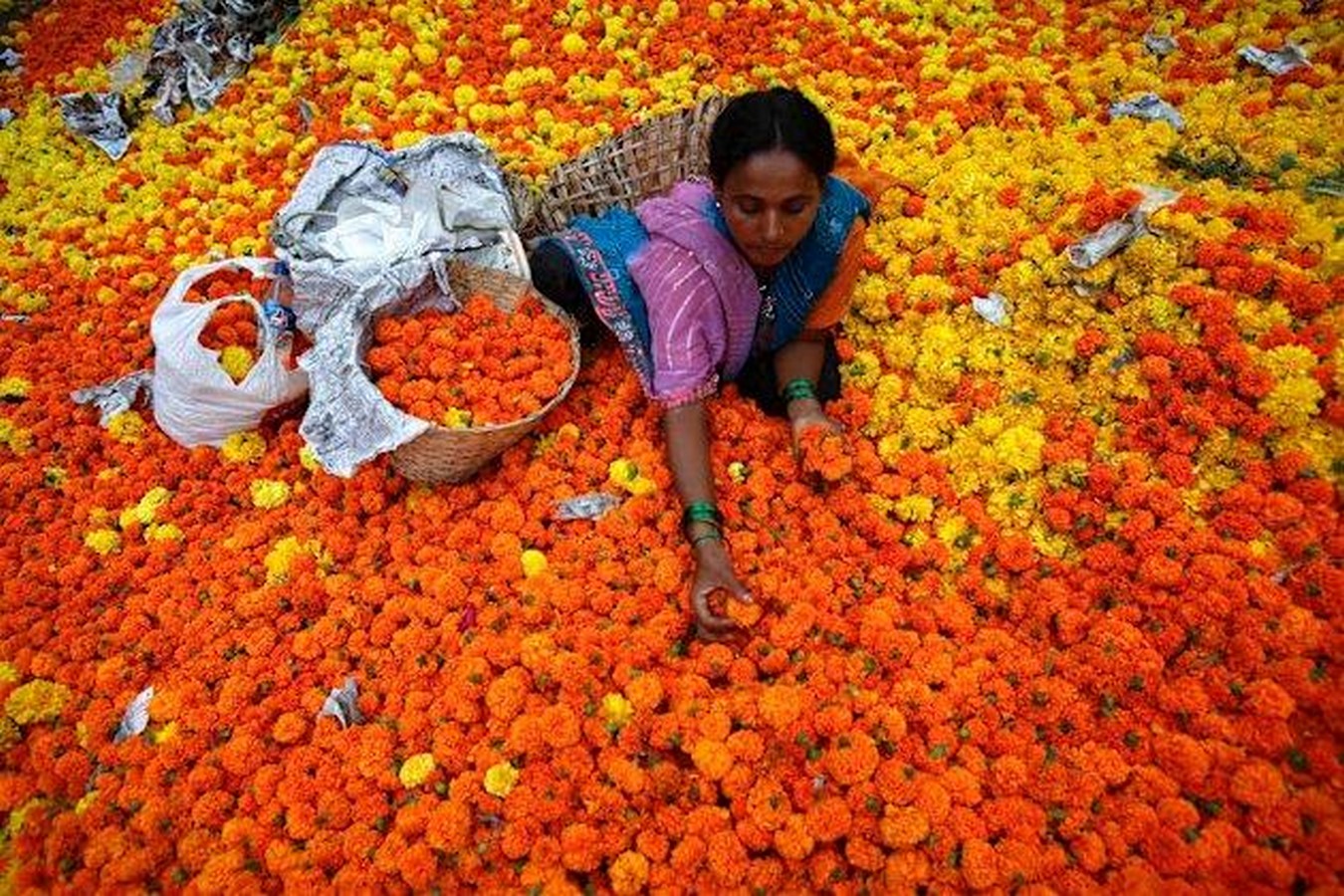
It is the actual structure of Mumbai and not the air-conditioned buildings along Marine Drive, but this: the daily erection and de-erection of a city within a city.
Survival as Design
Hawkers have been brought about by poverty, the necessity to buy cheap products, inability to afford formal retail buildings to operate as a vendor. Approximately 60 percent of the population of Mumbai resides in temporary constructions that are erected on approximately 8 percent of the entire urban area. It is home to more than 20 million people.
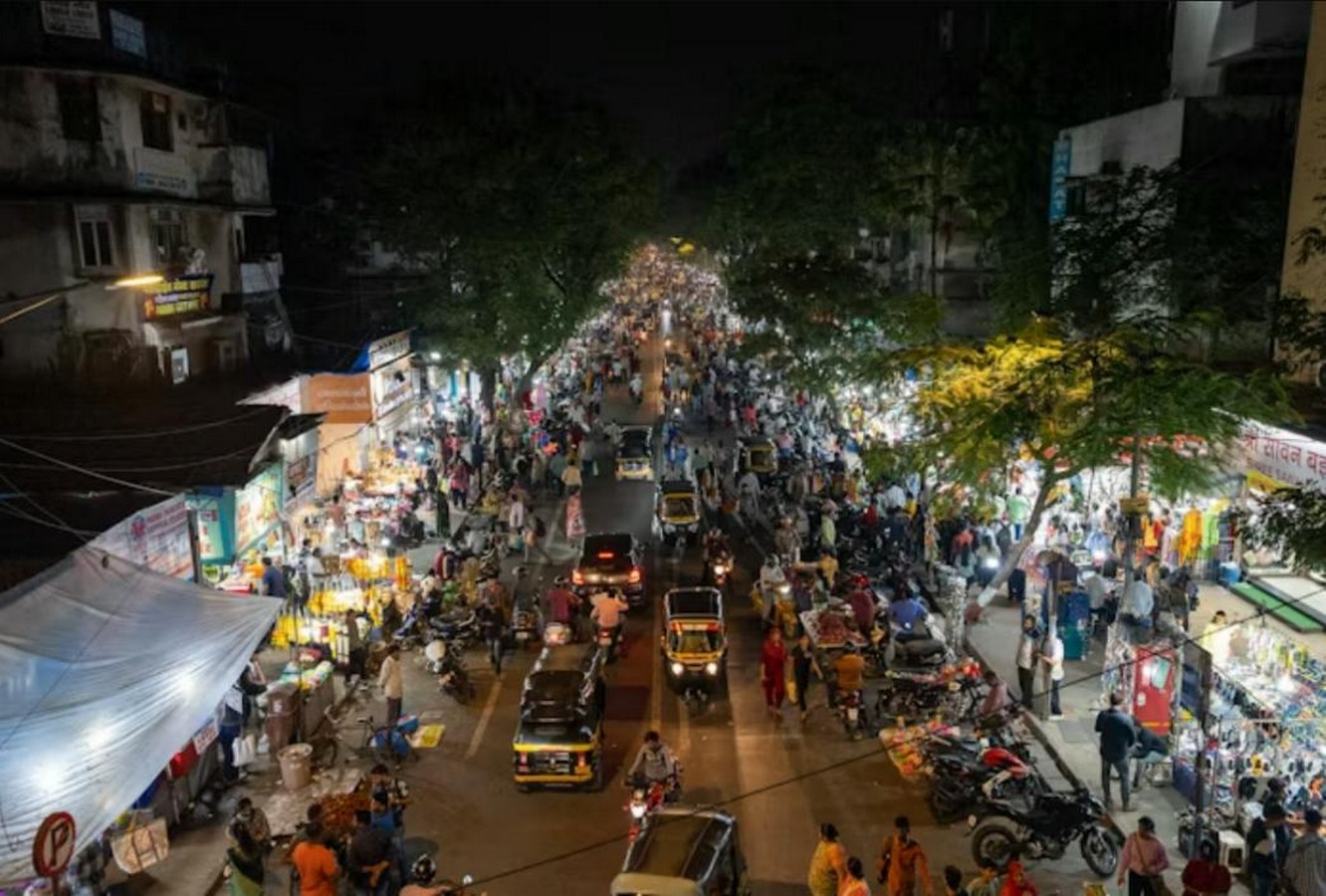
Most of the sellers are daily wage earners. In order to earn a livelihood to support their families, they walk the streets of the city 10-12 hours a day in cracking heat and downpours, selling goods and services. Their design should be functional. When your body is at stake, when there is no room to lose, when your stock expires, when your children’s money is to be paid to an institution of higher education and learning, and simple kneeling material is housed within minutes, there is no room to lose.
The thing that the summer streets of Mumbai demonstrate is this: architecture does not need any degrees or blueprints. It only needs the heat, the need, the human urge sometimes to build shelter, commerce, and dignity out of what is available to survive till tomorrow. Every morning, the labour force of Mumbai turns to architects. Their buildings disappear with every sunset. And every morning, inexplicably, marvellously, the city comes together once more.
Mumbai Street Photos, download the Best Free Mumbai Street Stock Photos & HD Images. Available at: https://www.pexels.com/search/mumbai%20street/
Mumbai local pictures | download free images on unsplash. Available at: https://unsplash.com/s/photos/mumbai-local