Architecture – it is a long-lasting perception that it is all about how a space is built, but architecture is all about how a space makes the user feel. It is an outcome of all 6 senses, and among those, the sensory aspect plays a major role in how a place makes you feel. The sounds that we hear in a place is the immediate fine tuner to how we perceive the space, a place with calm silence is perceived automatically as a library, a place with vibrant talks and cheers is perceived to be a place of celebration, a place with high echo and reverberation is a place that gives peace and meditation while a place that resonates every decibel that’s produced out is said to be defensive from attack. The sounds are not just noises that disturb; those are the hum of a place that speaks volumes about it.
Throughout history, acoustics have been as crucial as construction style in defining the purpose of spaces across continents and cultures. From the cheering echoes of the grand Colosseum to the warm, calm resonance of the Garbhagriha, and the early warning reverberations within the forts of Rajasthan, to modern soundscapes that enhance daily life, sound has always been deeply integrated with space. Let’s explore how music, ritual, and culture are intertwined through a few examples.
The Temple Arthamandapa: Music as Devotion
Indian temples – the breathtaking artistic entity with high towers and sculptures through tiers of gopuram, are a ritualistic record of how acoustics play a crucial role in cultural and spatial organisation. The Natyamandapa – the space that connects the outer periphery, Mahamandapa, towards the place of worship – is not just a transition zone from a noisier environment to a silent one; it is a sonic threshold that holds music and performance, a non-negligible factor in Indian culture. The temples typically feature a natyamandapa, located mostly in open spaces or near the mahamandapa, where the granite and carvings of the pillars naturally act as acoustic absorbers. The sound from the nadashwaram, chants, and songs resonate as divine hymns.
Natyamandapa — Chidambaram Nataraja Temple (technical brief)
Context & intent.
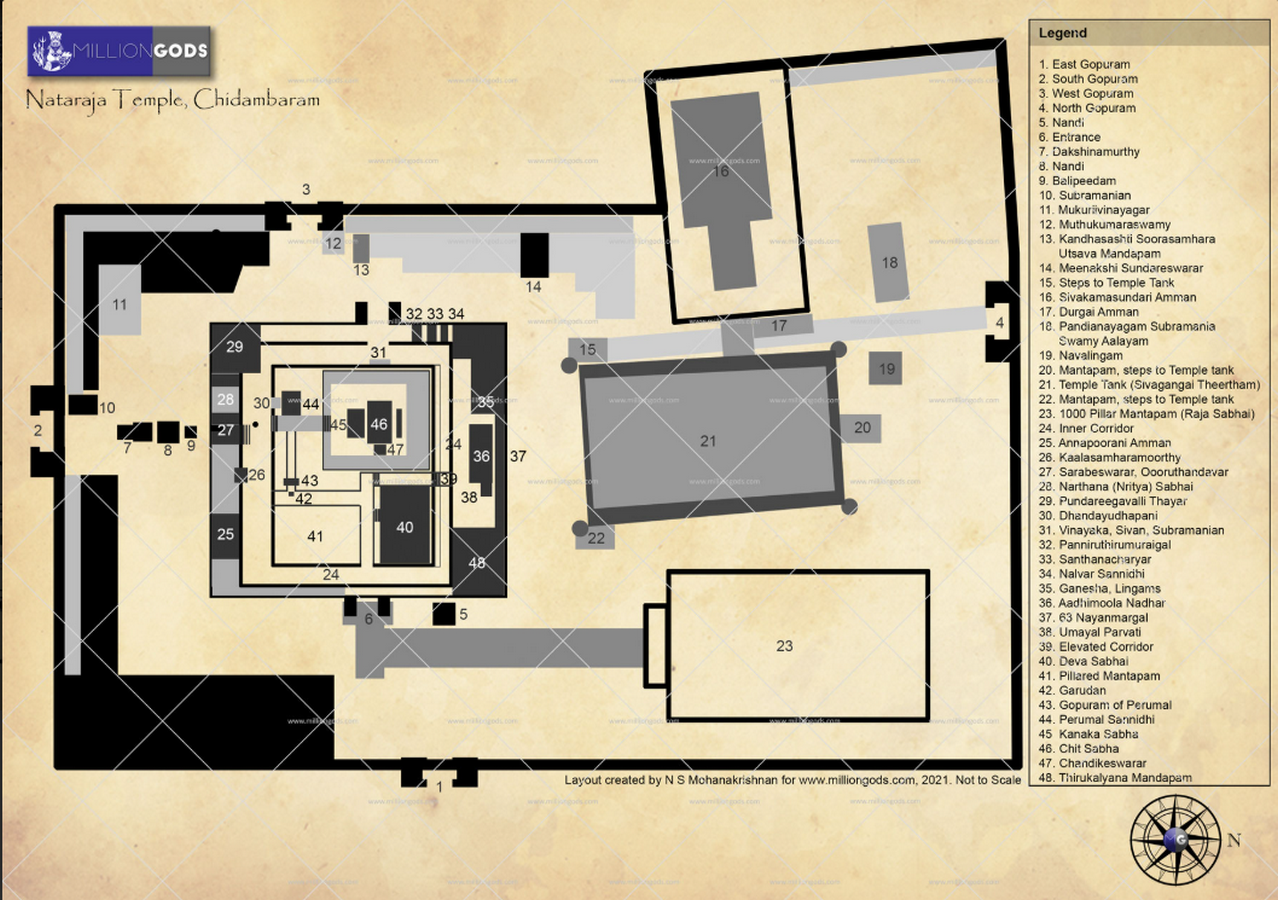
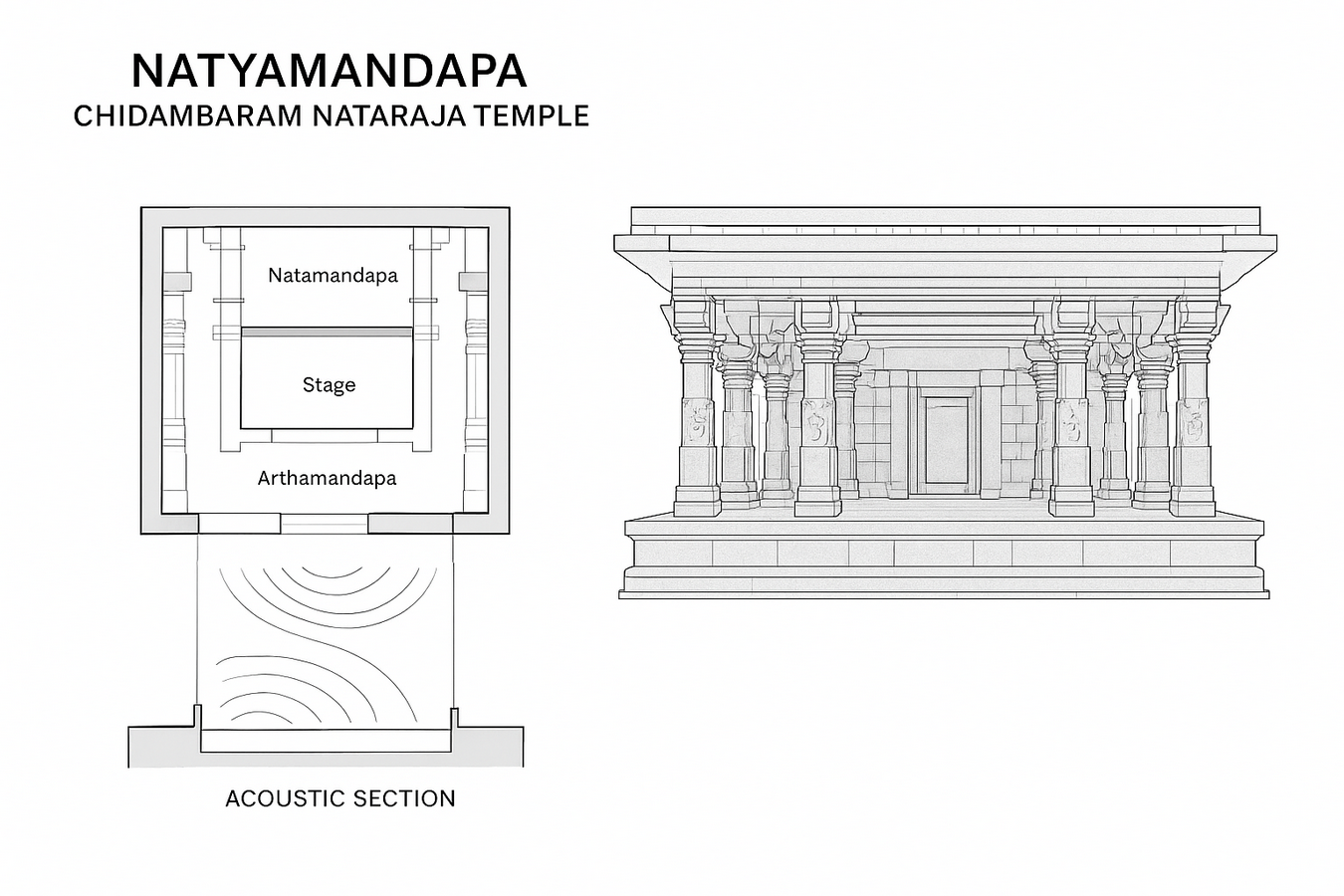
The Natyamandapa (also referred to in literature as the Nrithya/Nritta Sabha) is the temple’s formal dance hall and ritual stage aligned on the east-west axis directly in front of the sanctum (Garbhagriha). The hall’s geometry, materiality, and ritual sequencing are therefore integrated with acoustic intent.
Spatial organization (planal description)
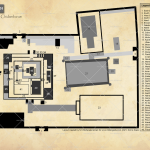
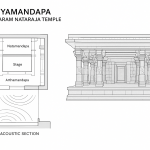
The Natyamandapa in the Chidambaram Natarajar Temple – the god who is cosmic symbolisation of dance and music is a rectangular hall composed of three stacked squares (a principal ~15 m side main chamber with an attached mukha-mandapa ~4×8 m), that is supported by closely placed carved granite pillars. There are 56 pillars in this hall, and it is strategically positioned before the arthamandapa ( transitional bay towards garbagriha ). This axial sequence establishes a graded public→private hierarchy and a controlled acoustic path from performance to sanctum.
Materials & surfaces
The primary construction is Chola-period granite (locally quarried), including carved monolithic pillars, coffered stone roofing, and a polished granite floor slab. As it is known, the granite possesses high surface density and low porosity, giving it significant reflectivity at mid-to-low frequencies and long sound energy retention compared with timber or perforated materials; this supports the hall’s natural reverberance for percussive and vocal ritual forms while remaining dimensionally stable. The same stone is used for the Garbhagriha, but the space has a thicker wall, shorter ceilings, and enclosures with minimal openings, which in turn reduces the noise, echo, and lets the silence prevail.
Design strategies for sanctum isolation.
The physical sequence (Natyamandapa → Arthamandapa → Garbhagriha) functions as an acoustic zoning system:
• Arthamandapa as buffer: the narrow Arthamandapa operates as a diffuser/attenuator, interrupting direct sound paths and reducing early-arriving energy to the sanctum.
• Volume and enclosure differences: the comparatively larger volume of the Natyamandapa supports longer reverberation and distributed sound; the small, highly absorptive-equivalent (geometrically compact) Garbhagriha yields a distinct trapped field that localises low-frequency energy and limits transmission.
• Surface articulation: carved pillars, recessed reliefs, and coffered ceilings introduce distributed diffusion and break strong specular reflections, reducing focused echoes that might penetrate deeper into the sanctum. These are architectural techniques that modulate energy without modern absorbers.
Forts: The Royal Ritual of Sound
As the divinity of temple chants and music is addressed with granite-clad natyamandapas, India is not just a land of art; it is also a land that has seen more power clashes and hence had the most refined defense systems that even included acoustics as a spying tool. The great forts of Amber, Mehrangarh, and Jaisalmer once echoed with naubat — ceremonial music played during royal rituals. At the entrance of each fort stood the Naubat Khana, or “house of nine instruments,” where drummers and trumpeters performed at sunrise and sunset, marking the rhythm of royal life.
These chambers were mostly placed in the highest point of the fort, where both the royal inmates and the people living in the city can hear and be aware of. It acted as a medium of communication from the fort to the people.
The daily music was both announcement and ritual. The beats of the nagara drums and the blare of trumpets proclaimed not just the presence of the ruler, but the order of the kingdom. During festivals and coronations, music filled the massive courtyards of the fort, carried across walls and dunes, transforming the fort into a stage of collective celebration.
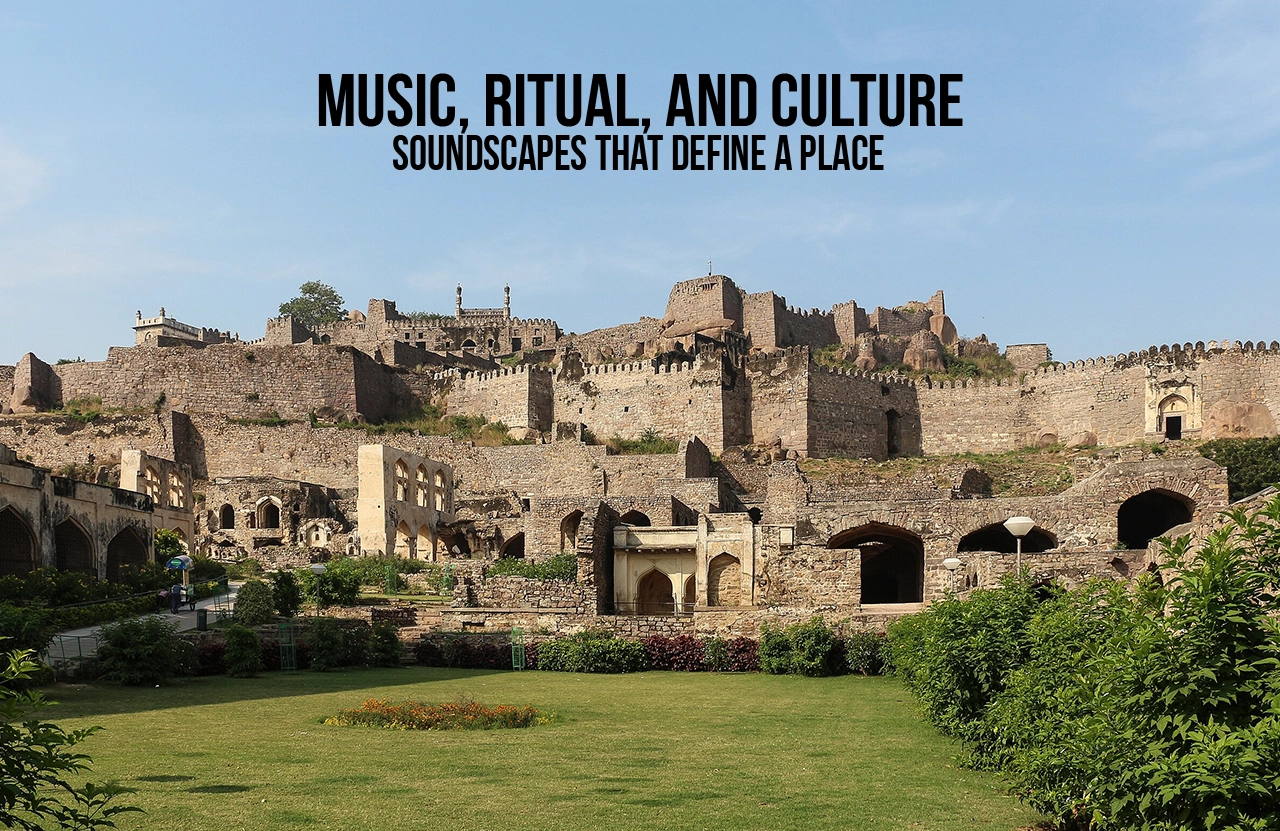
The Golconda fort in Hyderabad is known for its acoustics – a small noise of a clap can reputedly travel more than 1km inside the citadel. Constructed by the input of Iranian architects, they instructed the Qutb Shahis to mix into the building materials several substances that possessed excellent sound reflection, like clay and metals. The architects also recommended the construction of many arches and porticos, which helped to amplify sound. This acted as an excellent defence system for the fort.

Even in times of war, the same acoustics that hosted celebrations became conduits of strategy. Echoes carried messages from gate to gate, which blended practicality with ceremony. Within these forts, sound embodied both power and identity. It was the voice of the state, resonating through stone.
The Chapel: Song as Prayer
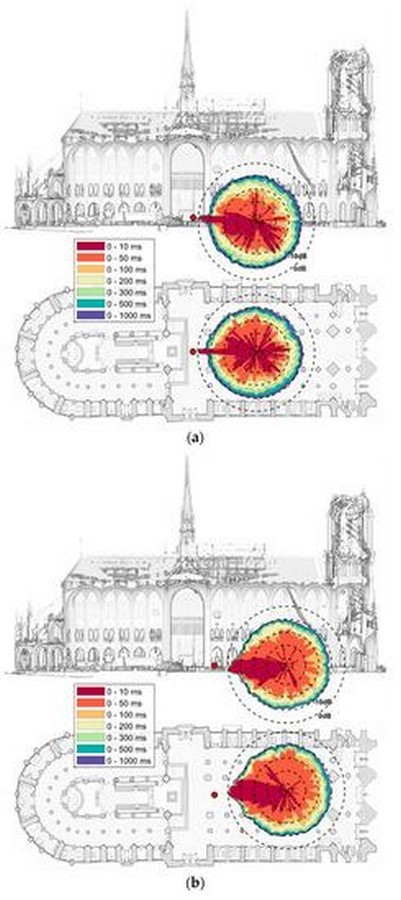
Where temples offered chants and forts proclaimed drums, the chapels of Europe embraced harmony as devotion. In the quiet interiors of Gothic cathedrals or Renaissance chapels, the act of singing became a sacred ritual. The architecture was integrating this ritual as the core idea of building — high vaulted ceilings, the stained glass, stone ribs, and long naves had amplified every note that was let out while singing and amplified it to the soul, all divine.
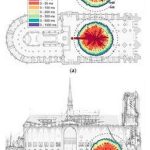
The daily ritual of choral prayer, whether in a small monastery or the grandeur of St. Paul’s or Notre Dame, Gregorian chants and later polyphonic hymns are not just prayers but a complete spatial experience. Each layered voice floated upward, intertwining in the air, as though rising toward heaven.
The Sensory Garden: The Ritual of Listening
In today’s world, the ritual of sound has shifted from worshipping gods to nurturing the self. The sensory garden, a contemporary design response to our overstimulated lives, reimagines the idea of a sacred soundscape. With the bustling noise of honks and announcements every day, even our soul needs a break to feel relaxed and soothed.
Here, the rustle of leaves replaces the chant; the trickle of water stands in for the bell. Visitors are encouraged to listen to the textures of the environment. The sound of gravel underfoot, the breeze moving through bamboo, or the steady rhythm of a fountain creates a natural orchestra of calm.
These gardens are not just aesthetic landscapes; they are spaces of ritual mindfulness. People enter them seeking balance, presence, and silence — the same emotional states once found in temples and chapels. The sensory garden is, in many ways, the modern chapel of the ear: a place where we reconnect with the world through sound.

Across all these examples — temple, fort, amphitheatre, chapel, and garden — one truth stands out: music and ritual give sound a purpose, and architecture gives it form.
Each represents a stage in humanity’s evolving relationship with sound — from devotion to dominance, from community to contemplation. Together, they form a timeline of how cultures shape emotion through space and sound. The music, rituals, and culture not only create soundscapes, but they are among the very few escapes that we get to experience in this noisy world with buzzing, indistinct echoes.