A City That Forgot to Breathe
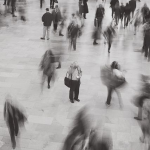
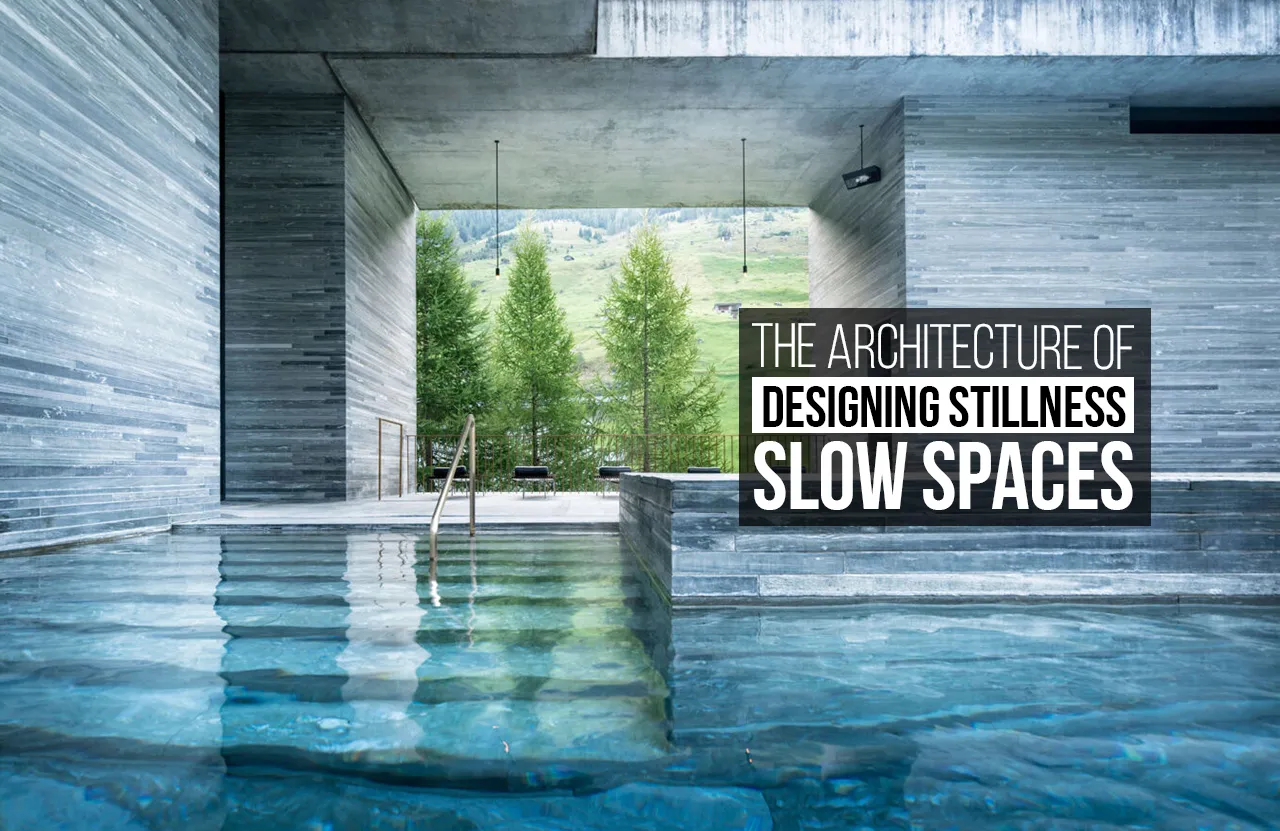
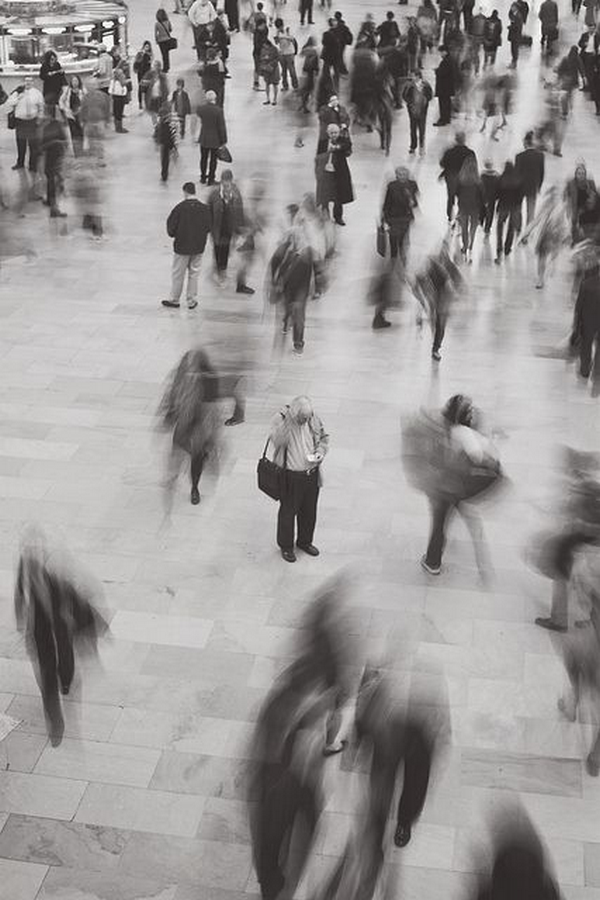
Every city hums at a different rhythm. Some pulse with urgency, the sharp hiss of brakes, the glow of screens, the blur of bodies moving from one destination to the next. Others seem to hold their breath, waiting for a quieter life to return. Somewhere between those two lies the invisible question: When did we stop giving ourselves permission to pause? Walk through any city today and you’ll feel it, the rush built into the architecture itself. Benches that make you sit upright and leave quickly. Corridors designed for movement, not meandering. Even plazas that look perfect in plan but forget to create silence. We’ve built places for transaction, not reflection. Cities that push us forward, when what we often need is a reason to stop.
In this obsession with speed, faster internet, faster transport, faster everything, something essential slips away. The rhythm of reflection. The art of stillness. The gentle awareness of being somewhere, not just passing through it. Architects are beginning to talk about slow spaces: environments that invite stillness, that let the mind wander and recalibrate. The Japanese call this ma, the interval that gives life its texture (Isozaki, 2001). Maybe that’s why cafés stay with us longer than highways do. Why a shaded courtyard feels more human than a glass lobby. Because architecture, when done right, isn’t just about form or shelter, it’s about tempo.
The Paradox of Speed
How did something once defined by permanence become addicted to speed? Maybe it happened when progress began to mean productivity. In a world that worships doing, simply being has become an act of rebellion.The last century was a race. Machines got faster, cities got louder, and architecture followed suit. Le Corbusier built “machines for living,” and glass towers became emblems of efficiency (Curtis, 1996). Function triumphed over feeling. Speed is seductive, it promises control, relevance, growth. But what happens when everything moves too fast for meaning to catch up? What happens to the street corner that used to spark conversation, or the verandah that let you sit without purpose?
Sociologist Hartmut Rosa (2013) calls this social acceleration, the paradox where time feels scarce even when technology saves it. We fill our pauses with noise, notifications, and novelty. Spaces mirror that restlessness.
Carl Honoré (2004) says it best: “We’ve forgotten how to live, not just how to stop.” Architecture should remind us how. Maybe the next challenge isn’t building faster cities, but gentler ones, places that stretch our sense of time instead of squeezing it. Imagine a building that teaches you to breathe. A corridor that slows your pace without you noticing. A courtyard where minutes blur into light and shadow. Good architecture doesn’t hurry us; it moves with our pulse.
Understanding Slow Design
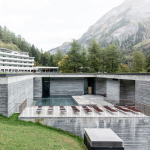
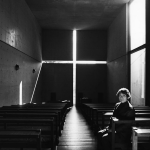
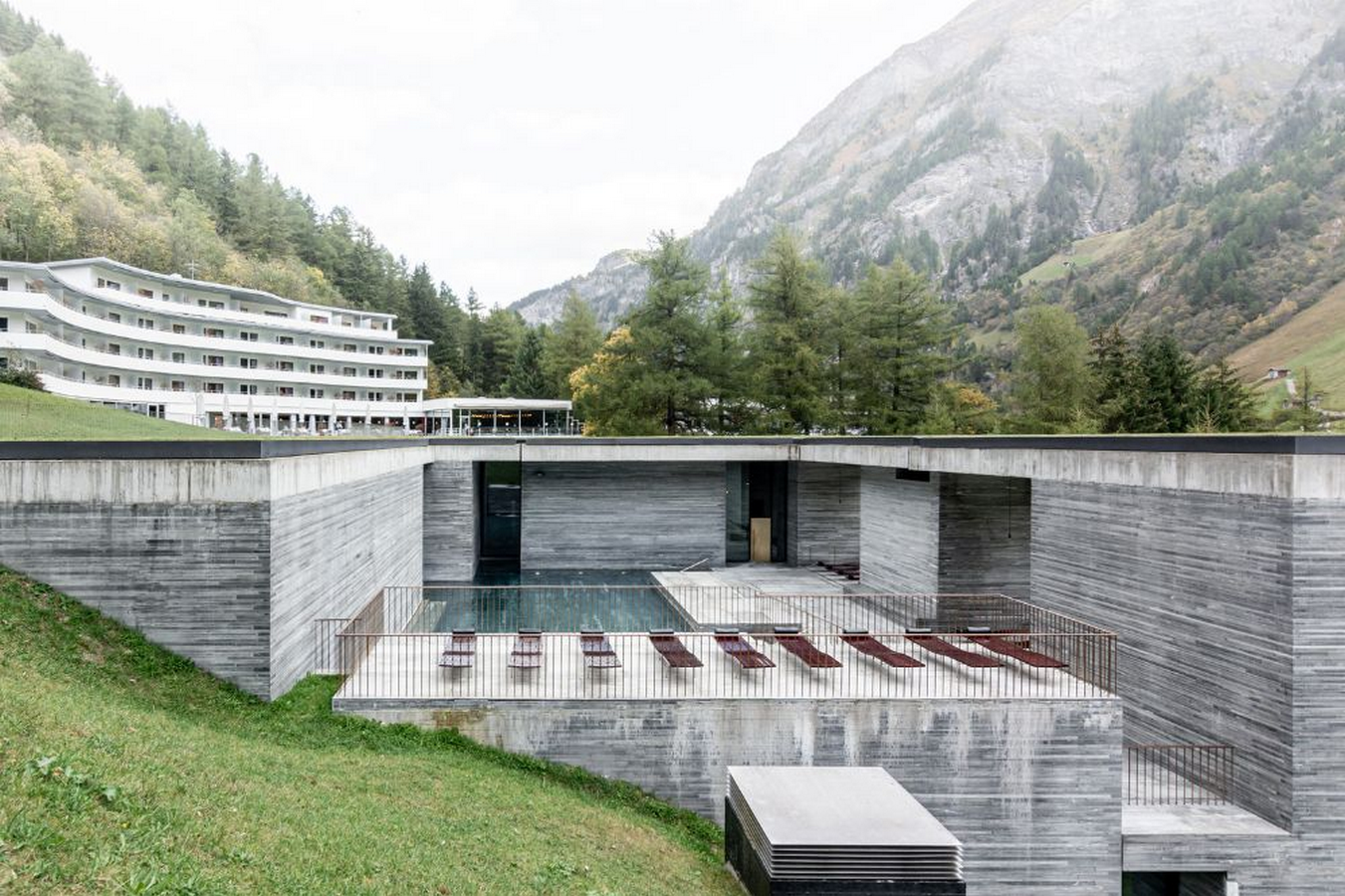
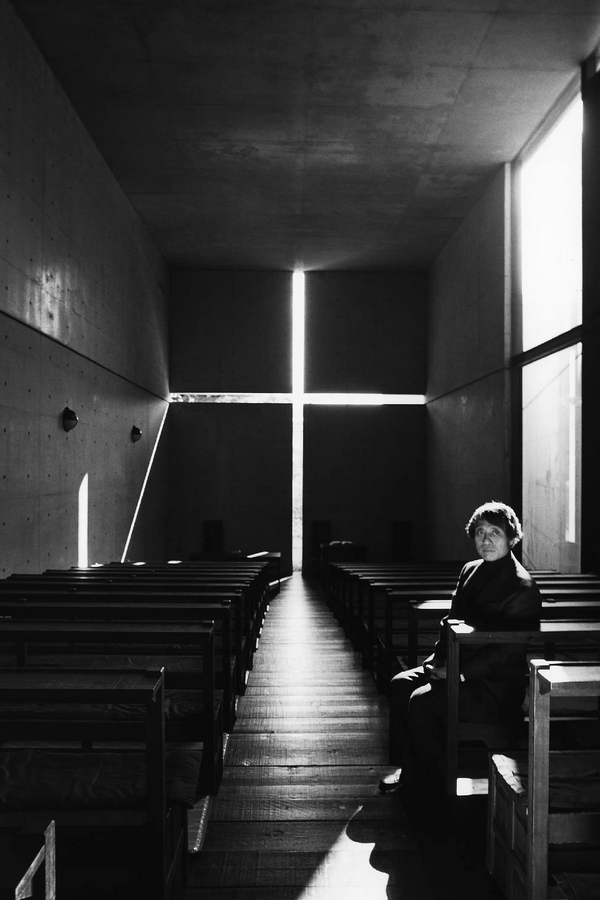
Slow design emerged as a quiet protest against a world that moves too quickly. Philosopher Alastair Fuad-Luke (2002) described it as “reflective, considered, local, and enduring.” It values resonance over efficiency, depth over speed. In architecture, it means designing spaces that grow old gracefully, that engage the senses, that age and evolve with us. It’s not nostalgia, it’s an alternative future. Maybe slowness isn’t the opposite of progress; maybe it’s the measure of it. Peter Zumthor’s Therme Vals is slow architecture at its purest, light and stone teaching you to linger, to listen to water and silence. Tadao Ando’s Church of Light turns stillness into geometry, where illumination itself becomes a sacred experience (Tanizaki, 1977).Slow architecture doesn’t freeze time; it makes time tangible. It doesn’t demand attention, it earns it.
The Anatomy of a Slow Space
So what makes a space slow? It’s not stillness, it’s awareness.
Material. Wood that warms to touch, stone that holds history.
Light. Filtered light that changes through the day, a quiet reminder that time is moving (Pallasmaa, 2012).
Sound. The hush that invites thought instead of conversation.
Scale. Spaces scaled to humans, not to egos.
Sequence. Meandering paths that let you discover rather than arrive.
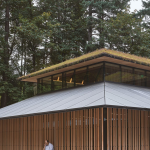
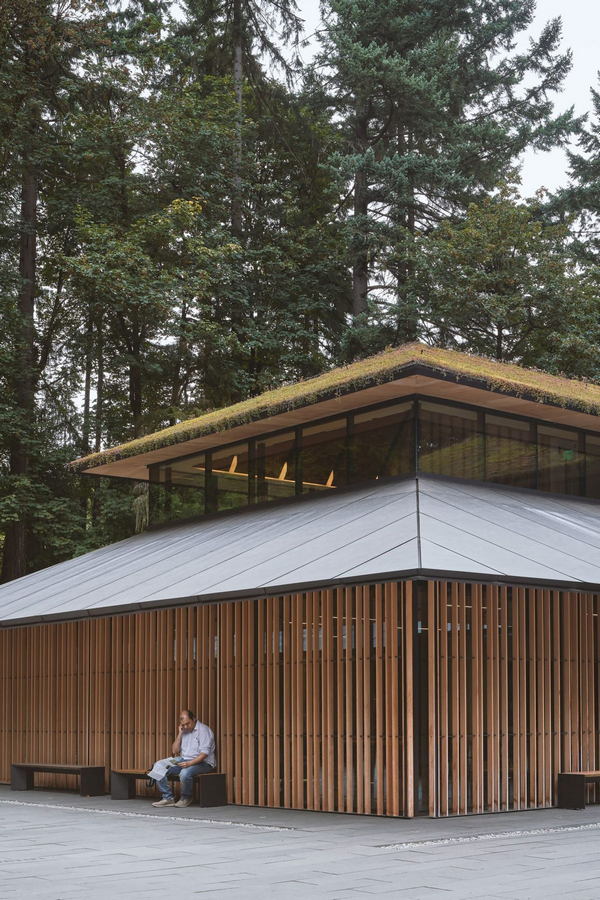
The Japanese tea house embodies this idea. Rooted in wabi-sabi, it celebrates imperfection and waiting. Architect Kengo Kuma’s contemporary versions use bamboo screens, transparent walls, and dappled light to let time unfold slowly (Kuma, 2012). These spaces don’t demand presence, they gently invite it.
Moments of Stillness
Some buildings are born fast but live slow.
Therme Vals, Switzerland – Zumthor’s stone bathhouse transforms bathing into meditation.
Church of Light, Osaka – Ando turns silence into architecture.
Superkilen Park, Copenhagen – a playground of cultures that still makes room for pause (Gehl, 2010).
Garden of Silence, Chandigarh – a minimalist park that whispers peace within chaos.
None of them shout for attention. They hum quietly, like background music that becomes more beautiful the longer you listen.
The Post-Pandemic Shift
The pandemic forced us to stop, and in doing so, it reminded us what space feels like when we’re present. Suddenly, balconies became sanctuaries. Courtyards became lungs for cities. The outdoors felt sacred again.
When the world reopened, we didn’t just crave connection, we craved calm. Designers began imagining “15-minute cities,” walkable neighbourhoods, and public spaces meant for lingering. Biophilia and mindfulness found their way into masterplans (Beatley, 2020). The architecture of pause moved from being a luxury to something deeply human, a collective exhale after years of speed.
The Philosophy of Waiting
Waiting has always been misunderstood. It’s not emptiness; it’s patience made visible. In a culture obsessed with immediacy, slowness becomes radical. Gaston Bachelard (1958) wrote that we only become intimate with a place by dwelling in it. To sit quietly, to listen to the hum of wind through bamboo, to watch light crawl across a wall, that’s when architecture stops being a background and becomes a companion. Maybe the future of design isn’t efficiency. Maybe it’s empathy. Maybe the most progressive thing an architect can do is teach the world to slow down.
Designing the Pause
The architecture of pause doesn’t resist modernity, it redeems it. It doesn’t fight speed; it frames it. It reminds us that the true worth of a city lies not in how fast it moves, but in how gently it lets us stop. If architecture can accelerate us, it can also teach us to breathe. The next revolution in design might not be about building taller or faster, but about creating moments that make us feel time again.
To design a pause is to design humanity back into our built world, one bench, one courtyard, one quiet heartbeat at a time.
References:
Bachelard, G. (1958). The Poetics of Space. Boston: Beacon Press.
Beatley, T. (2020). Biophilic Cities for the 21st Century. Washington, D.C.: Island Press.
Curtis, W. J. R. (1996). Modern Architecture Since 1900. London: Phaidon Press.
Fuad-Luke, A. (2002). The Eco-Design Handbook: A Complete Sourcebook for the Home and Office. London: Thames & Hudson.
Gehl, J. (2010). Cities for People. Washingto,n D.C.: Island Press.
Honoré, C. (2004). In Praise of Slow: How a Worldwide Movement Is Challenging the Cult of Speed. London: Orion.
Isozaki, A. (2001). Ma: Space-Time in Japan. Tokyo: Kajima Institute Publishing.
Kuma, K. (2012). Anti-Object: The Dissolution and Disintegration of Architecture. Tokyo: AA Publishing.
Pallasmaa, J. (2012.) The Eyes of the Skin: Architecture and the Senses. Chichester: Wiley.
Rosa, H. (2013). Social Acceleration: A New Theory of Modernity. New York: Columbia University Press.
Tanizaki, J. (1977). In Praise of Shadows. New Haven: Leete’s Island Books.