Bombay (then) has always been an idea, a figure of myth and desire, more than it has ever been a physical construct. Home to Bollywood (Indian Hindi cinema based in Mumbai (Bombay)), the city emerged as the setting for a lot of movies, especially those whose storyline was based on the idea of dreams and desires. Nicknamed the City of Dreams and the City that Never Sleeps, Mumbai has always attracted a vast variety of people from all over the country.
Ruled by the Silahara Hindus of Puri from 810 – 1260 CE, Bombay became a part of the maritime trading network of the north Konkan ports controlled by them. This trade led to the migration of a large floating population of Hindus, Muslims, Arabs, Persians, and Jews. Bombay was an essential port and trade hub in India by the middle of the 19th century. When India gained independence in 1947, Mumbai was the country’s financial hub, and over half of its population was immigrants. This sense of security and opportunity has transformed Mumbai into one of the most active and migratory hubs over the past eight centuries.
Bombay vs Mumbai
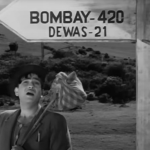
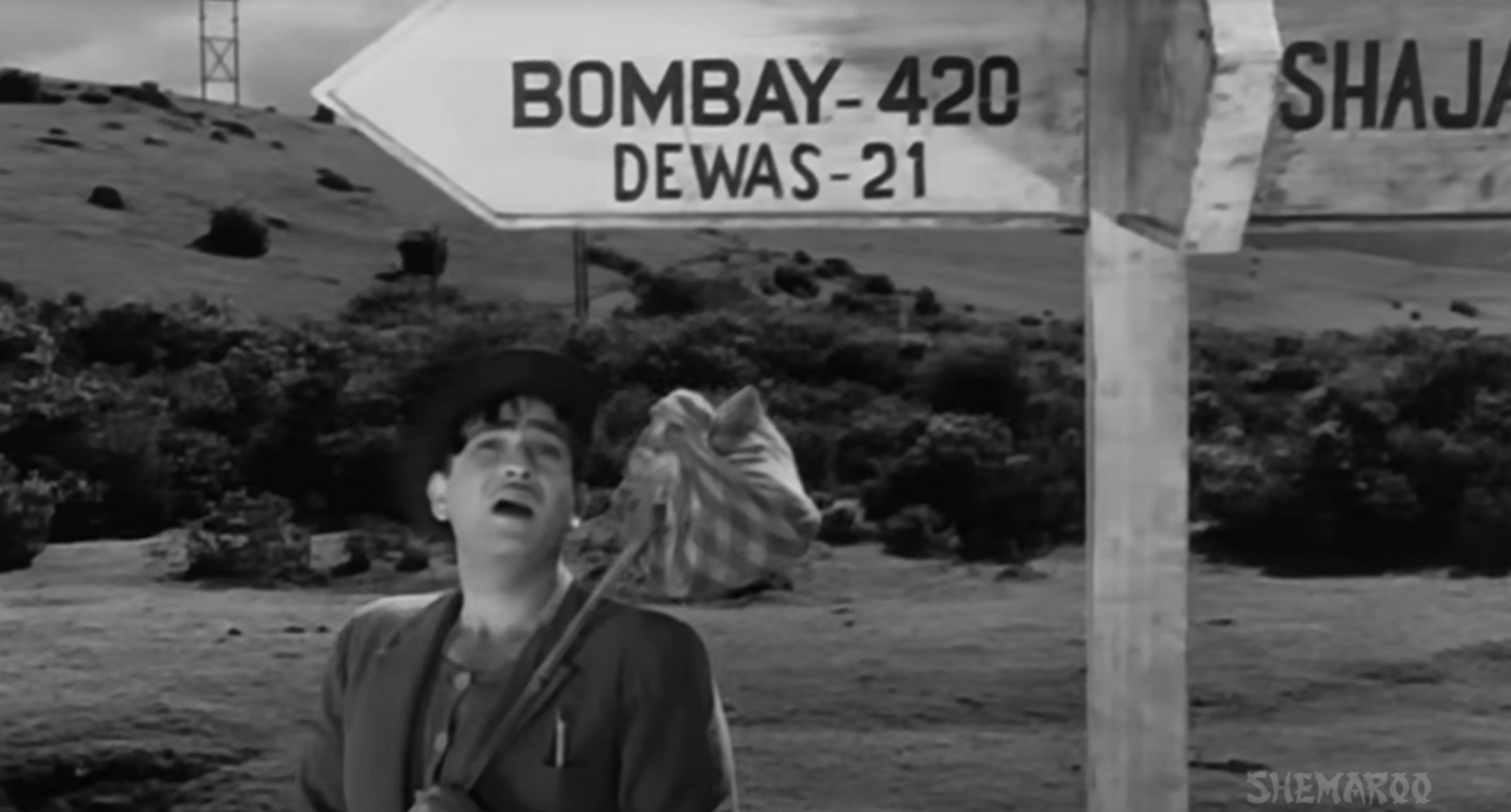
Films and cinema have a knack for representing context by condensing it into a few carefully framed shots. Earlier, Bombay (then) was expressed through shots of Raj Kapoor, a boy from the village, walking all the way from Allahabad, with the hopes of earning a living. Shots of red BEST (Brihanmumbai Electricity Supply and Transport Undertaking) buses with the backdrop of Victoria Terminus (now Chhatrapati Shivaji Maharaj Terminus) often appeared, setting the scenes for a variety of films between the 1960s and late 1990s.
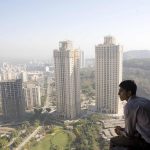
Today, Mumbai is usually represented through typical aerial shots of the Queen’s Necklace (Netaji Subhash Chandra Bose Road), a drive across the Bandra Worli Sealink (Rajiv Gandhi Sealink) and the skyscrapers of central Mumbai.
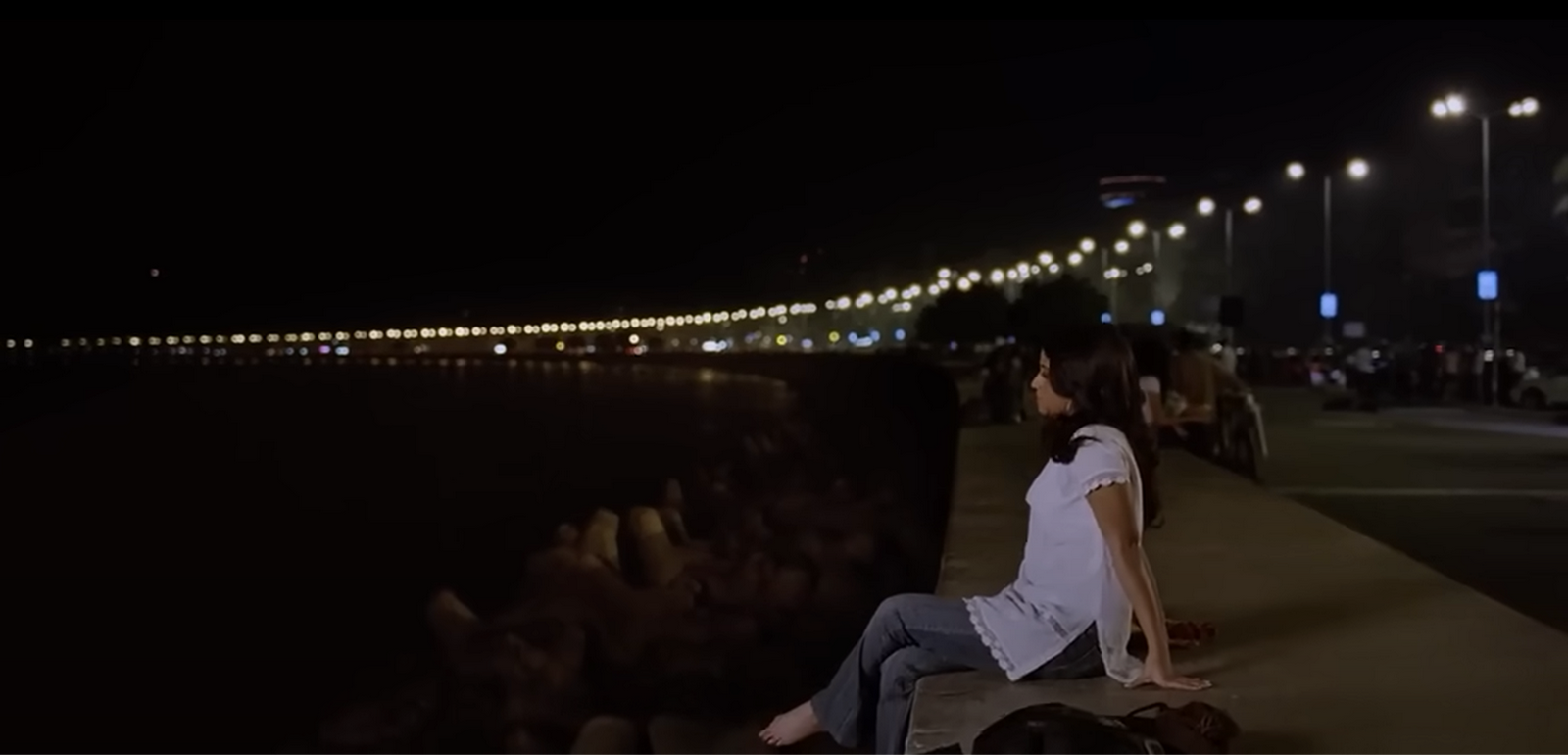
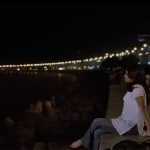
What this shift in the portrayal of the city brought about was the idea of nostalgia linked to ‘Bombay’ and one of modernity and pace linked to ‘Mumbai’. Being used as visual cues, architectural landmarks, and spaces began to depict emotions and environments.
Mumbai as portrayed in the Global Media
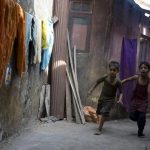
Slumdog Millionaire, an international production based on the life of a young boy from the slums of Mumbai and his journey to fortune, provides us with a contrast we don’t often see in films. The first half of the film is shot in what is called the Hollywood style, dark, horizontal and closer to reality. Shot on 35mm film to truthfully capture the mood and vicinity of the Dharavi slums in Mumbai, the crew modified and tested multiple camera setups to minimise any disruptions in the natural routines of the inhabitants. The second half follows more of the traditional Bollywood style of shooting, with aerial shots, glamour, and bright lights. The movie has made an effort to bridge the gap between the slums and the skyscrapers, the wealthy and the poor, an everyday reality that the city so obviously offers but is usually ignored.
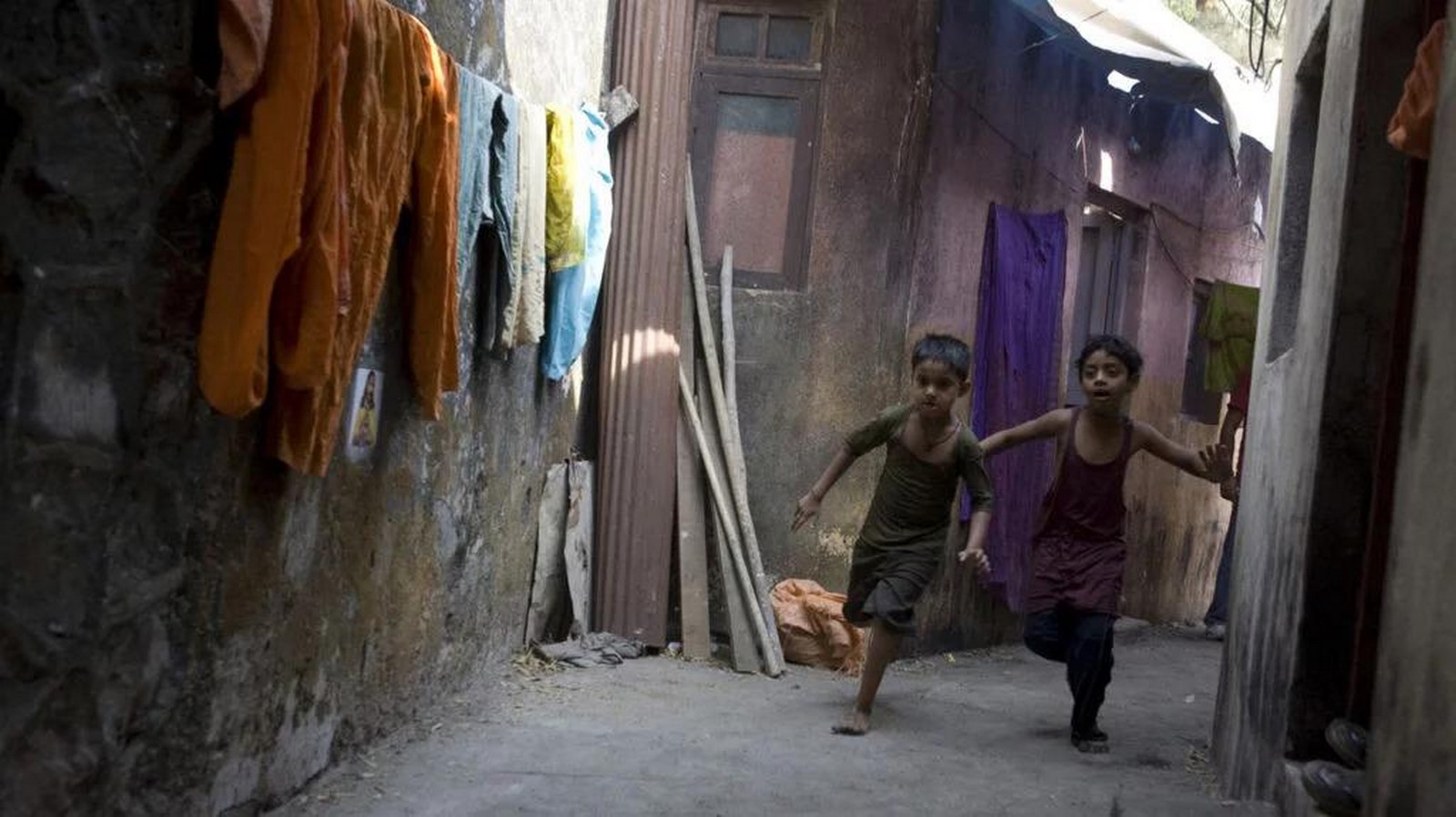
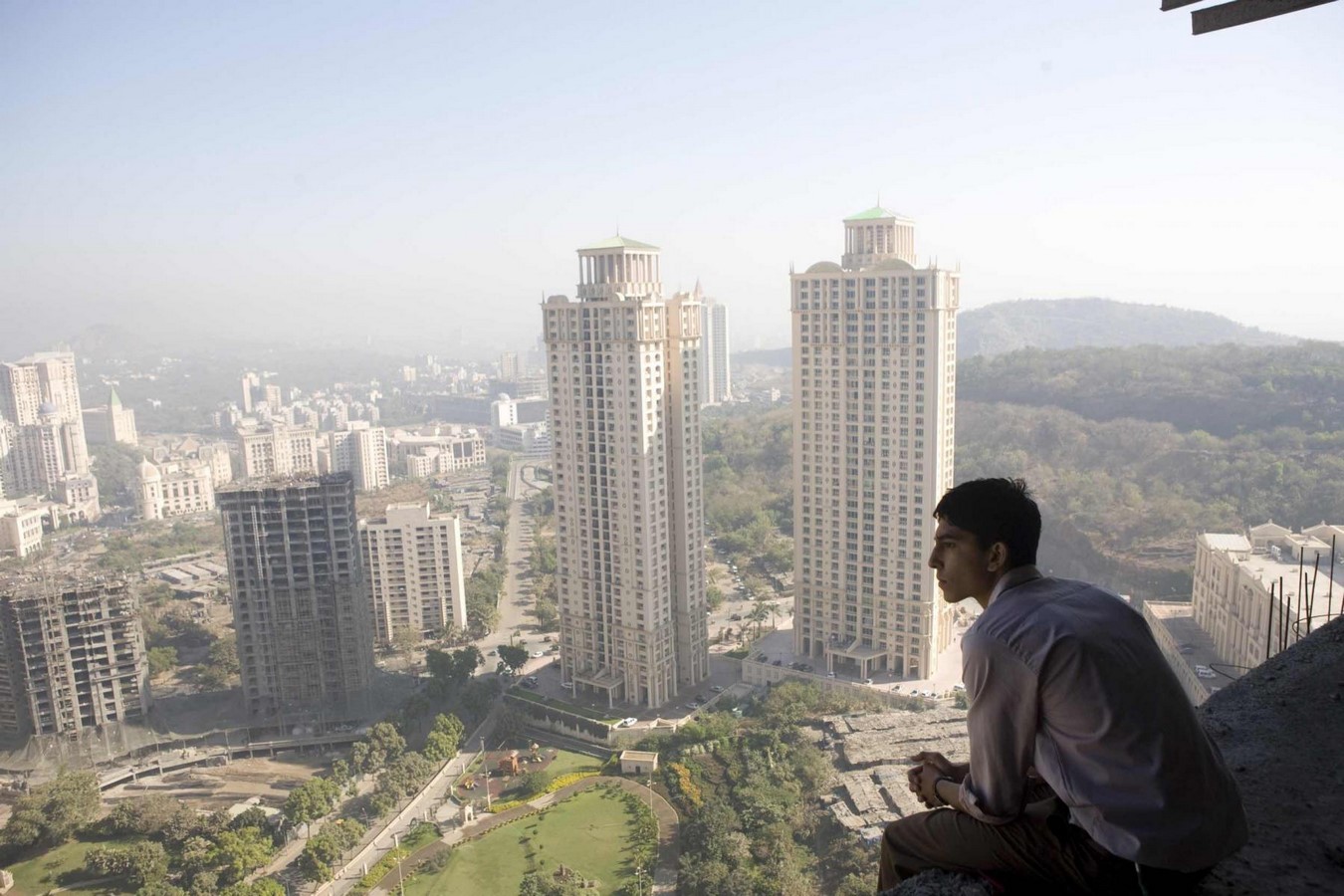
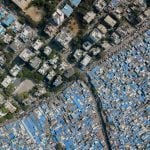
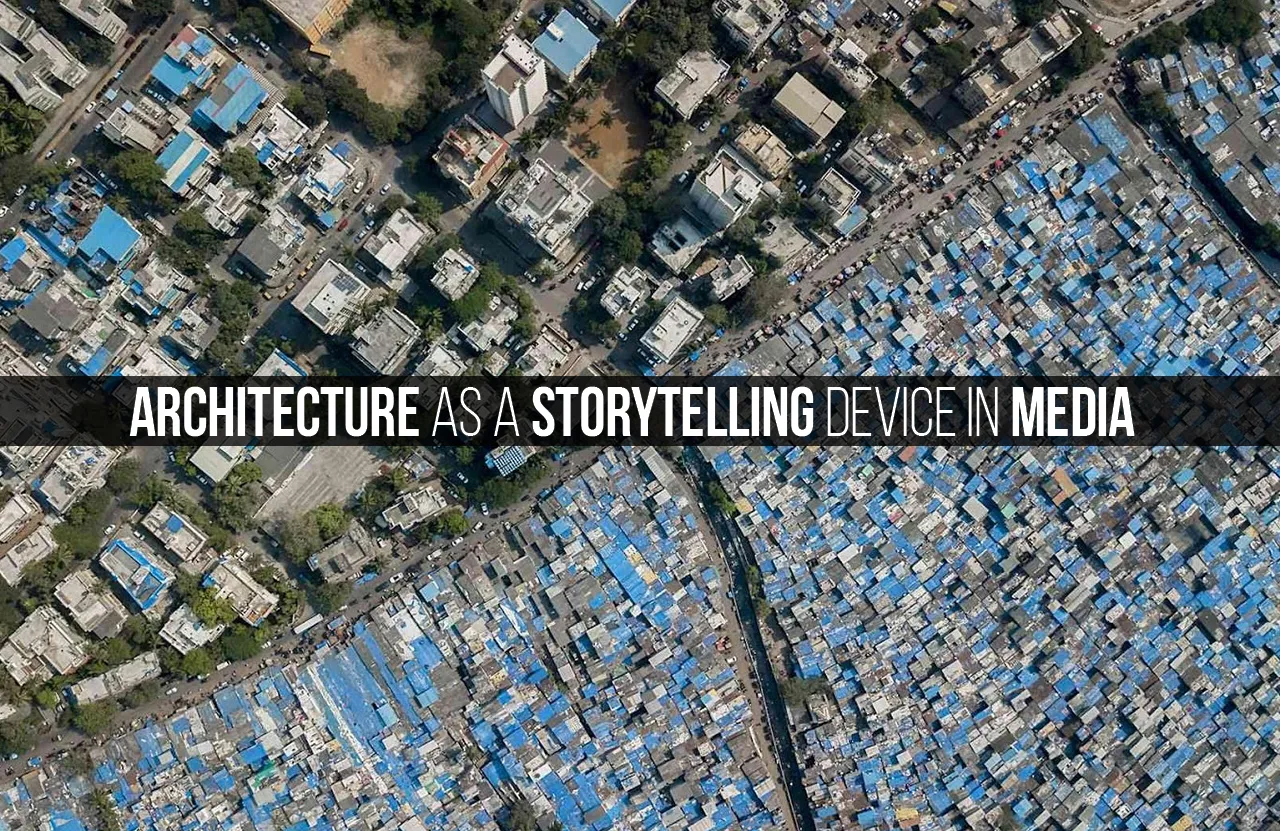
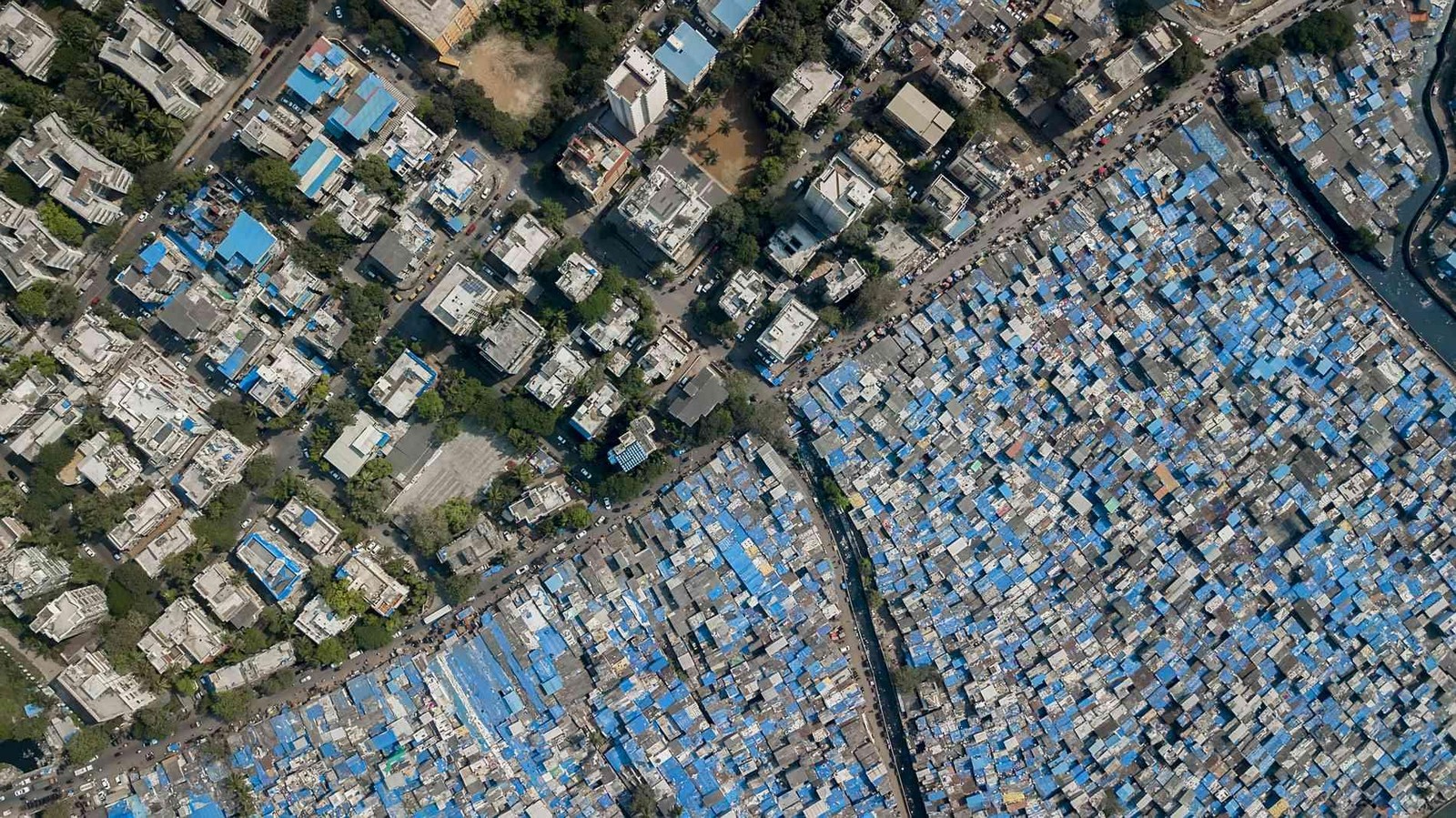
Alternatively, Mumbai shown through other media, such as journalism and photography, is far more accurate, providing the contrast and disparity films often miss. An intriguing photo series by Johnny Miller points out the socio-economic inequalities that are hard to see from the ground, but are so vividly present from several hundred feet above the ground. The striking visuals of “extreme wealth and privilege come into light just meters from squalid conditions and shack dwellings”. Using an aerial photograph of the context of Dharavi, Johnny Miller frames the largest slums in Asia, one with a greater population density than Manchester, squeezed into an area smaller than Hyde Park, placed alongside well-planned and serviced housing societies, highlighting internal boundaries and borders formed within the city over time.
Imagined City
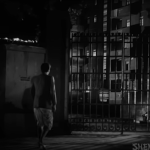
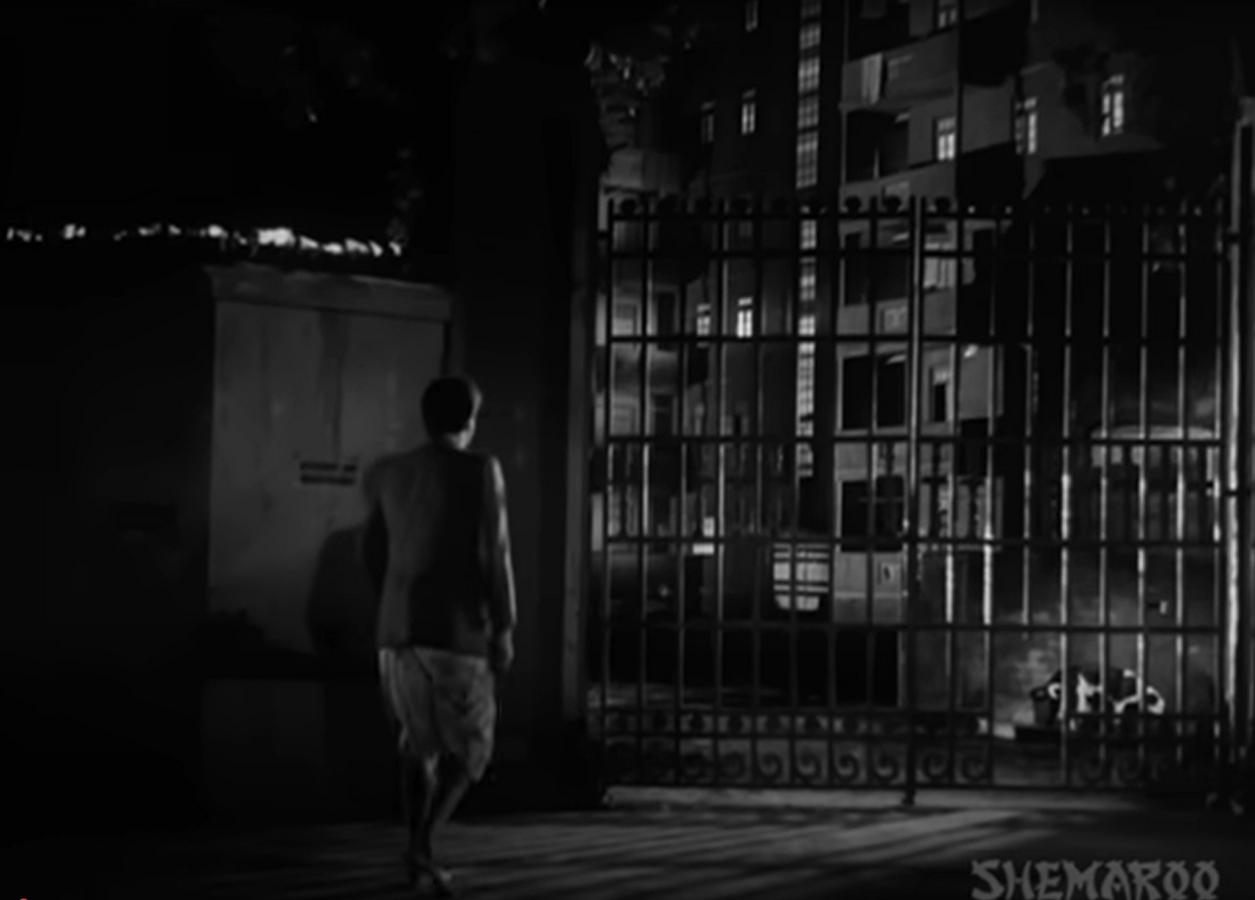
Indian cinema has now presented Mumbai as a city where everyone may be embraced and readily integrated into its fabric. But in comparison, isn’t reality rather different? Taking Jagte Raho as an example, a 1956 black and white film, depicts the hardships faced by migrants in Bombay (then). In the film, Raj Kapoor plays the role of a poor villager who moves to Bombay from Kolkata with high hopes to build a future in the city. He is in desperate search for water and in this process enters a building where he exposes the venality and dishonesty of the building’s residents, throwing light on the people of the city. Bombay is depicted as a modern but negative place where people from other areas need to change themselves to blend with the people. The insider-outsider prejudice is so vividly depicted in this film, where the residents of the city have elevated themselves onto a pedestal, not realising that they have been corrupted by the city itself.
On the other hand, the corporate salaried migrant, who comes to the city, is greeted with skyscrapers as the city demolishes slums, blaming working-class migrants for overcrowding.
How do we bridge the gap between the Imagined and the Real?
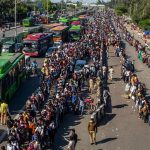
Media has always provided us with contrasting images of the world we live in. On the one hand, it provides us with a romanticised, nostalgic image of the city, while the other shows us the staggering reality that is so often overlooked. Taking the lockdown during COVID-19 as an example, the working-class were forced to occupy roads and state borders, wandering in a space that was neither home nor city, neither inside nor outside.
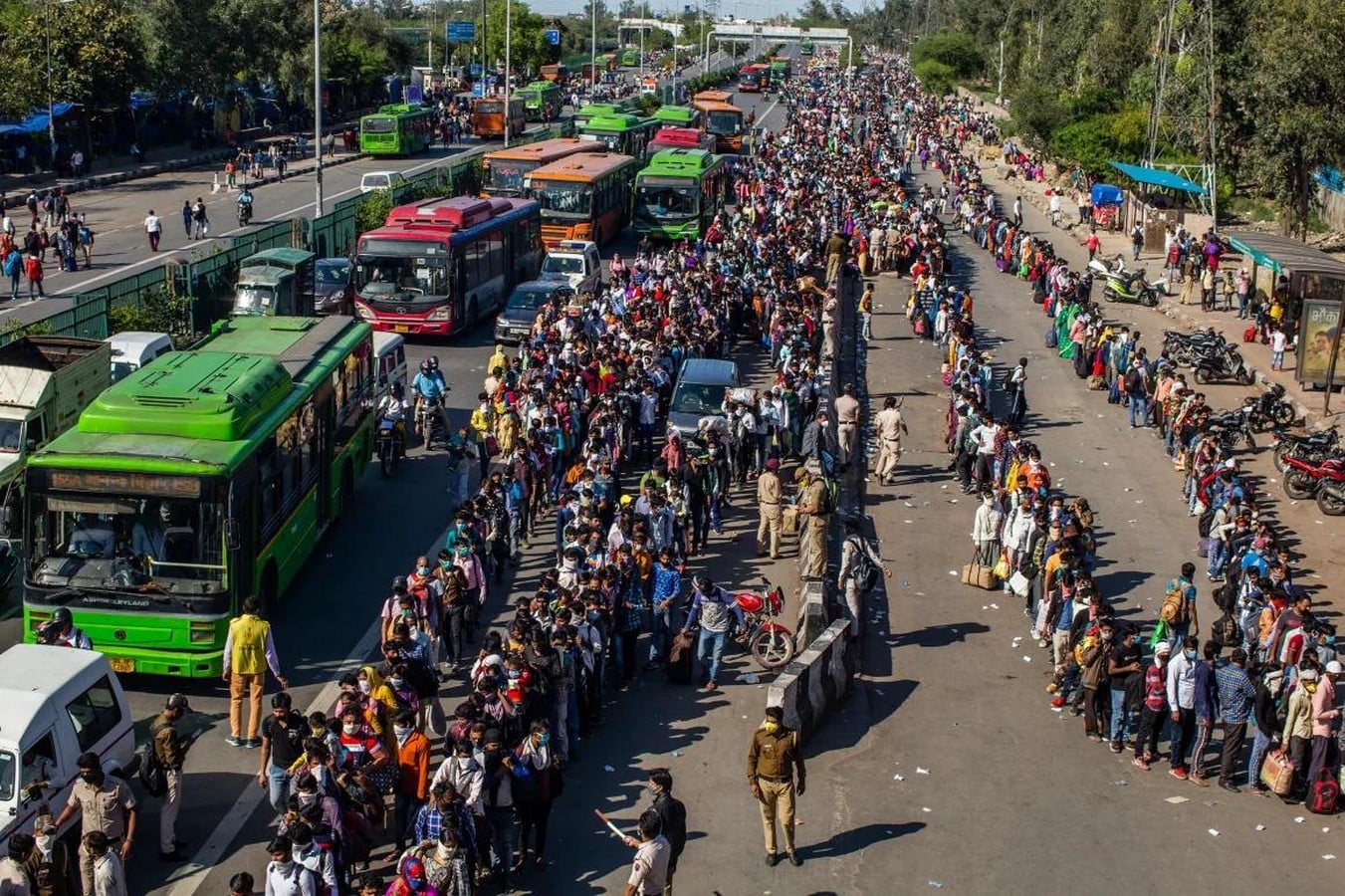
The pandemic was able to highlight the gap between the two major economic classes, which could no longer be ignored. It was exaggerated further in terms of opportunity and serviceability, parameters that are overshadowed by the city’s constant dynamism. The thin, blurred line that separates the imagined city and the real city thus comes to the forefront of several conversations. How do we strike a balance between the imagined and the real to make it liveable? Can the imagined and the real ever be the same? Often, the fictional is viewed through literature and the real through architecture. For them to overlap and bridge the divide, it is necessary to approach the planning of the city through multiple disciplines and not solely architecture.
References:
The best cinematography: A look at slumdog millionaire (2022) NYFA. Available at: https://www.nyfa.edu/student-resources/best-cinematography-look-slumdog-millionaire/ (Accessed: 02 October 2025).
Kulkarni, K. (2017) How Mumbai became a magnet for migrants, Gateway House. Available at: https://www.gatewayhouse.in/how-mumbai-became-a-magnet-for-migrants/ (Accessed: 02 October 2025).