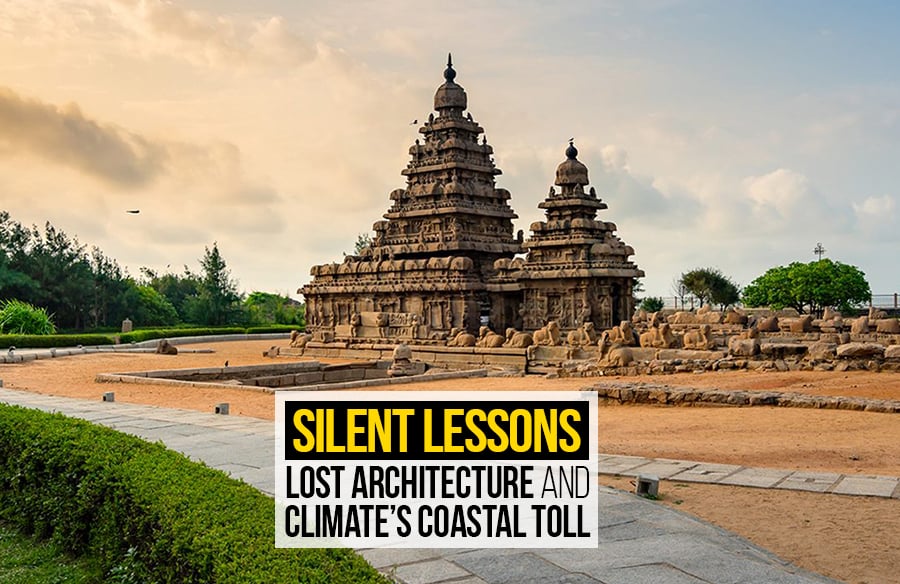
Lost architecture does not disappear; it fades away among the waves, sudden shifts of tides, slow advances of shorelines. Among the many ways that built form is destroyed, nature is one of the most powerful ones. Coastal settlements worldwide demonstrate the fragility of our attempts in the face of environmental changes and natural calamities. There are many such examples, such as Dwarka submerged beneath the Arabian sea, to many towns on the coastline facing the threat of rising waters. In this article, these locations are not just seen as archaeological relics, but as a reminder of the fragility of human habitation in the natural world.
Dwarka: A Submerged Legacy
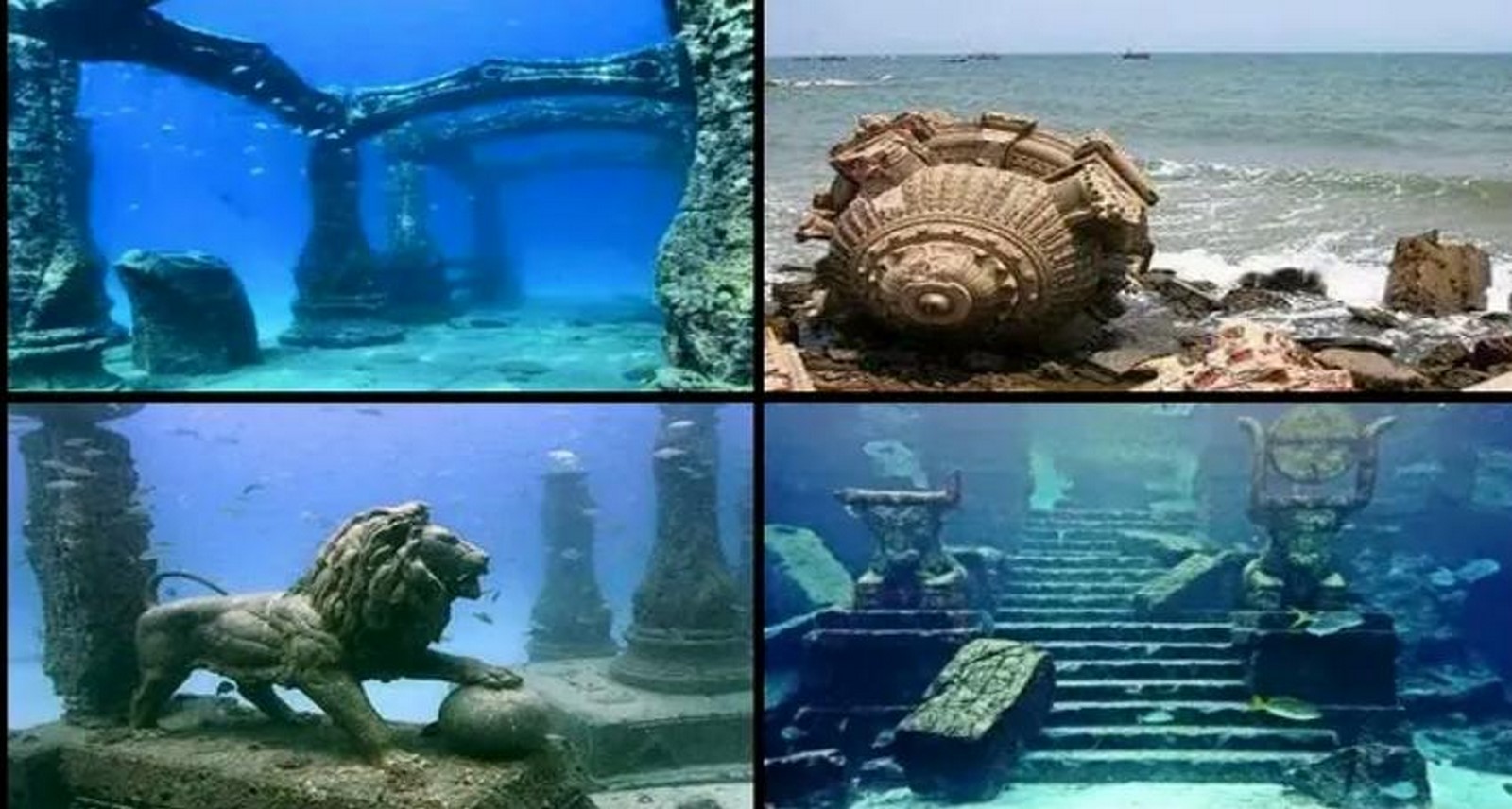
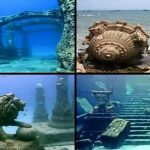
There are very few sites in India that capture the essence of lost architecture as Dwarka, the kingdom of Lord Krishna, as written in ancient myths. Dwarka’s narrative is a legend and an archaeological discovery. Underwater excavations in the Gulf of Khambhat uncovered remnants of roads, stone walls, and artefacts, an indicator of human activity thousands of years ago. Nevertheless, whether these ruins match the myth, it does show how the sea has consumed once living architecture. The story of this city demonstrates the dual nature of loss and memory; while the built forms have vanished physically, its cultural significance remains.
Seaside Towns and Eroded Edges
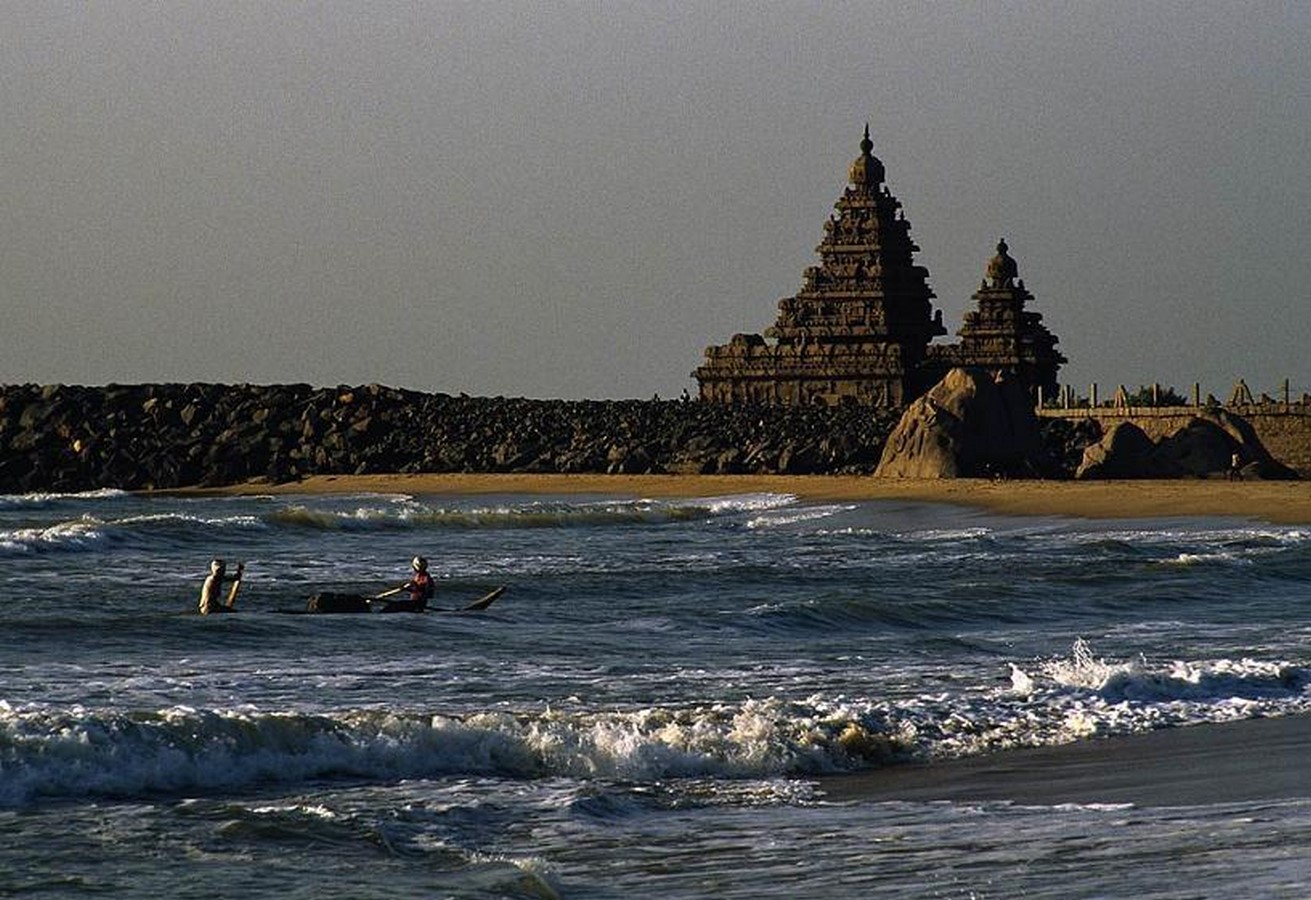
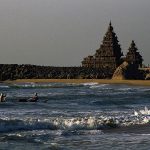
Coastal erosion is a daily truth for many communities. Over decades, entire stretches of shorelines in Gujarat, West Bengal & Odisha have been washed off by the sea. The Mahabalipuram temples, once under the threat of being lost, are partially submerged and partially uncovered “Seven Pagodas” are now located underwater, with only one, the Shore Temple, visible above water today, which signifies persistence and fragility. These instances of lost architecture are not just during ancient times but are a part of an ongoing cycle affected by climate, tides, and storms, which reshapes our landscape and erases built forms. This destruction extends beyond buildings, it’s the loss of homes, livelihood, cultural foundations.
Cyclones and Instant Calamity
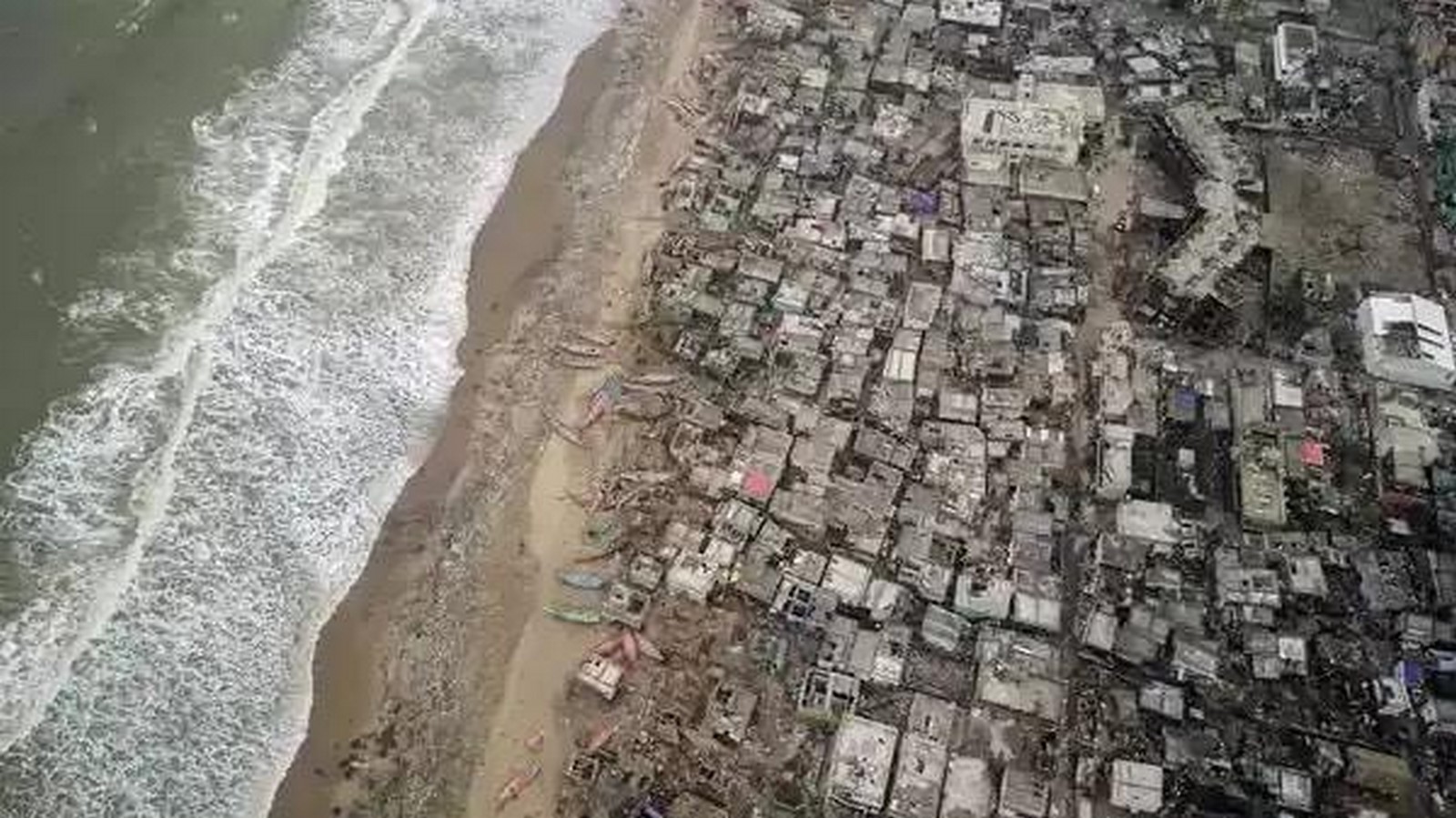
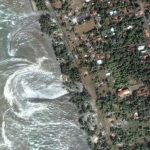
At places where erosion is a gradual process, storms arrive with quick destruction. The eastern seacoast of India faces intense cyclonic storms that wipe out settlements in just a matter of hours. What remains are ruins of buildings, displaced communities. Structures that were designed to withstand all these local conditions collapse under extreme climatic situations influenced by global warming. These losses remind us that environmental changes are not a distant concern but are impacting the design of future lost architecture.
Global Echoes of Submerged Settlements
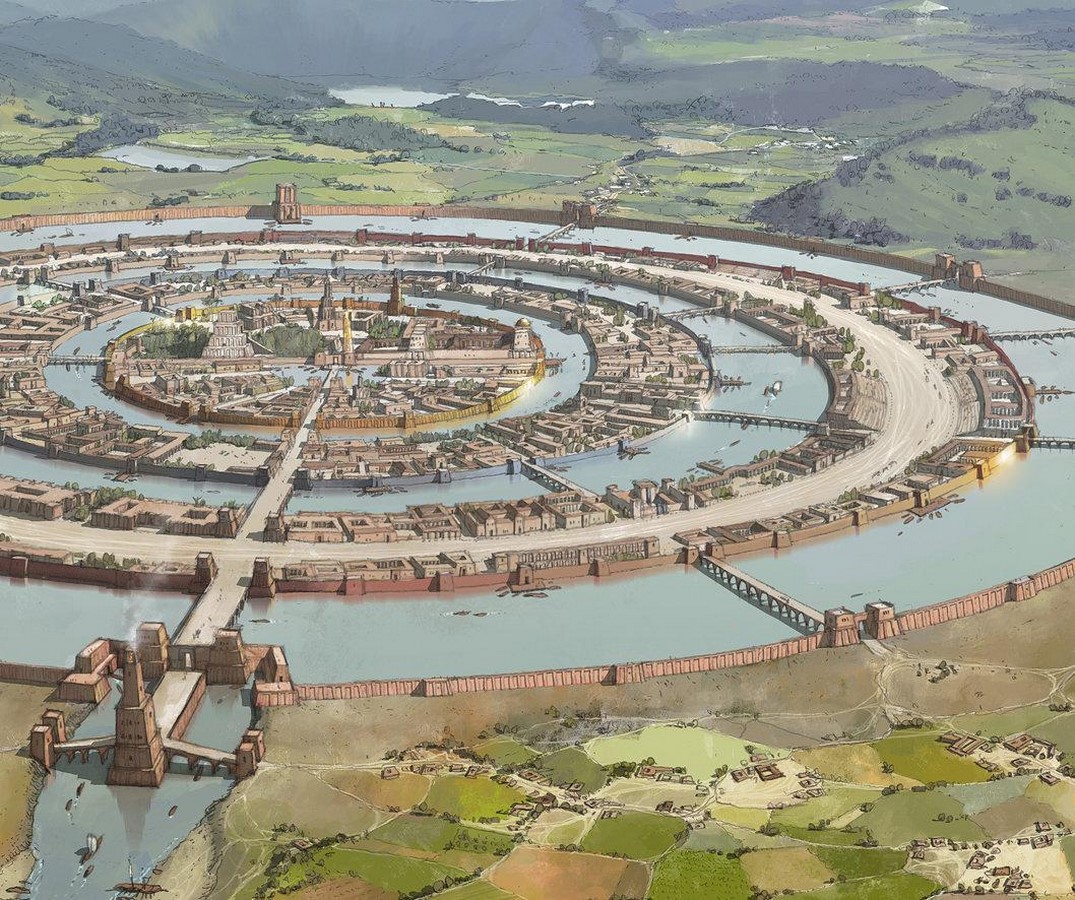
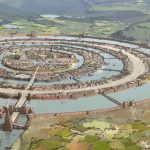
India’s experience also reflects this broader global issue. There are many such examples, from the mythical Atlantis city to Port Royal in Jamaica, which got wiped out due to a devastating earthquake in 1692, causing two-thirds of the town to sink under the sea, which is now an archaeological site recognized by UNESCO. Coastal towns across the world have been facing similar fates. Presently, island nations like Kiribati and the Maldives are on the verge of disappearing, where an entire civilization’s architecture may soon be submerged. The widespread history across the globe is a shared human concern that calls for collective action.
Lessons for Today
The lost architecture across the coastline is more than a reminder of the past; it highlights our setbacks. These ruins and sites point to the temporality of our built environments in the ever-changing world. They prompt us to consider: how can we encourage resilience amidst inevitable changes? Building structures that adapt, constructing elevated structures, and implementing coastal defenses are not just options but a necessity. Beyond the architecture world, there is a cultural responsibility; preserving is not only about safeguarding what exists but also anticipating what might be lost.
A Future at Risk
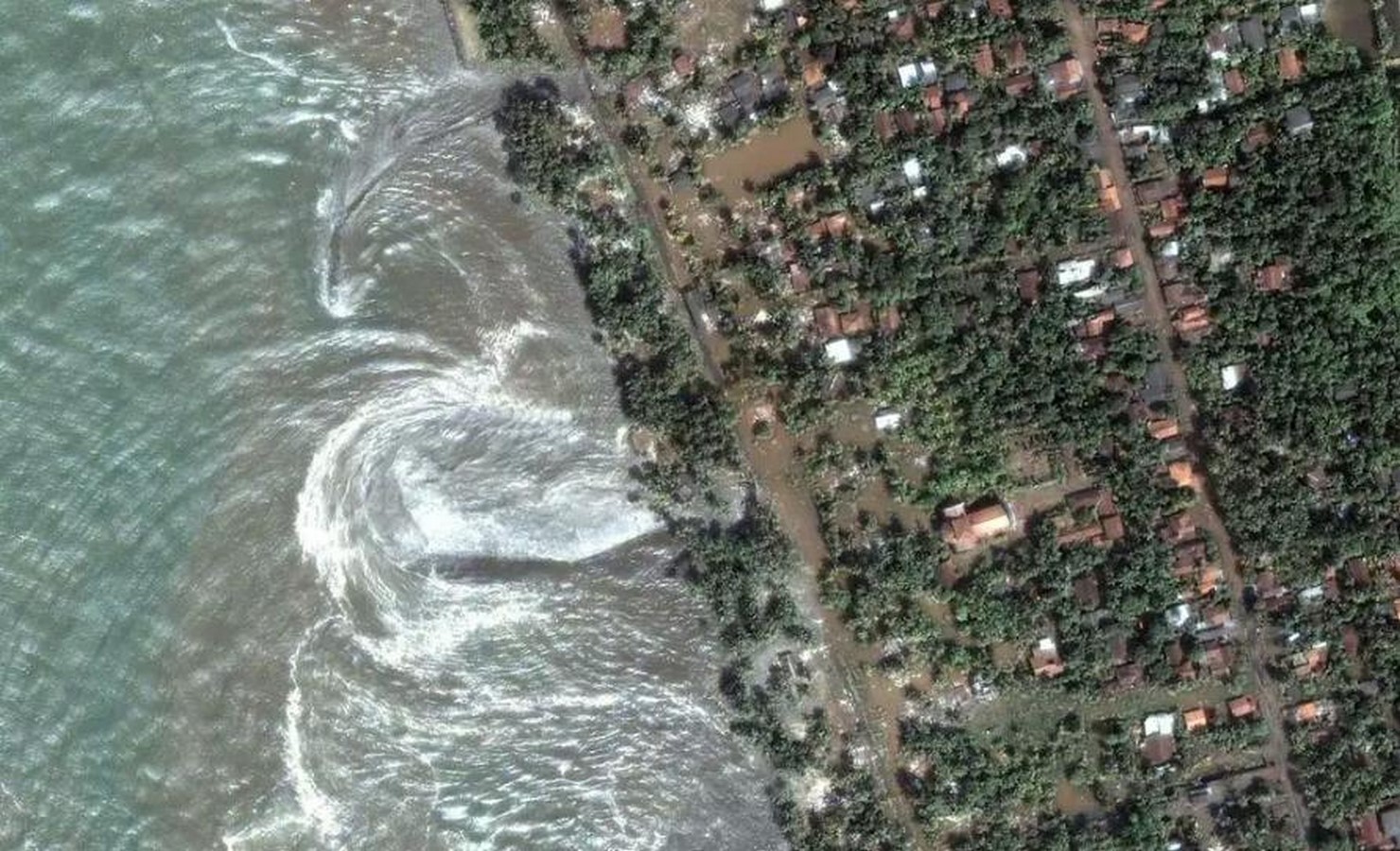
The term ‘Lost architecture’ often brings to mind the picture of ancient ruins. In the context of climate change, this timeline is collapsing. These settlements are at risk of becoming lost within our own lifetimes. The homes, temples, and markets of today’s coastal communities could become the submerged ruins of tomorrow, examined by future generations just as we study Dwarka now. The tragedy lies in recognizing that we are both participants and spectators in this unfolding narrative. The choices we make regarding climate action, development, and conservation will shape how much architecture survives and how much slips beneath the waves. Lost architecture is not only our past it could yet become our future.