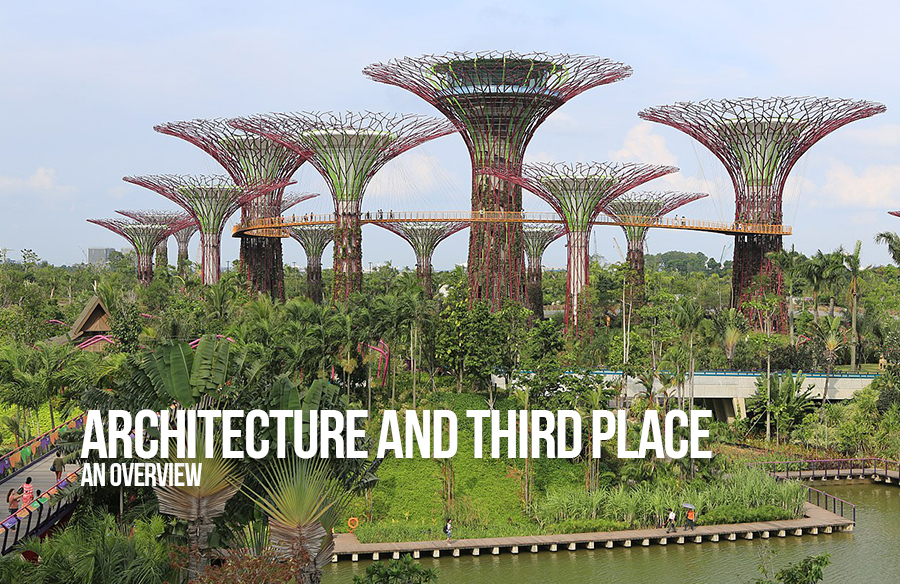
How many times have you been to a place that is neither your home nor your workplace? How often is this space seen in our city? If these questions have ever popped into your mind, this should be a place you should stop and know more.
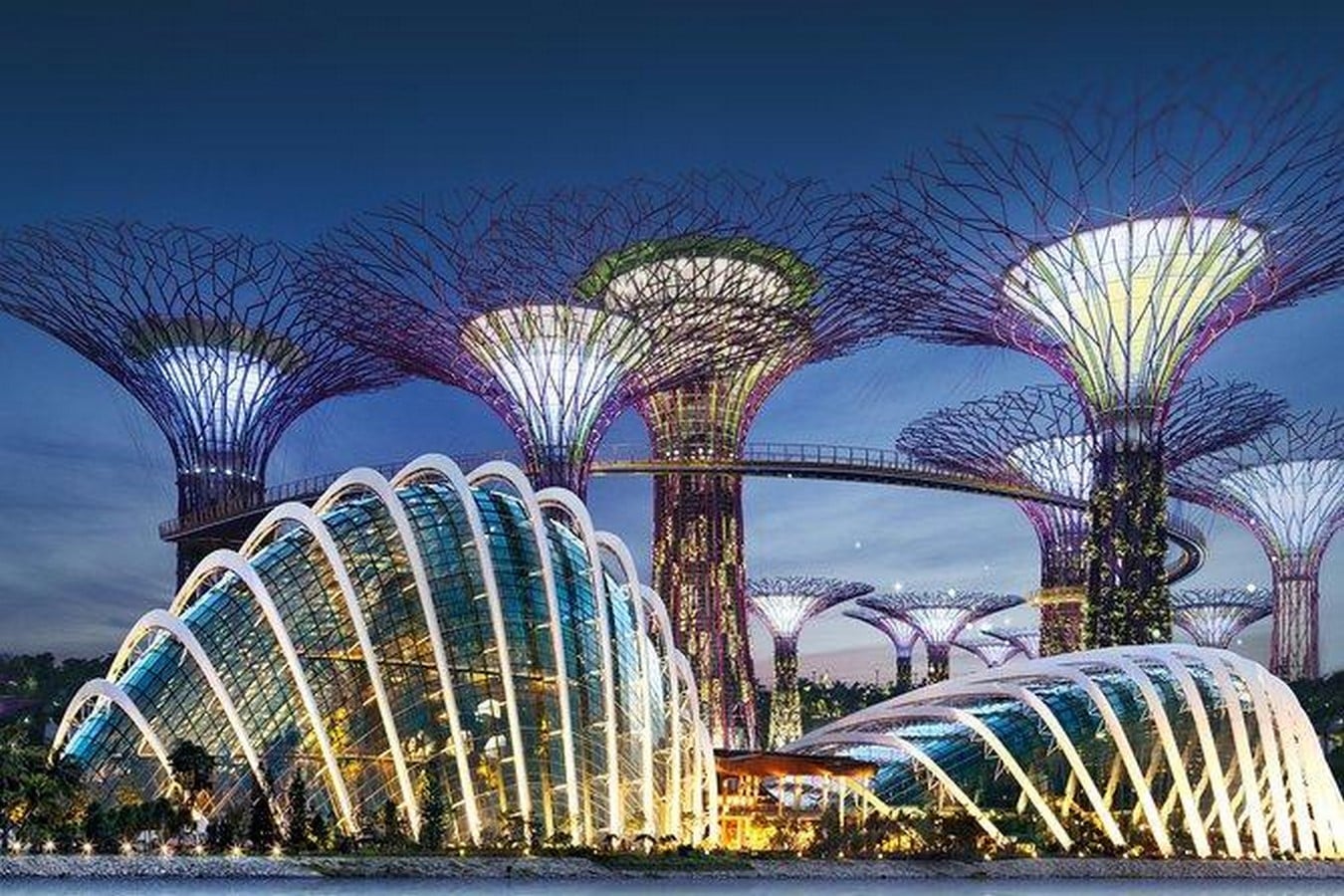
Third place is defined as a place that is neither workplace nor home. Though the concept might sound newer, the definition and purpose of such places are well known throughout our daily lives. Places like parks, libraries, cafes, malls, public libraries, public squares, community centers, bookstores and record shops, places of worship, Gyms, and community gardens are some of the places we encounter.
Why is this conversation important now?
Post-pandemic, every space designed has a new role to play. Social connections that have stood as the pivotal guide for the human world seemed to diminish during this period. The world moved to a virtual platform, and ever since, the smallest chances of social interactions have decreased. The requirement for accessible and usable outdoor spaces has become essential ever since the pandemic.
Lack of interactions, loneliness, and depression are some of the rising issues that we hear in our everyday conversations. Awareness of mental health has risen like never before. Thus, it is important for a city to offer a place where social connections and communities are fostered as part of inclusive thought.
With the rise in urbanization and fast-paced life, the very nature of social ties is limited to conversations across one’s dinner table or short breaks between coffee breaks. It naturally cuts down the idea of meeting different ideas, people, stories, and cultures organically. But imagine what if the ban on urbanization were lifted, this diversity actually helps in fostering diverse meeting hubs for individuals, creating a great opportunity for traditional exchange.
Architecture is a simple and brilliant strategy for such an exchange. The space, which is designed for a walk in the neighborhood, could simply transform into a place for dialogue, interactions, and conversations. It has, over the years, stood as a symbolic exchange of such nature.
Then and Now
Though the word place was coined by Ray Oldenburg, an American sociologist, in 1989 in his book “The Great Good Place,” it is interesting to note how such places are written all over history. Baths, public squares, temples, marketplaces, debate arenas, stadiums, and water bodies are some of the examples we can see through history that have created such a place. Indian temples, which are known especially for worship in the present day, were places where people meet to exchange knowledge and culture.
Principles of Third Place
Inclusive: A great third place should be inclusive in nature to the people of different ethnicities, cultures, genders, and mobility.
Safety and Security: Like most of the spaces we visit, it is important to feel safe and secure in a place that is a third place for people to come back to repeatedly.
Accessibility: Third place, which is accessible, is one that will definitely attract people to visit. Accessibility can be in terms of transportation or in terms of design as well.
Civic Engagement: The place should be designed to be able to engage communities through activities and facilities.
Nature of the place: A third place can be a government-owned property, or it can also be a privately owned property. When a third place is public in nature, it is beneficial for a larger crowd.
Harbors’ belongingness: The design of the place should create a sense of belonging for people to make it a place for regular visits.
What does the Third place look like now?
The world is exploring hybrid work models, which have bred the concept of coworking spaces, which are becoming hotspots to exchange ideas, inspirations, and foster interaction between like-minded minds. Technology-enabled spaces are the new third places. Everybody wants to enjoy their work from home in a café, but without technological inclusion, a third place fails to accommodate this new trend of the growing remote working population.
Community-centric designs that facilitate social interaction and connection create a sense of belonging, which digital forums lack, and have started to take a middle ground. Though technological interaction in a third place has become widespread nowadays, it is always good to have certain third places that are built to detox minds and the environment from it. This enables a more sustainable approach as well.
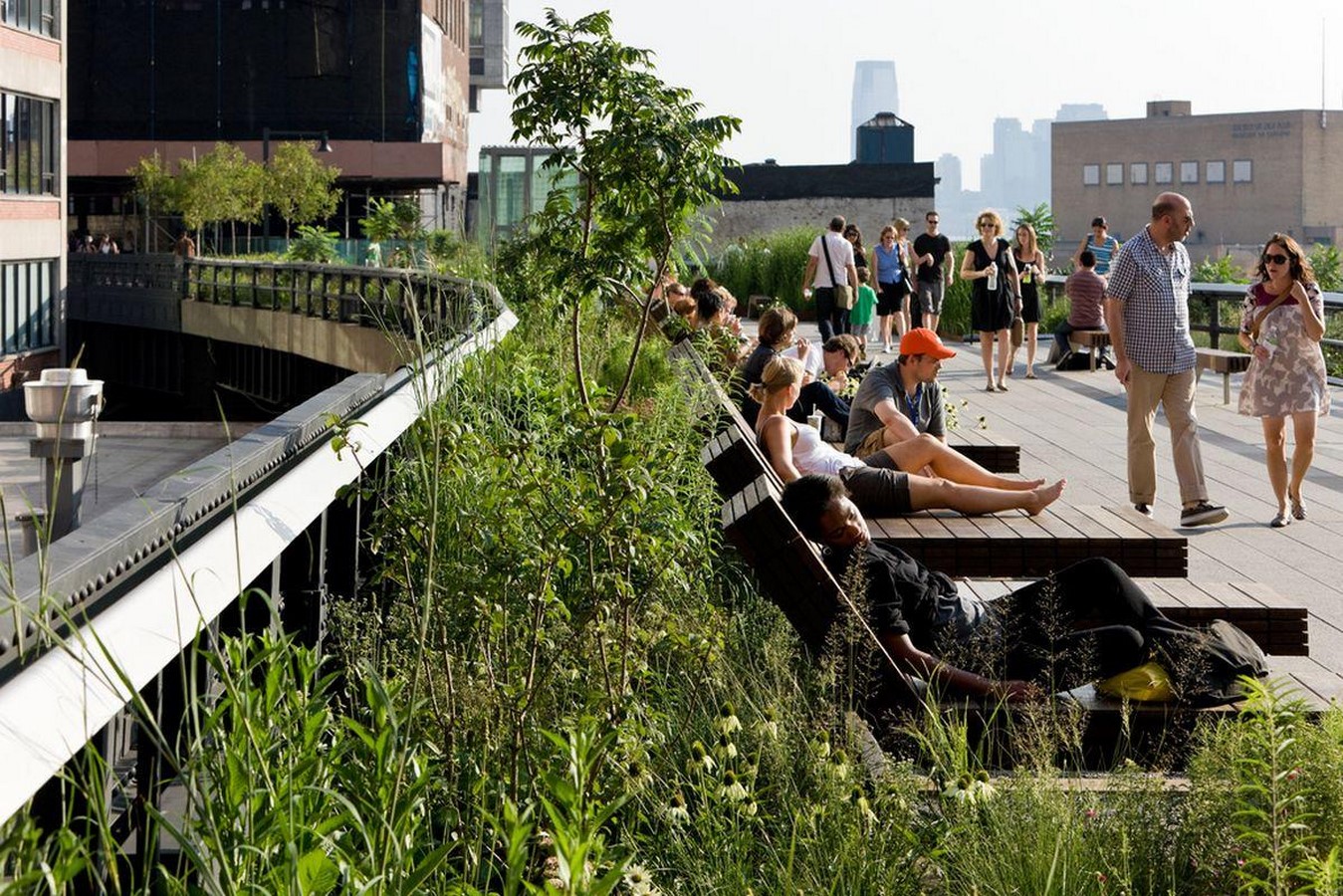
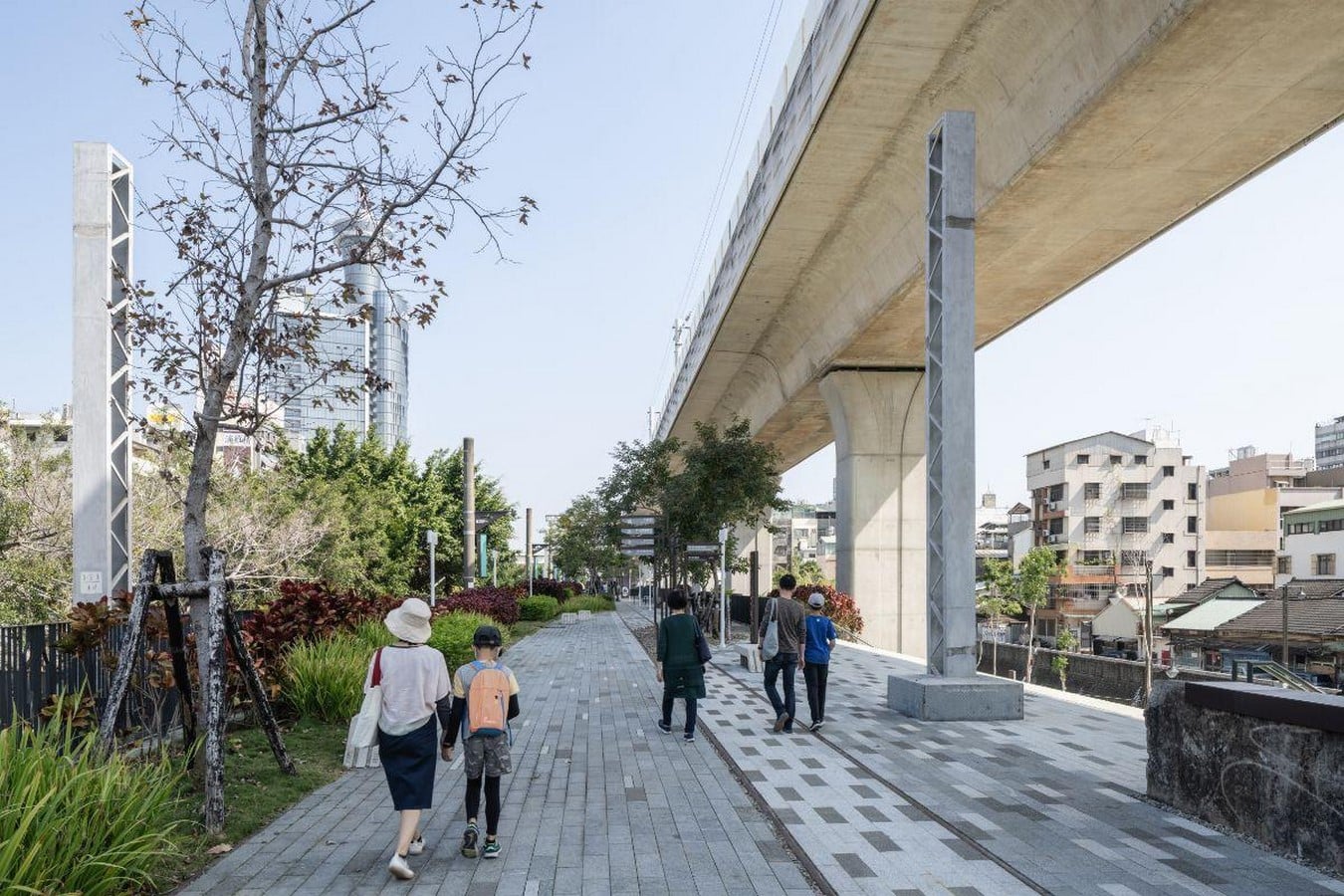
Revitalized urban spaces that are redefined and repurposed are one such sustainable approach that retells an old story from a newer perspective. Multiple projects across various cities are seen using these strategies to reuse a place. The High Line, New York City, Taichung Gateway Green Corridor, Taiwan, Lodhi Art District, Delhi, are some of the examples of such revitalized urban third places.
As we navigate through our lives, be it at work, school, or home, we are walking with a certain identity, goal, and responsibility. However, a third place breaks the cycle and creates a much-needed balance. It creates a newer perspective. It can range from socializing to meet new friends in a new city to creating a great network. Everything starts with the place.
Third place can act as an economic, social, and community booster as well. It not only brings people together but also creates a livelihood around this place. It creates business for a vendor, it creates a place for someone to escape their life, it gets a lifetime business deal for one, and it finds someone their loved one.