Green architecture stems with the sole intention of prioritising the natural environment during all phases of building construction. Additionally, it can be expressed as an architectural practice that emphasises the natural environment entwined with the regenerative construction process. Therefore, the cyclical factors of designing, constructing, and maintaining the building can holistically have an impact on the generations to come by ethically obliging to the philosophy of sustainable architecture. However idealistic the notion may seem, it can be argued that challenges often arise with green architecture due to the nonchalant approach of the public and the negligence of current circumstances. For instance, sustaining moral practice requires the use of high skills and technology, which may create a conflict of interest between aesthetic convenience and long-lasting practicality. Hence, what humans may consider a discipline may exert conflicting results amidst nature. According to the UN, “As the population grows, they must transform natural lands into cities and other human habitats.” (Novatr, 2020). Thus, this article potentially explores the various spectrums in which sculpting green designs will be perpetuated for the future generation.
Biophilic Design – Weaving Nature into Architecture
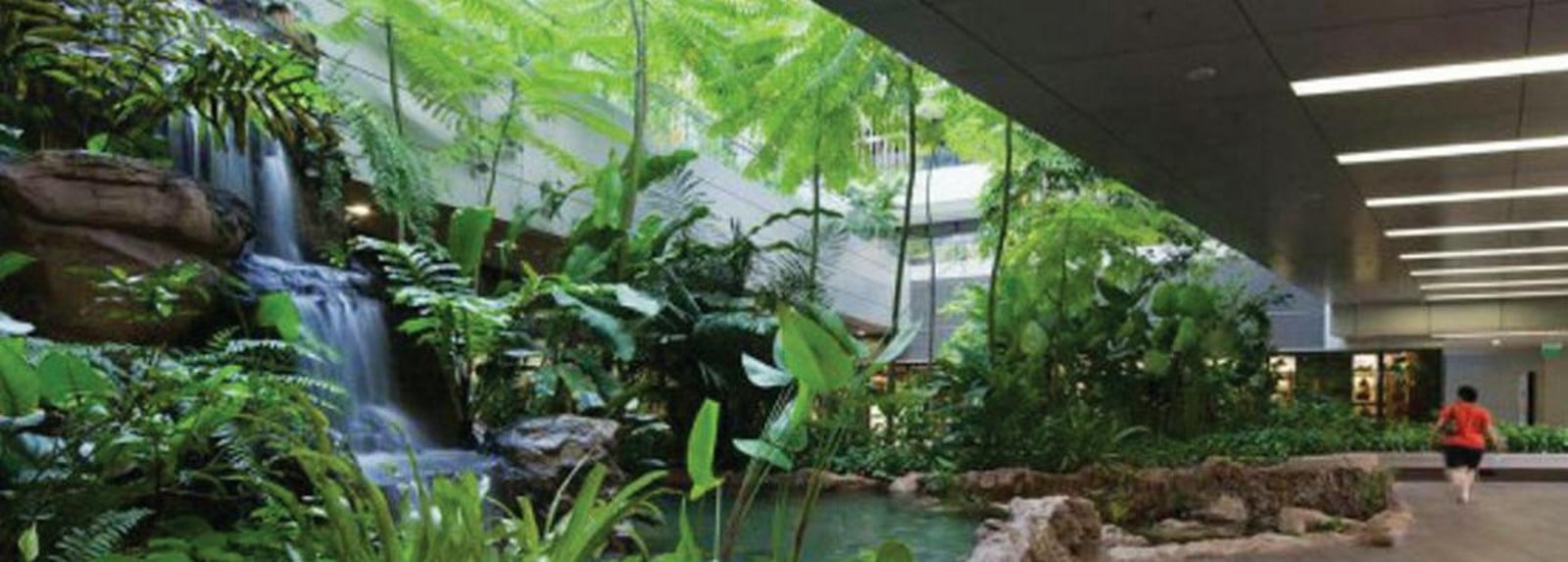
- Repeated and prolonged engagement with nature through built structures
- Evolving with times and adapting to human interactions with the natural world
- Evoke emotional attachment through green architecture and create a spatial experience for the users
- Bridges the gap seamlessly between architecture and integrates natural solutions within
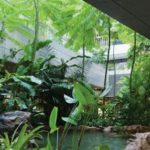
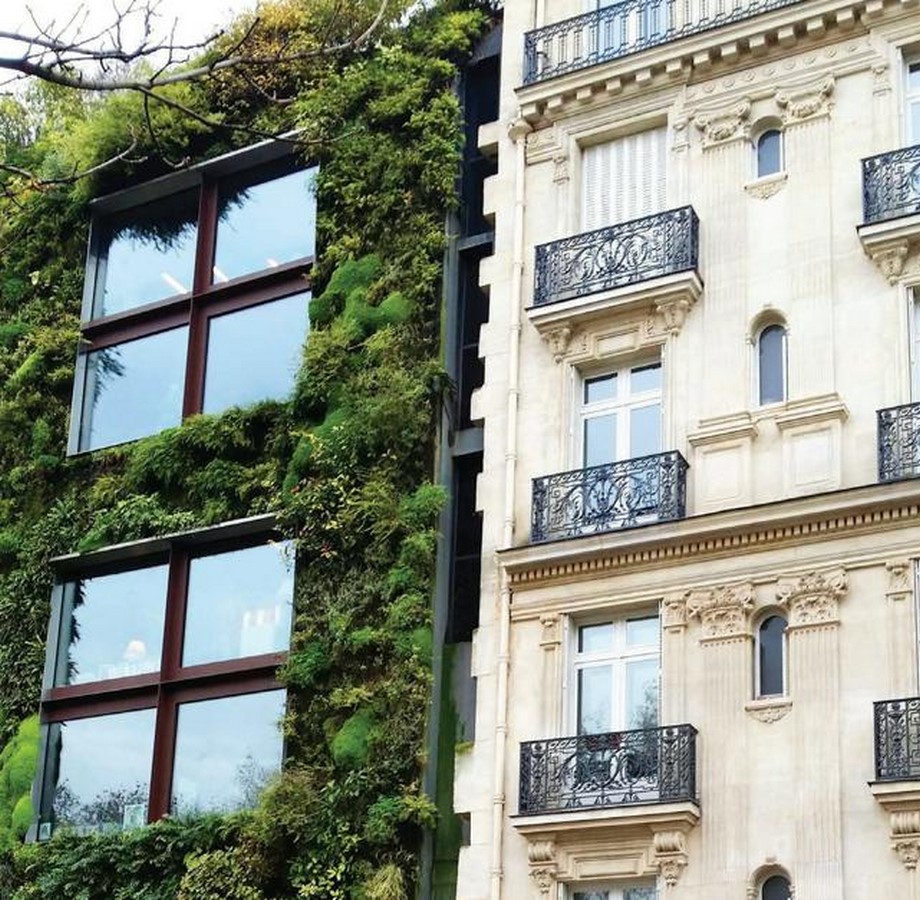
These principles may be deployed through several facets of experience, such as direct and indirect experience of nature. The main crux includes water, landscape, light, ventilation, organically built forms (biomimicry), natural materiality, and transitional spaces of open and closed structures. According to Kellert and Calabrese (2015), there are ‘24 attributes to experiencing nature, and designers should adopt that in response to place.’ Moreso, the cultural conditioning and local ecology of the site also play an important role in determining the aspects to be applied. Hence, the fulcrum of this essence is to create a harmonious ‘habitat for people as a biological organism in the built environment.’ (Kellert and Calabrese, 2015) and improve the psychological well-being of the built environment and living community.
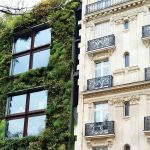
Façade vs Feasibility?
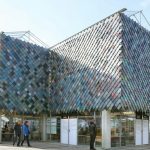
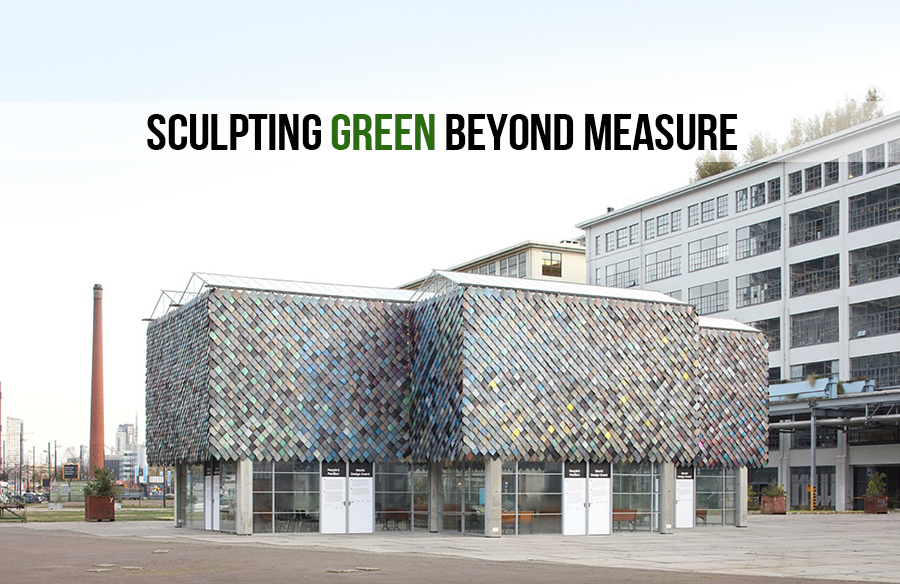
Reconceptualise the Future – The People’s Pavilion
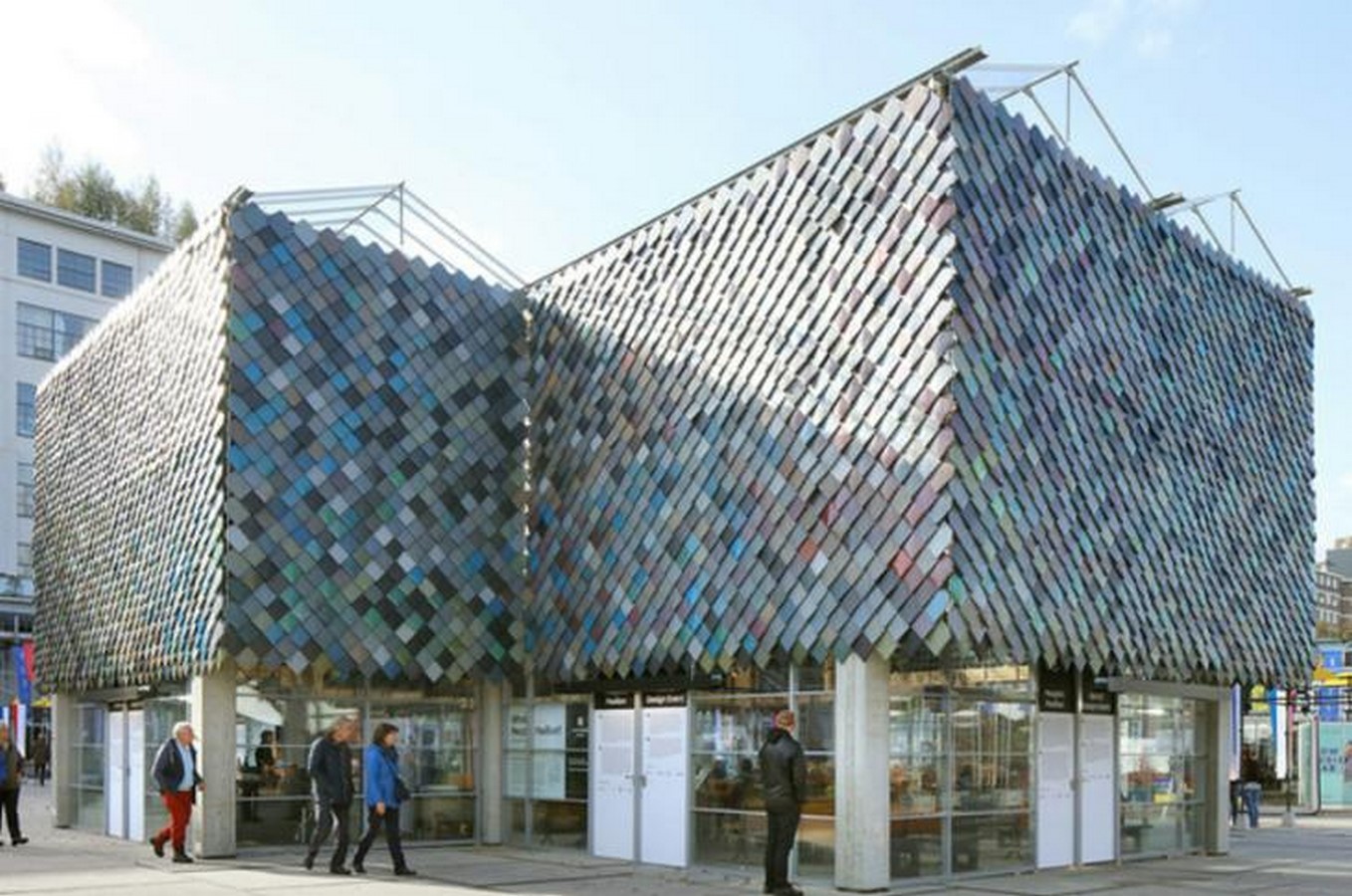
On the whole, this closed-loop process formulated through green architecture allows the reduction of carbon footprint, restores ecology, and possibly ecosystems in the long run. This also reinforces the convenience of utilising local sources and the community to mount the project, yet the feasibility of attaining a positive impact on the environment. Preceding the claim made of challenges that may arise alongside green architecture, it can thus be substantiated through the case study that sticking to the local environment and people can ease the process of conforming to the ethicality of design.
References:
- Novatr (2020). Understanding What is Green Architecture And Everything About it. [online] Novatr. Available at: https://www.novatr.com/blog/green-architecture.
- Kellert, S.R. and Calabrese, E.F. (2015). The Practice of Biophilic Design – A Simplified Framework. [online] biophilic-design. Available at: https://www.biophilic-design.com/.
- Pintos, P. (2019). People’s Pavilion / bureau SLA + Overtreders W. [online] ArchDaily. Available at: https://www.archdaily.com/915977/peoples-pavilion-bureau-sla-plus-overtreders-w.