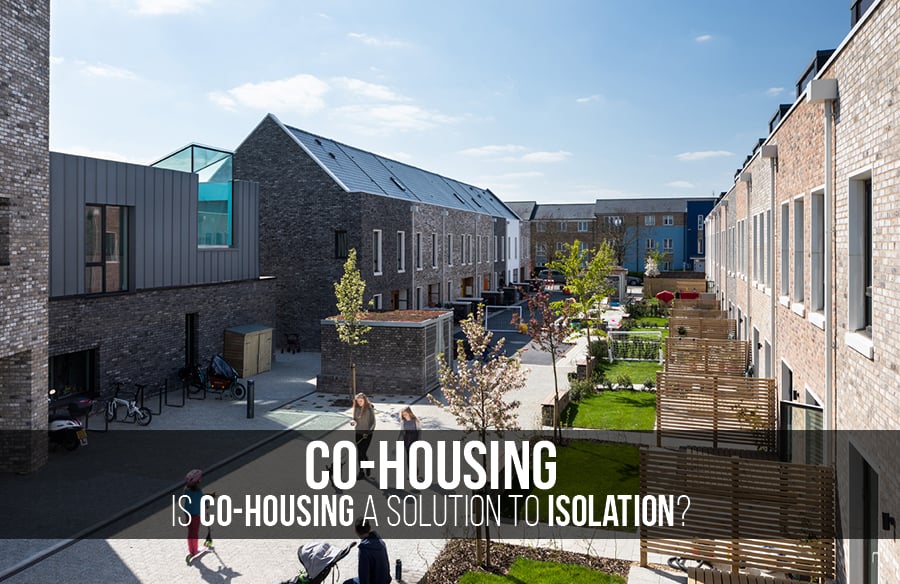
Have you ever felt completely alone in a city of millions? It’s a strange modern paradox. We’re all more connected than ever, with thousands of online friends, but that sense of community, sense of belonging, & a support network right outside our door feels just out of reach.
What if the key to a more sustainable and connected life wasn’t found in new technology, but in a return to community living? This is the simple idea at the heart of co-housing. It’s an intentional way of living together that strengthens community, shares resources, and promotes a more sustainable way of life.

A Design for Connection
When we think of urban isolation, we often blame technology or busy lifestyles. However, a significant part of the problem lies in the design of our homes and neighborhoods. Traditional housing, from isolated single-family homes to high-rise flats with long, impersonal corridors, is not built to foster connection. The very architecture often reinforces a solitary lifestyle, creating barriers between us and our neighbors.
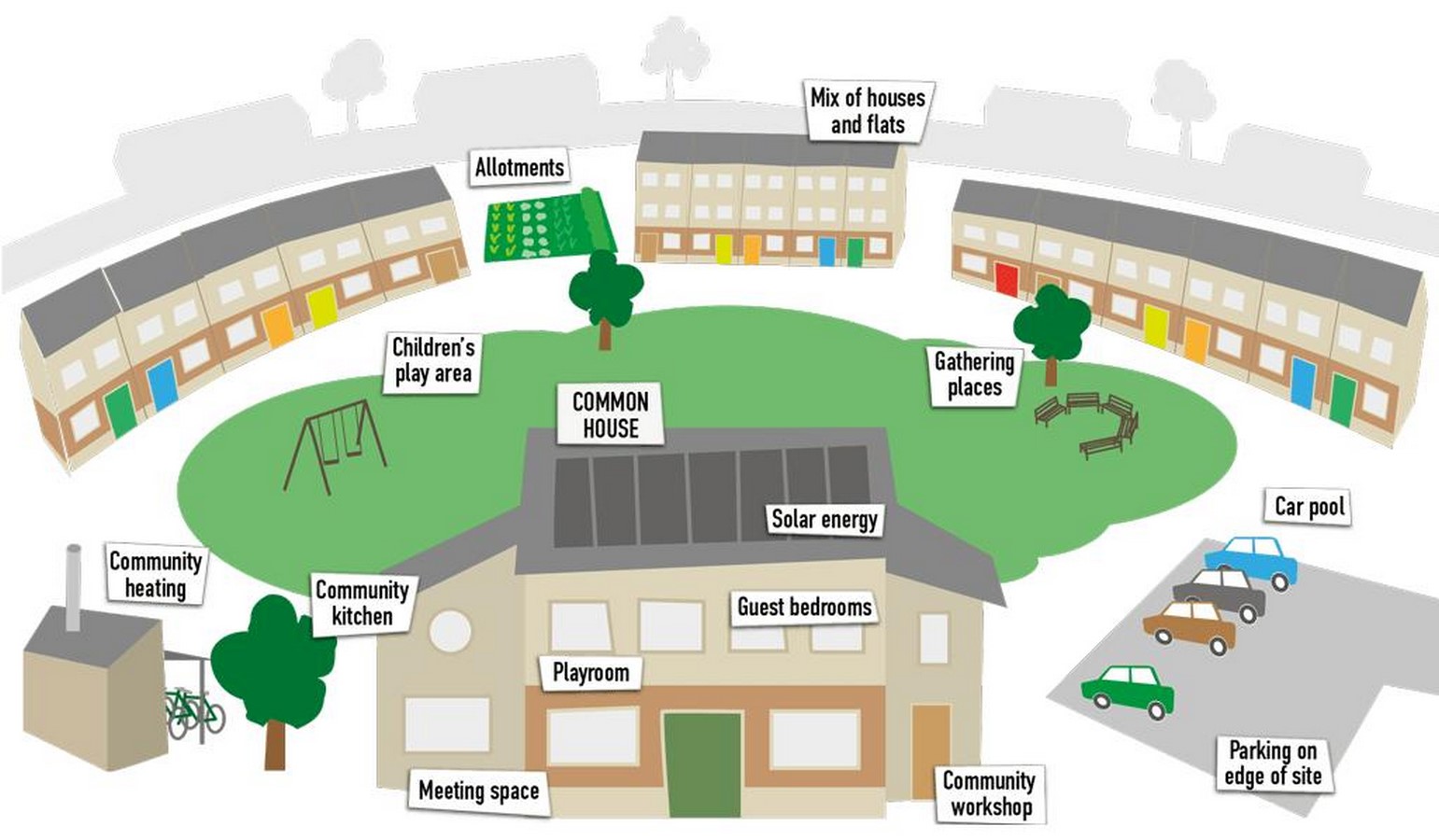
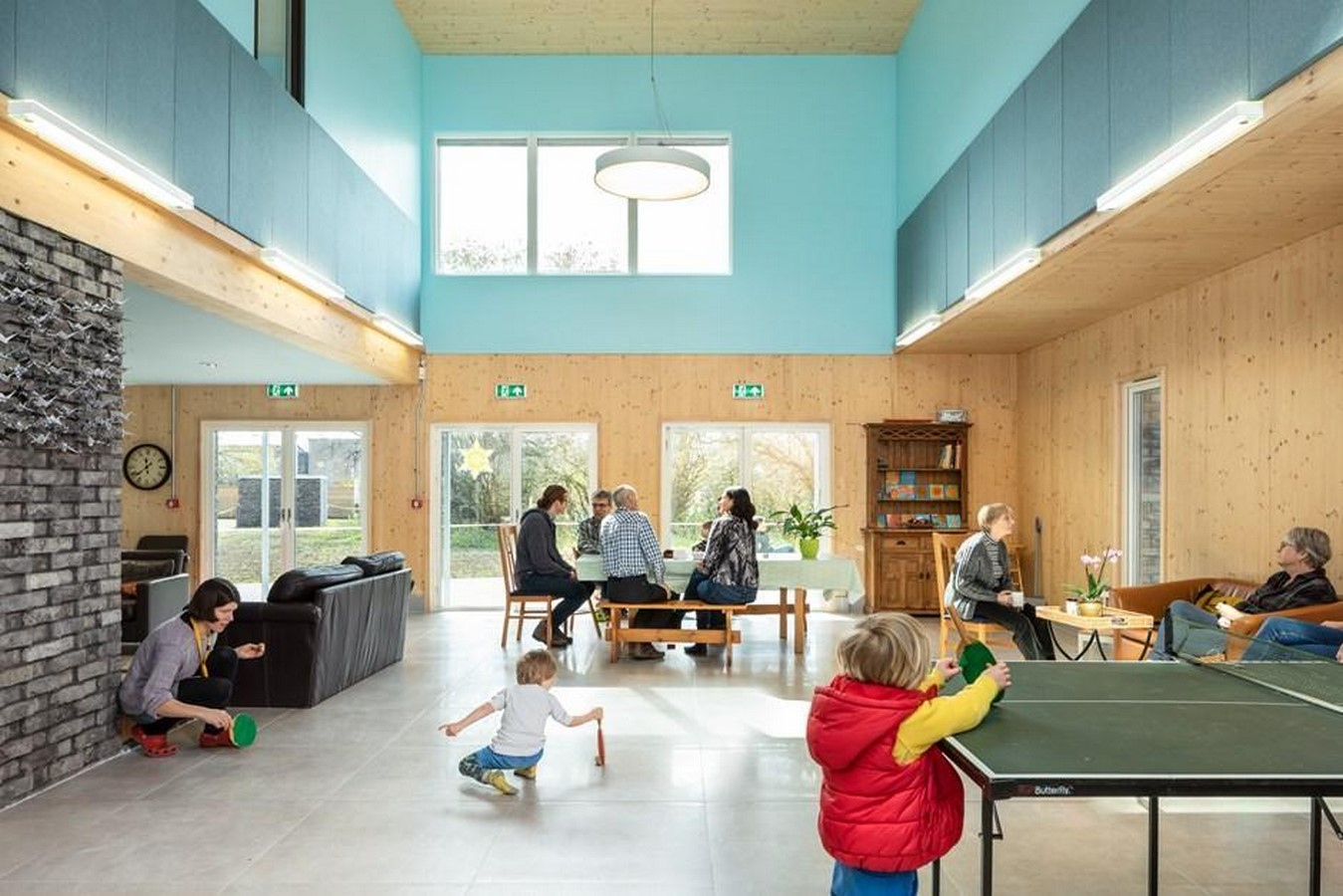
Co-housing offers a deliberate response to this. It’s not just a social idea; it’s a living model with a specific architectural blueprint for creating community. The heart of any co-housing project is the common house, a large, shared building that functions as the community’s living room. It’s a space intentionally designed for daily social interaction, containing large kitchens for shared meals, a children’s playroom, a lounge, and laundry facilities. It’s here that residents meet for shared meals, workshops, and gatherings, making it an essential hub for daily life.
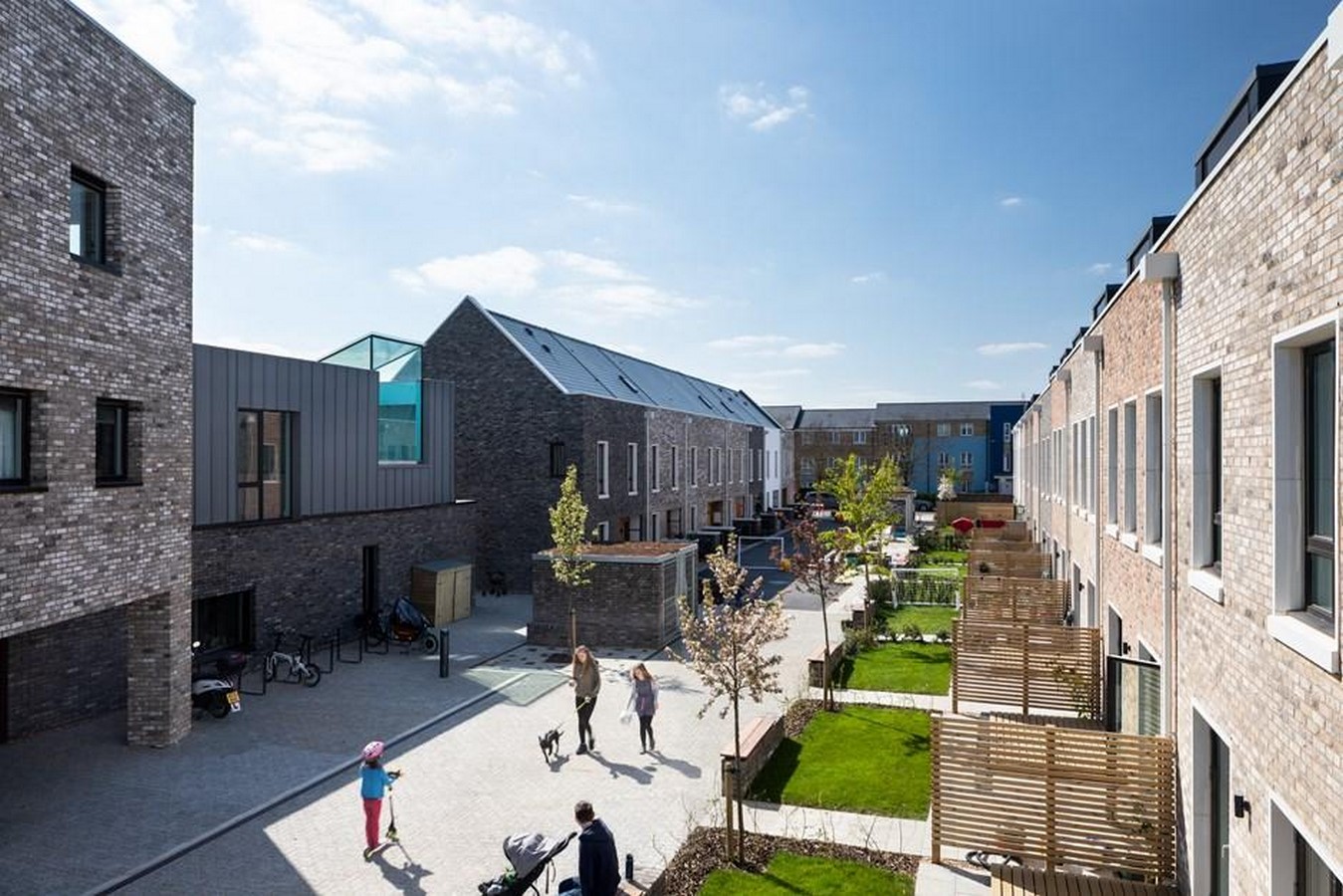
Beyond this central hub, the entire site is meticulously designed to encourage interaction. Pathways are often intentionally curved, rather than running in straight lines, to encourage residents to cross paths and chat. Homes are typically clustered around a shared courtyard or green space, giving every home a view of the community and making it easier for neighbours to see and talk to one another. Semi-private spaces, like porches or verandas, are designed to face these common areas, blurring the line between private and shared life and turning a simple stroll into a social opportunity. The absence of private cars in the central living area also encourages pedestrian activity and spontaneous encounters. This thoughtful design of physical space is a silent but powerful force in building community, providing a framework for relationships to flourish.
Co-Housing vs. Co-Living: The Difference in Design
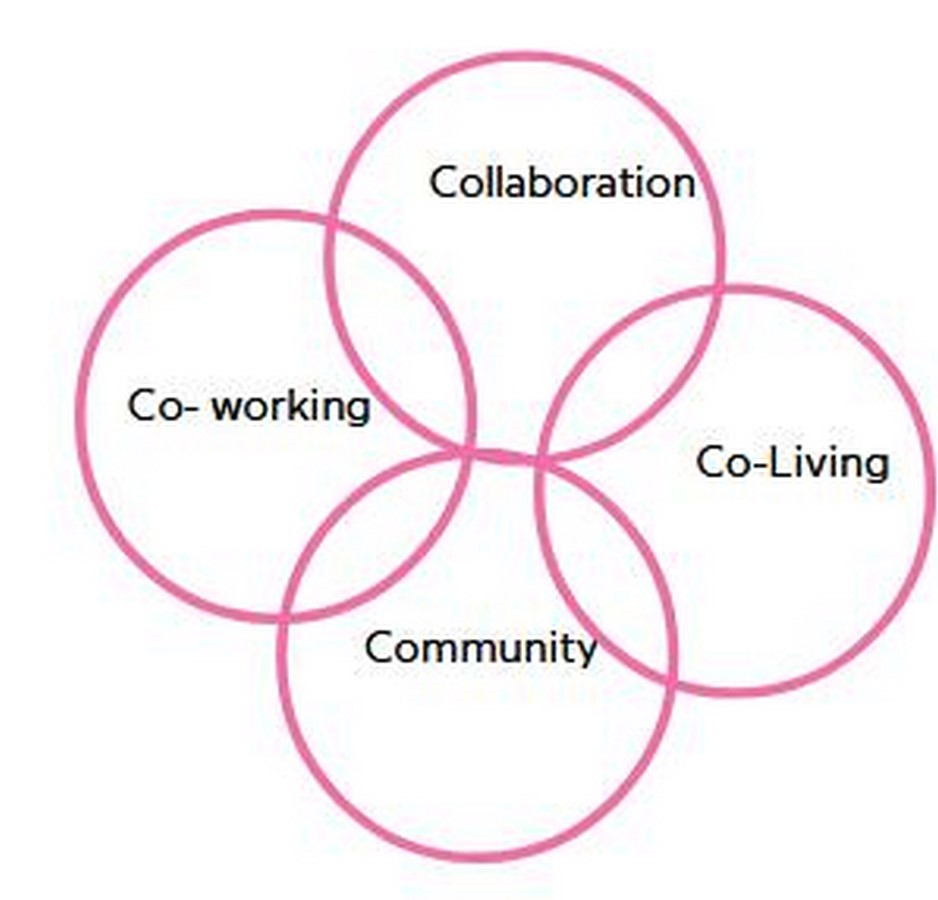
It’s important to distinguish co-housing from other shared living models like co-living. While co-living is often a commercial venture with a focus on convenience and short-term rentals for professionals, co-housing is a permanent community designed and governed by its residents.
The key difference lies in their design and purpose. A co-living space might have a shared kitchen or lounge, but it often lacks the architectural elements that promote genuine, long-term community. These spaces are typically managed by a company and cater to a transient population. Co-housing, on the other hand, is built on the principle of collective ownership and democratic design. The residents themselves have a say in the blueprint, from the layout of the common house to the placement of shared gardens. This democratic process makes a co-housing community more than a building; it makes it a shared project and a home in the truest sense.
A Design for Human Connection
The physical design of co-housing directly supports a more connected way of life. Shared gardens are not just for growing vegetables; they are a space for conversation and collaboration. A communal workshop isn’t just for building things; it’s a place for residents to help each other and learn new skills together. In this model, friendships and support networks are not left to chance; they are built into the very fabric of the community.
The deliberate architecture also fosters a sense of security and mutual support. Knowing your neighbors creates a safety net, as someone is always nearby to lend a hand, whether it’s for childcare, an unexpected illness, or just a friendly face to talk to. This removes the psychological burden of facing life’s challenges alone. For many, this collective purpose creates a genuine antidote to loneliness.
The Reality of Living Together
While the idea is beautiful, co-housing is not without its challenges. It asks for a significant commitment from every person. The self-governing nature means that every resident has a say and is expected to contribute to decisions. This can be time-consuming, requiring regular meetings and a shared effort to maintain the community. It can also lead to disagreements and conflicts that require open and honest communication to resolve.
For some, constant social interaction can feel like a lot. The balance between communal life and personal privacy is a delicate one. While private homes offer a retreat, the expectation of being part of a community can be challenging for those who value their solitude. The journey of moving into a co-housing community also presents its own challenges, from navigating legal agreements to the time it takes to build a new community from the ground up. Ultimately, co-housing is a very intentional choice, and it’s simply not for everyone.
A Solution That Works?
So, is co-housing a solution to loneliness? The answer is a definite yes, but with a clear understanding that it’s not a magic bullet. It’s not a fix for all of our problems, and it’s certainly not a one-size-fits-all solution for everyone. However, for those who are ready to build a more connected life, co-housing provides a very real and sustainable model for the future.
By integrating thoughtful architecture with a commitment to community, co-housing reminds us that our best resources are often found not in technology or grand designs, but in the people around us. Its success shows that by designing connections, we can build a better, more human-friendly world.
Ultimately, the choice to embrace co-housing is a choice to invest in the social capital of our communities. It is a fundamental shift away from a culture that values privacy and independence above all else, towards one that recognises the immeasurable value of interdependence. It teaches us that our greatest strength lies not in our individual silos, but in the shared spaces where our lives intersect. Co-housing reminds us that to solve our most modern problems, we sometimes need to look to a timeless solution: genuine human connection, designed into the very foundation of our homes.