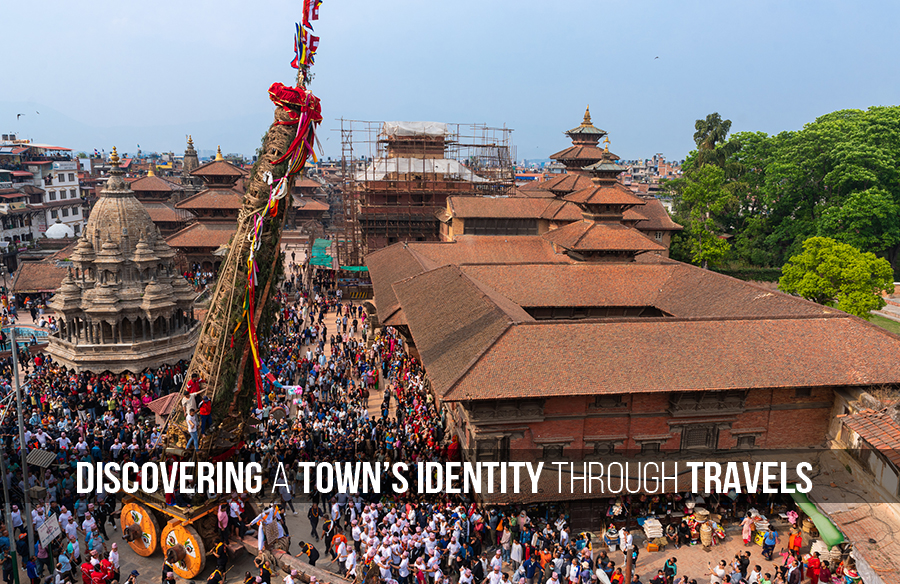
As morning sunlight pours over the sleeping town, its guests strolling its cobbled streets observe more than pavement and buildings. Corner after corner turned, window after window of cafe glimpsed, beginning to strip back layers of history, culture, and everyday life. The essence of the town, its heart, lies in these, in the centuries-old church spire rising towards the heavens, in the aroma of spiced street food, and in the laughter that spills out of a sun-kissed plaza.
Seasoned tourists vouch that to understand a town, you have to live in it. Certainly, experts emphasize seeing beyond the guidebook. By walking down side streets, talking to locals, and sampling daily fare, a person understands the region’s cultural identity, societal values, and historical evolution expressed in its architecture (Sen and Sen, 2024). Local food, for example, is the in-road to discovering a place (Nick, 2019), revealing how a population lives and eats. The following paragraphs explore how a town’s architecture, food, festivals, and daily rhythms come together to form its unique character, with tips allowing travelers to interact more meaningfully with new places.
Streets That Speak: Architecture and History
Travelers will read a town’s history in brick and stone. Architectural styles are chapters in history from colonial buildings to modern glass skyscrapers. Each building from an ancient temple to a new glass museum bears the imprint of traditions, innovations, and events that shaped the community (Sen and Sen, 2024). For example, the streets with ornate facades and carvings or the layout of city streets may suggest past empires or native building traditions. Walking through an old quarter, one may see Gothic arches give way to Art Deco movie palaces or colorfully painted row houses each blending old and new in layers of time. Architectural details will reveal secret stories, urban designs, facade compositions, and structural motifs mirror complex aspects of design philosophies and local traditions (Sen and Sen, 2024). Observing these, a traveler learns about who inhabited here, what mattered to them, and how the town came to be.
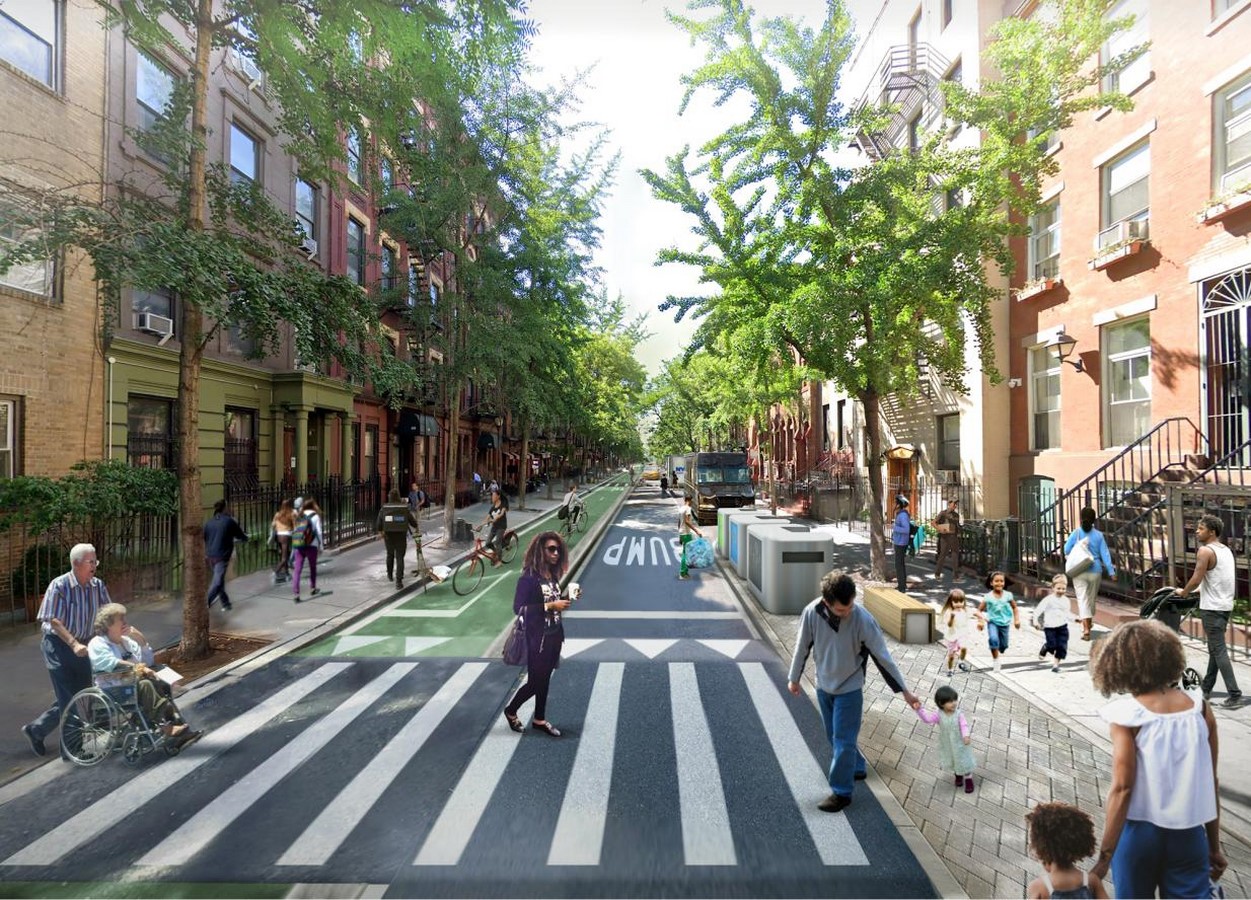
Walk, not run, from place to place. A side street might hide the oldest bakery or the forgotten shrine. Take a short walking tour with a local historian, they can bring stories behind buildings to life. Even simple plaques or window inscriptions can provide names and dates that place the neighborhood in context.
Flavors of Heritage: Cuisine and Markets
The place’s food is a feast for the taste and the eye. Food stalls and markets are filled with history, the seasonal vegetables for sale, the spices, and the standard street food all hold cultural tales. Tourists usually discover that eating the place’s food is the road to finding a place (Nick, 2019). A discussion of how one cooks food or why a certain spice is popular can be followed by family traditions, patterns of immigration, or farming practices. A nourishing noodle soup, for example, could tell of a chilly climate and wheat farming, and a pungent curry can recall centuries of spice routes. Indeed, the supermarkets themselves offer guidance, as one writer advises, “You can learn about a culture by spending time in the supermarket and the real (non-tourist) markets” (Zabransky, 2025). Walking a market in the morning, listening to cooks at the butcher block, or observing a baker kneading dough transports one into the everyday lives of inhabitants.

Eat where the locals eat. Slip into a family diner or join a line at a popular street food stall. Be willing to order something that’s not listed on the menu, vendors are happy to share their personal favorites with visitors. And if you have time, buy ingredients and cook a meal yourself or take a cooking class. These take your understanding of local flavors and traditions to a whole new level, far beyond any restaurant guide.
Public Spaces of the City: Squares, Parks, and cafes
A town’s public places are its communal heartbeat. Markets may have ingredients, but plazas, parks, and cafes tell you how people live in reality. Children playing in a fountain, teenagers laughing on a bench, and street performers beneath a gazebo, these are the scenes that define the town’s daily rhythm. cafes and bars are shared living rooms. As travel writers Nick and Beth propose, “bars and coffee shops are community gathering places” where you can get the pulse of a place (Nick, 2019). A morning coffee at a quiet time lets you listen in on local gossip and perhaps pick up a tip about an upcoming event, while an evening aperitif in a lively square displays neighborhood life after nightfall. Public monuments and art also tell a lot, a statue of a local hero or a mural celebrating a festival can tell you what the town values.
Go and find the town square or neighborhood park. Commandeer a bench and watch the people passing by. See how neighbors intersect and families unwind. These little vignettes are as informative as any museum and maybe at no cost. If adventurous, start a friendly dialogue with a local in a cafe or bakery; a nice chat can provide genuine information and even a personal invitation to a community event.
Festivals and Traditions
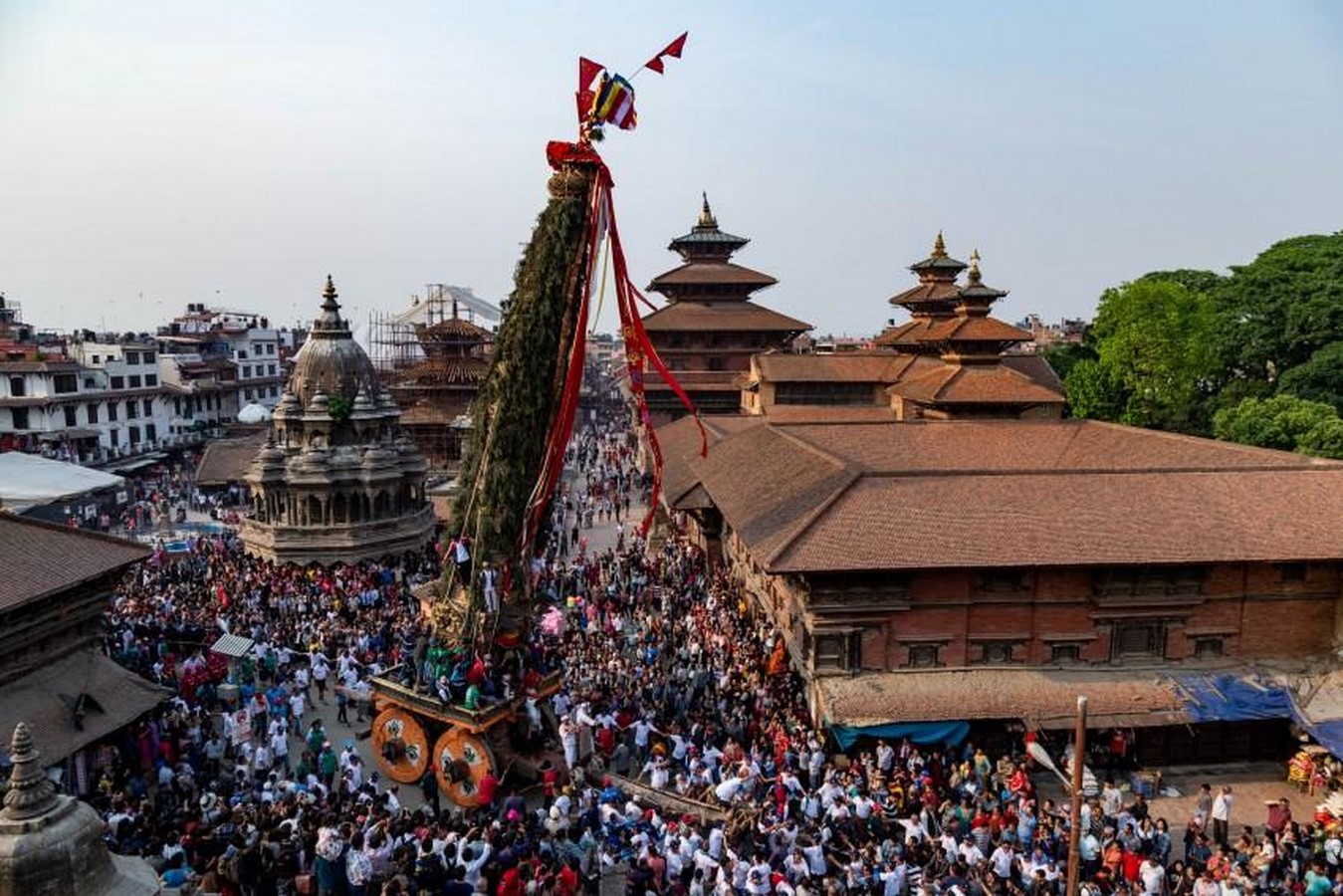
No other means of feeling the soul of a town than to join its celebrations. Cultural festivals, fairs, and rituals are gateways into shared identity. Each town has its beat, harvest festivals, saints’ days, music festivals, or weekly market days. By definition, festivals provide authentic and immersive experiences that reflect the distinct identity and character of the host destination (Ash, 2024). In parades or dances, locals put pride and history into color, music, and costume. Eating festive specialties or handicraft shopping at the festivals deepens the connection and keeps local craftspeople in business.
Even small towns usually have annual fairs or neighborhood fetes. Participating with respect during a festival can be a once-in-a-lifetime experience. Research any etiquette required, for example, covering shoulders to watch a religious procession or taking shoes off at a shrine, as a gesture of respect. Traveling during a celebration also means that you’ll experience the town at its best and learn about stories or practices guide books omit.
Conversations That Count: Communicating with People
Finally, the best information is from the people themselves. A friendly chat with a craftsman or an open invite for dinner imparts what books cannot. For instance, travel writer Nomadic Matt writes that it wasn’t until “locals welcomed me into their private lives and became my guides” that he learned about Swedish culture (Kepnes, 2011). He attended a spring bonfire and Easter egg hunts with neighbors, much more educational than a visit to the museum (Kepnes, 2011). Through Couchsurfing, language exchange, or just chatting in a pub, making personal connections creates memories and builds understanding.
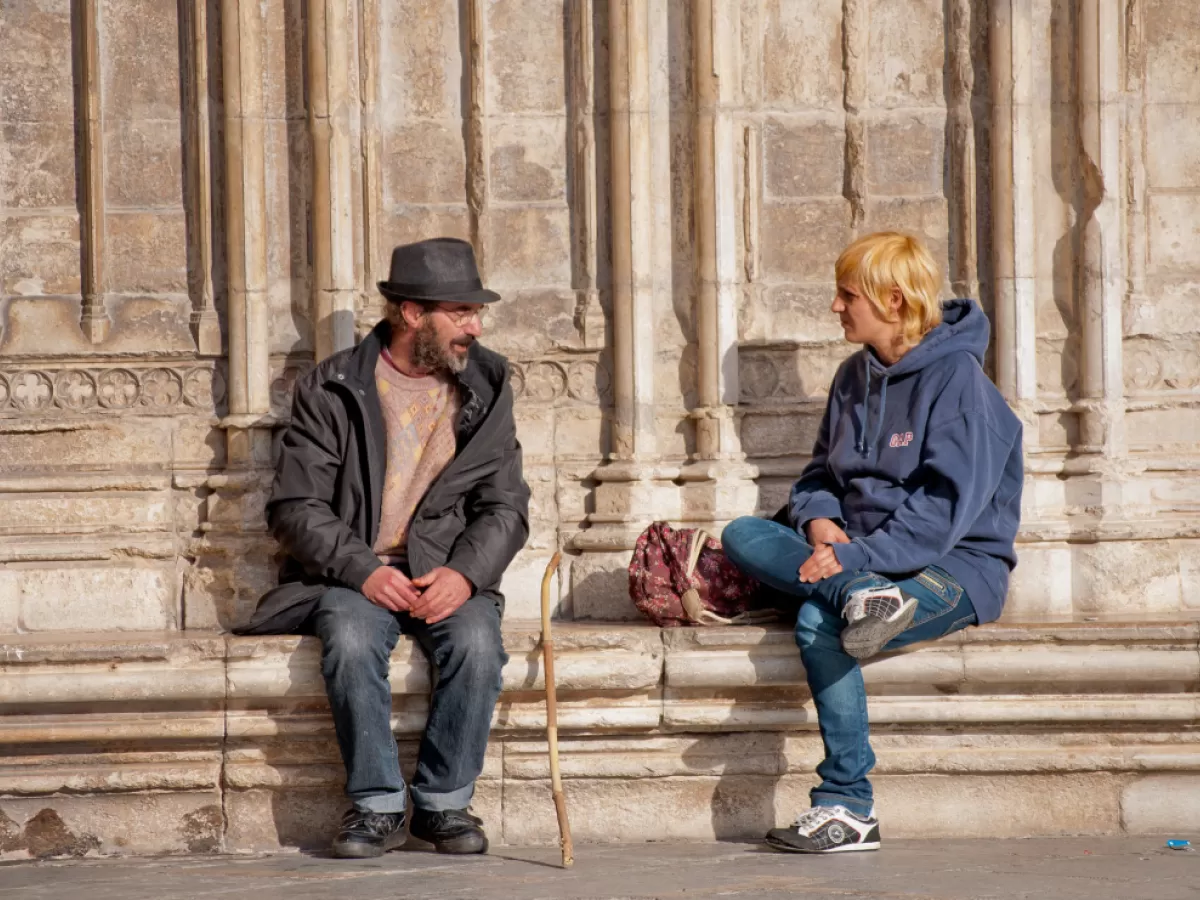
Be courteous, friendly, and curious. Learn a few phrases and have a chat, ask a baker what they’ve got today or a shop assistant about a local specialty. People respond to genuine interest. And remember, a seasoned traveler finds home with new eyes, so even a simple question like “Where can I get a good meal?” can be a cultural lesson.
Ultimately, every town carves its history in brick and mortar, home and hearth. To discover that history is to go into each visit as more than sightseeing, it’s a cultural exchange. Creative tourism workers refer to traveling this way as traveling toward an engaged and authentic experience that engages you with those who live in this place and make this living culture (Team, 2017). That is, it’s looking less museums, more squares (Team, 2017). The real reward of travel is to learn from others and places, soaking up the old hymns of a church bell, tasting spices on your tongue, and laughing with new friends. Each experience adds one more verse to your memory of the town. In doing so, you don’t just visit a new place, you take a little bit of its soul away.
References:
- Sen, E.A. and Sen, E.A. (2024). How to Plan Your Trips with a Focus on Architecture: Tips for a Memorable Journey | illustrarch. [online] illustrarch. Available at: https://illustrarch.com/articles/36821-how-to-plan-your-trips-with-a-focus-on-architecture.html [Accessed 23 Jun. 2025].
- Nick, B.W. (2019). Maximize Your Travel Experience: The Top 4 Best Ways to Travel – Breakfast With Nick. [online] Breakfast With Nick. Available at: https://breakfastwithnick.com/2019/08/21/food-park-drink-art/ [Accessed 24 Jun. 2025].
- Zabransky, C. (2025). 10 Travel Tips on How to Travel Local. [online] Stay Adventurous | Mindset for Travel Blog. Available at: https://www.stayadventurous.com/2012/10/10-travel-tips-on-how-to-travel-local/ [Accessed 24 Jun. 2025].
- Ash (2024). Cultural Festivals: Travel to Rejoice Local Festivities | Medium. [online] Medium. Available at: https://medium.com/@travelunravel.co/cultural-festivals-travel-to-rejoice-local-festivities-0850ccc8782a.
- Kepnes, M. (2011). How to Meet Locals When You Travel (Updated 2024). [online] Nomadic Matt’s Travel Site. Available at: https://www.nomadicmatt.com/travel-blogs/the-truth-about-meeting-locals-abroad/.
- Team, E. (2017). Creative Tourism and the Search of Identity – Justraveling. [online] Justraveling. Available at: https://www.justraveling.com/alternative-travel/creative-tourism/ [Accessed 23 Jun. 2025].