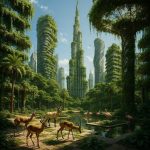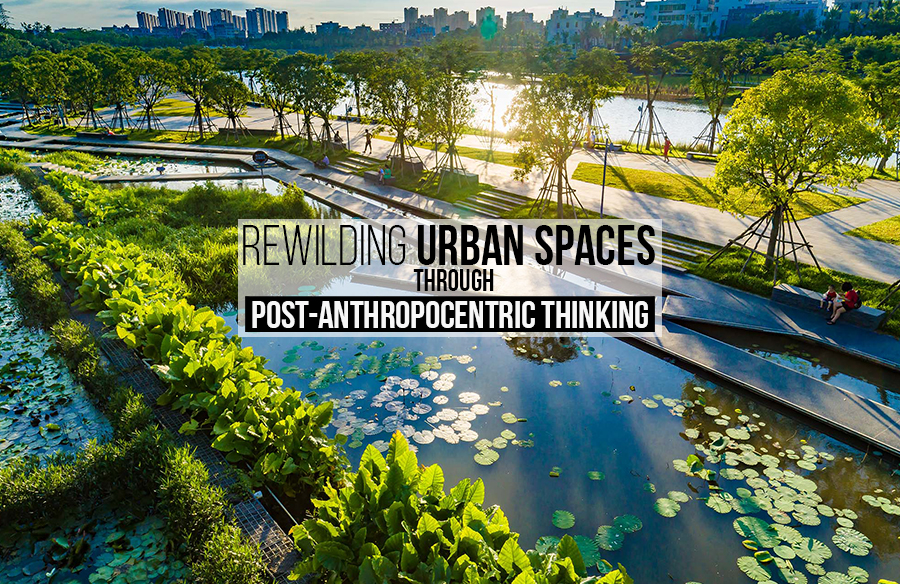
According to a United Nations report, over 58% of the global population lives in urban areas, a figure estimated to rise to 68% by 2050. As the world urbanized, the ecological footprint of cities has decreased to levels. This urban expansion has led to the decline of natural systems that sustain human activities. Simultaneously, due to heat island effects and isolated green patches, urban cities fail to support the wildlife corridors. In response to this environmental imbalance, a new paradigm is emerging, post-anthropocentric thinking, which rethinks cities where humans are not the central species but one among many. One of the strategies that has evolved from this shift is rewilding, a concept that aims to restore and support biodiversity by focusing on the autonomy of natural processes.
Post-Anthropocentric Thinking
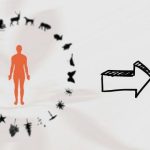
Rooted in ecological philosophy, post-anthropocentric thinking moves beyond the human-centric view that dominates urban development. It critiques cities designed solely for human ease and instead calls for a paradigm shift towards a system that values ecological balance and the needs of all living systems as equal stakeholders in urban environments.
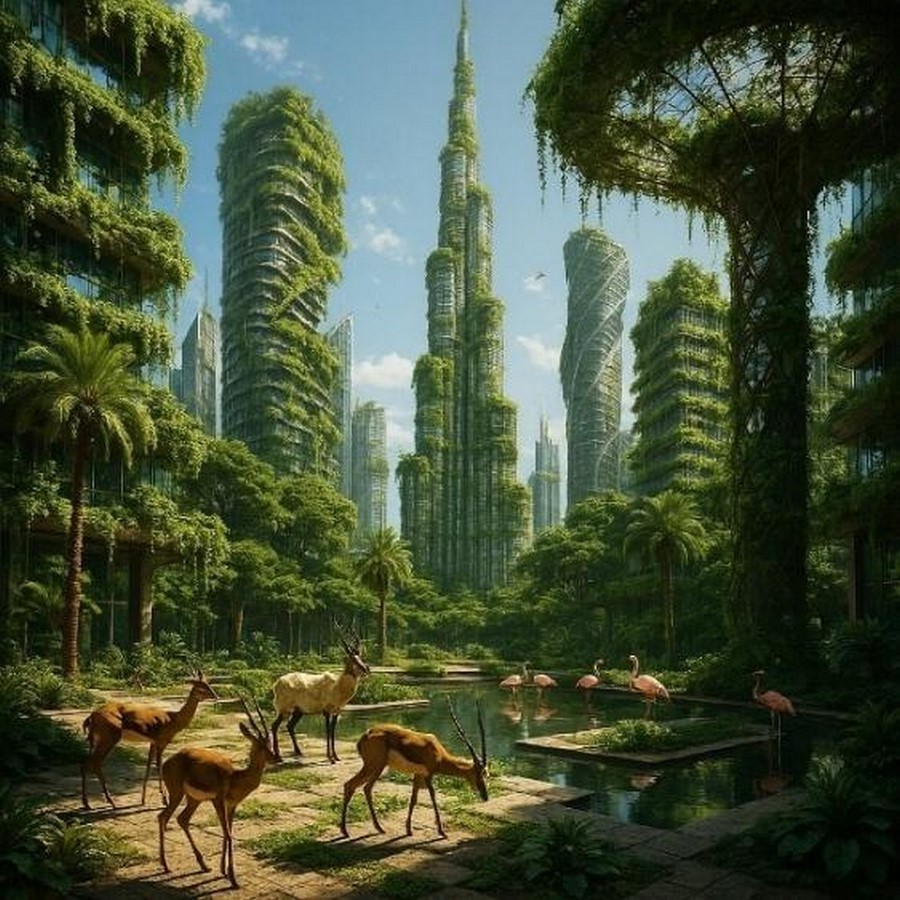
This shift is as philosophical as it is spatial. It encourages designers not to approach as controllers but as collaborators with them. A park is not only viewed as a leisure space but also as a pollinator habitat. The building’s facade is a vertical ecosystem. Streets are not only for humans but also for birds, insects, and plant life. Rather than viewing cities as complex ecosystems for human efficiency, this paradigm promotes design that is inclusive of the needs of not just people but multiple species within the ecosystem.
Key principles of post-anthropocentric thinking-
- Multispecies coexistence
- Encourage ecological resilience over aesthetics
- Temporal and adaptive urbanism
- Decentralization of human-centric hierarchies
- Ecological care and responsibilities
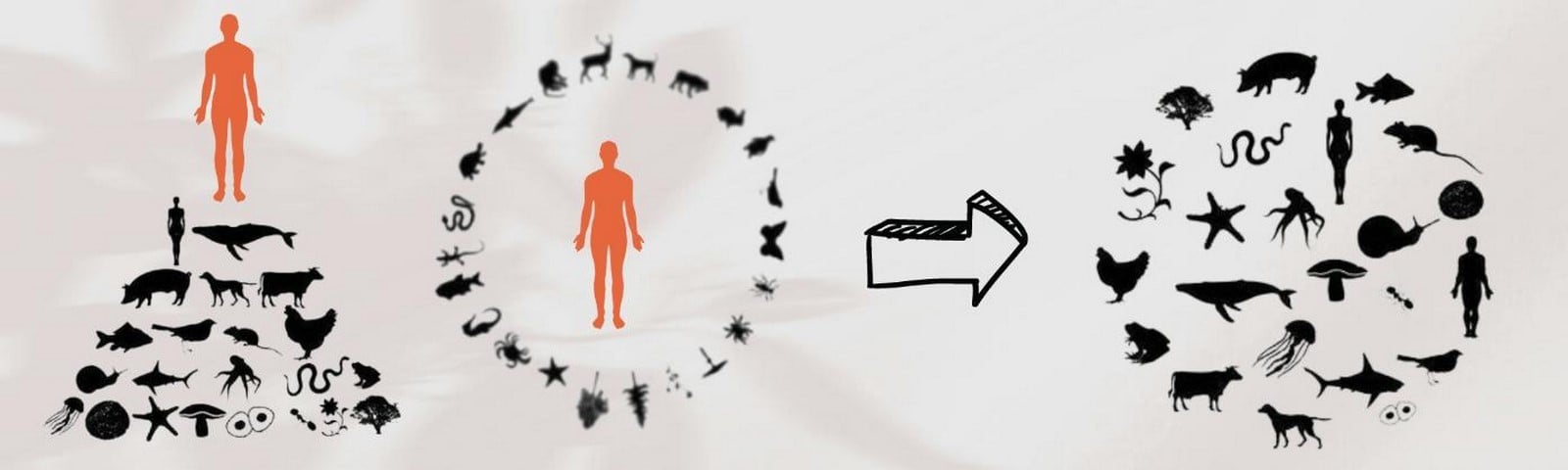
This post-anthropocentric thinking raises a fundamental question of what does city looks like when humans are no longer a central priority? The answer lies not in abandoning urban life but in rewilding it to support ecological interdependence.
Urban Rewilding
As simple as the phenomenon may sound, urban rewilding is the process of restoring natural ecosystems and giving space back to nature. Conventional urban landscape often prioritizes order, control, and aesthetic greenery; instead, rewilding embraces the ecological complexity and ecosystem functionality.
Rooted in post-anthropocentric thinking, rewilding challenges the conventional urban designs of beautifying spaces but redefines the relationship between cities and nature. It encourages the coexistence of multispecies and nature restoration within the built environment. By reintroducing natural ecosystems into urban fabric, urban rewilding is a regenerative design approach that evolves urban landscapes with minimal human interference.
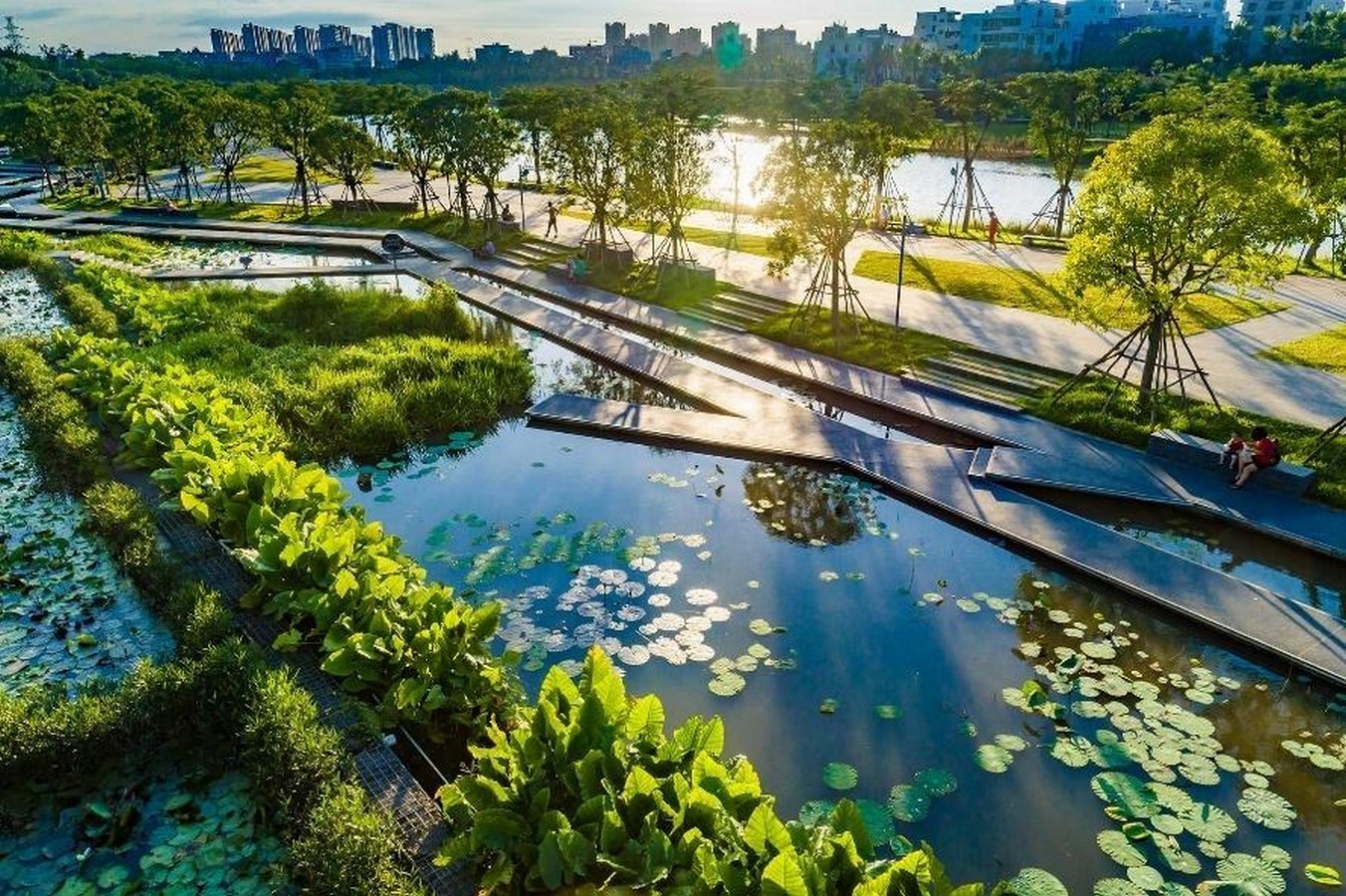
Global Case Studies
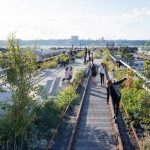
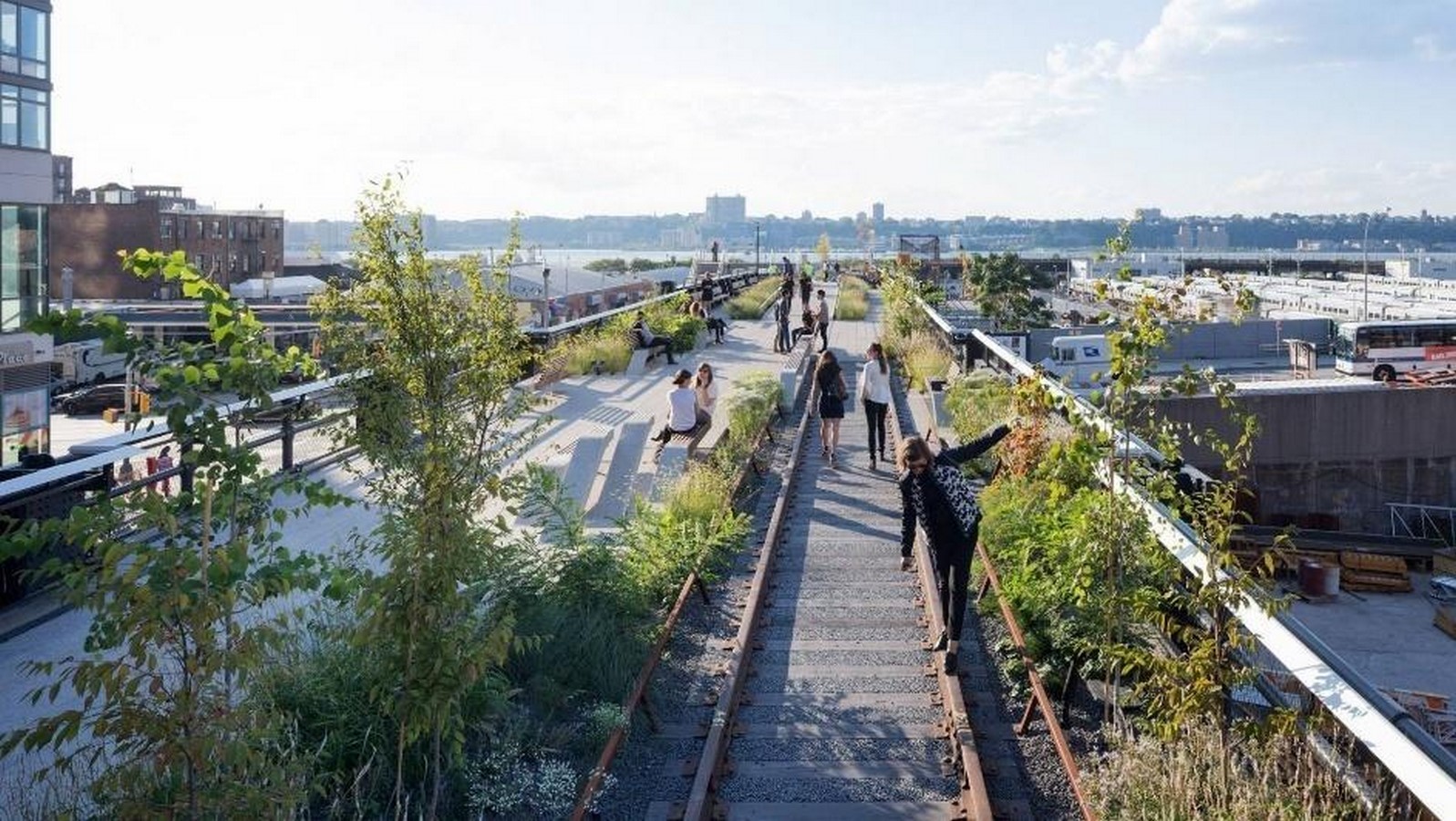
- High Line, New York City – it is an excellent example of adaptive reuse of an elevated linear park built on a former freight rail line, reimagined as a public green space. Blending ecology with community interaction, the high line serves as a model for urban rewilding within dense urban fabric.
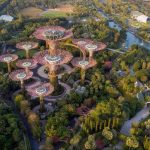
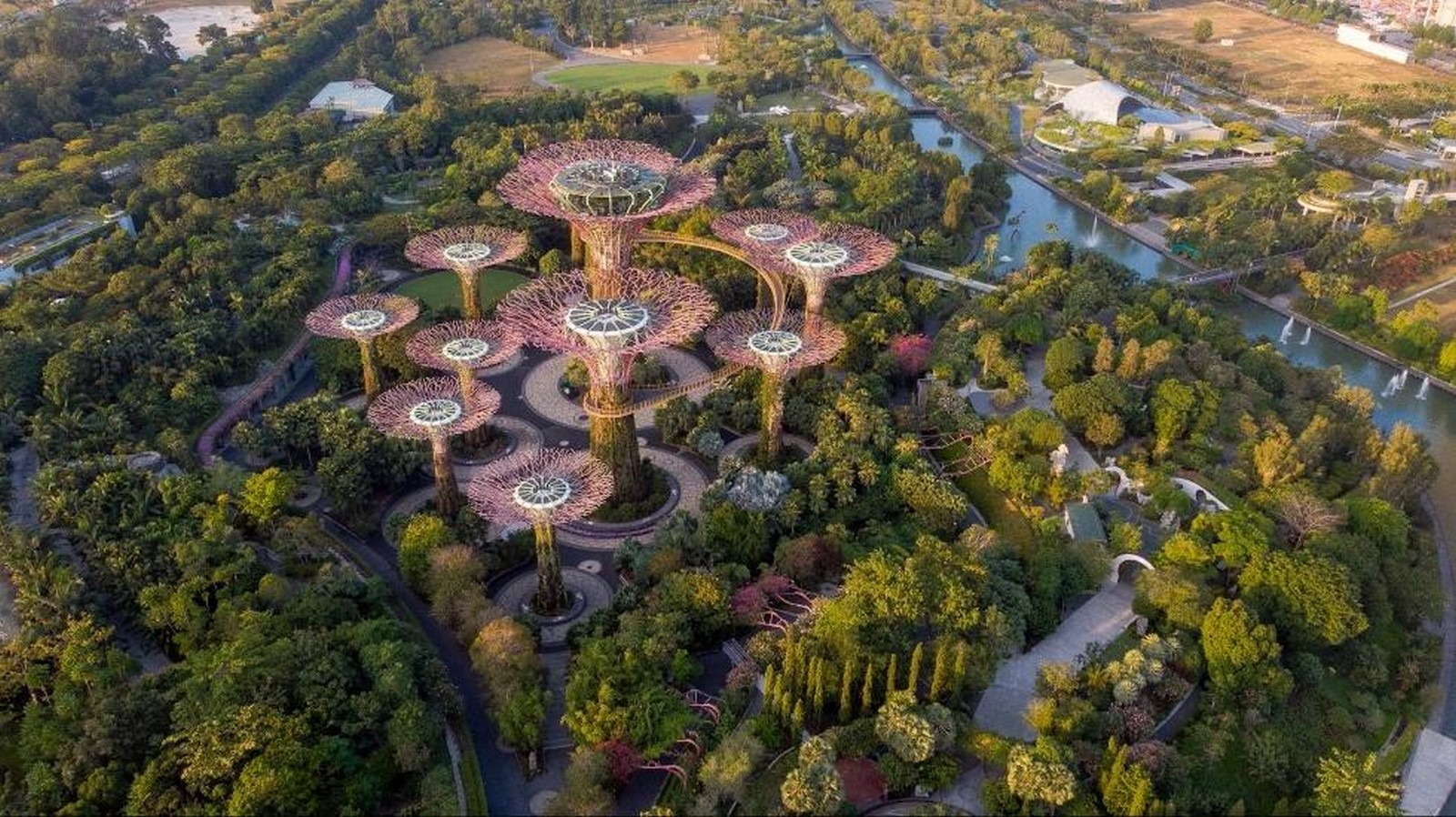
2. Gardens by the Bay – it merges technology with a natural ecosystem, supporting biodiversity in a dense urban setting. Its super tree structures and climate-controlled biomes are excellent examples of how ecosystems can evolve beyond human-centric design, offering urban habitat for multiple species.
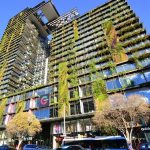
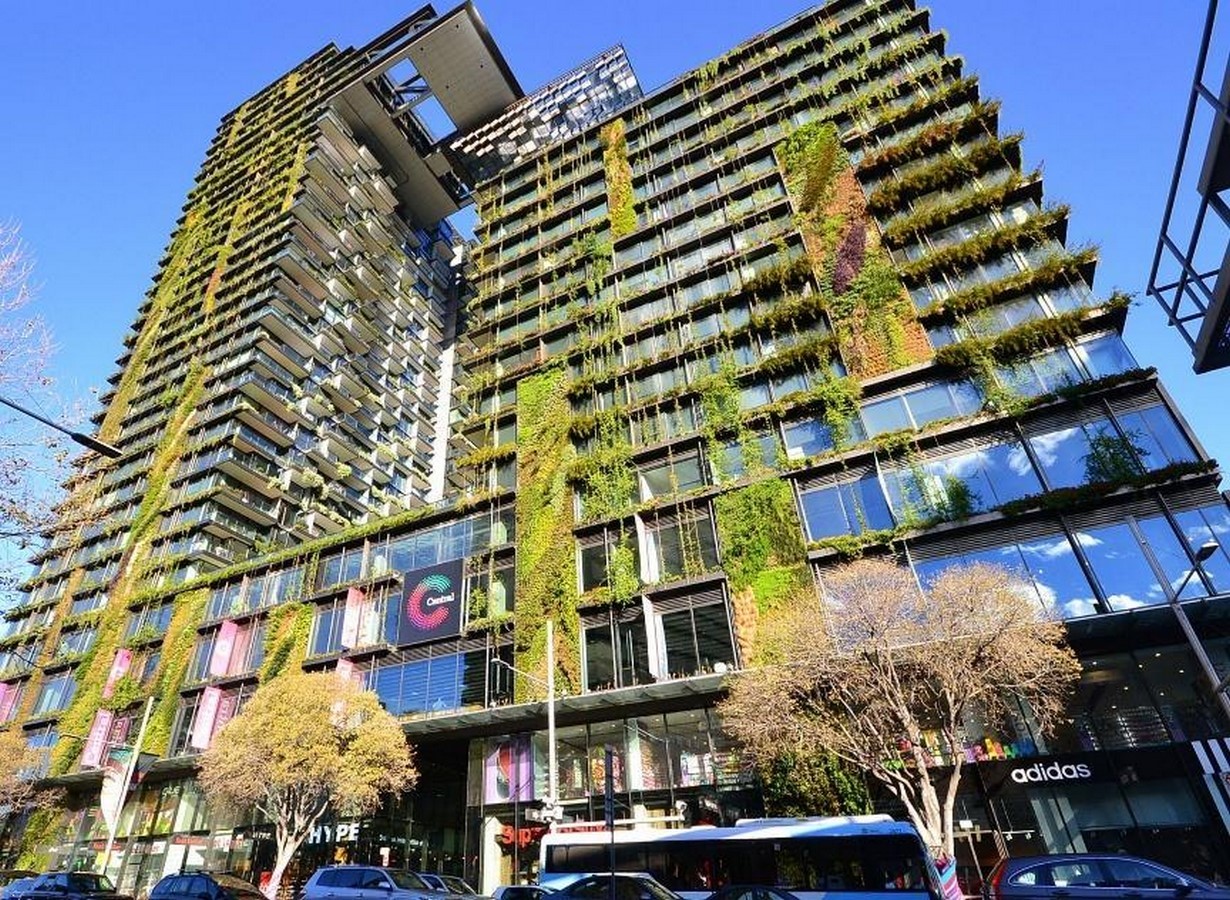
3. One Central Park, Sydney – the building integrates vertical gardens and renewable systems that create a living facade blending architecture with ecology. It further explains how residential designs, a human approach to urban living, are more than just can be and can foster environmental regeneration.
In response to the climatic crisis due to growing urbanization, rewilding presents a critical shift in how cities should be designed with the inclusion of all multispecies in the ecosystem. In today’s traditional human-centric design, where green coverages are shrinking and heatwaves are increasing, rewilding becomes a necessity, not a luxury.
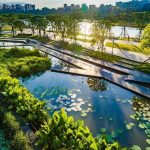
Rewilding urban spaces offers numerous benefits, some of them include supporting native species, enhancing mental well-being, reducing flood risks and urban heat island effect, and enhancing blue-green infrastructure. It also challenges the long-shaped urban development from a human-centric perspective and invites designers to design spaces that welcome all forms of life. This concept of rewilding urban spaces through post-anthropocentric thinking not only repairs the broken relationship with nature but also fosters an urban future rooted in co-existence.
Citations:
Barucchi, A. (2023, december 17). Linkedn. Retrieved from https://www.linkedin.com/pulse/from-anthropocentric-approach-sustainability-audrey-barucchi-w6tbc/
blueprint. (n.d.). blueprint. Retrieved from https://blueprint.ozpropertygroup.com.au/one-central-park-sydney-australia/
Cilento, K. (2009, June 09). Arch Daily. Retrieved from https://www.archdaily.com/24362/the-new-york-high-line-officially-open
Daily, A. (2012, July 17). Arch Daily. Retrieved from https://www.archdaily.com/254471/gardens-by-the-bay-grant-associates
Daily, A. (2014, September 25 ). Arch Daily . Retrieved from https://www.archdaily.com/551329/one-central-park-jean-nouvel-patrick-blanc
Directory, S. (2025, april 4). sustainability directory. Retrieved from https://climate.sustainability-directory.com/term/post-anthropocentric-industry/
DJI, M. A. (2019, march 13). Unsplash. Retrieved from https://unsplash.com/photos/aerial-view-of-trees-river-and-architectural-landmark-VbB6HYunm04
Kongjian Yu. (2022, jun 9). rewilding magazine. Retrieved from https://www.rewildingmag.com/here-are-some-ways-the-worlds-cities-are-rewilding/
Koning, J. (2021 , november 6). climate scan . Retrieved from https://climatescan.org/projects/6537/detail
Muca, K. (2025, may). Amazing Architecture. Retrieved from https://amazingarchitecture.com/artificial-intelligence/rewilding-cities-a-speculative-series-by-klaudio-muca
zoo, c. (2021, October 8). citizen zoo. Retrieved from https://www.citizenzoo.org/CZ/urbanrewilding/